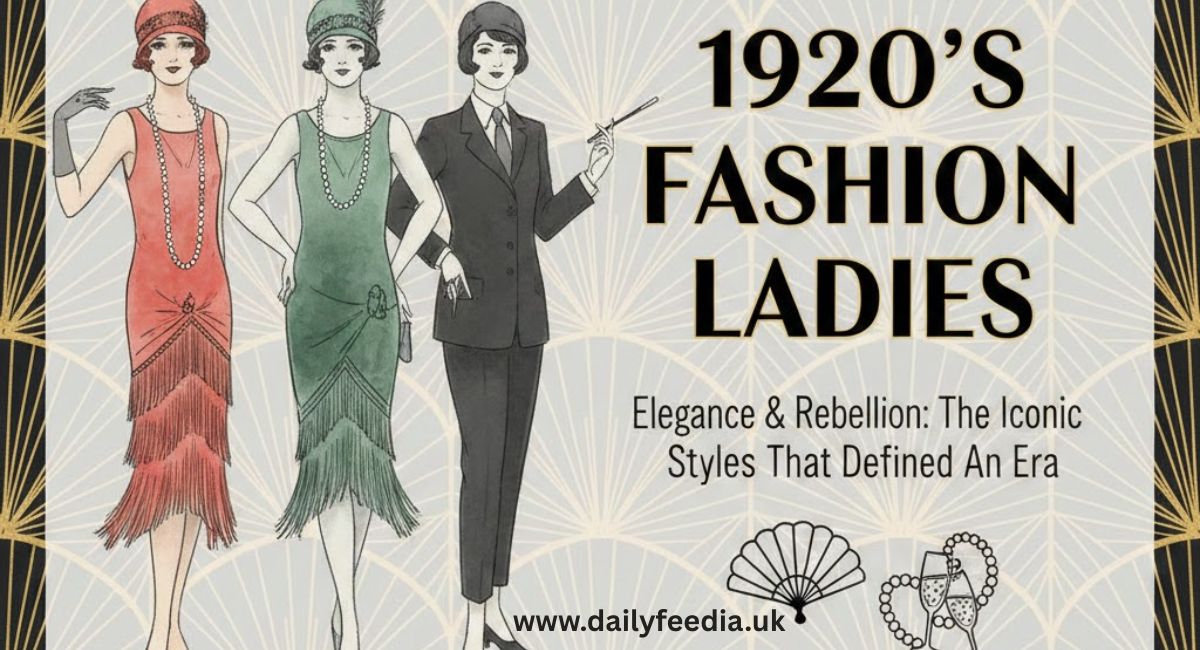
The 1920s completely changed how women dressed, moved, and expressed themselves. Before this decade, fashion was restrictive and formal. By the mid 1920s, women shifted toward comfort, freedom, and individuality. This was not just about clothing trends. It reflected social change, urban lifestyles, and a new sense of independence.
From observation of vintage archives, films, and preserved garments, one thing stands out clearly. 1920’s fashion ladies were not dressing only for glamour. They were dressing for mobility and modern life.
The Social Shift That Shaped 1920’s Women’s Fashion
The end of World War I played a major role in fashion transformation. Women entered workplaces, public spaces, and social scenes more actively. Heavy corsets and layered gowns no longer suited this lifestyle.
Designers like Coco Chanel helped normalize looser silhouettes and practical clothing. Her influence pushed fashion toward simplicity, which many competitor articles mention but rarely explain deeply.
In real terms, this meant:
• Less restrictive clothing for daily movement
• Lightweight fabrics for urban living
• Practical yet stylish outfits for social gatherings
Women wanted clothes that worked for dancing, commuting, and socializing, not just formal appearances.

Key Characteristics of 1920’s Fashion Ladies
1. The Drop Waist Silhouette
The drop waist dress is the most recognizable feature of the decade. Unlike earlier fitted designs, dresses fell straight from the shoulders to the hips.
From practical observation, this design was comfortable and allowed free movement, especially during dancing. It also suited different body types, which made it widely popular.
2. Shorter Hemlines
Before the 1920s, ankle length dresses were standard. By the mid 1920s, hemlines rose to the knee.
This was revolutionary. It was not just about fashion. It made walking, working, and dancing easier. Many modern recreations ignore how functional this change actually was.
3. Lightweight Fabrics
Common materials included:
• Silk
• Chiffon
• Velvet
• Satin
These fabrics allowed breathability and elegance at the same time. In warm climates, lighter fabrics were especially practical, which explains why 1920s fashion adapted differently across regions.
Flapper Style: The Iconic Representation
When people search for 1920’s fashion ladies, they usually imagine flappers. While flapper fashion was influential, it was not the everyday look for all women.
The flapper dress included:
• Beaded details
• Fringe layers
• Loose fit design
• Sleeveless or short sleeves
Popularized in media and films like The Great Gatsby, this style symbolized youth and rebellion.
Real insight: Most women wore simpler versions of flapper dresses for daily wear, without heavy embellishments. Fully beaded dresses were expensive and mainly used for parties.

Everyday Clothing vs Party Wear in the 1920s
Daily Wear
Practical outfits often included:
• Simple cotton dresses
• Knit cardigans
• Low heel shoes
• Modest hats
These outfits focused more on function than glamour.
Evening Wear
Evening fashion was more decorative and luxurious. Women wore:
• Beaded gowns
• Silk stockings
• Embellished shawls
• Long necklaces
This contrast is often overlooked by competitor articles that only show party outfits.
1920s Accessories That Completed the Look
Accessories played a major role in defining the overall appearance.
Essential Accessories
• Cloche hats
• Long pearl necklaces
• Gloves
• Art deco jewelry
• Small handbags
The cloche hat was especially practical. It stayed secure during movement and matched short hairstyles perfectly.

Hairstyles and Beauty Trends of 1920’s Fashion Ladies
The bob haircut became a defining symbol of the decade. It was bold, modern, and easy to maintain.
Popular styles included:
• The classic bob
• Finger waves
• Sleek side parts
Makeup also became more expressive. Women used darker lipstick shades and defined eyes, which reflected confidence rather than traditional modesty.
From a real observation standpoint, short hair was not just a trend. It reduced maintenance time and matched active urban lifestyles.
Common Mistakes People Make When Recreating 1920s Fashion
Many beginners misunderstand the era by focusing only on flashy costumes. In reality, authentic 1920’s fashion ladies dressed more simply in daily life.
Frequent mistakes include:
• Overusing heavy fringe and sequins
• Ignoring proper accessories
• Choosing modern fabrics instead of vintage textures
• Wearing overly tight dresses instead of loose silhouettes
A realistic recreation should balance simplicity with elegance, not exaggeration.
How Fashion Changed Throughout the 1920s
Early 1920s (1920 to 1924)
Fashion was still transitioning from Edwardian styles. Dresses were slightly loose but not extremely short yet.
Mid 1920s (1925 to 1927)
This was the peak of flapper influence. Shorter dresses and bold accessories became mainstream.
Late 1920s (1928 to 1929)
Designs became more refined. Evening gowns showed more sophistication, and tailoring improved.
This timeline perspective is rarely covered in competitor content, yet it helps readers understand the evolution clearly.
Influence of Cinema and Pop Culture on Women’s Fashion
Silent film actresses shaped fashion trends significantly. Icons like Clara Bow inspired makeup, hairstyles, and dress choices.
Women copied film styles because cinema represented modern life and glamour. This connection between media and fashion is a key factor often underexplained in top ranking articles.
Practical Styling Tips for Modern Readers Interested in 1920s Fashion
If someone wants to adopt a 1920s inspired look today, practicality matters more than costume accuracy.
Helpful tips:
• Choose loose silhouette dresses instead of tight fits
• Use subtle accessories like pearls and simple hats
• Prefer lightweight fabrics for comfort
• Keep makeup classic rather than theatrical
This approach looks authentic and wearable in modern settings.
Why 1920’s Fashion Ladies Still Influence Modern Style
Modern fashion frequently revisits 1920s elements such as:
• Minimalist silhouettes
• Statement accessories
• Vintage elegance
• Comfortable tailoring
Designers continue to draw inspiration from the decade because it balanced style and practicality effectively.
FAQs About 1920’s Fashion Ladies
What was women’s fashion in 1920?
Women’s fashion in 1920 featured loose, straight dresses with dropped waists, shorter hemlines, and lightweight fabrics like silk and chiffon. Corsets started disappearing, and outfits became more comfortable and practical for modern lifestyles.
How to dress the 1920s theme?
Choose a loose flapper style dress, add a cloche hat, pearl necklace, and low heel shoes. Keep hair in a bob or finger waves, and use simple vintage makeup for an authentic look.
What defined the 1920s era?
The 1920s era was defined by social freedom, jazz culture, and modern fashion shifts after World War I. Women embraced independence, shorter hairstyles, and relaxed clothing that allowed movement and self expression.
Who started 1920s fashion?
Designers like Coco Chanel played a major role in shaping 1920s fashion by introducing simpler, comfortable, and elegant styles that replaced restrictive traditional clothing.
How can someone recreate an authentic 1920s look today?
Focus on simple silhouettes, vintage inspired fabrics, classic hairstyles, and minimal accessories instead of exaggerated costume styles.
Conclusion
1920’s fashion ladies represented a major turning point in women’s style. The decade moved fashion away from restriction and toward comfort, expression, and practicality. While flapper dresses remain the most recognized symbol, real everyday fashion was more balanced and functional. Understanding the social context, fabric choices, and lifestyle needs of the era provides a clearer and more authentic view of 1920s women’s fashion. This practical perspective helps readers appreciate the era beyond surface level glamour and see why its influence still appears in modern fashion today.