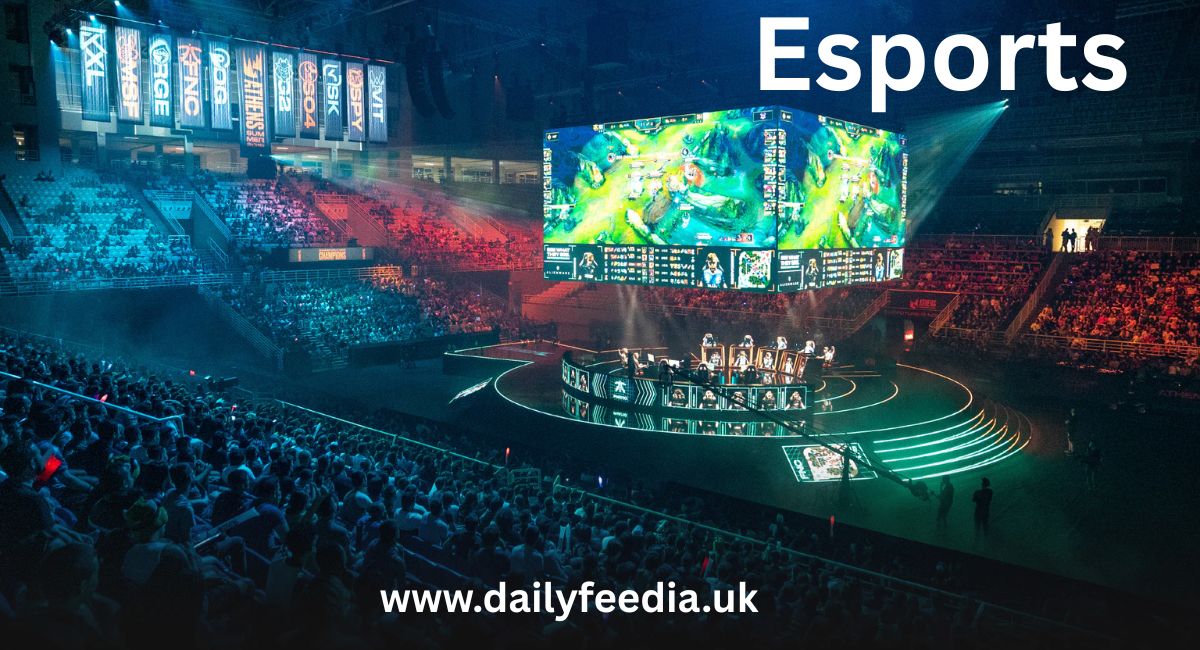
Introduction to Esports
Esports has rapidly evolved from casual video games into a global phenomenon where professional gamers compete in high-stakes gaming competitions and esports tournaments. This dynamic form of competitive gaming combines strategy, skill, and teamwork, attracting millions of esports fans worldwide. From first-person shooter (FPS) titles like Counter-Strike 2 and VALORANT to battle royale games such as Fortnite and PUBG, players test their reflexes and tactical abilities in both online and live events.
With massive prize pools, international leagues, and lucrative esports sponsorships, the industry continues to grow, offering opportunities for players, brands, and viewers to engage in this immersive and exciting digital sport.
The history of esports spans decades, from arcade competitions like Street Fighter II to modern international leagues featuring Counter-Strike 2, Call of Duty, and VALORANT. Today, gaming competitions are no longer niche events; they are major productions with large prize pools, sold-out arenas, and online audiences. This rapid growth has created career paths for esports players, content creators, and analysts in the expanding esports industry revenue stream.
TL;DR
Esports is the world of competitive gaming where professional gamers compete in organized esports tournaments and gaming competitions. Players battle in multiplayer games, including first-person shooter (FPS), battle royale, real-time strategy (RTS), and multiplayer online battle arena (MOBA) genres. Top esports players and teams compete for cash prizes and prize pools in international leagues that attract millions of esports fans worldwide. The esports industry revenue is growing rapidly, supported by esports sponsorships, streaming platforms, and global events.
The rise of video games as a professional sport has transformed how audiences watch and interact with digital content. With esports events broadcast on major streaming platforms, fans can follow their favorite esports teams and players in real-time. The United States has become a hub for gaming leagues, offering opportunities for players, sponsors, and broadcasters to participate in this billion-dollar industry.
Types of Esports Games
Esports games vary widely in style and mechanics, catering to different player skills and fan interests. First-person shooter (FPS) titles like Counter-Strike 2, Call of Duty, and VALORANT emphasize precision aiming, quick reflexes, and teamwork. These multiplayer games are often part of professional gaming leagues with global fan followings and substantial cash prizes. Battle royale games, including Fortnite and PUBG, challenge players to survive in shrinking arenas while gathering resources and eliminating opponents.
Fighting games such as Tekken 8, Street Fighter 6, and Super Smash Bros rely on strategy, combos, and timing. Real-time strategy (RTS) games like Age of Empires II, StarCraft, and Dota 2 require resource management, tactical planning, and long-term strategy. Meanwhile, multiplayer online battle arena (MOBA) games, including League of Legends (LoL) and Dota 2, combine individual skill with team coordination. Each genre contributes to the growth of esports events and attracts dedicated esports fans.
Major Esports Tournaments and Leagues
Major esports tournaments attract millions of viewers and offer significant prize pools. The International, featuring Dota 2, is one of the largest gaming competitions in the world, with teams battling over multi-million-dollar prizes. League of Legends World Championship (Worlds) showcases top esports teams and draws huge crowds both online and offline. Overwatch 2 competitions, including the Overwatch Champions Series (OWCS), highlight professional gamers in city-based and open tournaments.
Smaller leagues, like ESEA, help aspiring esports players build careers in semi-professional circuits. These leagues act as stepping stones to global events, supported by esports sponsorships from brands eager to reach esports fans. Streaming of these events on platforms like Twitch and YouTube has amplified viewership, making gaming competitions accessible to a worldwide audience. The combination of cash prizes, team fame, and fan engagement drives growth in the esports industry revenue.
Top Esports Players and Teams
The success of esports relies heavily on elite players and iconic teams. Legendary figures like Faker in League of Legends (LoL), s1mple in Counter-Strike, and Bugha in Fortnite have become household names among esports fans. Fighting game icons like Daigo Umehara, famous for Street Fighter II, and team leaders like Puppey in Dota 2 have inspired a generation of professional gamers.
Teams like T1, Astralis, OG, Team Liquid, and FaZe Clan dominate international leagues with disciplined strategies and extensive training. These esports teams participate in esports tournaments worldwide, winning cash prizes and attracting massive streaming platforms audiences. Fans closely follow their matches, creating strong communities around each gaming competition, which fuels the esports industry revenue further.
How Esports Generates Revenue
The esports industry revenue comes from multiple sources. Sponsorships from global brands such as Red Bull, Coca-Cola, and Logitech dominate, covering team salaries, tournament organization, and event marketing. Exclusive deals with streaming platforms like Twitch and YouTube ensure tournaments reach global audiences, generating advertising and subscription revenue.
Merchandising provides another significant income source. Fans purchase jerseys, collectibles, and in-game items linked to popular esports players and teams. Prize pools in major events, like The International or League of Legends (LoL) Worlds, can reach tens of millions of dollars. These multiple revenue streams support the growth of gaming leagues, enable larger esports tournaments, and elevate professional gamers worldwide.
Benefits of Esports
Esports provides a wide range of benefits for players, brands, and audiences. For professional gamers, it develops strategic thinking, teamwork, and technical skills while offering career opportunities and scholarships. For brands, esports sponsorships connect with younger audiences and build global exposure.
Audiences enjoy entertainment, social interaction, and access to esports events in real-time via streaming platforms. The combination of skill-based competition, large cash prizes, and multiplayer games engagement has transformed gaming competitions into an influential cultural phenomenon. The collaborative nature of MOBA and FPS games also encourages community-building among esports fans.
Esports Viewership and Market Growth
The esports industry revenue continues to rise, especially in the United States, where tournaments attract millions of viewers. Streaming platforms broadcast esports events, allowing fans to watch gaming competitions live. Forecasts suggest the esports industry could surpass $5 billion in annual revenue within the next few years.
Audience engagement is high, with millions of esports fans following professional gamers and esports teams across multiple genres. The rapid growth of first-person shooter (FPS), battle royale, and MOBA games fuels demand for multiplayer games competitions and large-scale international leagues. Table 1 shows the top US viewership numbers for major esports games:
| Game Title | Average Monthly Viewers (USA) | Genre |
| League of Legends (LoL) | 3.2M | MOBA |
| Fortnite | 2.8M | Battle Royale |
| Counter-Strike 2 | 2.5M | FPS |
| VALORANT | 2.1M | FPS |
| Overwatch 2 | 1.9M | FPS |
Getting Involved in Esports
Joining the world of esports is easier than ever. Players can participate in gaming competitions online or at local events. Many US leagues, such as ESEA, allow aspiring professional gamers to test their skills and climb ranks. Multiplayer games like Dota 2, League of Legends (LoL), and Fortnite provide beginner-friendly tournaments with accessible entry points.
Aspiring esports players benefit from community support, training guides, and streaming opportunities. By engaging with esports teams and joining international leagues, players can gain exposure, attract sponsorships, and participate in major esports tournaments. The ecosystem encourages dedication, skill growth, and long-term career development in the esports industry revenue stream.
Common FAQs About Esports
What is esports?
Esports, or electronic sports, is competitive gaming where professional gamers play multiplayer games in tournaments or international leagues for cash prizes and titles. It combines skill, strategy, and teamwork across various video games.
What is the #1 esport in the world?
League of Legends (LoL) is considered the #1 esport globally, attracting millions of esports fans and offering massive prize pools in top esports tournaments.
Why is it called e-sports?
It’s called e-sports because it stands for “electronic sports,” turning traditional gaming into structured, competitive events similar to physical sports.
Is esports a good career?
Yes, esports can be a career through professional gamers, streaming, coaching, or working in esports teams and gaming leagues, but it requires dedication and consistent performance.
How can I start esports?
Begin by playing multiplayer games online, joining amateur gaming competitions, and participating in local or online esports tournaments to gain experience and visibility.
What are the big 3 in gaming?
The big three gaming genres are first-person shooter (FPS), battle royale, and multiplayer online battle arena (MOBA), which dominate esports tournaments and gaming competitions.
Does esports make money?
Yes, esports generates revenue through cash prizes, esports sponsorships, streaming deals on streaming platforms, and merchandising, contributing to the growing esports industry revenue.
Can a 12 year old play esports?
Yes, many games allow younger players to participate, but age restrictions apply for some esports tournaments. Parental guidance and focusing on skill development are recommended.
Conclusion
Esports has grown into a multi-billion-dollar industry that blends skill, strategy, and entertainment. Professional gamers, esports teams, and international leagues define the competitive scene, drawing millions of esports fans. With expanding streaming platforms, cash prizes, and gaming competitions, esports continues to shape the future of video games as a spectator and professional sport.
The USA remains a central hub for esports events, offering opportunities for aspiring players, marketers, and fans. As multiplayer games, MOBA, and first-person shooter (FPS) competitions evolve, the esports industry revenue shows no signs of slowing.

1 comment
[…] Sport News & Events TOP 10 Travel Hacks with Kids That Make… What is Esports? A Beginner’s Guide to Competitive… Minecraft Game: Complete Guide, Features, Modes, Tips, and… Xbox Cloud Gaming Beta: What It […]