Intrductions
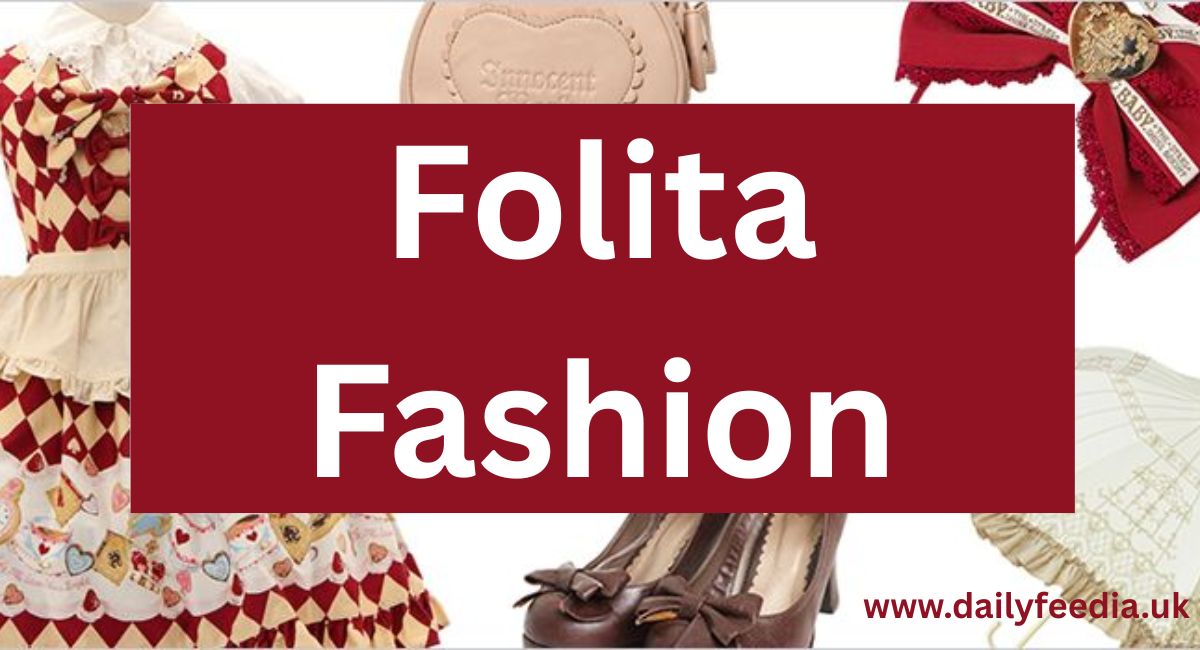
Lolita fashion is a Japanese fashion subculture that blends Harajuku street style with Victorian clothing and Rococo fashion influences, creating a unique and eye-catching aesthetic. The style emphasizes femininity and independence, allowing individuals to express themselves through dresses and skirts, petticoats, blouses, and detailed lace, bows, ruffles.
Accessories like headdress and bonnets, tea party shoes, and Mary Janes complete the coordinated look. Lolita fashion is not just clothing—it’s a form of self-expression through clothing, highlighting non-sexualized fashion and a youthful appearance. Global communities, online groups, and meetups have helped this subculture expand beyond Japan, inspiring enthusiasts worldwide to embrace its elegance and creativity.
What is Lolita Fashion?
Lolita fashion is a Japanese fashion subculture that focuses on elegance, cuteness, and individuality. It is inspired by Victorian clothing and Rococo fashion, using dresses and skirts, petticoats, blouses, and decorations like lace, bows, ruffles to create a distinct silhouette. The style emphasizes femininity and independence, offering a way for women to embrace self-expression through clothing without attention from the male gaze. Unlike mainstream fashion, Lolita fashion is about non-sexualized fashion and carefully collecting and coordinating outfits.
The style also incorporates Kawaii aesthetic, combining sweetness with refined elegance. Items such as JSK (jumperskirt) and OP (one-piece dress) form the base of a Lolita outfit, paired with tea party shoes, Mary Janes, and headdress and bonnets. Accessories and layers are vital, allowing accessories layering to enhance the visual impact. The fashion encourages youthful appearance, attention to detail, and personal creativity, blending historical inspiration with modern Japanese street style.
History of Lolita Fashion
Lolita fashion began in Japan during the 1980s and 1990s, rooted in Harajuku street style and early Visual Kei influences. The fashion drew inspiration from Victorian clothing and Rococo fashion, emphasizing historical-inspired fashion, elegance, and detailed craftsmanship. Magazines such as Fruits, Kera, Gothic & Lolita Bible helped popularize the style, documenting trends and substyles for international audiences. Early adopters focused on collecting and coordinating outfits, creating elaborate looks with petticoats, blouses, and layered accessories.
As the trend grew, it split into multiple substyles, each with unique themes and motifs. From the playful Sweet Lolita with whimsical motifs and pastel colors, to Gothic Lolita with dark and dramatic colors, the fashion expanded to include Classic Lolita, Hime Lolita, and niche styles like Punk Lolita. Its evolution reflects a strong dedication to femininity and independence, self-expression through clothing, and a desire to maintain a princess-like lifestyle while remaining distinct from conventional fashion.

Online and Global Lolita Culture
Lolita fashion has grown beyond Japan into a worldwide phenomenon. Online communities and social media groups provide platforms for enthusiasts to share street photography of fashion, discuss styling tips, and arrange fashion meetups and gatherings. These forums allow collectors to exchange knowledge, participate in cosplay events, and buy from indie brands and resellers. Communities emphasize fashion rules and etiquette, helping newcomers navigate the culture respectfully.
The secondhand market plays a critical role in global accessibility. Sites and forums facilitate trading of rare Lolita brands: Angelic Pretty, Baby the Stars Shine Bright, Innocent World, Alice and the Pirates, Moi-même-Moitié items. Cosplay communities and meetups further expand the influence of Lolita fashion, making it a recognizable global Lolita fashion influence. Enthusiasts enjoy expressing themselves, while respecting the subculture’s traditions and ethics.
Key Elements of a Lolita Outfit
A typical Lolita outfit includes a JSK (jumperskirt) or OP (one-piece dress) paired with a blouse. Petticoats create volume and define the iconic silhouette. Accessories such as headdress and bonnets, gloves, parasols, and themed bags complete the look. Footwear choices like tea party shoes or Mary Janes are essential for authenticity. Accessories layering ensures the outfit remains visually rich without becoming chaotic.
Makeup and hairstyles are equally important. Soft pastels suit Sweet Lolita, while bold shades complement Gothic Lolita. Coordinating makeup and hairstyles enhances the youthful appearance and maintains the Kawaii aesthetic. Even small details, like socks with lace trim, contribute to collecting and coordinating outfits. These elements together define the meticulous craftsmanship and charm of Lolita fashion.
Major Lolita Substyles
Classic Lolita focuses on elegance, subtle floral patterns, and muted tones. Sweet Lolita emphasizes whimsical motifs, pastel colors, and playful designs. Gothic Lolita highlights dark and dramatic colors, Victorian-inspired prints, and theatrical accessories. Minor styles include Punk Lolita, Country Lolita, Old School Lolita, and themed variations such as Hime Lolita, Guro Lolita, Ero Lolita, Wa Lolita, Qi Lolita, Cyber Lolita, Steam Lolita, Military Lolita, Pirate Lolita, Nun Lolita, Nurse Lolita, Hijab Lolita, and Shiro and Kuro Lolita.
Each substyle allows personal expression while adhering to the community’s rules. Casual Lolita tones down extravagance for everyday wear. Deco / OTT Lolita embraces OTT (over-the-top) styling, layering accessories, and bold statements. The variety ensures every enthusiast can find a style that reflects their femininity and independence and engages in self-expression through clothing while honoring tradition.
Popular Brands and Designers
Notable brands define the Lolita market. Angelic Pretty and Baby the Stars Shine Bright specialize in Sweet Lolita, featuring whimsical motifs and pastel colors. Innocent World and Alice and the Pirates offer Classic Lolita and Gothic Lolita styles, prioritizing historical-inspired fashion. Moi-même-Moitié, founded by Mana, pioneers Gothic Lolita and Elegant Gothic Aristocrat, influencing global trends.
Indie designers and resellers contribute to the diversity of options. Many enthusiasts rely on the secondhand market to acquire rare pieces, maintaining authenticity while staying eco-conscious. Brands emphasize high-quality fabrics, detailed trims, and collecting and coordinating outfits, ensuring enthusiasts have both a functional and artistic experience.
Fashion Rules and Etiquette in the Lolita Community
The community values fashion rules and etiquette. Outfits, known as “coords,” must maintain harmony between skirts, blouses, and accessories. Low-quality garments are discouraged, as attention to detail reflects respect for the culture. Participants follow unwritten rules to avoid sexualization, reinforcing the commitment to non-sexualized fashion.
Etiquette extends to meetups and online spaces. Enthusiasts are expected to participate respectfully in cosplay meetups, fashion meetups and gatherings, and subculture fashion communities. Coordination, quality, and presentation highlight femininity and independence and uphold the tradition of Japanese street fashion while making the style approachable for new audiences.

Lolita Fashion in Media and Pop Culture
Lolita fashion gained international recognition through Japanese street fashion magazines: Fruits, Kera, Gothic & Lolita Bible, which documented styles and trends. Movies like Kamikaze Girls introduced the culture globally, while anime, manga, and street photography showcased its artistic appeal. Social media influencers further amplified visibility, bringing global Lolita fashion influence to wider audiences.
The integration of Lolita fashion into media has cemented its place as both art and lifestyle. Photography, magazine features, and online showcases allow enthusiasts to highlight self-expression through clothing, celebrate princess-like lifestyle, and maintain a dialogue between Japanese and international fashion communities.
Criticism and Controversies
Lolita fashion has faced criticism due to misunderstandings about its name and aesthetic. Misconceptions sometimes link it to sexualization or DDLG culture, despite the community’s emphasis on non-sexualized fashion. Cultural appropriation debates have emerged as global interest grows, emphasizing the need for respect and proper representation.
Commercialization also challenges the community. Fast fashion adaptations can dilute quality and tradition, but enthusiasts rely on the secondhand market and indie brands and resellers to maintain authenticity. These debates reinforce awareness of fashion rules and etiquette, ensuring that collecting and coordinating outfits remains a thoughtful and deliberate process.
Resources for Aspiring Lolitas
Beginners can access extensive resources through online communities and social media groups, where enthusiasts share tips on styling, shopping, and outfit coordination. Secondhand market platforms allow access to rare items from Lolita brands: Angelic Pretty, Baby the Stars Shine Bright, Innocent World, Alice and the Pirates, Moi-même-Moitié. Tutorials and blogs guide new participants in accessories layering, makeup choices, and achieving a youthful appearance.
Communities encourage participation in cosplay meetups and fashion meetups and gatherings, helping newcomers gain confidence. Following fashion rules and etiquette ensures respectful engagement, while continuous exploration allows enthusiasts to express self-expression through clothing, experiment with whimsical motifs, and maintain a personal connection to this iconic Japanese fashion subculture.
FAQ’S ABOUT Lolita Fashion
What defines Lolita fashion?
Lolita fashion is defined by Victorian and Rococo-inspired clothing, including dresses and skirts, petticoats, blouses, and lace, bows, ruffles. It emphasizes femininity and independence, non-sexualized fashion, and careful collecting and coordinating outfits.
Why is Lolita fashion called Lolita?
The name comes from the word “Lolita” to suggest innocence and youthfulness, not the sexualized meaning in literature. It reflects the style’s princess-like lifestyle and delicate aesthetic.
What is Lolita in Japanese?
In Japanese, Lolita is written as ロリータ or sometimes ロリィタ. It refers to the Japanese fashion subculture that combines Kawaii aesthetic with historical-inspired clothing.
What are the Lolita rules?
Rules include maintaining proper coordination of outfits, avoiding sexualization, respecting fashion etiquette, and wearing high-quality garments. Accessories, shoes, and makeup coordination are essential for authenticity.
Is Lolita Chinese or Japanese?
Lolita fashion is Japanese in origin, emerging from Harajuku street style and influenced by Victorian and Rococo fashion, though some Chinese adaptations exist like Qi Lolita.
What is the dress code for Lolita?
The dress code emphasizes a JSK or OP dress, petticoats, blouses, headdresses, tea party shoes, and coordinated accessories. Outfits follow rules of accessories layering and visual harmony.
What is the male equivalent of Lolita fashion?
The male equivalent is Ouji (Prince) fashion, featuring suits, vests, blouses, and knee-length pants with elegant accessories to complement the Lolita aesthetic.
Why is Lolita expensive?
Lolita is expensive due to high-quality fabrics, intricate lace, bows, and ruffles, and limited production by brands like Angelic Pretty and Baby the Stars Shine Bright. Handmade details and rarity increase the cost.
How many types of Lolita are there?
There are over 20 substyles, including Classic, Sweet, Gothic, Punk, Hime, Wa, Qi, Country, Old School, Guro, Ero, Military, Steam, Pirate, Cyber, Nun, Nurse, Hijab, Shiro, Kuro, Casual, and Deco/OTT Lolita.
Can adults wear Lolita?
Yes, Lolita fashion is for all ages. Adults often wear Casual Lolita or Classic Lolita for everyday life, while Deco/OTT Lolita is suited for events and meetups.
What is the difference between Qi and Wa Lolita?
Wa Lolita combines Lolita with traditional Japanese kimono elements, while Qi Lolita integrates Chinese qipao influences. Both maintain the Lolita silhouette but reflect different cultural aesthetics.
