Introductions
You might use glue every day without thinking about what’s inside it or how factories create something so strong from simple ingredients. When people ask how is glue made, they usually expect a quick answer, yet the process is deeper than many imagine. Modern adhesives come from smart chemistry, careful testing, and strict factory controls that keep each batch consistent.
When you look closer, you see how adhesive manufacturing, industrial glue production, and the glue manufacturing process shape the products around you. From school glue to heavy-duty bonding tools, every type starts with a recipe built for strength, safety, and long-lasting hold.
What Glue Is and How It Works
You see glue every day yet few people ever stop to ask how glue is made or why it holds things together so well. The answer sits in the mix of adhesive ingredients that create strong adhesive bonding once they connect with a surface. When you look at what glue is and how it works you notice how the material spreads into tiny gaps, forms chemical bridges and then hardens as part of the glue drying process. This entire reaction depends on the glue manufacturing process, the chemistry used and whether you’re dealing with water-based glue or solvent-based glue.
Understanding why glue matters helps you appreciate its role in American homes, hospitals and large industries. Almost everything you use relies on industrial adhesives, from wooden furniture to phones and car interiors. Modern factories use polymer adhesives to handle heavy tasks because these materials are strong, flexible and stable. The strength depends on adhesive formulation, temperature and the surface you want to join. If you check the viscosity measurement of a glue sample you can learn how smoothly it spreads which tells you how well it can bond.
A Short History of Glue From Ancient Times to Today
If you go back thousands of years you’ll find early people heating bones and hides to create sticky mixtures that held tools together. This early process is called traditional glue making and it produced some of the first collagen-based glue. Many ancient tribes even used tree sap and tar because these materials were natural and easy to find. As farming grew people began using starch-based glue made from plants and grains. These glues worked for pottery and baskets though they were not strong enough for heavy work.
Glue changed drastically once factories began using chemical science. American companies started experimenting with polymerization in adhesive production, creating strong resin-based adhesives that lasted longer and resisted moisture. These new formulas helped launch modern synthetic glue production. Over time factories built faster systems to improve the industrial production workflow. They also improved worker safety using better adhesive safety standards and strong factory ventilation systems that protect people from fumes.
Raw Materials Used in Glue Production
When you examine the raw materials for glue you’ll find two main groups. Natural sources come from plants and animals. Animal hides and bones create rich collagen which becomes collagen-based glue while corn and potato starch turn into starch-based glue. Plant gums and natural resins offer another option because they dissolve easily in water and form smooth pastes. These materials give you an eco-friendly choice when you want gentle adhesives for paper or crafts.
Synthetic materials create much stronger glues. Factories use vinyl acetates to make PVA glue and ethylene vinyl acetate for EVA adhesive. If you check labels you’ll also see rubber-based plastics known as thermoplastic adhesive which work well for heat-driven tools. These chemicals rely on tackifiers which increase stickiness. Manufacturers also add plasticizers and stabilizers which help control flexibility, drying speed and durability. The mix of ingredients depends on American climate, humidity and end-use requirements.
Major Types of Glue and Their Uses
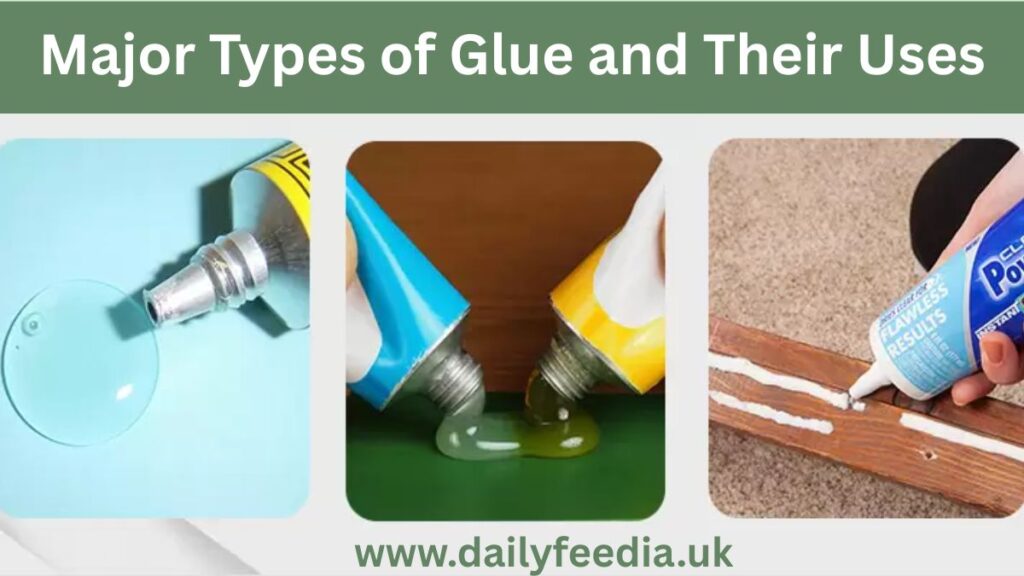
Across the United States many people work with different adhesives and each glue type behaves differently. If you pick water-based glue you’ll notice it’s safe, simple to clean and perfect for paper, cardboard and wood. These glues use water as the base and solidify once the moisture fades. They play an important role in schools, printing shops and light carpentry thanks to their clean bond and mild scent.
When you shift to heavier work you’ll encounter solvent-based glue. These adhesives use stronger liquids that evaporate quickly leaving a powerful bond behind. Workers in auto repair, construction and craft manufacturing use them for plastics, metals and rubber parts. Hot melt glue stands in the middle. It’s a common choice in factories where hot melt glue guns or hot melt glue machines apply melted adhesive that cools fast. Carpentry shops, packaging plants and retailers rely on quick-setting glues because they save time and reduce waste during the glue production steps.
How Natural Glues Are Manufactured in Modern Factories
Inside a modern plant the creation of natural glues begins with careful sorting of raw materials. Workers heat animal hides or bones to extract collagen which forms the base of natural glue production. The mixture moves through mixing and reaction tanks where heat softens the proteins into sticky fluid. Plant starch glues follow a similar path though the heating process activates the starch which becomes thick, smooth and ready for blending.
As the glue develops it passes into systems that remove air bubbles using the filtration and deaeration process. This step ensures that the glue spreads evenly and holds well. Manufacturers then add mild preservatives so the glue lasts longer on store shelves. These adhesives work well with paper, crafts and textile work because they’re natural and gentle. Many American industries use these glues for eco-friendly production and recyclable goods.
How Synthetic Glues Are Produced
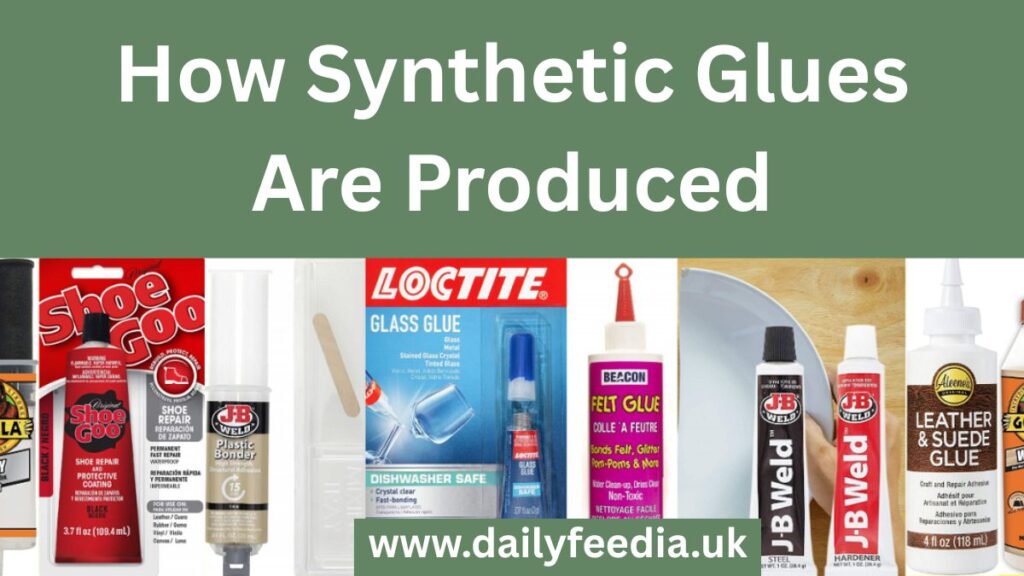
Synthetic adhesives rely on more advanced chemistry. Engineers design formulas that combine resins, polymers and modifiers to create consistent and dependable results. During synthetic glue production workers adjust heat and pressure inside the tanks to trigger polymerization in adhesive production. This reaction forms strong chains which become powerful bonding agents. These materials work well in home projects and large industries because they don’t break down easily.
Each type of synthetic glue has its own method. Water-based synthetic glues mix resin with water before adding stabilizers. Stronger solvent-based glue requires chemicals that dissolve polymers until they spread like liquid. Hot melt glue melts into soft pellets using heat then cools into small blocks ready for packaging. American factories rely on controlled systems and precise machines to keep everything consistent.
Step-by-Step Glue Manufacturing Process
If you track the full glue factory process you’ll see a clear series of steps that ensure stability and strength. First, workers gather materials and place them in secure storage where temperature matters a lot. The glue moves into tanks where technicians weigh each ingredient carefully. This step ensures accuracy because even small changes can affect the final bond. Once measured the glue enters high-speed blending systems that mix everything evenly.
After mixing the glue enters finishing stages where the pH level gets adjusted for stability. Some adhesives require heat treatment while others need cooling to stay uniform. The blend then moves to systems that remove air pockets before sampling begins. Engineers test the product using adhesive testing methods and check drying speed, thickness and overall performance. Once approved the glue goes to filling lines for final packaging.
Quality Control and Safety Standards in Glue Factories
Every American glue factory follows guidelines that protect both products and workers. Quality teams focus on bonding strength testing to measure how durable each batch is. They also check the drying rate which matters for construction, packaging and home use. These checks include temperature trials, stress tests and adhesive performance testing that ensure every bottle meets expectations. Chemical labs track pH, color, viscosity and long-term stability.
Worker safety is a major part of adhesive safety standards. Factories use protective systems, fresh air flow and shields around machines. They also follow the rules set by federal agencies which require clean work areas, ventilation fans and spill control systems. American plants work hard to reduce fumes using well-planned factory ventilation systems. They also handle leftovers properly through waste management in glue plants.
How Glue Is Packaged and Delivered to Industries
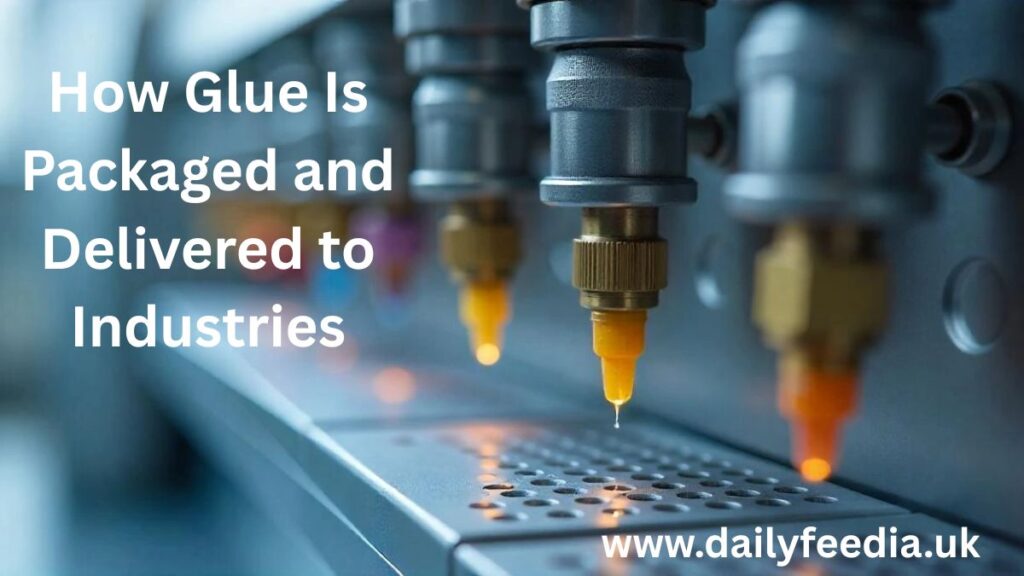
When the glue clears all tests it moves into packaging rooms. Factories use machines to fill bottles, tubes, drums and pellets depending on the type of adhesive. For liquid glues workers rely on systems that avoid contamination. The materials get labeled with safety instructions, usage methods and storage temperatures. Many American companies prefer strong packaging formats for adhesives that keep the product stable during transport.
Once packed the glue enters distribution channels. Trucks deliver products to hardware stores, factories, schools and retailers. Glue packaging involves safe sealing to prevent leaks. The journey also depends on weather because heat affects curing and drying time. Large US manufacturers use tracking systems to ensure fast delivery and consistent temperature conditions during transport.
Common Questions About Glue and Its Chemical Behavior
Americans often ask why glue sticks strongly to wood or plastic but doesn’t cling to the inside of its own bottle. The answer lies in the glue evaporation mechanism which activates only when air enters the process. Some glues don’t react until pressed between two surfaces. Waterproof glue works differently because it uses stable polymers that resist moisture even in kitchens and bathrooms. The strength of these bonds depends on adhesive strength and durability, humidity and material type.
People also ask how long glue lasts once opened. Shelf life changes depending on ingredients and storage, though most glues remain usable for many months. Extreme heat or cold reduces performance which is why proper storage matters in US homes and factories. Checking the label helps you pick the right product because choosing the right glue depends on material, drying time and load strength.
FAQ’S
What is the process of manufacturing glue?
Glue is made by mixing base ingredients like polymers or natural proteins with additives that control strength, thickness, and drying time. The mixture goes through heating, blending, filtering, and quality testing before it’s packaged for use.
What is glue made out of?
Glue can be made from natural sources like collagen, starch, or plant gums or from synthetic materials such as PVA, EVA, and other polymer resins. Each formula is designed to create strong bonding and long-lasting adhesion.
What are the raw materials for the production of glue?
Raw materials include polymers, resins, water, solvents, tackifiers, stabilizers, and sometimes natural proteins from animals or plants. Factories choose ingredients depending on the type and purpose of the adhesive.
How is bone glue made?
Bone glue comes from collagen found in animal bones. The bones are cleaned, boiled, and processed into a thick gelatinous liquid that’s dried and ground into flakes, which dissolve into a strong adhesive when heated with water.