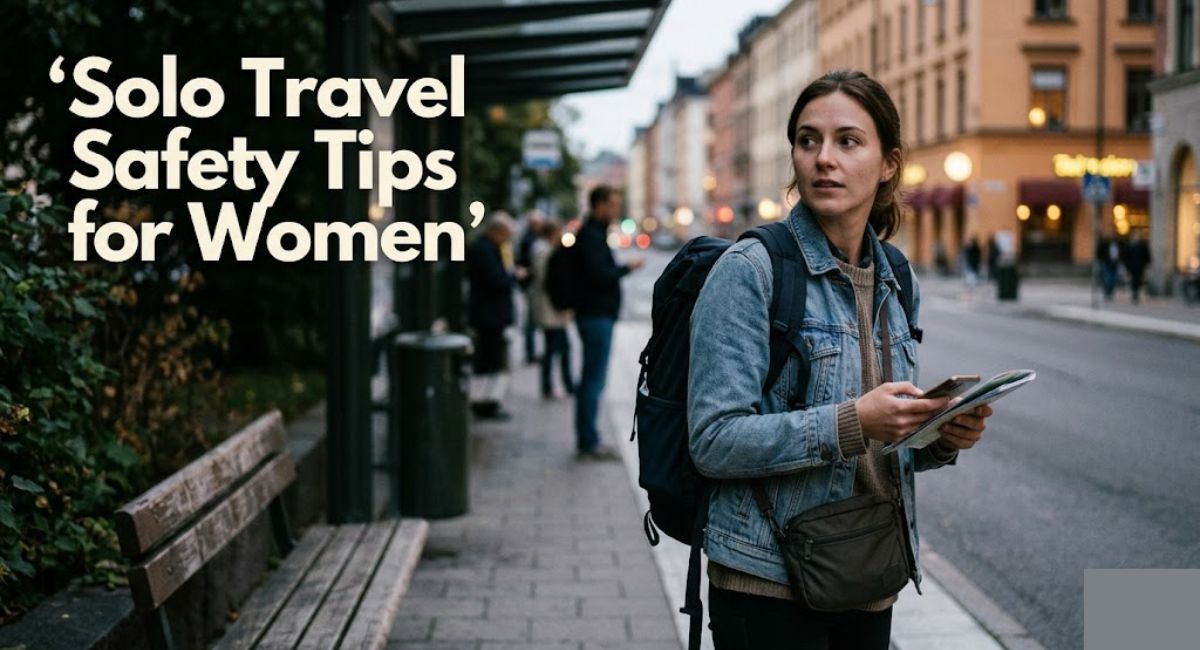
Solo travel safety tips for women have never been more important or more searched. Every year, millions of women pack their bags and head out into the world alone. Some are seasoned travelers. Others are terrified first-timers who booked the trip before they could talk themselves out of it. Either way, they all have one thing in common: they want to feel prepared.
Booking that solo trip is the easy part. The harder part is quieting the voice in your head that asks, “But is it safe?”
The honest answer: it depends on where you’re going, how you prepare, and the decisions you make on the ground. The good news is that most of those decisions are completely within your control.
This guide isn’t here to scare you or drown you in generic advice you’ve already heard. It’s a practical, experience-backed resource for women who want to travel alone confidently, whether it’s your first solo trip or your fifteenth.
Before You Even Pack: Solo Travel Safety Tips for Women Who Dare to Explore
Most safety mistakes happen before a woman ever boards the plane. The prep stage is where you set yourself up to feel and actually be more secure the whole trip.
Research Beyond the Highlights
Every destination has a tourist-friendly face and a behind-the-scenes reality. Look beyond travel blogs that gush about scenery. Check your government’s official travel advisory (the U.S. State Department, the UK’s FCDO, or whichever applies to you). Then cross-reference with recent traveler accounts on Reddit’s r/solotravel or Facebook groups for solo female travelers.
Pay attention to neighborhood-level safety, not just country-level. A city might be perfectly manageable overall, but certain districts after dark are a different story.
Register Your Trip
If you’re traveling internationally, register with your country’s embassy or consulate. For Americans, that’s the Smart Traveler Enrollment Program (STEP) at step.state.gov. It’s free, takes five minutes, and means officials can reach you during emergencies including natural disasters, civil unrest, and family crises.
Share Your Itinerary Smartly
Give a trusted person at home your full itinerary: flight details, accommodation names and addresses, and a rough day-by-day plan. A daily “I’m alive” message via WhatsApp costs nothing and gives everyone peace of mind.
One important nuance: don’t share your real-time location publicly on social media. Post your photos after you’ve left a location, not while you’re still there.
Get Travel Insurance — This Is Non-Negotiable
Many solo female travelers skip this until something goes wrong. A solid policy covers medical emergencies, trip cancellations, lost luggage, and sometimes emergency evacuation. Popular options include World Nomads (great for adventurous travelers), SafetyWing (budget-friendly, popular with long-term travelers), and Allianz Travel. Read the fine print before buying.
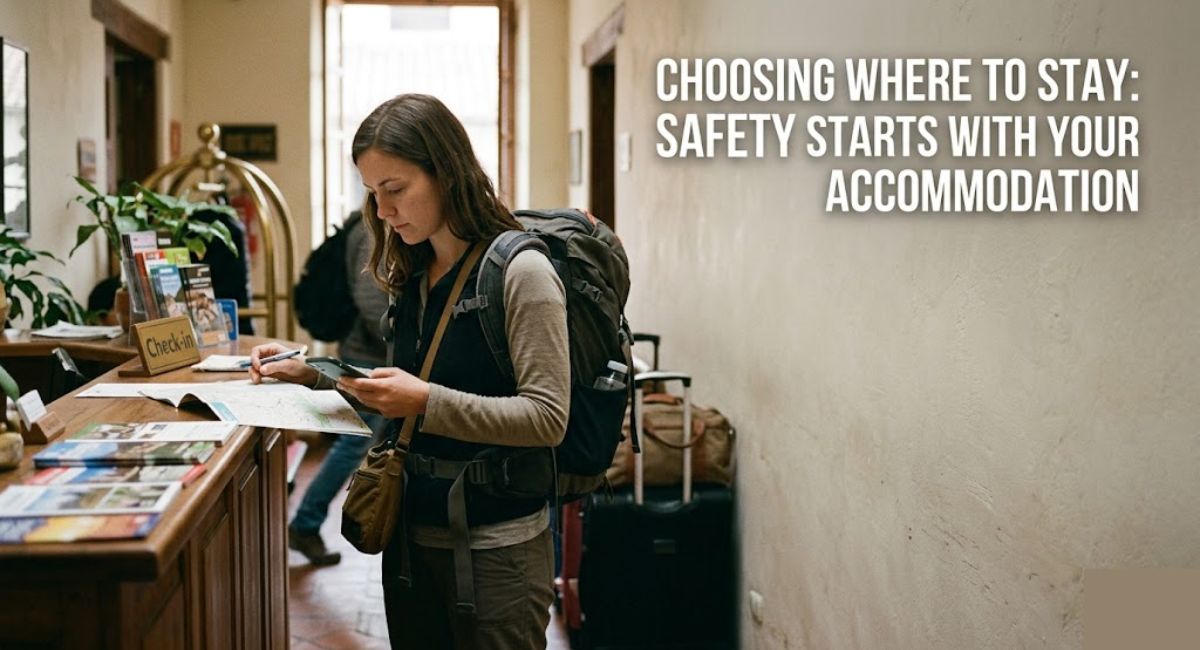
Choosing Where to Stay: Safety Starts With Your Accommodation
Your accommodation isn’t just where you sleep. It’s your home base, your safe retreat, and sometimes the difference between a great trip and a stressful one.
Read Reviews Written by Women
When browsing Booking.com, Hostelworld, or Airbnb, search review text for words like “solo,” “safe,” or “comfortable.” A place with 4.8 stars can still have reviews from female travelers mentioning uncomfortable staff or poor locks, and those details matter a lot when you’re alone.
Prioritize Location Over Price
A cheap hostel in a sketchy neighborhood is never actually a bargain. Staying centrally, near public transport, well-lit streets, and restaurants costs more but gives you the freedom to move around without worry. You can save money in other ways.
Inspect Your Room on Arrival
Before you unpack, check whether the door and window locks work properly. Look for any suspicious devices that seem out of place, including unusual smoke detectors or alarm clocks. Check for a deadbolt or security chain. If anything feels off, ask to change rooms. You owe no one a polite silence about your own safety.
A few other accommodation tips worth knowing:
- Women-only hostel dorms exist in many popular destinations and are worth considering for first-time solo travelers
- Boutique guesthouses often offer a more personal, watchful environment than large chain hotels
- If using Airbnb, look for Superhosts with hundreds of reviews and read the most recent ones first
Street Smarts: How to Move Through a New Place Confidently
Being street smart isn’t about being paranoid. It’s about being switched on. Most petty crime targets opportunity and distraction. When you look aware and confident, you’re a much harder target.
The Confidence Walk
Walk like you know exactly where you’re going, even when you don’t. Head up, pace purposeful, phone down. Looking lost or buried in Google Maps on a busy street is an open invitation. Study your route before leaving the hotel. Screenshot the map so you’re not dependent on data.
Trust Your Gut
Your instincts are a security system that took years to calibrate. If a person gives you a weird feeling, or a situation feels off, leave. You don’t owe anyone an explanation. Women often override their gut instincts to avoid being “rude.” That instinct exists for a reason; honor it.
Blend In Where You Can
Dressing like a tourist, camera out and map in hand, makes you a target in busy markets and tourist areas. Research the local dress code before you go. In more conservative countries, covering your shoulders and knees isn’t just respectful, it genuinely reduces unwanted attention.
Be Selective With Alcohol
Solo travel and nightlife can mix fine, but staying sharp matters more when there’s no one watching your back. Never leave your drink unattended. Know how you’re getting home before you start drinking, not after.
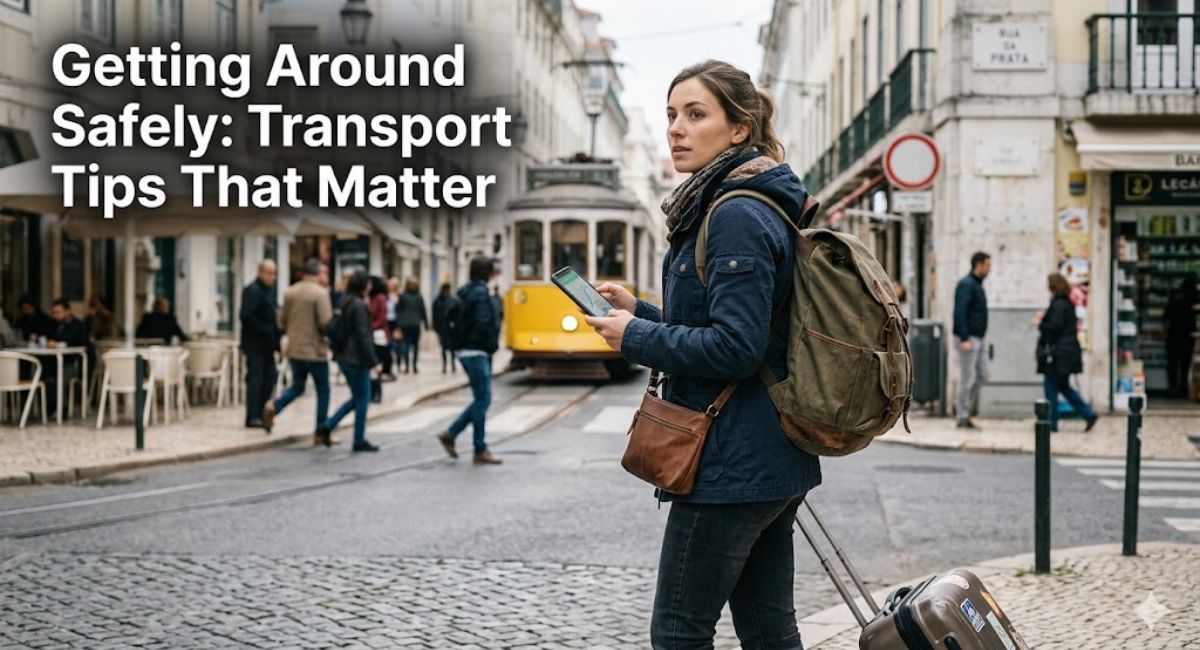
Getting Around Safely: Transport Tips That Matter
Transportation is where a lot of uncomfortable situations happen for solo female travelers. A few consistent habits significantly reduce that risk.
Use App-Based Ride Services When Possible
Uber, Bolt, Grab and Careem, depending on your destination, are almost always safer than hailing a random taxi off the street. You have a digital record of your driver’s name, vehicle, and route. You can share that live trip with a contact at home. The accountability alone deters most bad actors.
Always confirm the driver’s name and license plate before getting in. Don’t assume just because a car pulls up.
Arrange Airport Transfers in Advance
Arriving at a new airport, tired and jet-lagged, surrounded by unofficial “taxi” offers is one of the highest-risk moments of any solo trip. Book your transfer before you land through your hotel, a reputable car service, or a pre-booked app ride. Know exactly who you’re looking for and where to meet them.
On Public Transport
- Sit near other women or in busy carriages
- Keep your bag on your lap or between your feet, never on the seat beside you
- Be aware of overly friendly strangers who sit too close or push personal conversation
- Know the name of your stop before boarding so you’re not scrambling at the last second
Tech and Tools That Actually Help
The right tools don’t replace good judgment, but they add a meaningful layer of security, especially in unfamiliar places.
Safety apps worth having:
- bSafe lets contacts track your location in real time and has a fake call feature and SOS alarm
- Life360 offers straightforward location sharing with family or friends back home
- Google Maps offline lets you download your destination map before you arrive so you have navigation without data
- Tourlina connects solo female travelers with each other for meet-ups
Useful gear to pack:
- A personal safety alarm that is small, loud, attaches to a keychain, and draws immediate attention
- A doorstop alarm for your hotel room that wedges under the door and sounds if pushed open
- A portable phone charger because being stranded with a dead phone is a safety issue, not just an inconvenience
- A money belt or hidden pouch for your passport, spare cash, and backup card
One note: pepper spray and tasers are illegal or restricted in many countries. Always check local laws before packing them and never put them in carry-on luggage.
Handling Harassment: What to Do When It Happens
Let’s be direct: harassment of solo female travelers happens. It’s not your fault, and it’s not something you caused. Knowing how to respond calmly gives you far more power than pretending it won’t occur.
For low-level harassment including catcalling, persistent touts, and unwanted comments, the most effective response is often zero response. Don’t engage, don’t argue, don’t explain. Walk purposefully toward a shop, a group of people, or a public space.
If someone is following you or invading your space, a firm and loud “Stop” or “No” in the local language works in most places. It draws attention, and attention is the last thing harassers want. Don’t be afraid to make a scene for your own safety.
If you feel genuinely threatened, walk into the nearest busy shop, restaurant, or hotel lobby and tell a staff member you feel unsafe. Ask them to help you get a reputable taxi. Most people, everywhere in the world, will help a woman who says she’s in trouble.
Connecting With People Without Compromising Your Safety
One of the biggest myths about solo travel is that you’ll be lonely the whole time. You won’t. The solo traveler community is real, active, and genuinely welcoming.
Walking tours, cooking classes, yoga retreats, and language exchanges are brilliant ways to meet people organically without the pressure of a bar setting. Facebook groups like Girls LOVE Travel and Solo Female Travelers have millions of members sharing destination-specific advice, meet-up opportunities, and real-time safety updates.
If you decide to meet someone you’ve connected with online, meet in a public place first. Tell someone where you’re going. And trust your instincts when you actually meet them in person, not just based on their online profile.
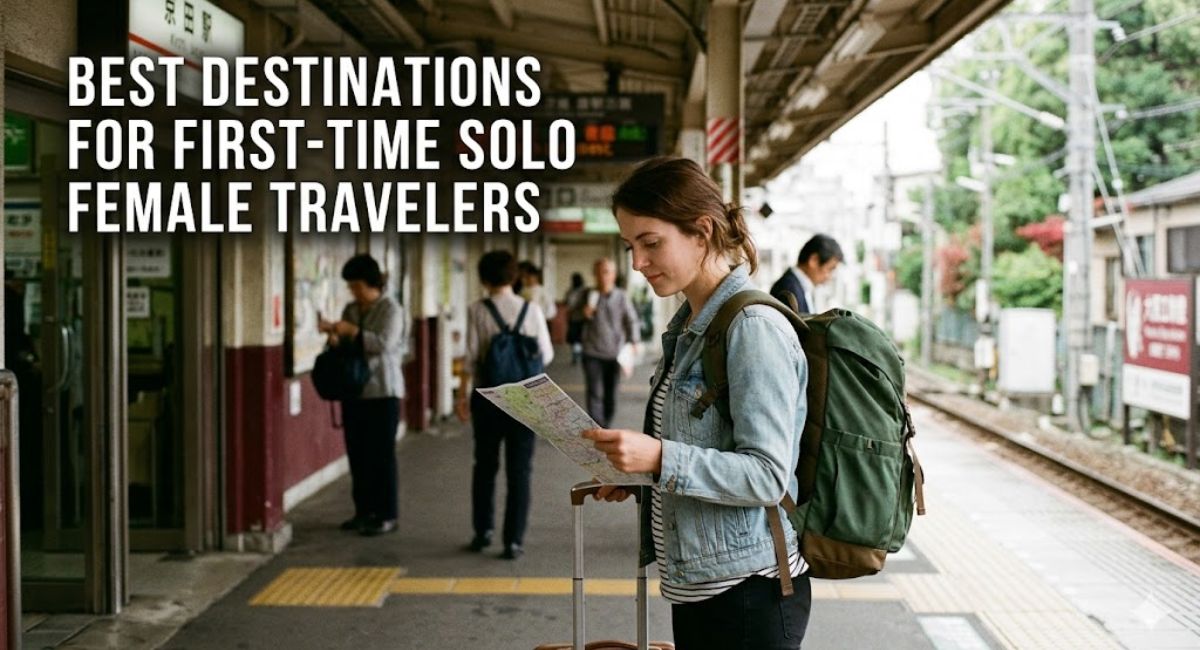
Best Destinations for First-Time Solo Female Travelers
If you’re new to solo travel, starting somewhere with strong tourist infrastructure and low crime makes the whole learning curve gentler:
- Japan is consistently rated among the safest countries in the world with exceptional public transport, low crime, and helpful locals
- Portugal is walkable, friendly, and widely English-speaking, making it ideal for first-timers
- Iceland is extremely safe with stunning landscapes and a strong culture of gender equality
- New Zealand is English-speaking with great infrastructure and a well-established backpacker scene
- Thailand is hugely popular with solo female travelers and offers an affordable, vibrant experience with a well-worn solo travel trail
Starting somewhere manageable builds your confidence before you tackle more complex destinations.
Things Most Solo Travel Guides Won’t Tell You
Your mental health matters as much as your physical safety. Solo travel can feel lonely or overwhelming, especially on a bad day in an unfamiliar place. Build in downtime. It’s completely okay to spend a day in your room recharging. Have a playlist, a book, or a comfort show , something that feels like home when you need it.
Carbon monoxide is a real risk. Especially in budget accommodation in certain countries. A small portable CO detector costs under $20 and has saved lives. It’s one of the most underrated items you can pack.
Know the emergency numbers before you need them. Save the local police number, ambulance, and your embassy’s emergency line in your phone before you arrive. You don’t want to be Googling them mid-crisis.
Women look out for each other out there. If you’re in a dicey situation, find another woman in a shop, a café, anywhere, and ask for help. The solo female travel community has an unspoken code of looking after each other. Lean into it.
Frequently Asked Questions
What are some safety tips for women to travel alone? Always research your destination before arriving, share your itinerary with someone you trust, and stay in well-reviewed accommodations in central locations. Use app-based rideshares instead of random taxis, trust your gut when something feels off, and keep a charged phone with emergency numbers saved.
How to protect yourself when traveling alone? Carry a personal safety alarm, avoid sharing your solo status with strangers, and walk confidently like you know where you’re going. Stay aware of your surroundings, never leave your drink unattended, and always have a backup plan for getting back to your accommodation safely.
Where is it safe for females to travel alone? Japan, Iceland, Portugal, New Zealand, and Ireland are consistently ranked among the safest destinations for solo female travelers. In Asia, Singapore and Taiwan are excellent choices, while Thailand remains one of the most popular and well-established solo female travel destinations worldwide.
What are your top 10 travel tips? Research neighborhoods before booking, get travel insurance, register with your embassy, share your itinerary, use app-based rideshares, inspect your room on arrival, download offline maps, carry a safety alarm, trust your instincts, and connect with solo female travel communities online before your trip.
What apps are most useful for solo female travelers? Google Maps offline, bSafe, Life360, WhatsApp for check-ins, and Tourlina for meeting other solo female travelers. Is Airbnb safe for solo female travelers? Generally yes, with precautions. Stick to Superhosts with hundreds of reviews, read reviews by women, and check locks when you