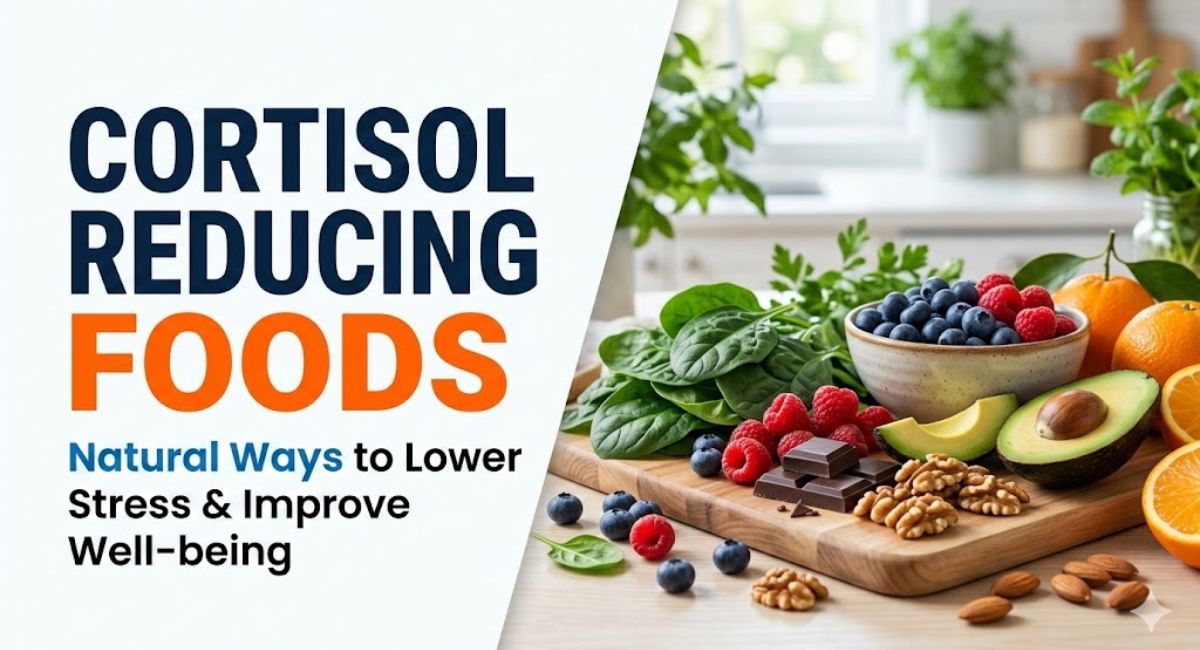
Cortisol reducing foods, stress hormones diet, and foods that lower cortisol naturally are among the most searched wellness topics today and for good reason. When chronic stress takes over, what you eat becomes one of the most practical tools you have to bring your body back into balance.
Cortisol gets a bad reputation, but it is not inherently your enemy. Your body needs it to wake up in the morning, respond to a threat, or push through an intense workout. The real problem starts when cortisol stays elevated for days, weeks, or months, which is exactly what chronic stress does to you.
When that happens, you may notice stubborn belly fat, disrupted sleep, constant fatigue, or mood swings that feel out of proportion. What most people do not realize is that the food on your plate can either fuel this cycle or help break it.
This article covers the most effective cortisol reducing foods, why they work, what most people get wrong, and how to actually build them into daily meals without turning your diet into a science project.
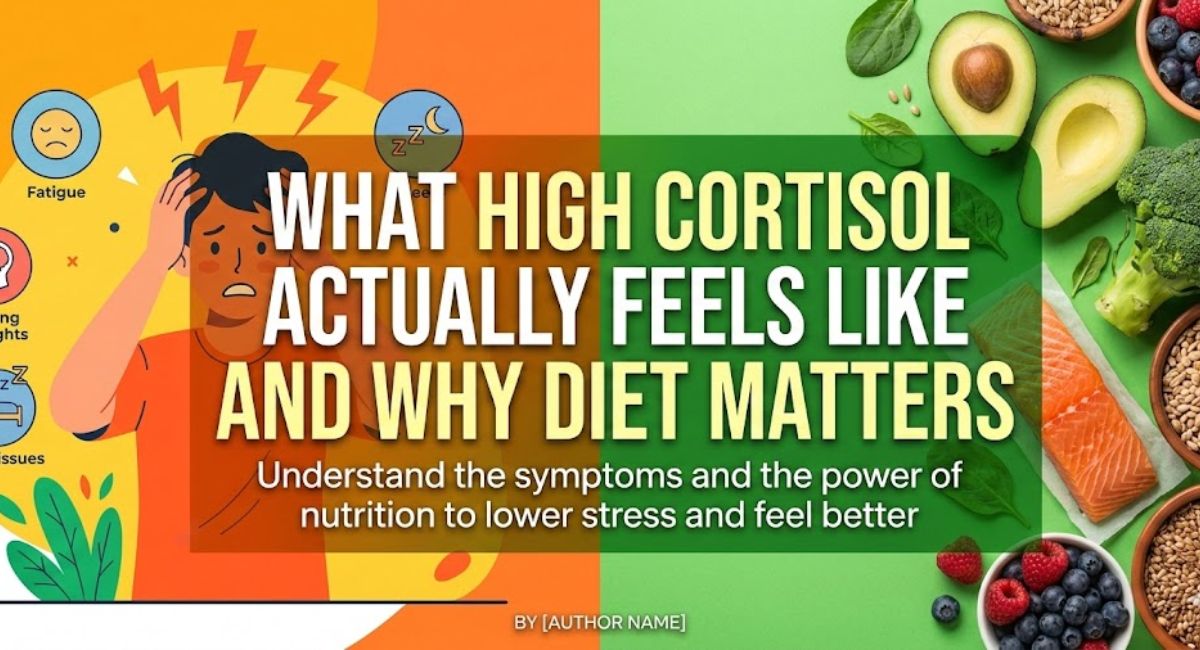
What High Cortisol Actually Feels Like and Why Diet Matters
Most people associate stress with a mental or emotional feeling. But cortisol is a hormone produced by the adrenal glands that supports vital functions like fighting infection, maintaining blood pressure, controlling blood sugar, and providing energy.
When cortisol stays chronically elevated, it can slow your metabolism, trigger cravings for sugary and fatty foods, and lead to excess belly fat that feels impossible to lose.
No food can instantly reduce cortisol levels, but certain foods help support the systems in your body that regulate cortisol release, primarily by decreasing inflammation, balancing blood sugar, and supporting adrenal gland function.
That is the key insight most generic articles miss. It is not about eating a single superfood. It is about understanding which mechanisms are driving your cortisol up, and then choosing foods that address those specific pathways.
The Three Mechanisms Food Uses to Lower Cortisol
Before jumping into the food list, it helps to understand how diet and cortisol actually connect.
Inflammation: Chronic inflammation is both a cause and a consequence of high cortisol. Anti-inflammatory foods interrupt this loop.
Blood sugar stability: Every time your blood sugar crashes, your body releases cortisol to compensate. Pairing carbs with fat, protein, or fiber prevents those crashes.
Adrenal support: Your adrenal glands need key micronutrients to function properly, including vitamin C, magnesium, B vitamins, and zinc. Without them, your stress response becomes dysregulated.
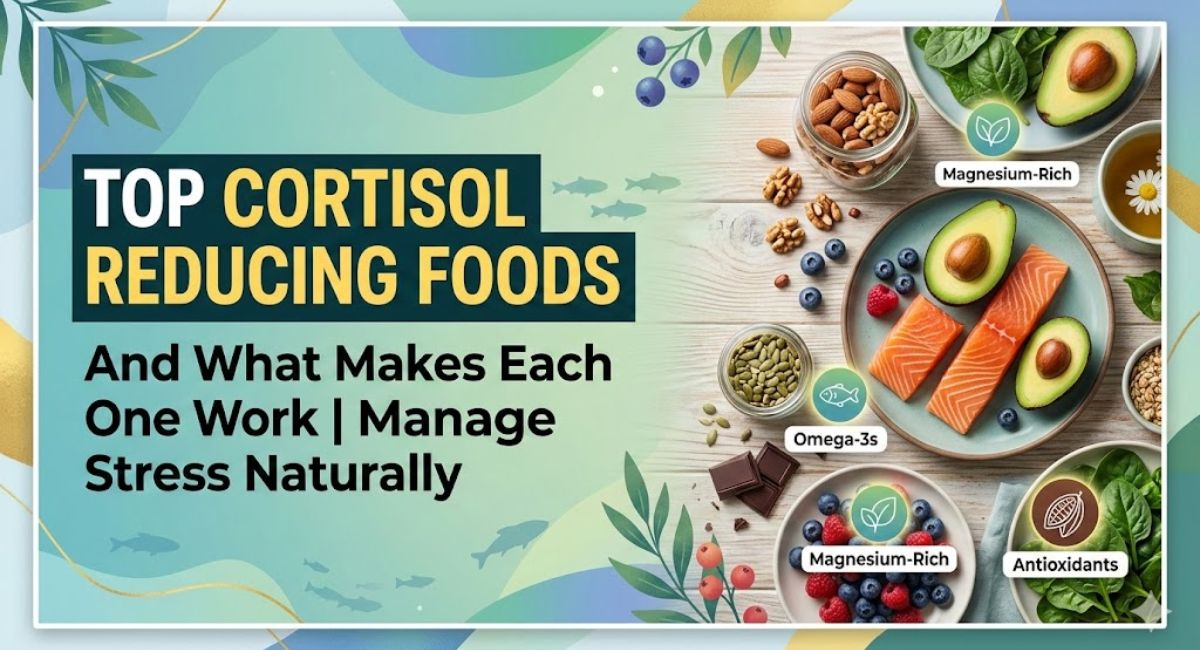
Top Cortisol Reducing Foods and What Makes Each One Work
1. Fatty Fish (Salmon, Mackerel, Sardines)
Salmon is a rich source of omega-3 fatty acids, which are anti-inflammatory, help relax the muscles, and reduce cortisol production, helping to prevent chronic conditions such as cardiovascular disease and high blood pressure.
The practical note here: wild-caught is generally preferred over farmed for a higher omega-3 to omega-6 ratio, but even canned sardines a few times a week can make a noticeable difference. Many people overlook sardines entirely. They are one of the most affordable and nutrient-dense options available.
2. Dark Chocolate (70%+ Cocoa)
This one surprises people, but the research is solid. Daily consumption of dark chocolate can reduce cortisol levels in highly stressed people. Studies found that eating around 40 to 45 grams of dark chocolate every day for two weeks lowered stress hormones. Milk and white chocolate do not have the same effect.
Cocoa flavanols have been shown to potentially lower blood pressure, improve mood, enhance gut microbiome diversity, and reduce cortisol levels.
One thing to watch is portion size. A square or two after lunch is the sweet spot. Eating half a bar because it is healthy still overloads you with calories and sugar.
3. Avocado
Avocados are rich in nutrients like B vitamins, vitamins C and E, and magnesium, all of which help balance out the side effects of cortisol. Lab research suggests that the unsaturated fats in avocado oil can protect nerve cells from damage due to high cortisol levels.
Avocado also pairs well with toast or eggs in the morning, which is relevant because breakfast is when cortisol naturally peaks. Starting the day with a blood-sugar-stabilizing, fat-rich meal is one of the most underrated stress management strategies.
4. Leafy Greens (Spinach, Kale, Arugula)
Dark leafy greens are full of B vitamins like folate, which can reduce the impact of stress on the body. One study showed that people who took a vitamin B complex supplement had improved mood and felt less stressed.
Getting your B vitamins from food rather than supplements tends to work better because they come packaged with other synergistic nutrients. A handful of spinach in a smoothie, or arugula tossed into pasta, is enough to make a consistent difference.
5. Bananas
Bananas are a rich source of magnesium, a nutrient critical for healthy blood pressure, normal cortisol levels, and restful sleep. They also contain tryptophan, which is a precursor to serotonin, a neurotransmitter that plays an important role in mood. Studies on competitive cyclists found that eating bananas after intense exercise reduced cortisol and overall inflammation.
The magnesium angle is particularly important because deficiency is extremely common and directly impairs the body’s ability to regulate cortisol.
6. Fermented Foods (Yogurt, Kefir, Kimchi, Sauerkraut)
Research has shown a strong relationship between a healthy gut microbiome and improved mental health, and consuming probiotic-rich foods like yogurt, sauerkraut, and kimchi may help reduce stress and anxiety.
The gut-brain axis is a real and well-studied pathway. When gut bacteria are out of balance, inflammatory signals travel upward and keep the stress response activated. Adding fermented foods to even a few meals per week gradually shifts that balance. Plain Greek yogurt is the easiest entry point.
7. Green Tea
Green tea contains catechins, other polyphenols, and a calming compound known as L-theanine, which has been linked to reduced stress and increased mental alertness.
The L-theanine effect is real but subtle. It promotes a calm, focused state without sedation. Replacing your second or third cup of coffee with green tea is one of the most practical swaps you can make, since caffeine consumed late in the day raises cortisol and disrupts sleep.
8. Mushrooms
Compounds called beta-glucans found in mushrooms can help lower cortisol levels. A study of 18 healthy men found that consuming an extract from a beta-glucan-rich mushroom significantly lowered cortisol production, especially after exercising.
Regular button mushrooms, shiitake, and maitake all contain beta-glucans. Stir-frying mushrooms into eggs or adding them to soups is a simple way to increase your intake without any complicated recipes.
What Most People Get Wrong About Cortisol and Food
A common mistake is treating cortisol reducing foods as a replacement for addressing the actual stressor. If you are sleeping five hours a night, eating dark chocolate and salmon will not move the needle much.
These foods may help reduce cortisol levels but will not have a significant impact on their own if you are not prioritizing stress management in other ways. The key is a whole-body approach that includes exercising, getting enough sleep, and managing chronic conditions like diabetes, hypertension, and obesity, all of which can put your body in a prolonged state of inflammation.
Another overlooked point is that what you remove from your diet matters just as much as what you add. A diet high in added sugar, refined grains, and saturated fat leads to significantly higher cortisol levels than a diet built around whole grains, fruits, vegetables, and polyunsaturated fats.
Many people also drastically undereat during stressful periods, skipping meals and surviving on coffee. This is counterproductive. Every blood sugar crash is a cortisol spike.
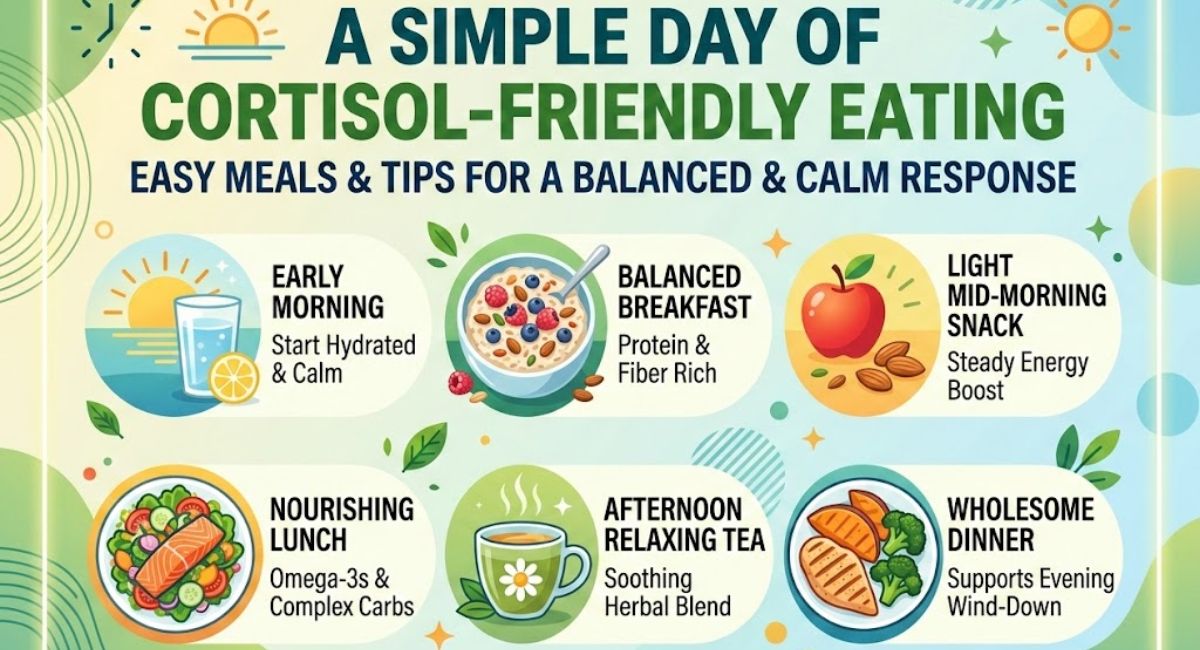
A Simple Day of Cortisol-Friendly Eating
You do not need to overhaul everything. Here is what a straightforward, practical day could look like.
Breakfast: Greek yogurt with blueberries, a banana, and a tablespoon of almond butter
Lunch: Salmon salad with arugula, avocado, olive oil, and lemon
Snack: A square or two of dark chocolate and a handful of walnuts
Dinner: Stir-fried mushrooms and spinach with brown rice and grilled mackerel
Drink: Green tea in the afternoon instead of a second coffee
This is not a rigid plan. It is a framework for getting the key nutrients such as magnesium, omega-3s, B vitamins, polyphenols, and probiotics into your day without overthinking it.
FAQs
How can I lower my cortisol levels quickly? Focus on deep breathing, a short walk, or eating a magnesium-rich snack like a banana or handful of nuts. These won’t eliminate cortisol instantly, but they activate your parasympathetic nervous system and bring levels down within 20 to 30 minutes.
How to get rid of cortisol belly? Cortisol belly shrinks when you consistently lower overall stress, sleep 7 to 8 hours, cut refined sugar, and eat anti-inflammatory foods like fatty fish and leafy greens. There is no shortcut — it responds to sustained lifestyle changes, not spot fixes.
Do eggs lower cortisol? Eggs are a solid support food. They are rich in choline, protein, and B vitamins, all of which help regulate mood and adrenal function. They won’t directly block cortisol, but starting your day with eggs helps stabilize blood sugar, which prevents cortisol spikes throughout the morning.
What is the best cortisol blocker? No single food or supplement acts as a true cortisol blocker, but ashwagandha is the most research-backed natural option, with studies showing it can meaningfully reduce cortisol over 8 weeks. Magnesium, L-theanine from green tea, and omega-3s from fatty fish also support healthy cortisol regulation when used consistently.
Is there a difference between cortisol reducing foods for men and women? The foods work similarly, but women tend to have a longer cortisol response to stress, while men usually experience a quicker, more intense spike. This means sustained dietary support may be particularly important for women dealing with chronic stress.
Conclusion
Cortisol reducing foods work through clear, research-backed pathways: reducing inflammation, stabilizing blood sugar, and supporting the adrenal glands. Fatty fish, leafy greens, avocado, dark chocolate, bananas, fermented foods, green tea, and mushrooms each contribute something specific, and used together, they create a meaningful nutritional foundation for managing stress naturally.
The biggest takeaway is not to treat this as a magic fix. These foods work best as part of a broader commitment to sleep, movement, and actually addressing the sources of chronic stress in your life. But starting with your plate is a genuinely practical first step, and one you can take at your next meal.