Hair color ideas for blondes are everywhere online, but most of what you find is either too vague to act on or written by someone who has clearly never stood in a salon. This guide is different. It’s built on real observation, practical experience, and an honest look at what works on blonde hair and what quietly fails.
Whether you’re a natural blonde, a bottle blonde, or somewhere in between, the advice here is meant to help you make smarter color decisions before you commit to anything.
Know Your Blonde Before You Change It
This is the step most guides skip entirely, and it’s the one that matters most.
Blonde hair is not one thing. Platinum, golden, strawberry, ashy, highlighted, or bleached all behave differently when color is applied. A platinum blonde going darker needs a filler step first. A golden blonde trying to go ashy needs toning before anything else. Treating all blonde hair the same is how people end up with green, orange, or muddy results they didn’t ask for.
Porosity is the other factor. Heavily processed blonde hair absorbs color fast and releases it just as quickly. If your hair has been bleached multiple times, color will look great on day one and noticeably faded by week three. Knowing this upfront changes how you choose and maintain your color.
Buttery Blonde Highlights
This is one of those hair color ideas for blondes that looks effortless but is actually quite precise. The base stays a warm, creamy blonde while brighter, near-white pieces are painted around the face. The goal is to direct brightness where natural light hits, which is the temples, the front sections, and just above the cheekbones.
It does not look overdone because it is not overdone. The contrast is subtle and strategic. People often describe it as looking sun-kissed, which is exactly the point.
Where people go wrong with this one is asking for too much brightness across the whole head. Once highlights become uniform, the dimensional effect disappears and you’re left with a flat, single-tone result. Keep the highlights concentrated at the front and let the rest stay richer.
Gloss treatments every six to eight weeks will keep the warmth from tipping into brass. That is the main maintenance ask with this one.
Bronde Lowlights for Depth Without Drama
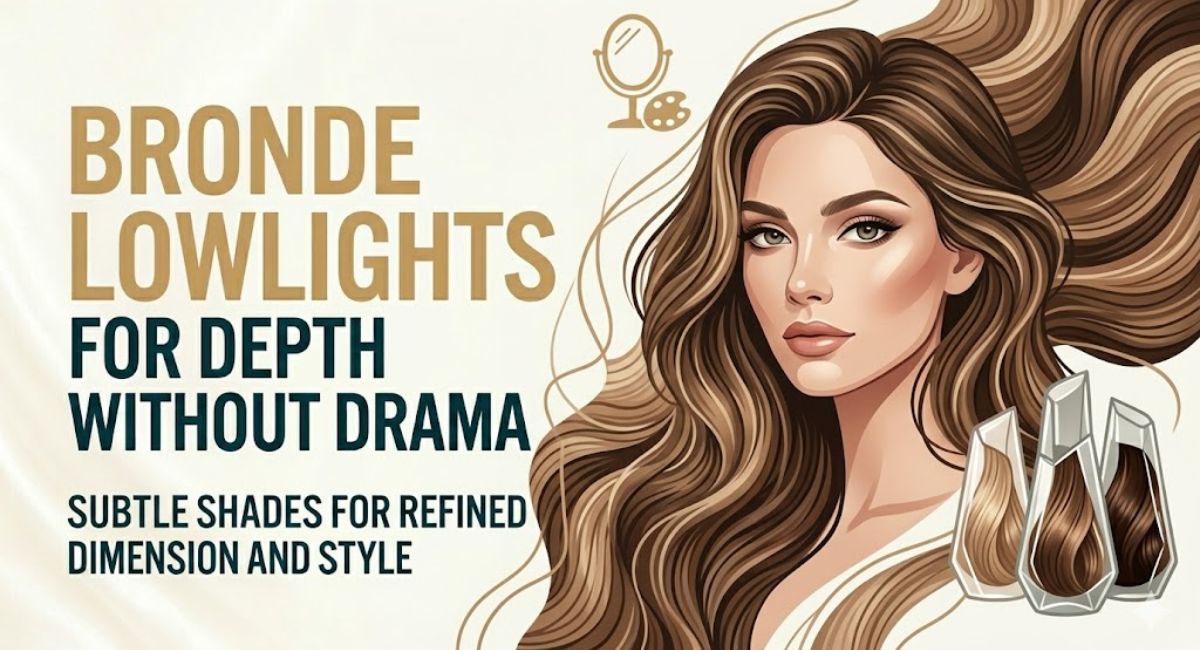
Bronde sits between blonde and brunette and the best versions look like hair that simply grew that way. Warm chestnut or caramel lowlights are painted through blonde using a balayage technique, adding shadow underneath while the top layers stay light.
The reason balayage works better than foil lowlights for this look is simple. Foils create uniform stripes. Balayage follows the natural way hair darkens near the scalp and lightens toward the ends. The blend is softer and the grow-out is forgiving.
This direction suits blondes who feel their current color is too one-dimensional or too high-maintenance. It adds richness without requiring you to go fully dark, and it grows out without harsh lines of demarcation. People in their 30s and 40s tend to find this reads as more polished than all-over blonde.
Hair health bonus: You’re adding color, not removing it. That means no bleach, no damage from lightening, and often an improvement in overall texture since color deposits can smooth the cuticle slightly.
Rose Gold Toning on Light Blonde
Rose gold works on blonde hair, but only on the right base and only if you understand what you are signing up for.
On platinum or level 9 blonde, a rose gold toner gives a warm, peachy-pink shimmer that is flattering in almost any light. In direct sunlight it glows. Indoors it reads as a warm golden tone with a hint of something unusual. It is a genuinely pretty result.
The honest part: it fades. By week three or four most people are back to their natural blonde with just a warmth remaining. That fade is often quite nice, but if you expected the rose gold to stick around, you will be disappointed. A color-depositing conditioner used once a week will extend the result noticeably.
Do not try this on golden or brassy blonde without toning to a pale base first. Yellow plus pink equals orange, and not the good kind. The prep step is not optional here.
Ash Blonde with a Shadow Root
A shadow root is a slightly darker shade applied at the root and blended softly into the lighter lengths below. No harsh line. No dramatic contrast. Just a gradual, natural-looking transition that makes grow-out look intentional.
Ash blonde with a cool brown or dark ash shadow root is one of the smartest hair color ideas for blondes who are tired of constant root touch-ups. It works with your natural root rather than against it, and it adds depth to what can sometimes be a flat, uniform blonde.
The blending is everything with this technique. If the shadow root is applied and left without proper melt-out, it looks like a root touch-up that stopped halfway. A good colorist will brush and blend the darker shade into the blonde so there is no visible line even as the hair grows.
If you have naturally dark roots and have been fighting them for years, this technique is essentially the solution you have been looking for.

Copper and Auburn Over Blonde
Blonde hair is pre-lightened, which means it accepts warm, red-based tones faster and more intensely than darker hair. Going copper or auburn on a blonde base gives a depth and richness that looks almost impossible to achieve intentionally.
The result shifts depending on the light. Indoors it reads auburn. In sunlight it can look almost fire-red or deep copper orange. It is one of the more striking transformations available without bleach, and it is underused.
Red and copper are the fastest fading color families. This is not a deterrent so much as a reality check. Washing with a color-depositing red or copper conditioner every other wash will slow the fade significantly. Avoid clarifying shampoos entirely during this period.
On ashy or cool-toned blonde, the copper can look slightly muted on first application. A warm pre-toner, sometimes called a filler, will help the color read brighter and more true to what you see on the swatch.
Lavender Toning on Platinum
Lavender toning is only for hair at a level 9 or above, meaning pale yellow to white. On anything darker, it reads gray or disappears entirely. On true platinum, it gives a soft, cool purple-white finish that is subtle during the day and more visible under certain lighting.
Most people use too much pigment and end up with an obviously purple result rather than a toned, dimensional one. Mixing your lavender toner with a clear conditioner before applying it gives you far more control. Start with a small amount of pigment and adjust rather than applying full-strength from the start.
The fade on this one is actually pleasant. Within two to three washes it softens to a silver-white that many people prefer over the original application. If you want ongoing lavender, you will need to reapply regularly, but the commitment level is lower than most other color directions because the base requires no additional lightening.
Mistakes That Are More Common Than They Should Be
Going darker without a filler step is the most frequent issue. Blonde hair lacks the warm pigment that dark color needs to hold onto. Without depositing a copper or reddish-orange base first, dark color fades within weeks or develops a greenish cast. It is a fixable mistake but an avoidable one.
Using box dye on highlighted hair is another. Box color is formulated for a single, uniform hair type. Highlighted hair has sections with very different levels of porosity sitting right next to each other. The color processes differently across those sections every single time.
Washing hair too soon after coloring is something people know and still do. The cuticle remains open for up to 48 hours after color application. Washing during that window pulls pigment out before it has had time to settle properly.
Color Options at a Glance
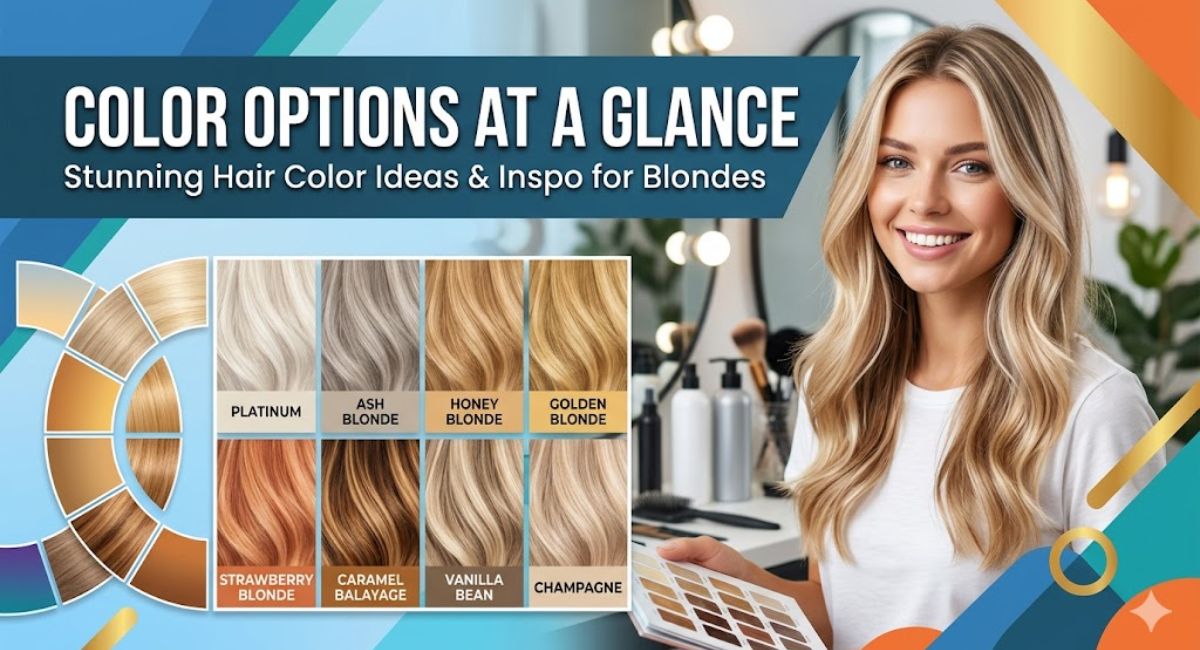
| Color Direction | Works Best For | Maintenance Level | Main Watch-Out |
| Buttery highlights | Warm skin tones | Moderate | Brassiness over time |
| Bronde lowlights | All skin tones | Low | Can look flat if overdone |
| Rose gold toning | Neutral or cool skin | High | Fades within weeks |
| Ash with shadow root | Darker natural roots | Low | Can look dull indoors |
| Copper or auburn | Warm skin tones | High | Fast fade |
| Lavender toning | Platinum base only | Moderate | Needs very light base |
FAQs
Can I go dark at home if I am currently blonde? You can, but skipping the filler step is a significant risk. Apply a warm copper or red-orange shade first, process it, then apply your dark color on top. This gives the dark pigment something to bond to and prevents the greenish fade that happens otherwise.
Why does my blonde keep going brassy so fast? Hard water is often the cause people overlook. Mineral deposits in the water bond to hair and accelerate warmth. A purple shampoo helps but does not fully address the root cause. If you are in an area with hard water, a shower filter makes a noticeable difference over time.
Is balayage actually better than foils, or is it just more popular? It depends on what result you want. Balayage gives a softer, blended, grow-out-friendly result. Foils give more precise, higher-contrast results. Neither is objectively better. Balayage is more forgiving for people who go long stretches between appointments.
How often can I bleach my hair without serious damage? Most colorists recommend waiting a minimum of four to six weeks between bleach sessions. Bond-building treatments used consistently between appointments, products like Olaplex No. 3 or K18 leave-in, reduce breakage risk significantly and allow hair to recover more fully.
Does toning actually damage blonde hair? Standard demi-permanent toners use a low volume developer and cause minimal damage. The real damage risk with toning comes from leaving it on longer than directed or using a stronger developer than needed. When done correctly, toning is one of the gentler things you can do to already-lightened hair.
Final Thoughts
Hair color ideas for blondes cover a wider range than most people realize, from subtle dimensional shifts to full warm or cool transformations. The ones that work well are always chosen based on the actual starting point, not just the inspiration photo. Your undertones, your hair’s condition, and how much upkeep you are genuinely willing to do should drive every color decision you make.
The biggest takeaway is simple: preparation and realistic expectations matter more than the color itself. A beautifully chosen shade on poorly prepped hair will always disappoint. Take the time to get your hair in good condition first, understand what your base can realistically achieve, and the result will hold up far longer than you expect.