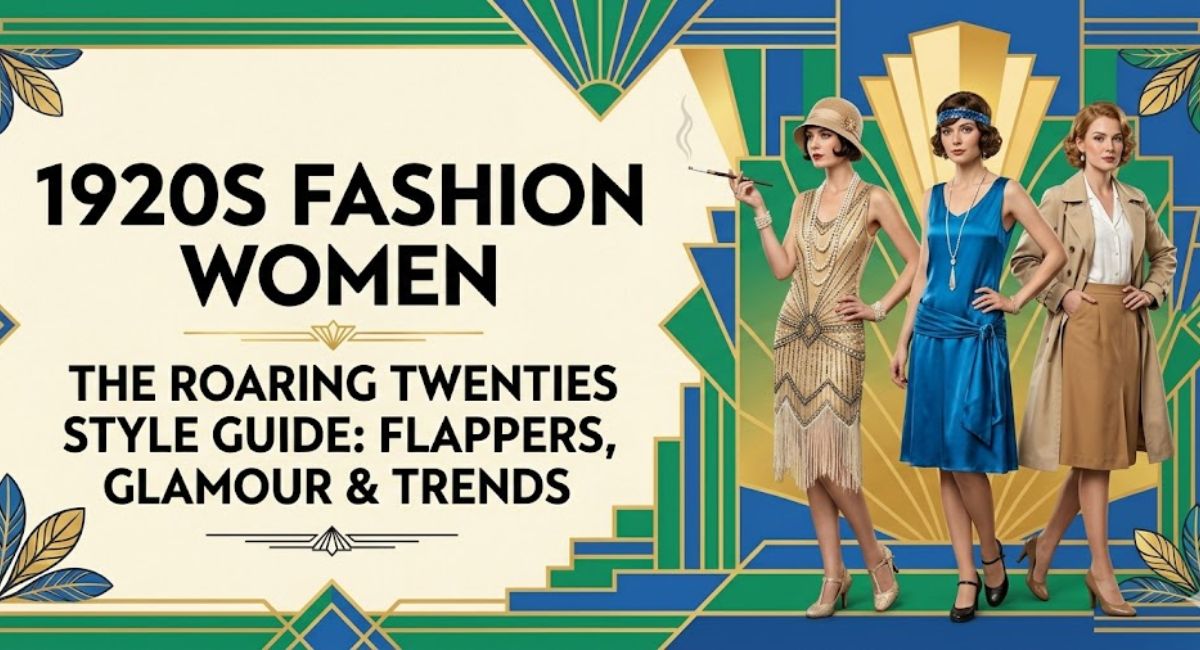
1920s fashion women represented one of the boldest shifts in clothing history. What happened between 1920 and 1929 was not just a change in hemlines. It was a full cultural revolution worn on the body. Women cut their hair, dropped their hemlines to the knee, and walked away from the corset for good. They were not just changing what they wore. They were changing who they were allowed to be.
Before this decade, women dressed to please a silhouette that society demanded. Tight waists, floor length skirts, heavy fabrics. Then the war ended, the jazz clubs opened, and something shifted permanently. Women who had worked, voted, and survived were not going back to restriction. The fashion that followed was their answer to that freedom, and it still echoes on runways more than a hundred years later.
Why 1920s Fashion Women Was Different From Anything Before It
Before the 1920s, women’s clothing was designed to restrict. Tight corsets, floor-length skirts, and heavy fabrics defined femininity in a suffocating way. Then World War I ended, the economy boomed, jazz clubs filled with energy, and women who had worked in factories during the war refused to go back to being decorative.
1920s fashion women embraced was not accidental. It was intentional rebellion wrapped in silk and fringe.
The silhouette changed completely. Gone was the hourglass shape forced by corsets. The new ideal was straight, slim, and boyish. Dropped waists, flat chests, and loose fits became the standard of elegance.
The Flapper: The Face of 1920s Women’s Fashion
No conversation about 1920s fashion women wore is complete without talking about the flapper. This was not just a clothing style. It was a lifestyle and an attitude.
Flappers wore:
- Short dresses that hit at or just below the knee
- Loose, unstructured silhouettes with no defined waist
- Heavy beading and fringe that moved while dancing
- Headbands and cloche hats pulled low over bobbed hair
- Long pearl necklaces layered multiple times
- T-strap heels or Mary Jane shoes
The flapper look was designed for movement. Women were dancing the Charleston, the Foxtrot, and the Lindy Hop. Their clothing had to keep up.
Not every woman in the 1920s was a flapper, though. This is something many articles miss. Flappers were mostly young, urban, and relatively wealthy. Everyday working women and rural women dressed more conservatively, though they still adopted elements of the new, lighter silhouette over time.
Key Clothing Pieces in 1920s Women’s Fashion
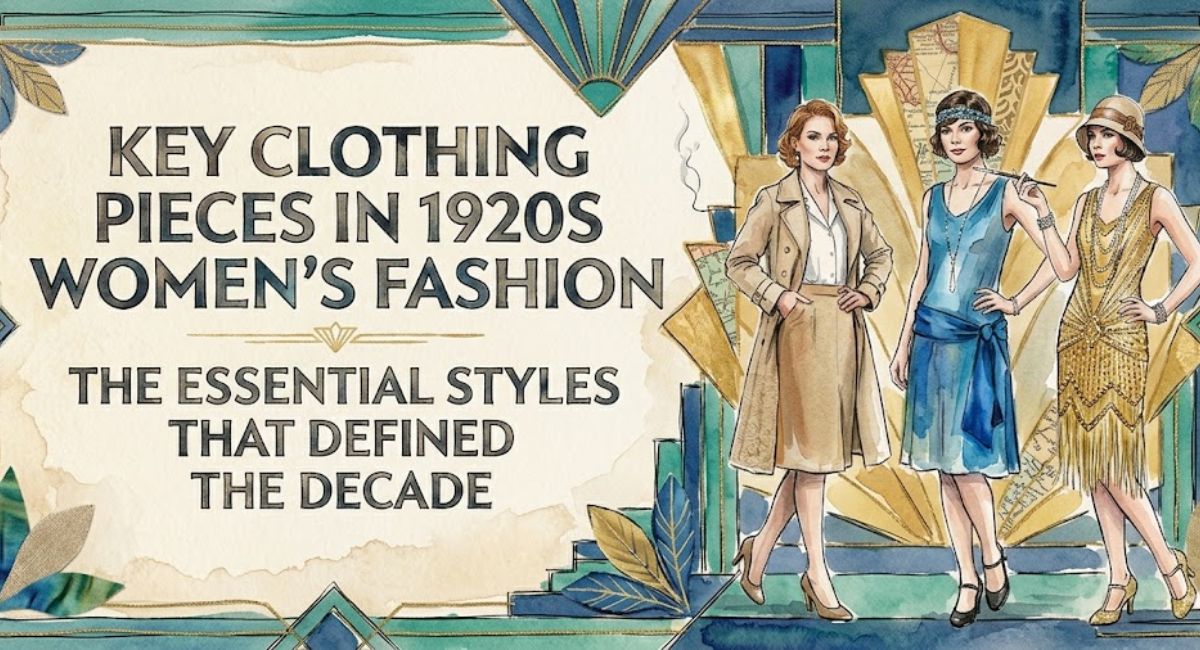
The Drop Waist Dress
This is perhaps the most recognizable piece of 1920s fashion women styled regularly. The waistline sat at the hips rather than the natural waist, creating a long, straight line from shoulder to thigh. Fabrics included chiffon, silk crepe, and velvet for evening wear, and cotton or linen for daytime.
The Chemise
The chemise was a simple, sleeveless or short sleeved shift dress. It was practical, affordable, and widely worn. Department stores began mass producing versions, which meant 1920s fashion women of middle class backgrounds could participate in the new style without expensive custom tailoring.
Evening Gowns
For formal occasions, 1920s women’s fashion went luxurious. Beaded gowns in black, gold, silver, and deep jewel tones were covered in intricate embroidery and sequins. Designers like Coco Chanel, Madeleine Vionnet, and Jeanne Lanvin led the way. These gowns often had low backs, sheer panels, and dramatic embellishment.
The Sports Suit
Another often overlooked element of 1920s women’s fashion was sportswear. As women took up tennis, golf, and swimming more openly, practical clothing followed. Knit cardigans, wide leg trousers, and pleated skirts for sport became part of mainstream wardrobes.
Colors and Fabrics That Defined the Era
1920s fashion women gravitated toward was surprisingly bold in color for the time. Black became a fashionable choice after Coco Chanel released her “little black dress” in 1926, a concept that fashion editors at the time called the Ford of dresses because it was universal and accessible.
Other popular colors included:
- Gold and silver for evening
- Dusty rose and lavender for day dresses
- Deep emerald, sapphire blue, and burgundy for autumn and winter
- Cream and pale yellow for summer
Fabrics shifted from heavy Victorian wool and taffeta to lighter, more fluid options. Silk charmeuse, chiffon, georgette, and velvet were popular. Beaded fabric was used extensively for party wear. Art Deco patterns, geometric shapes, and oriental influences from Japanese and Chinese textiles also appeared across 1920s women’s clothing.
Accessories in 1920s Women’s Fashion
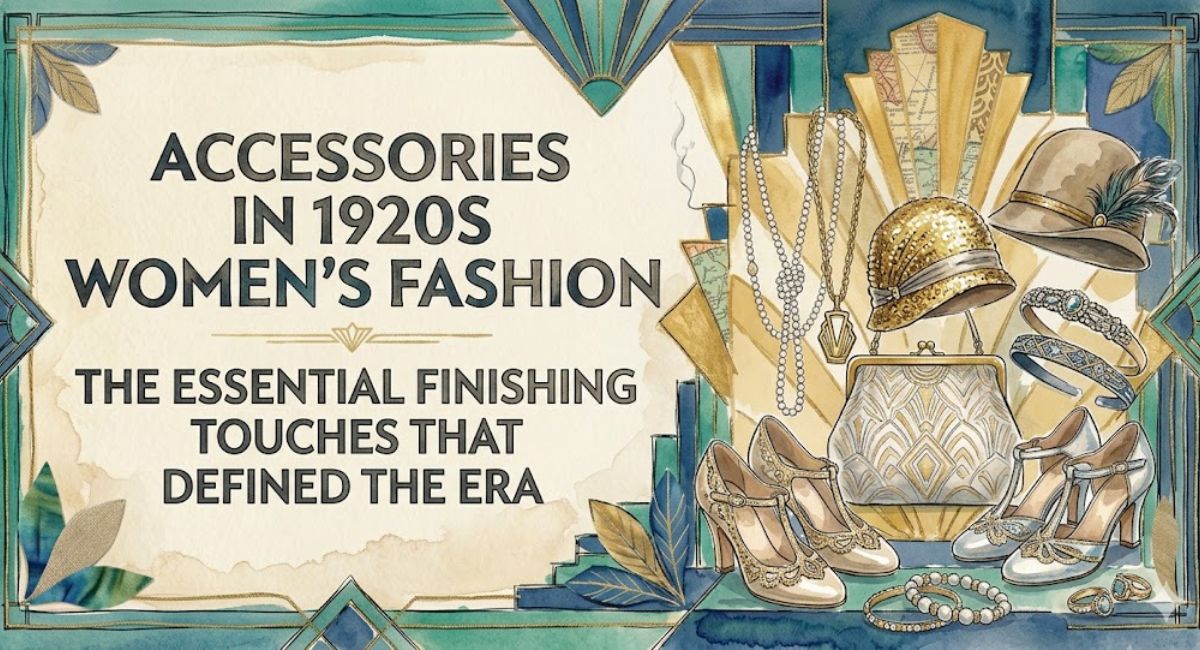
Accessories were not an afterthought in 1920s fashion women wore. They completed the look and sometimes made the look entirely.
Hats
The cloche hat was the defining hat of the decade. It fit closely over the head and was usually pulled low over one eye. It worked perfectly with the bobbed hairstyle that most fashionable women adopted. Felt, velvet, and straw versions existed for different seasons.
Jewelry
Jewelry in 1920s women’s fashion was long and layered. Ropes of pearls, long pendant necklaces, chandelier earrings, and wide bangles were worn together without restraint. Art Deco jewelry featured geometric patterns in platinum, diamonds, onyx, and colored gemstones. Costume jewelry became widely available and popular, meaning women did not need real diamonds to participate.
Handbags
Small beaded evening bags and simple clutches replaced the large Victorian purses of previous decades. Women carried less in their bags and the bags themselves became miniature works of art.
Stockings and Shoes
Flesh colored silk or rayon stockings replaced the thick black stockings of earlier eras. Because hemlines rose, stockings became visible and therefore fashionable. T-strap heels, Mary Janes with a block heel, and pointed toe pumps completed most outfits.
Hair and Makeup: Inseparable From the Fashion
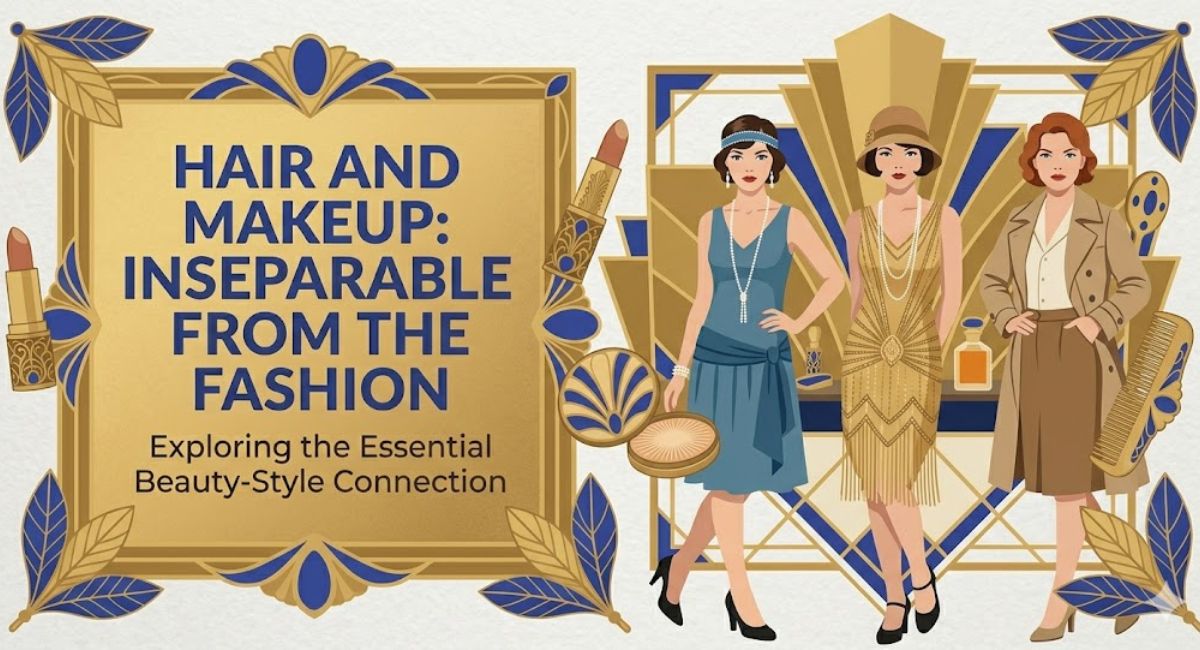
You cannot talk about 1920s fashion women wore without mentioning the bob. Cutting hair short was radical. Women had worn long hair for centuries. The bob, and later the even shorter Eton crop, became symbols of the new woman.
Makeup also changed. Women began wearing:
- Dark, defined brows
- Cupid’s bow lips in deep red
- Kohl rimmed eyes with mascara
- Pale, powdered complexions
Cosmetics became a major industry during this decade. Helena Rubinstein and Elizabeth Arden built empires. Max Factor introduced film makeup to the general public. For the first time, wearing visible makeup in public was socially acceptable for respectable women.
The Designers Who Shaped 1920s Women’s Fashion
Coco Chanel is the most famous name associated with this era, and for good reason. She introduced jersey fabric into high fashion, championed comfort over restriction, and created the little black dress. She also popularized the Chanel suit, simple costume jewelry, and a generally relaxed elegance that was new for the time.
Madeleine Vionnet pioneered the bias cut, which allowed fabric to drape over the body naturally rather than being constructed around it. Paul Poiret, though more associated with the 1910s, also influenced early 1920s women’s fashion with his theatrical, orientalist designs.
Jeanne Lanvin created romantic, feminine alternatives to the boyish flapper look, incorporating floral embroidery and a slightly different silhouette for women who wanted elegance without edge.
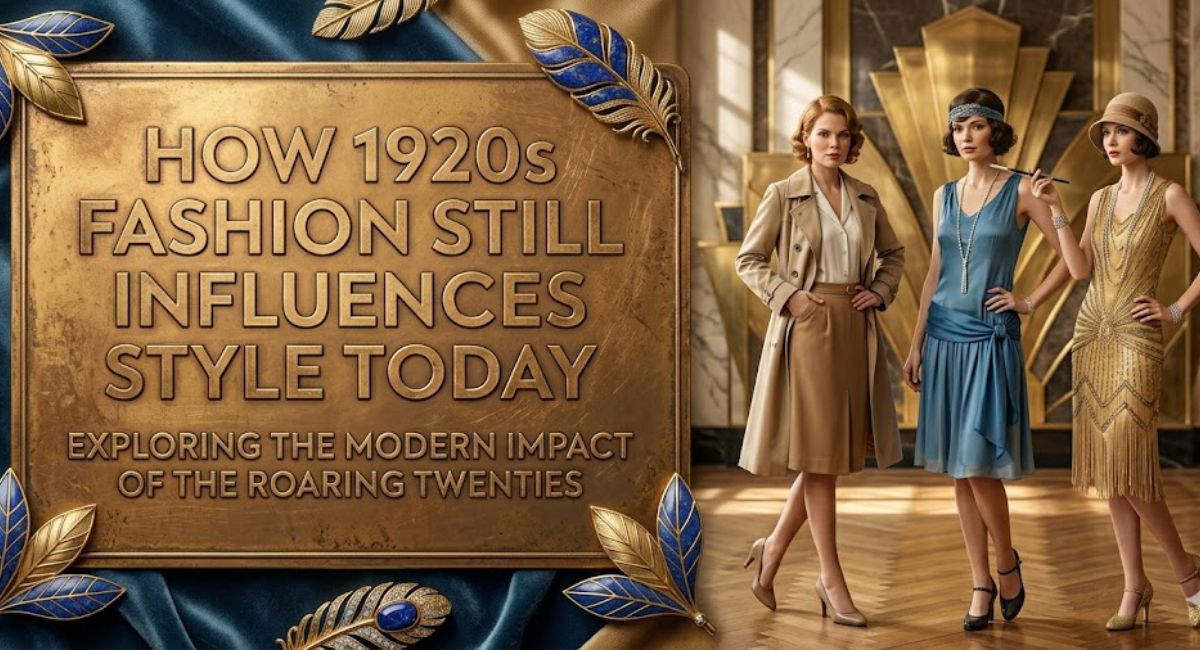
How 1920s Fashion Women Wore Still Influences Style Today
The 1920s never really left fashion. Every few years, designers revisit this decade. The great Gatsby aesthetic returns regularly to runways, red carpets, and themed events.
Specific 1920s elements that appear constantly in modern fashion include:
- Fringe on dresses and bags
- Drop waist silhouettes
- Art Deco jewelry and prints
- The little black dress
- Embellished evening wear
- Wide leg trousers inspired by 1920s sportswear
- The bob haircut
If you want to wear 1920s inspired fashion today, the easiest way is to combine a beaded or fringed dress with strappy heels, layered pearl necklaces, and a simple updo or sleek bob. You do not need a costume. You need the right pieces.
What Most Articles Get Wrong About 1920s Fashion Women
A lot of content about 1920s women’s fashion focuses only on the flapper and presents it as the only story. The reality was more layered. Working class women, rural women, and older women still wore longer hemlines and more modest styles throughout most of the decade. Fashion was changing, but it changed at different speeds for different people.
Also, 1920s fashion women of color, particularly Black women in Harlem who were central to jazz culture and nightlife, are rarely discussed. Harlem Renaissance fashion was its own sophisticated world, with its own designers, its own elegance, and its own influence on American style that has been historically undercredited.
FAQs
What did women typically wear in the 1920s? Women wore drop waist dresses, chemise shifts, beaded evening gowns, cloche hats, and T-strap heels. The silhouette was loose, straight, and unstructured compared to earlier decades.
What is the most iconic piece of 1920s women’s fashion? The flapper dress is the most iconic piece. It featured fringe, beading, a dropped waist, and a hemline at or near the knee.
Did all women dress like flappers in the 1920s? No. Flappers were mostly young, urban, and relatively affluent. Many women wore more conservative versions of the new silhouette without adopting the full flapper aesthetic.
Who were the major fashion designers of the 1920s? Coco Chanel, Madeleine Vionnet, Jeanne Lanvin, and Paul Poiret were among the most influential designers shaping 1920s women’s fashion.
What fabrics were popular in 1920s women’s clothing? Silk, chiffon, georgette, velvet, and beaded fabric were widely used. Jersey fabric was introduced into high fashion by Coco Chanel during this period.
What shoes did women wear in the 1920s? T-strap heels, Mary Jane pumps, and pointed toe shoes were most common. Heels were moderate in height and often featured straps or buckles.
How did World War I influence 1920s women’s fashion? Women who had worked during the war wanted practical, comfortable clothing. The post-war economic boom also gave more women purchasing power and social freedom, both of which pushed fashion in a new direction.
What jewelry was popular in 1920s women’s fashion? Long pearl necklaces, Art Deco geometric pieces in platinum and diamonds, wide bangles, and chandelier earrings were all popular. Costume jewelry also became widely accessible.
What hairstyle went with 1920s fashion? The bob was the defining hairstyle of the decade, cut short at the jaw or chin. The Eton crop was an even shorter variation. Both worked perfectly with the era’s cloche hats.
Is 1920s fashion still relevant today? Absolutely. Fringe, beading, the little black dress, drop waist silhouettes, and Art Deco jewelry all appear regularly in contemporary fashion, especially for formal and evening wear.