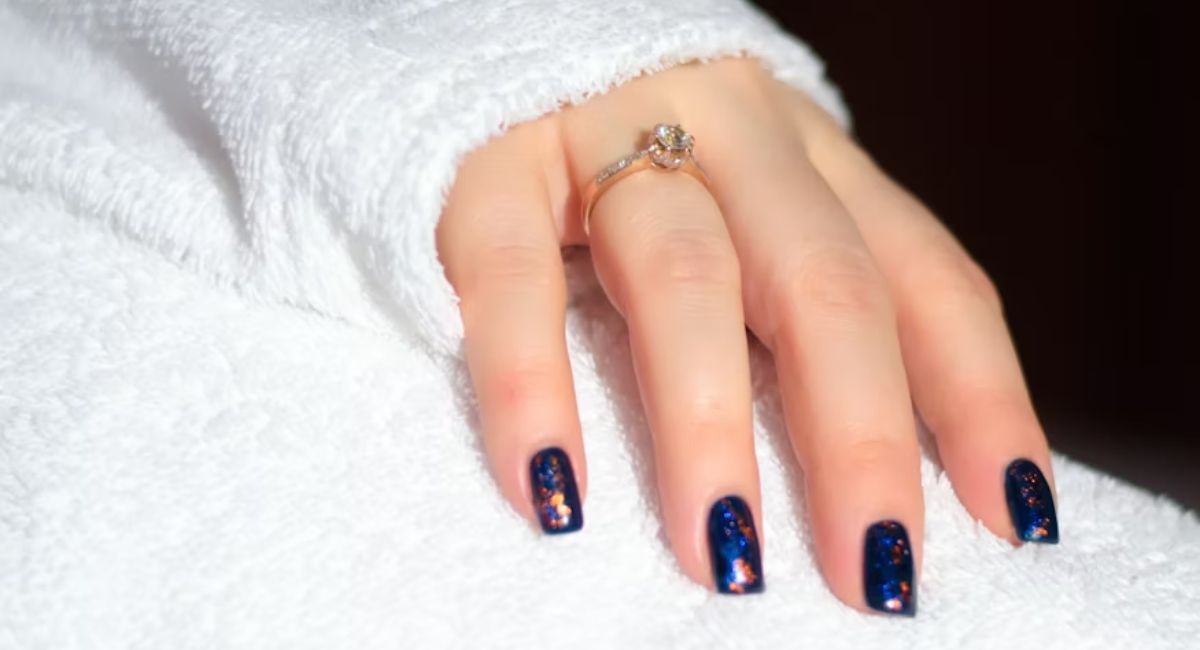
Tuscan nails 2000s are having a serious moment right now, and if you have been scrolling TikTok or Pinterest lately, you already know what we are talking about. This warm, earthy nail aesthetic rooted in the early 2000s “Tuscan Mom” era is back with full force, and honestly, it makes complete sense why. These nails hit differently when everything else in the beauty world feels either too loud or too cold.
Let’s break down exactly what tuscan nails 2000s actually are, why they worked so well back then, and how you can wear them today without looking stuck in a time warp.
What Are Tuscan Nails 2000s, Exactly?
The tuscan nails trend is inspired by the warm, sun-baked landscape of Tuscany in Italy. Think rolling vineyards, terracotta rooftops, dusty olive groves, and clay walls baked by afternoon sun. That entire visual palette gets translated directly onto your fingertips.
This is not about bright, punchy color. Tuscan nails lean into warm earthy tones like terracotta, burnt orange, olive green, mustard yellow, and deep browns. The finishes tend to be muted and dusty rather than bright or glossy. Textured or marbled effects mimic stone, clay, or aged walls, and gold accents add a subtle shimmer or foil detail for a touch of luxury.
The shape that pairs best with this aesthetic is either almond or oval. Long square acrylics with a terracotta matte finish were everywhere in the early 2000s. Even shorter nails can carry this look beautifully with the right color choice.
The 2000s Context: Why Tuscan Nails Made Perfect Sense Then
To understand why tuscan nails 2000s became a thing, you have to think about what was happening in beauty at the time.
The 2000s Tuscan Mom aesthetic was associated with figures like Carmela Soprano, Gabrielle Solis from Desperate Housewives, and the early seasons of The Real Housewives of New Jersey. It was a world of warm interiors, high ceilings with wooden beams, terracotta walls, wrought iron lighting, and opulent furniture.
The nails matched the whole vibe perfectly. At its core, the Tuscan Mom aesthetic channeled warm, relaxed elegance through an early 2000s Mediterranean-inspired lens, featuring manicured nails with French tips alongside earthy neutrals and flowy silhouettes.
The early 2000s beauty scene loved natural, earthy palettes inspired by travel and Mediterranean aesthetics. There was a clear shift away from the neon 90s toward more sophisticated, warm tones, and tuscan nails fit perfectly into that movement.
It was a very specific kind of aspirational glamour. Not flashy or aggressive, but wealthy and warm. Polished, but earthy. The tuscan nail was basically the visual signature of that entire moment in time.
The Signature Color Palette of Tuscan Nails
Getting the tuscan nails 2000s look right starts with the colors. You cannot swap in a random nude and call it Tuscan. The palette is very specific.
Terracotta and Burnt Orange: These are the definitive colors of the trend. A matte or satin terracotta looks incredible on all skin tones. OPI’s “Suzi Talks With Her Hands” from the Italy collection is a classic example of this kind of shade.
Olive Green and Moss Tones: This one surprises people, but a deep, dusty olive green reads as incredibly sophisticated. It works especially well with gold accents.
Mustard Yellow and Ochre: Think of the golden light just before sunset in a Tuscan vineyard. That warm, almost amber yellow was a staple shade in early 2000s nail bars.
Warm Browns and Nude Beiges: Chocolate browns, tawny nudes, and warm taupes fall directly into this palette. Not the cool, ashy nudes that dominated the 2010s minimalist era, but warm, toasty versions.
Deep Burgundy and Wine: Darker shades like wine and burgundy also lived in this aesthetic, especially heading into autumn.
Finishes and Textures That Complete the Look
Color alone does not make tuscan nails 2000s. The finish is just as important. This is actually one area where most articles miss the point.
A matte or satin top coat is essential. It gives your nails that aged, old-world feeling that glossy gel just cannot replicate. If you want a middle ground, a semi-gloss or velvet finish works beautifully too.
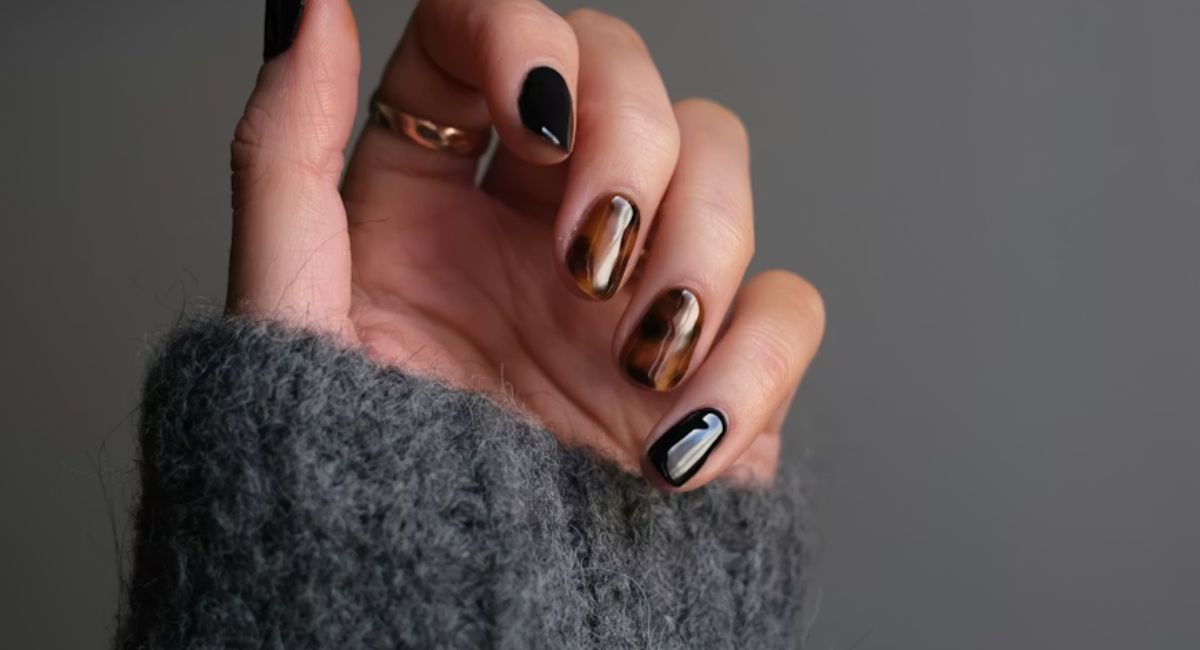
Marble effects are a huge part of the Tuscan nail story. Using a thin nail art brush or even a plastic bag, you can drag two earthy tones together to mimic the look of stone or aged plaster. It does not need to be perfect. The imperfection is actually the point.
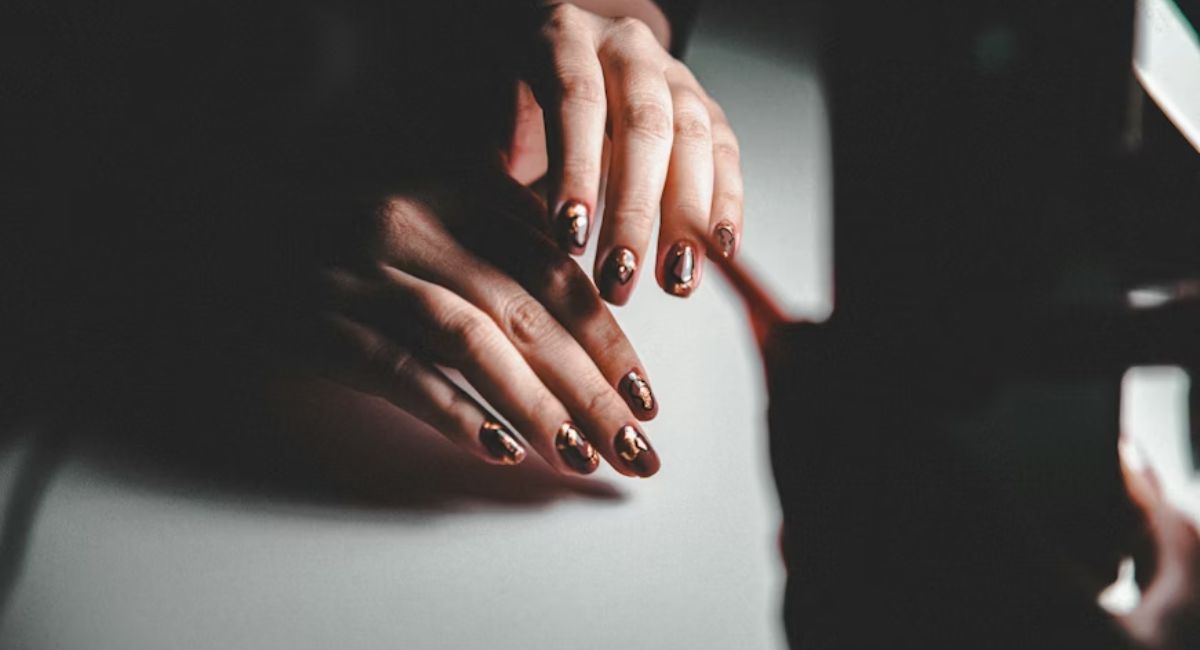
Gold foil accents add that extra dimension. A tiny strip of gold foil along the cuticle line, or scattered randomly on one accent nail, brings in the luxurious feeling without being flashy. Early 2000s Tuscan nails always had a touch of quiet glamour.
Soft gradients work really well too. Sponging a lighter and a darker tone together creates that sunset blending effect that feels very Italian countryside..
Popular Tuscan Nail Designs From the 2000s
Beyond the solid earthy shades, several specific design approaches were common in tuscan nails 2000s style.
French Tips With a Warm Twist: Rather than the classic white tip, tuscan-inspired French nails used warm beige or gold tips on a terracotta or nude base. This became its own specific look now being called the “Tuscan French tip” on social media.
Marble Nail Art: Swirled brown, cream, and gold patterns on a matte base gave that stone wall texture. This was done with a thin brush or torn nail foil for an organic, uneven look.
Gradient and Sunset Nails: Blending two earthy tones, such as mustard yellow fading into burnt orange, created a warm gradient that looked like a Tuscan sunset.
Gold Foil Details: Small patches of gold foil or micro-glitter over a matte brown or terracotta base added just enough luxury without going full glam.
Floral Accents: Tiny hand-painted florals in warm tones, especially small roses or abstract petals in cream and dusty pink, were popular in the early 2000s nail scene and slot directly into this aesthetic.
Why Tuscan Nails 2000s Are Trending Again Right Now
Here is the thing about trends: they come back exactly when the current aesthetic has burned everyone out.
Fashion studies professor Lauren Downing Peters explains that the Tuscan Mom resurgence is partly a result of the 20-year trend cycle. Enough time has passed since the original Sonoma County, Tuscany, Olive Garden aesthetic was popular that it now feels fresh and new.
The other part of it is a direct rejection of the cold minimalism that dominated the 2010s and early 2020s. All that grey, white, and beige with no warmth got exhausting. Tuscan nails bring heat, texture, and personality back to beauty without going full maximalist.
Tuscan nails are trending again because neutral and “clean girl” aesthetics are in demand, vintage 2000s beauty trends are resurfacing on social media, and they pair especially well with autumn fashion and wedding season looks.
The “Tuscan Mom” hashtag on TikTok has pulled millions of views. Gen Z is genuinely obsessed with this aesthetic, revisiting it with fresh eyes and styling it their own way.
How to DIY Tuscan Nails at Home
You do not need a salon trip to pull off tuscan nails 2000s style. Here is a straightforward method that actually works.
Step 1: Prep Your Nails Properly File into an almond or oval shape. Push back your cuticles and clean the nail surface. A clean base makes a huge difference with earthy tones because imperfections show more on matte finishes.
Step 2: Apply a Warm-Toned Base Choose your terracotta, burnt orange, olive green, or mustard shade. Apply two thin coats rather than one thick one. This gives a more even, natural-looking finish.
Step 3: Add Texture or Detail For marble effect, dip a thin brush or torn sponge into a contrasting earthy shade and drag it lightly over the base while still slightly wet. For gradient nails, use a small cosmetic sponge to dab the second color at the tip or cuticle end.
Step 4: Apply Gold Foil (Optional) Press small pieces of gold foil onto the nail while the top coat is still tacky. A pointed tool helps place them exactly where you want.
Step 5: Seal With a Matte Top Coat Finishing with a matte top coat gives that authentic Tuscan vibe and ties the whole look together. One coat is usually enough. Let it dry fully before touching anything.
Tuscan Nails for Every Skin Tone
One of the reasons tuscan nails 2000s work so broadly is their versatility across skin tones.
Terracotta and burnt orange are particularly stunning on deeper skin tones, where they create a rich contrast. On medium warm-toned skin, mustard yellow and olive green look incredibly cohesive. On fair skin, the dusty rose and warm beige versions of the palette add warmth without washing out.
These nails are versatile enough to flatter all skin tones, particularly warm and medium ones, and they work equally well for casual everyday looks and more formal or festive occasions.
Styling Tuscan Nails: What to Wear With Them
Tuscan nails do not exist in isolation. They pair best with certain wardrobe choices.
Linen in cream or warm camel tones. Silk blouses in amber or dusty pink. Leather or suede in tan and chestnut. Gold jewelry, specifically chunky chains or hoop earrings, pulls the look together in a way that silver simply does not. Gold and wood jewelry lend a distinctly Mediterranean feel to the overall aesthetic, complementing the warm nail tones perfectly.
Avoid pairing tuscan nails with very cool-toned outfits like icy blue, grey, or stark white. The warmth of the nails clashes with cold palettes. Stick to the warm side of the color wheel and the whole look becomes effortlessly cohesive.
Mistakes to Avoid With Tuscan Nails
A few things go wrong when people attempt tuscan nails 2000s for the first time.
Using the wrong finish is the most common error. A high-gloss top coat on terracotta suddenly looks very modern and loses the vintage warmth. Always reach for matte or satin.
Choosing the wrong undertone is another issue. There is a big difference between a warm olive green and a cool sage green. Sage reads as very trendy and current. Warm olive green reads as Tuscan and earthy. Check the undertone before buying.
Over-doing the marble effect kills the naturalness. Less is more. A single swirl on one or two accent nails looks more authentic than every finger covered in swirls.
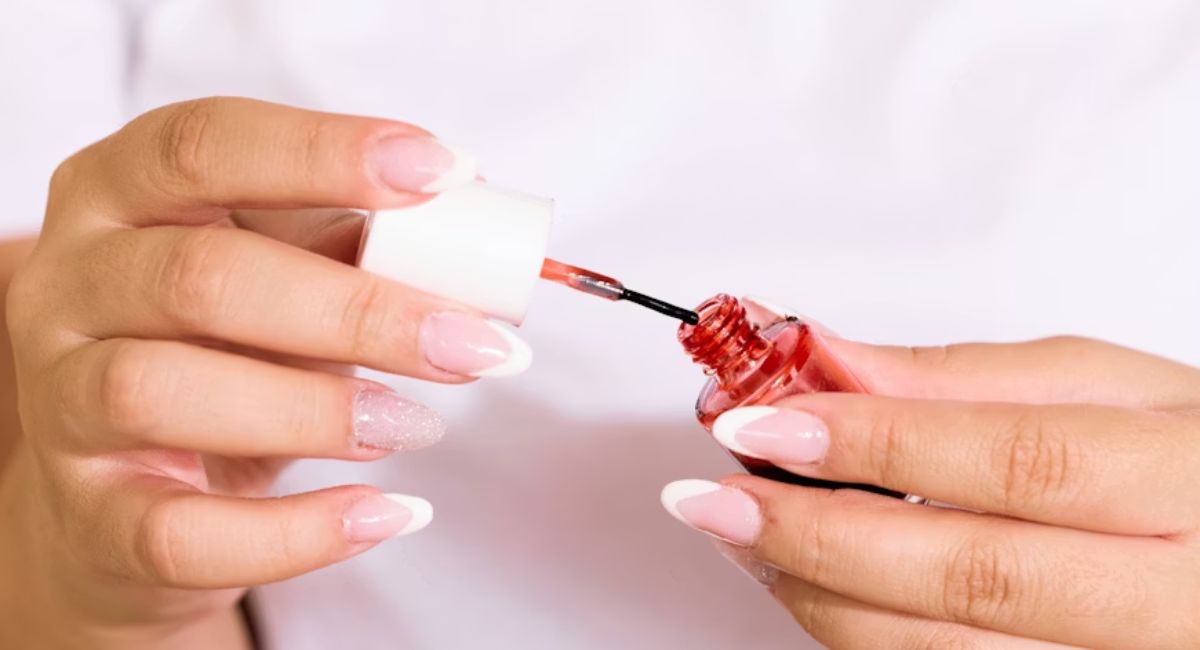
Best Polish Brands and Shades for the Tuscan Nail Look
You do not need anything exotic. Most major brands have shades that work perfectly for tuscan nails 2000s.
OPI has long carried warm brown and terracotta shades that fit this aesthetic. Their fall collections almost always include the exact tones you need.
Essie carries earthy nudes and warm neutrals throughout their year-round line. Shades from their earth tone families work beautifully.
Sally Hansen and Zoya both offer budget-friendly options with great pigmentation in the brown, terracotta, and olive families.
For gel lovers, most nail salons can mix custom shades to hit that perfect burnt sienna or dusty olive tone. Just bring a reference photo.
FAQs
1. What are tuscan nails 2000s? Tuscan nails are an early 2000s nail trend inspired by the warm, earthy aesthetic of Tuscany, Italy. They feature shades like terracotta, burnt orange, olive green, and mustard yellow with matte or satin finishes.
2. What colors are used for tuscan nails? The main colors include terracotta, burnt orange, olive green, mustard yellow, warm brown, and deep burgundy. Muted, dusty versions of these shades are preferred over bright or glossy ones.
3. Are tuscan nails still trending in 2025 and 2026? Yes. The tuscan nails 2000s trend has seen a massive revival on TikTok and Pinterest, driven by the broader “Tuscan Mom” aesthetic that Gen Z has embraced as a Y2K revival trend.
4. How do I make tuscan nails at home? Start with a warm-toned earthy base color in two thin coats, add optional marble or gold foil details, then seal with a matte top coat. An almond or oval nail shape works best.
5. What nail shape suits tuscan nails? Almond and oval shapes are the most authentic for tuscan nails. Long square acrylics were also common in the original 2000s version of the trend.
6. What skin tones suit tuscan nails? Tuscan nails work well on all skin tones but look especially rich and striking on medium to deeper warm-toned skin. Terracotta and burnt orange create beautiful contrast on deeper tones.
7. What is the difference between tuscan nails and regular nude nails? Regular nude nails tend to use cool or neutral beige tones with a glossy finish. Tuscan nails use warm, earthy shades with a matte or satin finish and often include textured or marbled detail.
8. Can I get tuscan nails at any nail salon? Most nail salons can recreate tuscan nails if you bring reference photos. Many salons already carry terracotta and earthy shade collections, especially with the current trend resurgence.
9. What finish is best for tuscan nails? Matte or semi-gloss (satin) finish. These finishes replicate the aged, sun-dried texture that makes tuscan nails look authentically earthy rather than overly modern.
10. What gold nail polish works well with tuscan nails? A warm, antique or rose gold foil or shimmer works better than a bright metallic gold. The goal is subtle luxury, not flashy glam.