Authentic 70s fashion women wore was not just clothing. It was a statement, a lifestyle, and honestly, one of the most expressive decades in fashion history. Whether you are trying to build a true vintage wardrobe or just pull inspiration from the era, understanding what made 70s women’s fashion so iconic is the first step. And the good news? Most of it translates beautifully into modern styling.
This is not your average rundown of bell bottoms and platform shoes. This guide digs deeper, covering the real textures, silhouettes, subcultures, color palettes, and styling logic that made 70s women’s fashion so distinct and timeless.
Why Authentic 70s Women Fashion Still Matters Today
There is a reason 70s fashion for women never really goes away. It keeps coming back on runways, in street style, and in everyday wardrobes because it was built on something real. Women were entering the workforce, questioning old rules, and dressing for themselves rather than for anyone else.
The idea that 1970s fashion was an expression of one’s personality replaced the everyone-follow-the-famous trend of the ’50s and ’60s.Clothes were made to mix and match, cross gender lines, and reflect a mood rather than follow a strict dress code.
That energy is exactly what makes 70s women’s style so magnetic even today..
The Major Style Movements of the 70s
Here is something most articles miss. The 1970s were not one aesthetic. There were at least four distinct style movements happening at the same time, and real women often mixed elements from all of them.
1. Hippie Chic and Bohemian Style
The hippie look was popular during the 70s, noted for its loose shapes and painterly prints. Think flowing maxi dresses, crochet tops, fringe bags, and earthy fabrics. Women wore prairie dresses, peasant blouses, and anything that felt handmade or natural.
The color palette here leaned heavily into burnt orange, mustard yellow, forest green, and warm brown tones. Fabrics were natural where possible, including cotton, linen, and suede. If a piece looked like it could have been found at a folk festival, it fit the boho 70s aesthetic perfectly.
Authentic 70s fashion women styled in this way often layered heavily. A floral midi skirt with a peasant blouse, a chunky knit vest on top, and leather sandals beneath. Simple, but the layering made it feel rich and intentional.
2. Disco Glamour
Women could be seen wearing sequins and hot pants to the disco in the early seventies, with lycra, satin, and velvet as fabrics of choice, while feathers and sequins added extra sparkle.
This is the side of 70s fashion women’s styling that most people recognize instantly. Studio 54 energy. Halter tops. Wrap dresses that hugged every curve. Metallic, satin, sequin, lame, and velvet were made into wrap dresses, mini dresses, maxi dresses and more.
What made disco fashion feel authentic rather than costumey was the commitment to glamour in the details. Big hoop earrings, strappy heeled sandals, and a bold lip were non-negotiable. The outfit itself could be simple but the accessories elevated everything.
3. Working Woman Chic
As young women began to take on more professional roles, they demanded stylish and functional clothing. Although women wore suits, they were usually paired with skirts rather than pants for a tailored look.
This is the side of authentic 70s fashion women’s style that rarely gets enough coverage online. The working wardrobe of a 70s woman was sharp, structured, and feminine at the same time. Wide lapel blazers, fitted blouses with oversized collars, midi skirts, and palazzo pants were all staples. Starting in 1975, women’s semi-formal wear became more tailored and sharp. This included a lot of layering, with women wearing two blouses at once, multiple sweaters, and jumpers worn over long, fitted dresses.
4. Sporty and Casual Looks
By the late 70s, athleisure was already happening. In the late 1970s, designer Norma Kamali was instrumental in bringing sportswear into the fashion arena, introducing sweat-shirting, ra-ra skirts, bandeau tops, jumpsuits, leotards, and leggings. Women wore tracksuits and leotards not just for workouts but as casual everyday wear.
The Essential Pieces Every 70s Women’s Wardrobe Had
Bell Bottom Jeans and Flared Trousers
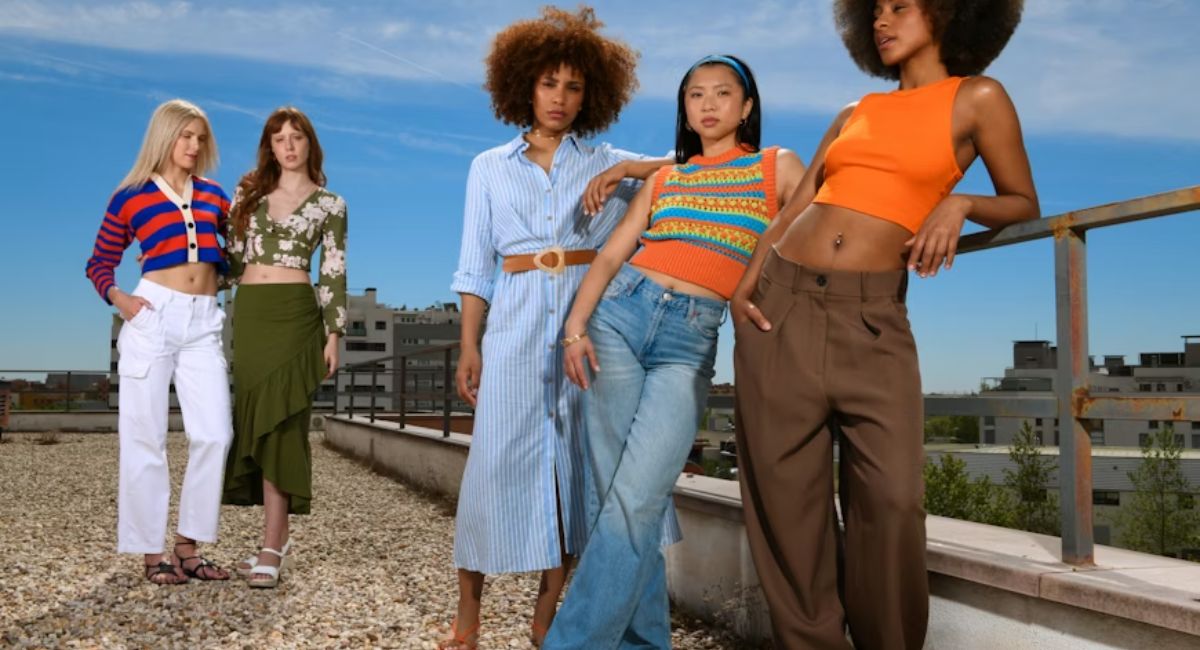
For women, flared pants were the perfect addition to their wardrobe, offering a comfortable yet stylish alternative to the traditional form-fitting pants of the time. These pants were made from flowy materials such as cotton, linen, or polyester.
The key to wearing bell bottoms in an authentic 70s way is proportion. The flare should start from the knee, not just the ankle. Pair them with a fitted turtleneck or a tucked-in blouse. Platforms underneath make the silhouette complete.
Maxi Dresses
Maxi dresses in the 70s were characterized by a high empire waist and were very loose on the body. They came in fabrics like lightweight cotton for warm-weather looks. Stars like Ali MacGraw and Diana Ross wore them constantly, which is partly why they became so tied to 70s women’s fashion.
For a truly authentic look, go for floral prints, paisley patterns, or bold geometric designs. Avoid anything minimalist. The 70s did not do minimalism.
The Wrap Dress
Diane von Furstenberg introduced the wrap dress in 1974 and it became a symbol of the modern 70s woman. It was flattering, practical, and versatile. Women wore it to work, to dinner, and everywhere in between. Finding a vintage wrap dress or a well-made reproduction is one of the easiest ways to access authentic 70s fashion women’s style.
Jumpsuits
70s jumpsuits were wide-legged or bell-shaped with solid pastel colors or big prints. Most were sleeveless with a halter top or other arm and back revealing design. They were worn for disco nights but also turned up in casual daytime looks, especially in bold prints or denim.
Palazzo Pants
Wide leg, flowing, and incredibly elegant. Palazzo pants were a staple of 70s women’s fashion and they work just as well today. Pair them with a simple bodysuit or a tucked-in blouse and you have an outfit that looks like it came straight from a 1970s magazine spread.
Colors and Prints That Define the Era
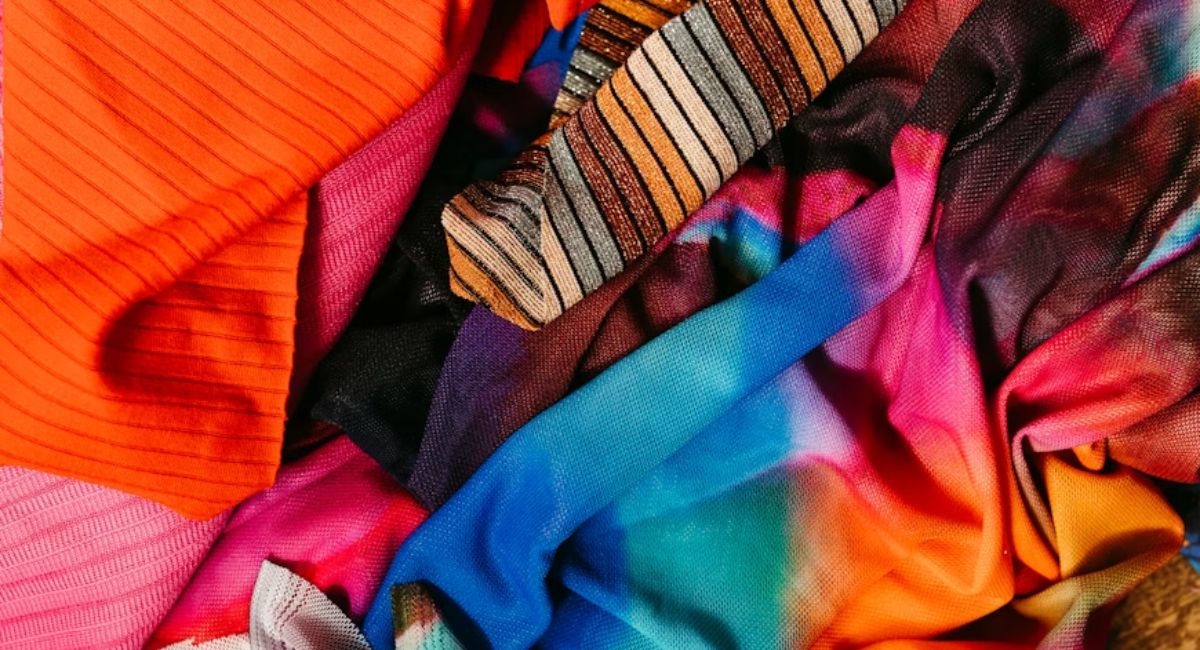
Rich brown, deep purple, baby blue, mustard yellow, ivory, denim blue, and red were some of the most popular colors in 1970s fashion. There were brighter mod colors in the early 70s and dark earth tones in the late 1970s.
If you are recreating early 70s women’s fashion, lean into burnt orange, avocado green, and golden yellow. For mid-to-late 70s looks, shift toward chocolate brown, rust, camel, and burgundy.
Prints mattered enormously. Paisley, floral, geometric, and psychedelic swirl patterns were everywhere. Many dresses had oversized collars and some started to sport hippie prints in yellow, green, and orange flowers or paisley swirls. The pattern did not have to match anything else. In fact, pattern mixing was half the fun.
Fabrics and Textures to Look For
New synthetic fabrics meant that fashionable styles could be bought at any price point. So pervasive were these materials that the seventies became known as the “Polyester Decade.”
Polyester double knit was everywhere, especially in the early 70s, because it was wrinkle-resistant and easy to care for. But authentic 70s fashion women also wore a lot of suede, corduroy, denim, velvet, and natural cotton. For eveningwear, satin and metallic fabrics were the go-to choices.
If you are thrifting or shopping vintage for genuine 70s pieces, check the fabric content labels. Vintage polyester has a distinct feel and weight that modern reproductions rarely capture perfectly.
Accessories That Make the Look Complete
This is where a lot of people go wrong with 70s fashion. The clothes are just the base. The accessories are what make it authentic.
Shoes: Platform shoes and clogs were everywhere. A shift from chunky heels to strappy sandals happened as the decade progressed. Both are correct depending on the year and the look you are going for.
Bags: Fringe bags, woven straw totes, and small leather shoulder bags all fit the era. Avoid anything structured or overly minimal.
Jewelry: Layered gold chains, large hoop earrings, beaded necklaces, and wide bangles. More is more when it comes to 70s jewelry. Turquoise and other natural stones were also hugely popular, especially in the boho subculture.
Belts: Wide belts with large buckles were a major detail in authentic 70s fashion women wore. Wide belts with large buckles focused the eye on the centre of the torso. They were worn over dresses, jumpsuits, and even over knit tops.
Sunglasses: Oversized round frames or square tinted lenses. Think John Lennon shapes or large aviators.
Hair and Makeup to Complete the 70s Look
Straight hair was often worn long with a centre part, creating a sleek silhouette that epitomized the era’s laid-back glamour. Afros were celebrated as a powerful statement of identity and personal expression.
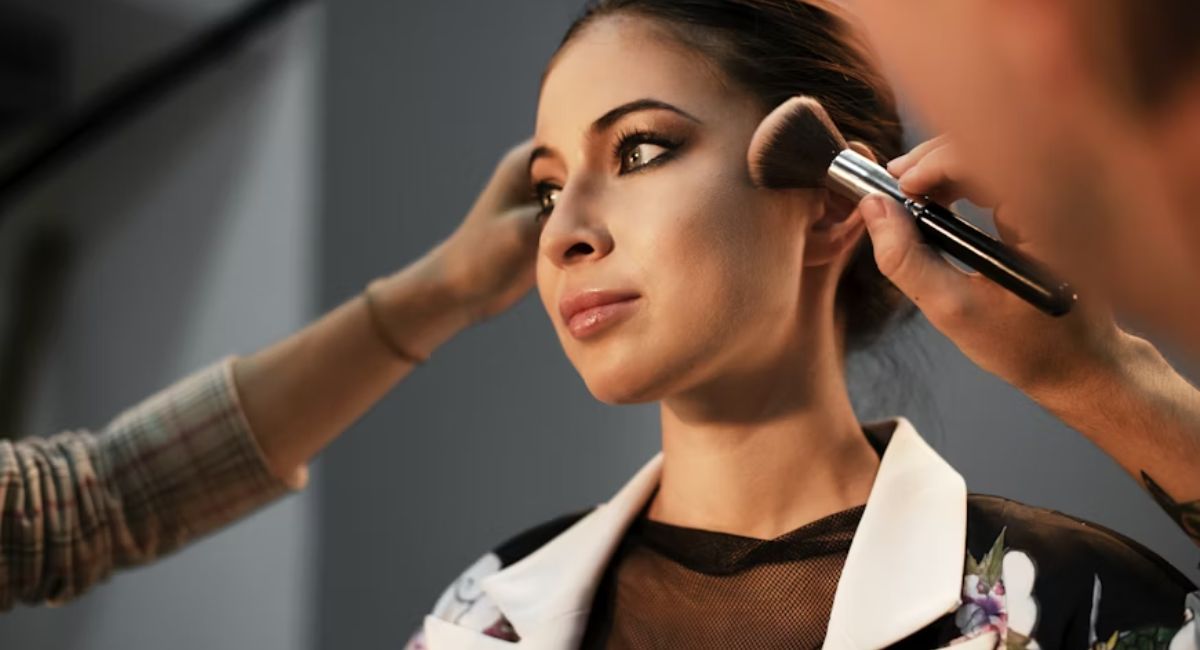
For makeup, the 70s were softer than the graphic 60s. Think warm, earthy eyeshadow in browns and bronzes, a glossy nude lip, and bronzed skin. The look was natural but polished. Feathered hair, popularized by Farrah Fawcett in the mid-70s, became one of the most iconic hairstyles of the decade.
How to Shop for Authentic 70s Fashion Women’s Pieces Today
The best places to find genuine vintage 70s women’s clothing include:
Thrift stores and estate sales are your best bet for affordable authentic pieces. Look for polyester blouses, wide leg trousers, and wrap dresses.
Online vintage marketplaces like Depop, Etsy, and ThredUp have massive selections of true vintage and vintage-inspired 70s women’s clothing.
Specialty vintage boutiques often curate pieces by decade, which makes finding authentic 70s fashion women’s items much easier.
Modern brands doing honest 70s reproductions include Free People, Spell and the Gypsy Collective, and ASOS Curve, which carry flared silhouettes and boho prints that genuinely capture the decade’s spirit.
Putting It All Together: Outfit Formulas That Work
Daytime boho: Wide leg linen trousers, a crochet or embroidered blouse, leather sandals, layered gold jewelry, and a fringed bag.
Disco night: A halter neck wrap dress in satin or metallic fabric, strappy heeled sandals, large hoop earrings, and a bold lip.
Casual 70s: High waisted bell bottom jeans, a fitted turtleneck, a wide leather belt, and clogs.
Working woman: Wide leg trousers in a solid earth tone, an oversized collar blouse tucked in, a blazer with big lapels, and block heeled pumps.
Each of these outfit formulas uses clothing that women actually wore in the 1970s, not a Hollywood version of the era. That is what separates authentic 70s fashion women’s styling from costume dressing.
The Biggest Mistakes People Make With 70s Fashion
Going too costume-y is the most common issue. Real 70s women did not dress like they were in a movie. They mixed affordable pieces with statement items, wore practical shoes when comfort mattered, and did not overthink pattern mixing.
Another mistake is limiting yourself to disco. There is more to 1970s clothing than bell-bottom pants and disco shirts. The decade had multiple aesthetic identities and most women moved between them freely.
FAQs
1. What is the most iconic piece of authentic 70s fashion for women? The wrap dress, bell bottom jeans, and the maxi dress are the three most recognizable pieces of authentic 70s fashion women wore. Each one represents a different side of the decade.
2. What colors were popular in 70s women’s fashion? Mustard yellow, burnt orange, brown, deep purple, and earthy greens dominated the early to mid 70s. Brighter colors appeared in disco wear and mod styles.
3. How do I know if a vintage piece is actually from the 70s? Check the fabric content label. True 70s pieces often list polyester, double knit, or acetate. The silhouette, collar size, and zipper style also help date a garment.
4. Can I mix 70s fashion with modern clothing? Absolutely. Pairing a vintage 70s blouse with modern straight-leg jeans is a great way to incorporate 70s women’s fashion without going full retro.
5. What shoes go with 70s outfits for women? Platform shoes, clogs, strappy sandals, and block heeled boots are all authentic to the decade. Avoid modern pointed toe or stiletto heels for a true 70s look.
6. Where can I buy authentic 70s fashion for women? Depop, Etsy vintage shops, ThredUp, local thrift stores, and estate sales are the best places to find genuine 70s women’s clothing.
7. What fabrics are most authentic to 70s women’s fashion? Polyester double knit, suede, corduroy, denim, velvet, and satin are all fabrics that defined the decade. Natural cotton and linen were popular in bohemian styles.
8. Was the wrap dress really popular in the 70s? Yes. Designer Diane von Furstenberg launched it in 1974 and it became a symbol of the independent, modern woman of the era.