Hairstyle ideas for 2026 are taking a turn that most people didn’t see coming. After years of chasing razor-sharp cuts and high-maintenance looks that demanded an hour of styling every morning, the conversation has shifted. What’s winning right now is hair that looks lived-in, moves naturally, and actually works with your texture instead of fighting it.
Stylists across the US and Europe are hearing the same request from clients: something real, something wearable, something that still looks good three weeks after the cut. That’s the thread running through every major trend this year, whether you’re considering a new haircut, a color refresh, or just a better way to style what you already have.
This guide breaks down the top hairstyle ideas for 2026, covering the cuts getting the most attention right now, the color techniques replacing old-school balayage, and the practical details your stylist will actually want to hear when you sit down in the chair.
Why 2026 Hairstyle Ideas Trends Feel Personal This Time
Here’s something worth noticing. The last few years gave us trends that looked incredible in photos and were genuinely exhausting in real life. The sleek Italian bob required constant flat-ironing. The dramatic wolf cut photographed beautifully but grew out awkwardly for most hair types. People followed the trends, spent money at the salon, and then quietly went back to throwing their hair in a bun by week three.
2026 feels different because the starting point has changed. Clients aren’t walking in with a viral screenshot anymore. They’re walking in saying “I want something that actually works for my hair.” That shift is small but it changes everything about how stylists are approaching cuts and color this year.
What you’re going to see throughout this guide is a pattern: softer, more forgiving, more adaptable. These aren’t looks built for one perfect lighting situation. They’re built for Tuesday mornings, grown-out roots, and hair that has a mind of its own.
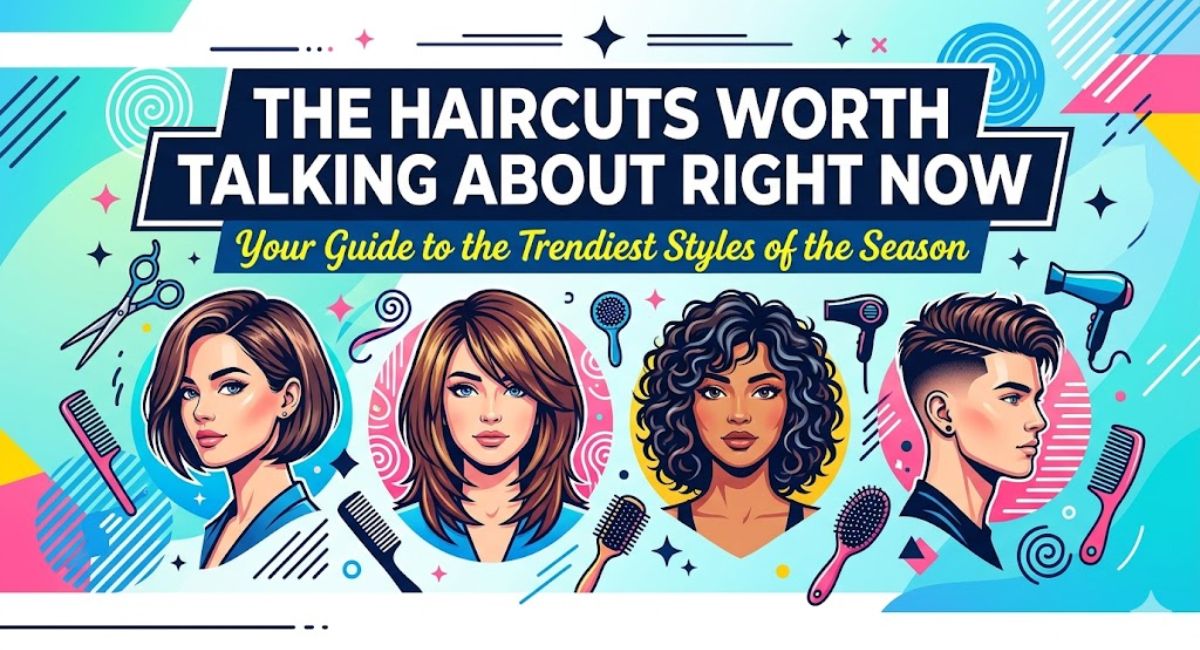
The Haircuts Worth Talking About Right Now
The Layered Bob: Familiar but Genuinely Better
Everyone has an opinion on the bob. It’s been done so many times that it almost feels played out. But the layered version trending in 2026 is genuinely worth reconsidering, even if you’ve tried a bob before and felt underwhelmed.
The difference is in how stylists are building the shape now. Instead of one clean blunt line, they’re cutting internal layers that create movement from underneath. The result is a bob that swings when you walk, doesn’t require a full blowout to look intentional, and grows out without that awkward in-between phase that makes you feel like you need to rush back to the salon.
If you have fine hair and have always been told bobs aren’t for you, this technique specifically addresses that. The internal layers add volume without adding visible bulk. It’s one of those cuts that looks more expensive than it is, which is always a good sign.
The Bixie: The Commitment-Phobe’s Best Option
Not everyone is ready to go full pixie. That’s fair. The bixie sits right in the middle, longer than a pixie, shorter than a bob, and it’s currently one of the most requested cuts in salons for exactly that reason.
What makes it work is the texture. Choppy, slightly uneven ends give it a casual confidence that blunt cuts can’t replicate. It looks like you meant to cut your hair that way even when you rolled out of bed and did nothing to it. On fine hair especially, it creates the illusion of thickness that longer styles sometimes can’t pull off.
One thing to keep in mind: the bixie lives and dies by the precision of the cut. If you ask for it and your stylist goes too blunt on the ends, it loses everything that makes it interesting. Ask for soft, airy ends. Bring a reference photo. It’s worth being specific.
The Gentle Shag: Everything the Wolf Cut Promised, Actually Delivered
The wolf cut had a good run. It really did. But if you got one and spent the next few months fighting it, you’re not alone. The layering was often too dramatic, too chunky, and too dependent on a diffuser and a specific styling routine to look the way it did on social media.
The gentle shag is the version that actually works in real life. Lighter feathered layers, more weight kept through the mid-lengths, and a shape that tapers naturally rather than exploding outward. It moves beautifully on wavy hair, gives curly hair a defined shape without removing too much length, and on straight hair it adds texture that flat styles usually lack.
The mistake people make is asking for too many layers at once. Start conservative. You can always go back and take more off. Going the other way is not an option.
The Chillet: Yes, It’s a Mullet. No, Not That Kind.
The word mullet still makes people nervous and honestly that’s understandable. But what stylists are actually cutting right now under the name “chillet” is a long way from the classic barbershop mullet most people picture.
Think shorter, textured fringe at the front with face-framing pieces that draw attention to your cheekbones, and relaxed length at the back that doesn’t scream costume. On men with naturally wavy or textured hair, this cut has serious potential. On women, it reads more editorial than expected, especially when paired with a simple outfit.
The key to making it work is keeping the back length proportionate. If it gets too long in the back relative to the front, it crosses a line. A good stylist will know exactly where that line is.
Curtain Bangs: They Evolved and It Shows
Curtain bangs from 2022 were soft, wispy, and very center-part dependent. They worked for a specific face shape and hair type and looked a little confused on everyone else.
The 2026 version is more sculpted. Slightly shorter at the center, longer at the sides, and cut with enough weight that they frame the face rather than floating in front of it. The cheekbone emphasis is real and it works across more face shapes than the original version did.
What hasn’t changed is the maintenance reality. These bangs need some attention. A quick blowout or a round brush in the morning keeps them looking open and intentional. Skip that step and they clump together and lose the whole effect. If that sounds like too much for your routine, be honest with your stylist and ask for a version cut specifically for your natural texture.
Updos and Braids: The Accessory Era Is Real
This isn’t technically a cut but it belongs in any honest guide to hairstyle ideas for 2026 because it’s genuinely shifting how people think about their hair on a daily basis.
The trend is toward simple styles made interesting by what you put in them. A low bun with a velvet ribbon. A half-up style with a sculptural clip. A basic braid with a thin ribbon woven through. These looks take five minutes and feel intentional in a way that more complicated styles sometimes don’t.
The practical takeaway here is simple: spend less money on complicated cuts and more money on three or four quality accessories. A good French pin or a well-made bow will add more variety to your daily look than a new haircut will.
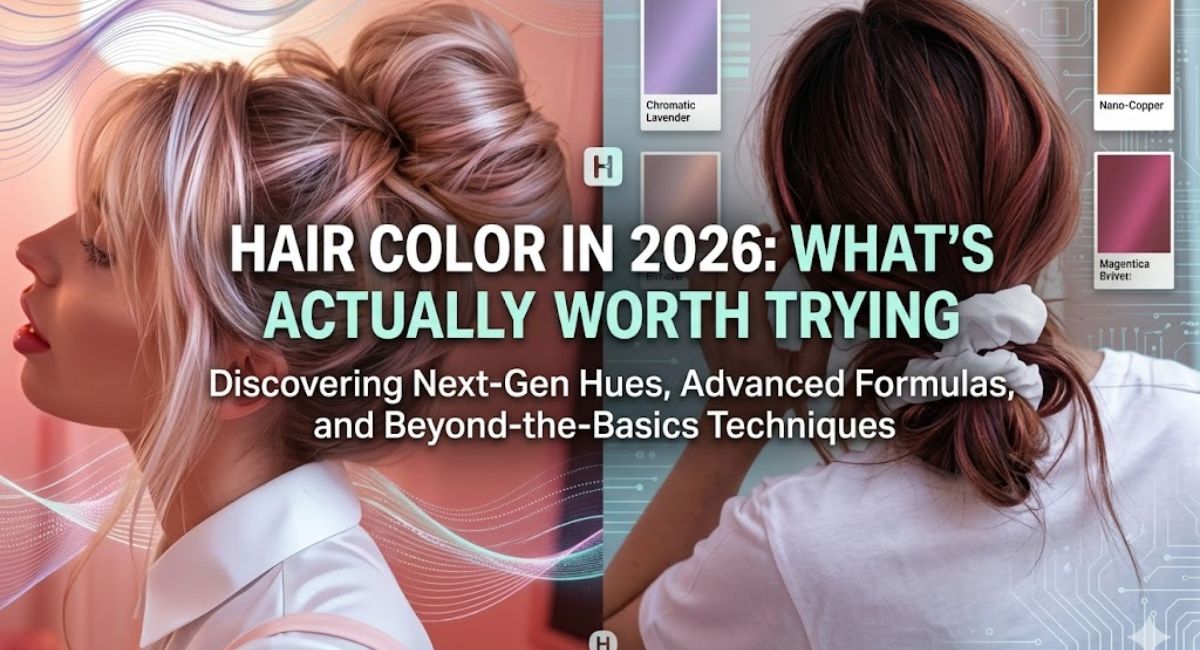
Hair Color in 2026: What’s Actually Worth Trying
Color Melting Is Replacing Balayage for Good Reason
Balayage had an incredible decade. But the look has become so familiar that it’s started to feel generic, and the maintenance is more demanding than most people realized going in.
Color melting takes a different approach. Instead of painted sections that create visible contrast, colorists blend multiple shades so gradually that you genuinely cannot identify where one color ends and another begins. The result looks like your hair naturally does that. Like sun exposure over years, not like a technique someone applied in a chair.
The grow-out is also significantly more forgiving. That alone makes it worth considering if you’ve been spending more time in the salon than you’d like.
Warm Blondes Are Having a Real Moment
Cold, icy platinum is largely out and warm blondes are taking over. Honey, wheat, vanilla, blush beige. These shades do something that platinum rarely manages: they look good in natural light, they flatter a wider range of skin tones, and they blend with roots in a way that doesn’t demand a touch-up every eight weeks.
If you’re currently on platinum and wondering why maintenance feels relentless, this is a good time to talk to your colorist about transitioning toward a warmer tone. It’s not a dramatic change but the difference in how it wears over time is significant.
Monochrome Color: One Shade, Done With Confidence
Not everyone wants dimension and gradient. Sometimes one rich, saturated shade done with precision is more striking than anything multi-tonal.
Deep inky blacks, saturated auburns, and creamy single-tone blondes are all showing up with more frequency this year. The appeal is confidence. A monochrome color says you know exactly what you want. It works best paired with a precise, well-structured cut since the color has nowhere to hide if the shape isn’t right.
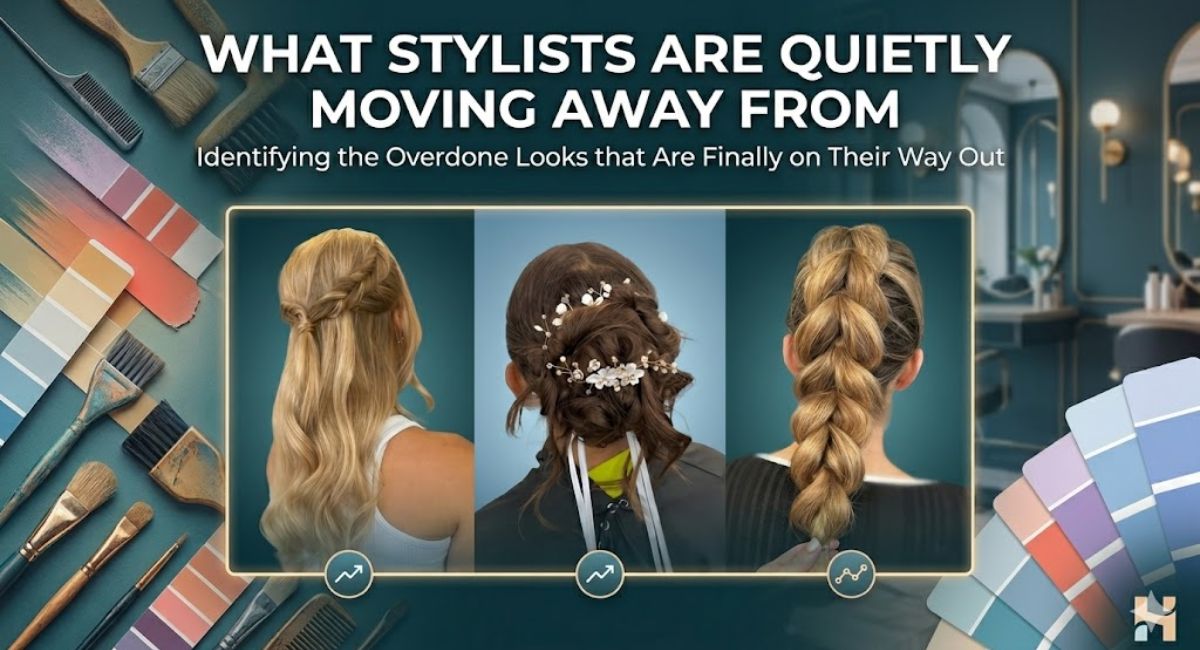
What Stylists Are Quietly Moving Away From
You can learn a lot about where hair is going by watching what’s quietly disappearing from salon conversations.
Heavily flat-ironed straight hair has started reading as dated, not polished. The effort required to maintain it no longer feels worth the result. Ultra-sharp blunt bobs still have their place but the razor-precise version that was everywhere in 2024 has had its moment. Dramatic wolf cuts with excessive layering are becoming harder to maintain as clients grow them out and realize the upkeep is more than they signed up for. And strict center parts worn on every hair type regardless of face shape are giving way to softer, more natural partings that suit the individual.
None of this means those looks are wrong. It just means the cultural energy around them has shifted.
A Simple Guide by Hair Type
| Hair Type | Cut Worth Trying | Color Direction |
| Fine and Straight | Layered bob or bixie | Color melt or vanilla blonde |
| Wavy | Gentle shag or curtain bangs | Warm honey tones |
| Curly and Coily | Curl-friendly shag or simple updo | Rich monochrome |
| Thick and Coarse | Chillet or feathered layers | Copper color melt |
Frequently Asked Questions
Q: What is the easiest hairstyle to maintain in 2026? The layered bob wins here without much competition. It grows out gracefully, requires minimal daily styling, and suits most face shapes. The internal layering does the work for you, adding movement and volume even when you do nothing to it.
Q: Are curtain bangs still worth getting in 2026? Yes, but go in with realistic expectations about upkeep. The 2026 version is more sculpted and flattering than earlier cuts, but they still need a quick blowout to look their best. If you have wavy or textured hair, ask your stylist to cut them specifically for your natural pattern so they work with you rather than against you.
Q: What hair color is most popular in 2026? Warm blondes in honey and vanilla tones are leading right now, followed by color-melted brunettes and rich monochrome shades. Cold platinum is significantly less requested than it was two years ago.
Q: Is the wolf cut completely over? The dramatic version is fading, yes. What’s replaced it is the gentle shag, which takes the same general idea but executes it with lighter, more wearable layering. If you loved the concept of the wolf cut but found it hard to style, the gentle shag is genuinely worth trying.
Q: What hairstyle works best if I want to go shorter but I’m nervous? The bixie is the most forgiving entry point into short hair. It’s not as committed as a pixie but it delivers a similar feeling of freshness. Start there, live with it for a few months, and you’ll know pretty quickly whether you want to go shorter or grow it back out.
Final Thoughts
The best hairstyle ideas for 2026 share one quality: they work with who you actually are, not who you’re trying to look like in a photo. Whether that means a layered bob that grows out beautifully, a bixie that adds texture to fine hair, or a warm color melt that finally stops demanding constant salon visits, the right choice is the one that fits your real life.
Before your next appointment, think about what’s been frustrating you about your current look. Write it down if you need to. Bring two or three reference photos that show movement and texture, not just length. Tell your stylist what your actual morning routine looks like. That combination of honesty and preparation will get you further than any trend ever will.
