Introductions
Starting fitness can feel overwhelming, especially if gyms seem intimidating or time is tight. The truth is, a home workout for beginners is a practical and realistic way to start. You don’t need expensive equipment or prior experience; consistency and proper guidance matter more. From my experience, beginners who start at home are more likely to stay consistent because it removes common barriers like gym fees, travel time, or self-consciousness. This guide will show you how to begin with simple, safe, and effective routines that fit your lifestyle.
What Is a Home Workout for Beginners
A home workout for beginners is a structured exercise plan done at home, focusing on beginner home workout techniques that improve strength, flexibility, and endurance. These exercises teach your body proper movement patterns without pushing too hard.
Many beginners quit because they try advanced routines from social media or YouTube. A smart home exercise for beginners should feel challenging yet manageable, leaving you energized, not exhausted. Starting with simple movements helps build confidence and reduces the risk of injury.
Benefits of Home Exercise for Beginners
The benefits of a home exercise for beginners are numerous:
- Convenience: You can work out anytime, saving travel time.
- Cost-effective: Workout at home without equipment saves money while still being effective.
- Comfort: Privacy reduces anxiety about performing exercises incorrectly.
- Long-term habit: Working out at home encourages consistency and sustainable habits.
I’ve noticed that beginners who embrace home workouts are more likely to stick with them than those who start with a gym routine they find intimidating.
Things to Know Before Starting Beginner Home Workout
Before starting easy home workouts, consider these tips:
- Warm-up: Always start with light exercises to prevent injury.
- Form over speed: Slow, controlled movements are more effective than rushed reps.
- Listen to your body: Mild soreness is normal, sharp pain is not.
- Rest days: Recovery is crucial for progress.
Patience and consistency are key. Beginners who follow these principles progress faster and feel more confident.
Easy Home Workouts Exercises for Beginners
Jumping Jacks
Jumping jacks are a simple cardio exercise that increases heart rate and improves coordination. Beginners can start with 20–30 seconds and rest. For joint-friendly options, step one leg at a time.
Bodyweight Squats
Squats strengthen legs and improve balance. Keep your chest up and push hips back. Using a chair as a guide helps beginners maintain proper form.
Push-Ups for Beginners
Push-ups build upper body strength. Wall push-ups or knee push-ups are beginner-friendly alternatives to full push-ups. Correct form matters more than quantity.
Plank Exercise
Planks strengthen the core and support posture. Beginners can start with 15–20 seconds, gradually increasing over time. Proper breathing enhances effectiveness.
Crunches
Crunches target abdominal muscles. Controlled movement prevents neck strain. Fitness for beginners at home often benefits more from core stability than visible abs.
Full Body Workout at Home for Beginners
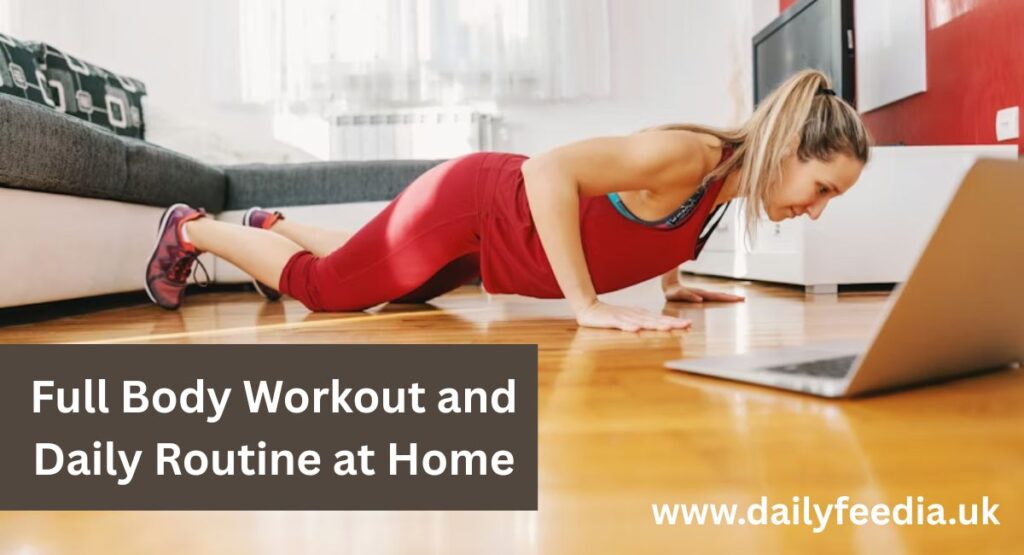
A full body workout at home is ideal for beginners because it engages all major muscle groups.
Sample routine:
- 30 seconds squats
- 30 seconds push-ups
- 30 seconds plank
- 30 seconds jumping jacks
- 30 seconds crunches
Repeat 2–3 rounds with short rests. Beginners find full-body workouts motivating because they feel comprehensive yet manageable.
Workout at Home Without Equipment
Workout at home without equipment is highly effective. Bodyweight exercises like lunges, glute bridges, and mountain climbers naturally strengthen muscles and improve coordination.
Progression is key: increase reps, slow down movements, or add short pauses to challenge your body. Equipment is optional; consistency matters most.
Daily Workout Routine at Home
A daily workout routine at home doesn’t mean intense exercise every day. Beginners should aim for 3–5 days of workouts with light activity or stretching on rest days.
Sample schedule:
- Monday: Full-body workout
- Wednesday: Cardio + abs
- Friday: Full-body workout
Short, regular sessions are more sustainable than occasional long workouts.
Motivation for Fitness for Beginners at Home
Consistency is more important than motivation. Set small goals, like completing 7 days of workouts in a row. Track progress with metrics like plank hold duration or number of reps.
Small, visible improvements boost confidence. A dedicated corner or simple workout clothes make starting easier. Treat workouts as a non-negotiable habit like brushing your teeth.
Common Mistakes in Home Workout for Beginners
- Overtraining: Doing too much too soon leads to fatigue and injury.
- Comparison: Avoid comparing yourself to advanced athletes online.
- Ignoring diet: Balanced nutrition supports recovery and energy.
Patience and gradual progression are the keys to long-term success.

Diet Tips Alongside Home Exercise for Beginners
- Focus on balanced meals with protein, vegetables, and whole grains.
- Stay hydrated.
- Avoid extreme calorie cutting.
Small, sustainable changes in diet combined with home exercise for beginners maximize results.
FAQs: Home Workout for Beginners
Q1: Is a home workout effective for beginners?
Yes, consistency and proper form make home workout for beginners highly effective.
Q2: How long should beginners workout at home?
15–30 minutes per session is sufficient for starters.
Q3: Can beginners lose weight with home workouts?
Yes, when combined with a balanced diet.
Q4: How many days a week should beginners exercise?
3–5 days is ideal, with rest or light activity on other days.
Q5: Do beginners need equipment to see results?
No, bodyweight exercises alone are enough to improve strength and stamina.
Conclusion
Starting a home workout for beginners is simple and effective. Small steps, consistent practice, and patience lead to visible progress. You don’t need a gym or fancy equipment; commitment is key. Focus on safe, manageable exercises and gradually build your strength and endurance. Over time, your fitness journey becomes sustainable, rewarding, and fully compatible with your lifestyle.
Call-to-Action / Engagement:
“Subscribe for more home workouts for beginners and fitness tips every week.”
“Check our guide on workout at home without equipment for advanced routines.”