
Most people know about the mental health and exercise benefits. What they struggle with is how to use these benefits in a way that actually works. Some try too hard and burn out, while others expect fast results and quit when they do not feel better right away.
This article is based on real observation, common patterns, and what people usually experience when they try to use exercise to feel mentally better. No hype. No extreme routines. Just practical guidance that fits real life.
How Exercise Affects the Brain and Mental State
Exercise does more than burn calories. It changes how the brain handles stress, mood, and emotions.
When you move regularly:
- Stress hormones like cortisol gradually reduce
- Brain chemicals linked to mood and motivation become more balanced
- Blood flow to the brain improves
- The nervous system becomes more stable
These changes do not happen overnight. Mental health improvements usually build slowly, especially for people dealing with anxiety, stress, or low mood.
A common misunderstanding
Many people expect to feel happy or motivated right after their first workout. When that does not happen, they assume exercise does not work for them.
In reality:
- Some people feel calm immediately
- Some feel tired or neutral
- Most people notice changes after a few weeks
All of these responses are normal.

Mental Health Benefits You Can Actually Notice
Lower stress and mental overload
Light movement like walking or cycling helps calm the stress response. People often notice fewer racing thoughts and less emotional tension after consistent activity.
You do not need long or intense workouts for this effect.
More stable mood
Exercise does not remove life problems, but it often reduces emotional ups and downs. Many people feel less irritable and more emotionally balanced over time.
Better sleep quality
Sleep and mental health are closely linked. Regular movement helps the body fall asleep faster and sleep more deeply.
Better sleep often leads to:
- Lower anxiety in the morning
- Improved focus during the day
- Better emotional control
Increased self trust and confidence
Following a simple exercise routine builds self trust. You start believing that you can stick to something, even on low energy days.
This mental shift matters more than physical appearance.
Which Types of Exercise Help Mental Health the Most
Not all exercise supports mental health in the same way. Choosing the right type makes a big difference.
Walking and light cardio
Best for stress, mild anxiety, and mental fatigue.
Walking is easy to start and easy to maintain. A daily twenty to thirty minute walk helps many people feel calmer and clearer.
Strength training
Best for low confidence and depressive symptoms.
Strength training builds a sense of progress and control. Many beginners feel mentally stronger after a few weeks.
Common mistake: starting with heavy weights and quitting due to soreness.
Yoga and slow movement
Best for anxiety and overthinking.
Slow movement and breathing help calm the nervous system. People who feel tense most of the time often benefit from this style.
Group activities and sports
Best for loneliness and low motivation.
Social interaction adds a mental boost. Even moderate exercise feels easier when it includes connection.
How Much Exercise Is Enough for Mental Health
This is where many people get confused.
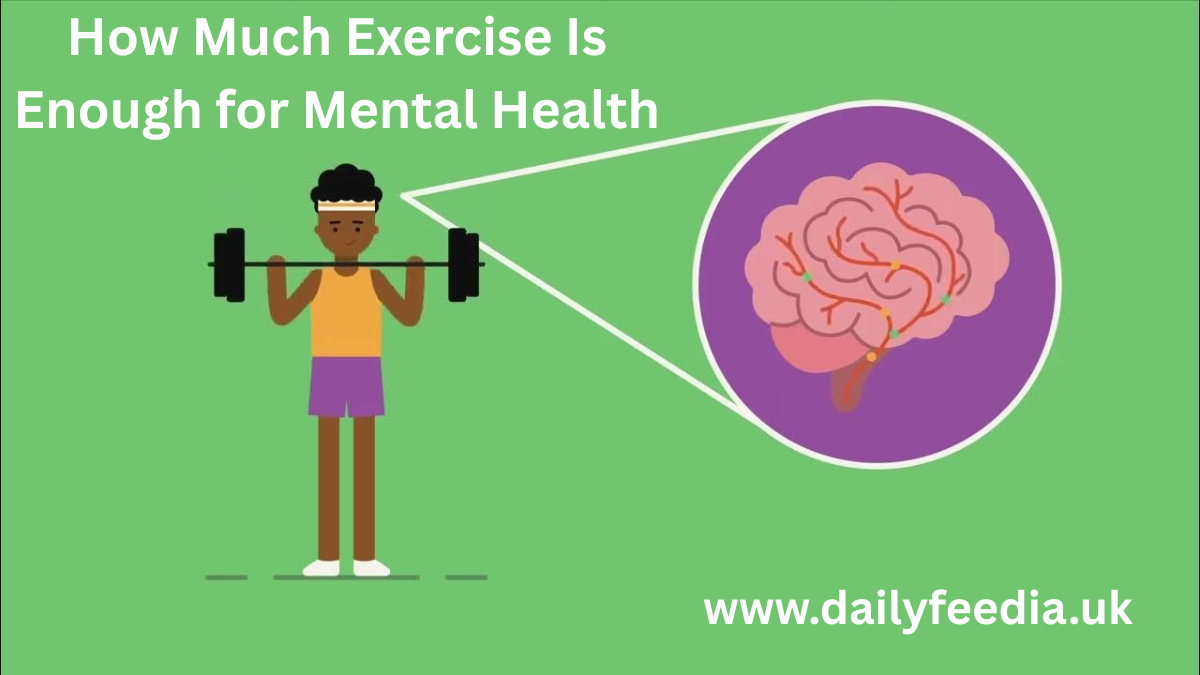
A realistic guideline for most people:
- Twenty to thirty minutes
- Three to four days per week
This is enough to notice mental benefits without adding stress.
Why consistency matters more than intensity
Short, regular movement helps more than rare intense workouts. Pushing too hard often leads to burnout, not better mental health.
Common Beginner Mistakes That Reduce Mental Benefits
Treating exercise as punishment
Exercising only when feeling guilty or stressed creates a negative mental association. Exercise should support mental health, not feel like a penalty.
Comparing progress with others
Social media comparisons reduce motivation fast. Mental health improvements are mostly internal and invisible.
Expecting exercise to fix everything
Exercise helps, but it is not a replacement for rest, support, or professional care when needed. Seeing it as one tool keeps expectations realistic.
Exercise and Anxiety: What Works Best
For anxiety, the goal of exercise is calmness, not exhaustion.
Helpful approaches include:
- Moderate walking
- Gentle cycling
- Yoga or stretching with breathing
High intensity workouts can help some people, but for beginners they may increase anxiety symptoms.
A simple anxiety friendly routine
- Ten minute walk
- Five minutes of gentle stretching
- Two minutes of slow breathing
This routine is short, manageable, and calming.
Exercise and Depression: A Realistic View
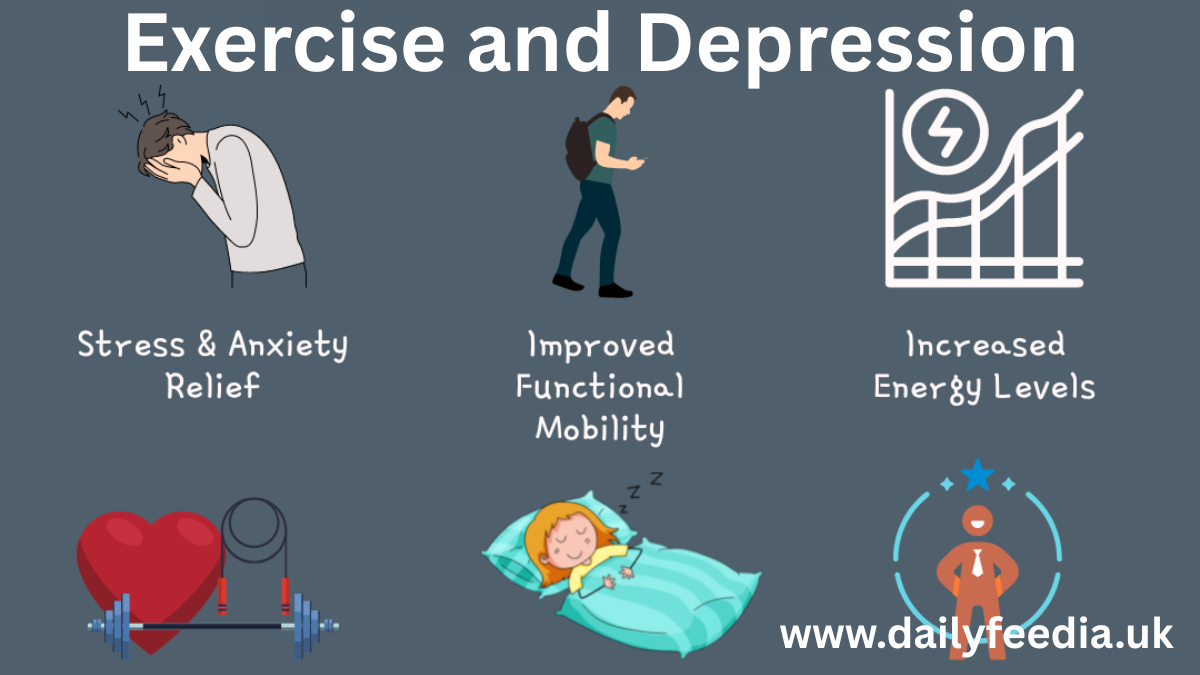
Depression often reduces motivation and energy. This makes advice like just start working out unhelpful.
What usually works better:
- Very small starting goals
- Fixed times in the day
- Simple routines without pressure
Mood improvement often comes before physical energy. Quitting early is common because changes feel slow.
How to Build an Exercise Habit That Supports Mental Health
Attach exercise to an existing habit
Examples:
- Walk after lunch
- Stretch before bed
- Exercise on fixed days after work
This reduces decision fatigue.
Track how you feel, not numbers
Notice your mood before and after exercise. This builds motivation more than tracking calories or steps.
Accept missed days without guilt
Missing sessions is normal. Returning without self criticism is what builds consistency.
Quick Comparison Table
| Exercise Type | Mental Benefit | Best For |
| Walking | Stress reduction | Beginners, busy schedules |
| Strength training | Confidence and mood | Low motivation |
| Yoga | Anxiety relief | Overthinking |
| Group sports | Social connection | Loneliness |
Safety and Limits People Often Ignore
- Overtraining can worsen mental health
- Constant pain is not progress
- Loss of motivation or dread is a sign to slow down
Listening to mental and physical signals matters.
What Most People Get Wrong About Exercise and Mental Health
You do not need intense workouts.
You do not need perfect discipline.
You do not need to enjoy every session.
You only need movement that you can repeat without stress.
Sammary
- Exercise provides real mental health benefits, including reduced stress, improved mood, better sleep, and increased self-confidence.
- Benefits appear gradually, so consistency matters more than intensity.
- Different exercise types help different needs: walking for stress, strength training for confidence, yoga for anxiety, and group activities for social connection.
- Beginners should start small, avoid comparing with others, and focus on routines they can maintain.
- Safety and realistic expectations are key; overtraining or forcing workouts can harm mental health.
- The best results come from simple, repeatable movement that fits naturally into daily life.
Frequently Asked Questions
Does exercise help mental health even if I do not lose weight?
Yes. Mental health benefits come from brain chemistry, stress control, and routine, not weight loss. Many people feel calmer and more focused even when their weight stays the same.
How long does it take to see mental health benefits from exercise?
Most people notice small changes in mood or stress within two to three weeks. Larger improvements take longer and depend on consistency and sleep quality.
Do I need a gym, or can home exercise help mental health?
A gym is not required. Walking, stretching, yoga, or simple bodyweight exercises at home can provide mental health benefits if done regularly.
Can too much exercise harm mental health?
Yes. Overtraining can cause fatigue, irritability, poor sleep, and loss of motivation. Exercise should support recovery, not constant exhaustion.
What type of exercise is best for anxiety or overthinking?
Moderate activities like walking, light cycling, or yoga work well for anxiety. Very intense workouts can increase anxiety in some people, especially beginners.
Conclusion
Exercise helps mental health when it fits into real life. It does not need to be extreme, perfect, or time consuming. Simple movement done regularly can reduce stress, improve sleep, and make emotions easier to manage.
The key is choosing something you can repeat without pressure. Start small, stay patient, and focus on how your mind responds. That is where the real benefits come from.

1 comment
[…] Sport News & Events Mental Health and Exercise Benefits: What Actually Helps… 10 Best Weight Loss Strategies That Work in… 10 Practical Gaming Tips for New Players to… Best […]