Finding the right summer dress for over 50 women is less about chasing trends and more about knowing what actually works for your body, your comfort, and your lifestyle. I learned this the hard way after years of buying dresses that looked great on a hanger and terrible once I actually wore them out the door.
A good summer dress should do three things at once. It should keep you cool when the temperature climbs. It should flatter your shape without clinging in the wrong places. And it should make you feel like yourself, not like you’re trying to dress younger or hide who you are.
This guide walks through everything that actually matters when picking a summer dress after 50, including fabric choices, silhouettes, colors, sleeve options, and where to shop without wasting money on pieces that end up in the donation pile.
Why Choosing the Right Summer Dress Gets Harder After 50
Bodies change. That’s not a bad thing, it’s just true. Waistlines shift, arms feel different, and the things that used to fit well in your 30s might not fit the same way now.
Most mainstream fashion brands still design with a younger customer in mind. That leaves a lot of women digging through racks of dresses that are either too short, too sheer, or shaped for a body type they no longer have.
The good news is that the dress market for women over 50 has actually improved a lot in the past few years. There are now far more options with proper sleeve coverage, breathable fabric, and flattering cuts that don’t sacrifice comfort for style.
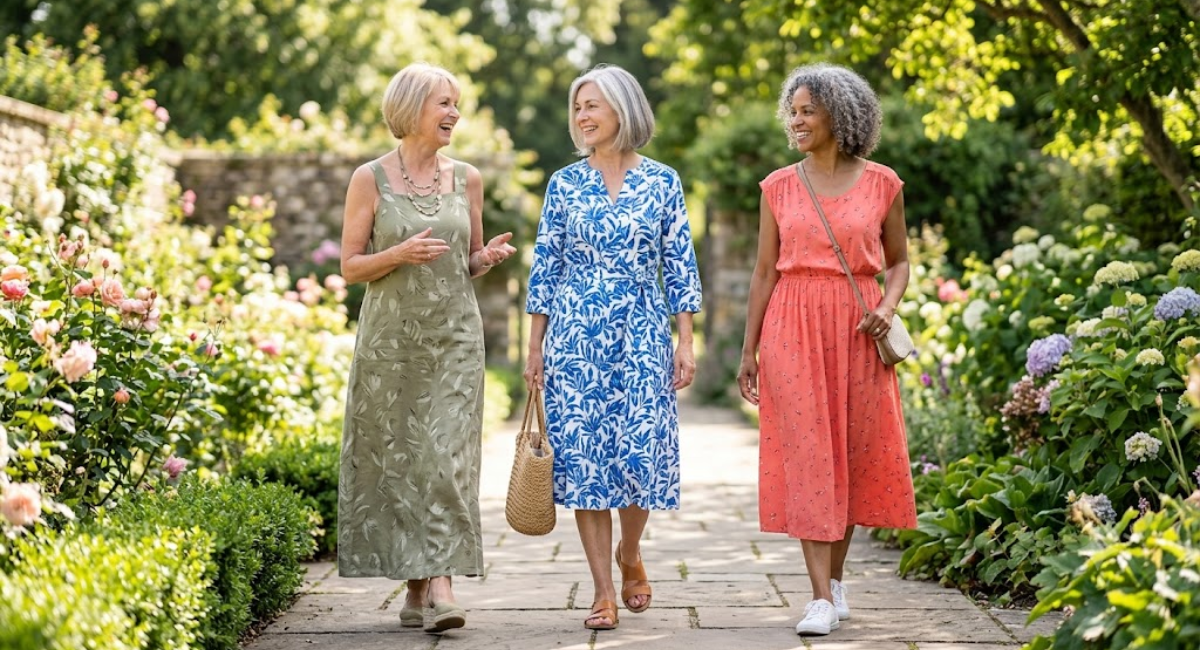
What Makes a Summer Dress Actually Work for Women Over 50
Before getting into specific styles, it helps to know what separates a great summer dress from one that looks nice in a photo but feels miserable in real life.
Breathability matters more than anything else. A dress that traps heat will ruin your day no matter how good it looks. Natural fibers breathe. Synthetic blends often don’t.
Structure beats clinginess. A dress that skims your body rather than hugging it usually photographs better and feels more comfortable when you sit, walk, or reach for something.
Coverage should be a choice, not a compromise. You shouldn’t have to choose between looking stylish and feeling covered enough to be comfortable. The right cut gives you both.
Best Fabrics for Summer Dresses After 50
The fabric you choose affects everything else, from how cool you stay to how often you’ll need to iron the thing.
- Linen. Breathable, lightweight, and naturally cooling. It wrinkles easily, but most linen dresses are meant to look a little relaxed anyway.
- Cotton. A reliable classic. Cotton dresses wash well, breathe nicely, and tend to hold their shape better than linen over a full day.
- Cotton-linen blends. These combine the cooling effect of linen with a bit more structure from cotton, which means fewer wrinkles and a cleaner silhouette.
- Rayon and viscose. Soft and flowy, often used in tiered or maxi dresses. These drape nicely but can feel warmer than cotton in direct sun.
- Jersey knit. Stretchy and forgiving, great for travel since it resists wrinkling, though it’s not always the coolest option on the hottest days.
If you’re shopping online, check the fabric content before checking the photos. A polyester blend dress might look identical to a linen one in a product image but feel completely different once you’re wearing it in 90 degree heat.
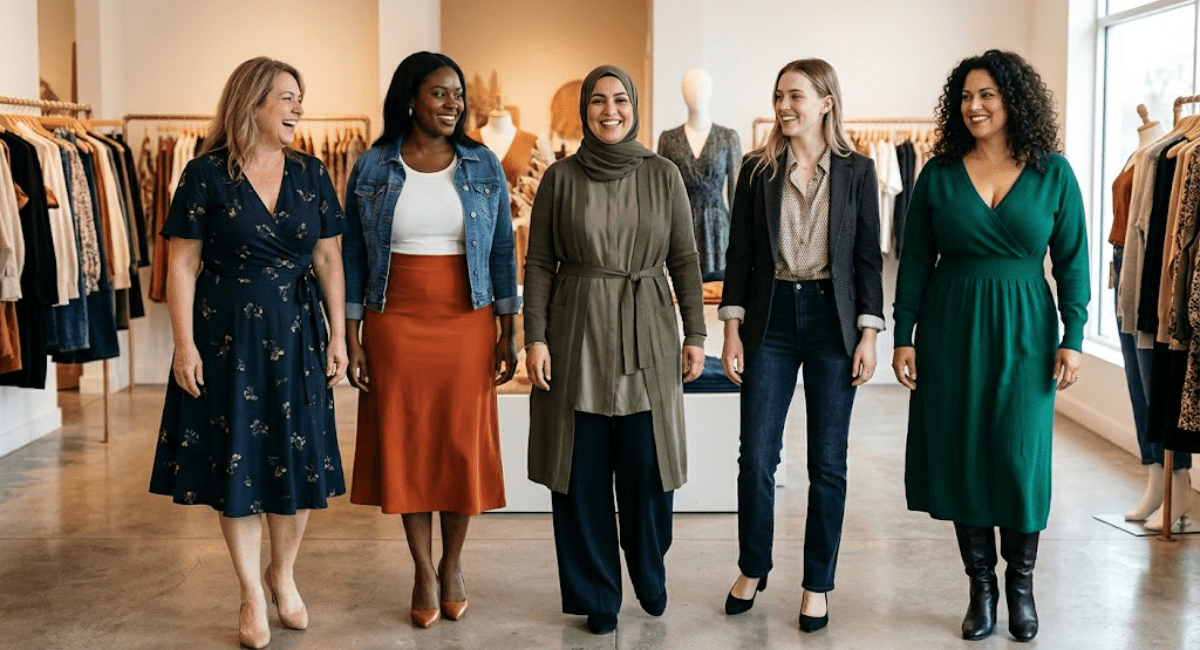
Flattering Silhouettes That Work for Real Bodies
Not every dress shape works the same way on every body, and that’s fine. Here are the silhouettes that consistently get praised by women over 50 because they actually deliver on comfort and style.
A-Line Dresses
A-line dresses skim the waist and gently flare toward the hem. This shape works for almost every body type because it doesn’t cling anywhere it doesn’t need to.
Wrap Dresses
A wrap dress creates a defined waistline without feeling restrictive. The adjustable tie means you can loosen or tighten it depending on how you’re feeling that day, which honestly matters more than people admit.
Shirt Dresses
These borrow the structure of a button down shirt and stretch it into dress length. They tend to feel more put together for errands, lunch, or travel days when you want something that looks intentional without trying too hard.
Midi and Maxi Lengths
Midi and maxi dresses create a longer line that many women find more flattering and more comfortable than shorter hemlines. They also tend to feel less fussy since you’re not constantly tugging at the fabric when you sit down.
Tiered Dresses
Tiered maxi dresses have become a favorite for summer because the layered fabric allows airflow while still creating movement and shape. They’re forgiving around the midsection and look effortless even when you didn’t put much effort in.
Sleeve Options and Coverage
This is one area where personal preference matters more than any styling rule. Some women love sleeveless dresses and never think twice about their arms. Others prefer at least a little coverage. Both are completely valid.
If you want sleeves but still want to stay cool, look for:
- Elbow length or three quarter sleeves in lightweight cotton or linen
- Flutter sleeves, which add a bit of coverage without trapping heat
- Wide straps instead of thin spaghetti straps, which tend to feel more secure and cover bra straps naturally
If you prefer sleeveless dresses, a light layer like a linen shirt, a cropped jacket, or a thin cardigan gives you the option to add coverage without committing to long sleeves all day. You can take it off the moment you get too warm.

Necklines That Flatter
The neckline draws the eye and can change how a whole dress reads. A few that consistently work well:
- V-neck. Lengthens the neck and works well with most face shapes.
- Square neck. Offers a clean, structured look that pairs nicely with simpler dress shapes.
- Boat neck. Covers the shoulders while still feeling open and summery.
- Wrap neckline. Often found on wrap dresses, this style is forgiving and adjustable.
Color Choices That Work Year After Year
Color is personal, but a few categories tend to perform well across skin tones and seasons.
Rich jewel tones like emerald, sapphire, and deep coral photograph beautifully and tend to look polished without trying too hard.
Soft neutrals including cream, sand, and soft gray work for almost any occasion and pair easily with accessories you already own.
Florals and prints in mid-sized patterns tend to be more flattering than either tiny ditsy prints or oversized bold ones, which can sometimes overwhelm the frame.
Navy deserves its own mention because it works almost like a neutral while still feeling more elevated than basic black, especially in warm weather when black can feel heavy.
Occasion Based Dress Picks
Not every summer dress needs to do every job. Thinking about where you’ll actually wear it saves you from buying something that ends up unused in the closet.
For everyday errands and casual outings, a simple cotton shirt dress or A-line dress in a solid color works hard without overthinking it.
For travel, jersey knit or wrinkle resistant blends are worth the investment since they pack well and still look fresh after a long flight or car ride.
For lunch with friends or church, a midi dress with a defined waist and a light cardigan strikes the right balance between relaxed and put together.
For weddings or special summer events, a tiered maxi dress in a richer color or a wrap dress in a printed fabric tends to feel celebratory without crossing into overly formal.
For beach days or vacation, breathable cotton or linen in a relaxed fit lets you move easily and stay cool, with the added bonus of looking effortless in photos.
Common Mistakes to Avoid
A few patterns show up again and again when summer dress shopping goes wrong.
Buying based on the model photo alone is probably the biggest one. Most product photos use models with body types that don’t reflect the average shopper, so the drape and fit can look completely different once the dress arrives.
Ignoring the fabric content is another common mistake. A dress can look identical in two different fabrics online, but one breathes and one doesn’t. Always check before buying, especially for hot climates.
Sizing down out of habit causes more returns than almost anything else. Many brands, especially linen focused ones, run large on purpose to create that relaxed look, so sizing down can sometimes work better than sticking to your usual number.
Skipping the return policy check is a quiet mistake that costs money. Since fit varies so much between brands, buying from a retailer with free returns saves the frustration of being stuck with something that doesn’t work.
Where to Shop for Quality Options
A few retailers consistently show up in recommendations from women over 50 because they design with a wider range of body types in mind, rather than treating it as an afterthought. Lands’ End, Eileen Fisher, Nic+Zoe, and Talbots all offer dresses with thoughtful sleeve lengths, breathable fabrics, and sizing that extends well beyond standard ranges. Nordstrom carries a wide mix of these brands in one place, which makes comparing styles and prices easier without bouncing between ten different websites.

How to Style a Summer Dress Without Overthinking It
Accessorizing doesn’t need to be complicated. A few simple additions can change the entire feel of a dress:
- A woven belt adds shape to a looser dress without much effort
- A wide brim hat protects your skin and instantly elevates a casual look
- Simple gold or silver jewelry adds polish without competing with a printed dress
- Comfortable sandals or a low wedge keep the outfit practical for actual walking, not just standing for photos
The goal isn’t to add more, it’s to add just enough that the outfit feels finished without feeling fussy.
Final Thoughts
The best summer dress for over 50 women isn’t about following a strict set of rules. It’s about understanding your own comfort, your own lifestyle, and choosing pieces that let you stop thinking about your clothes the moment you put them on.
Pay attention to fabric first, fit second, and let color and print be the fun part. When a dress checks those boxes, you’ll find yourself reaching for it all summer long, not just for one occasion before it gets pushed to the back of the closet.
FAQs
1. What is the most flattering summer dress style for women over 50? A-line and wrap dresses are widely considered the most flattering since they define the waist without clinging to areas that may feel sensitive.
2. What fabric is best for a summer dress for over 50 women in hot weather? Linen and cotton are the top choices because they breathe well and keep you cooler than synthetic blends like polyester.
3. Can women over 50 wear sleeveless summer dresses? Yes. Sleeveless dresses are completely appropriate at any age. If you prefer coverage, a light cardigan or linen shirt works well as an easy add on layer.
4. What dress length is best for women over 50? Midi and maxi lengths tend to be the most popular because they create a longer line and feel more comfortable for everyday movement.
5. What colors work best for a summer dress over 50? Jewel tones, soft neutrals, and navy are reliable choices that flatter most skin tones and pair easily with existing wardrobe pieces.
6. Are floral print summer dresses appropriate for older women? Absolutely. Mid-sized floral prints are especially flattering and remain one of the most popular choices in this age group.
7. How do I keep a summer dress from feeling too clingy? Choose dresses with structure, like A-line or wrap silhouettes, and avoid thin jersey blends unless you prefer a more fitted look.
8. What stores offer the best summer dresses for women over 50? Lands’ End, Eileen Fisher, Nic+Zoe, Talbots, and Nordstrom all carry well reviewed options with thoughtful fits and breathable fabrics.
9. How can I make a summer dress look more polished for work or events? Add a belt to define the waist, choose structured sandals over flip flops, and keep jewelry simple so the dress remains the focal point.
10. What is the difference between a summer dress and a sundress? A summer dress includes any dress suitable for warm weather, while a sundress specifically refers to a lightweight, often sleeveless style designed for the hottest days.