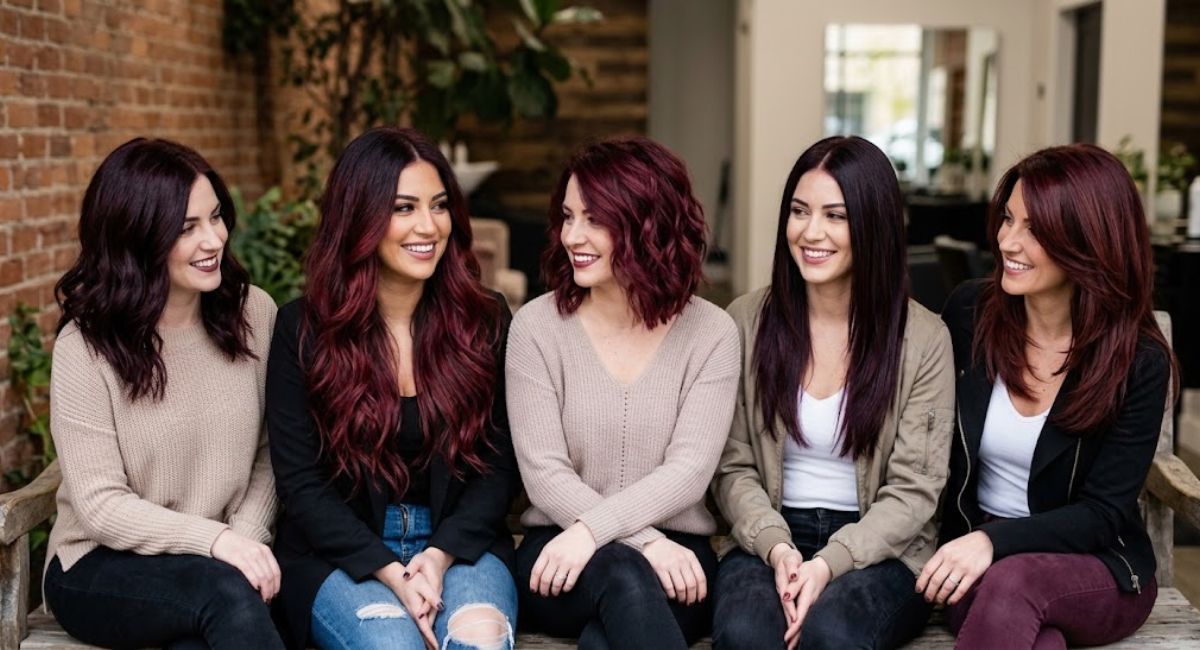
Burgundy hair shades can look almost like dark chocolate indoors, reveal a red-wine sheen in daylight, or show a noticeable violet glow when the light catches it. The difference comes down to the shade you choose, the color underneath it, and how much contrast you want.
The term burgundy hair shades covers more than one color. Some versions lean toward deep red and brown, while others have pronounced plum, violet, or cherry tones. A subtle burgundy brown can refresh dark hair without a dramatic transformation, whereas a vivid red-violet creates a more noticeable change.
Choosing the right version starts with three things: your current hair color, the undertone you prefer, and how often you are willing to refresh your color. Understanding those differences makes it easier to find a burgundy shade that looks intentional rather than unexpectedly purple, red, or too dark.
Understanding the Difference Between Burgundy Hair Shades
Burgundy is generally a deep red color with wine-like undertones. Depending on the formula, it can lean brown, violet, plum, or cherry. There is no single universal burgundy formula, so two photographs labelled burgundy may show noticeably different results.
Here is how the most common variations compare.
| Shade | Main color character | Overall effect |
| Burgundy brown | Brown with a red-wine undertone | Subtle, dimensional, and understated |
| Classic wine burgundy | Deep red with balanced violet tones | Rich and recognizably burgundy |
| Plum burgundy | Red mixed with a stronger purple influence | Cool-toned and expressive |
| Black cherry | Very deep red-violet over a dark base | Dark, glossy, and dramatic |
| Cherry cola | Brunette with cherry-red warmth | A softer red-brown appearance |
| Bright red burgundy | More visible red or magenta pigment | Bold and noticeably colorful |
| Mahogany burgundy | Red-brown with earthy warmth | Warm, muted, and less purple-looking |
These names are useful starting points, not standardized formulas. The same shade name can look different across brands, salons, hair types, and lighting conditions.
Burgundy Brown: The Understated Option
Burgundy brown combines a brunette base with a subtle red or wine reflection. From a distance, the hair may still appear brown, while the burgundy becomes more visible in sunlight or under bright indoor lighting.
This is a sensible starting point if you have dark brown hair and want a change that does not immediately read as bright red. It can also be a good option if your workplace or personal style calls for a more understated color.
Ask for a brown-dominant burgundy with restrained red-violet tones. If your natural hair is already very dark, discuss whether a gloss or a color deposit can produce the desired reflection without lightening.

Classic Wine Burgundy: The Balanced Choice
Classic wine burgundy sits between red and purple. It has enough red to look rich and enough violet to avoid appearing like a straightforward copper or auburn shade.
This option suits readers who want their hair to look unmistakably burgundy without pushing it toward bright magenta. It can work as an all-over color or as the dominant tone in a dimensional brunette look.
The finished result depends on the base. On medium brown hair, the color may appear more clearly red. On very dark hair, it can look deeper and more restrained.
Plum Burgundy: When You Prefer Cooler Color
Plum burgundy places greater emphasis on purple and violet. Compared with classic wine burgundy, it can look cooler and more dramatic, especially when the color is vivid.
It is worth considering if you prefer cool-toned clothing, purple accents, or hair colors that move away from conventional brown and red. However, you do not need to match your hair color to your wardrobe or skin undertone perfectly. Personal preference matters, too.
If you do not want a distinctly purple result, ask your colorist to keep the violet influence subtle and show you a swatch or reference photograph that matches your intended finish.
Black Cherry: Deep Color With a Red-Violet Reflection
Black cherry is a particularly deep variation, combining a dark brunette or near-black appearance with red-violet tones.
It can be an attractive choice for people who want their hair to look dark most of the time but reveal a cherry-colored sheen in brighter light. The effect depends heavily on the underlying color and the amount of red pigment used.
One important consideration is that a very dark result can be difficult to shift to a lighter, brighter burgundy later. If you are uncertain about committing to a dark shade, discuss a less intense version before coloring your entire head.
Cherry Cola: Burgundy With a Brunette Base
Cherry cola blends brunette depth with cherry-red warmth. It usually appears browner and less purple than a plum-heavy burgundy, making it a useful choice if you like red tones but do not want a strong violet finish.
The color can be particularly appealing on brown hair because the brunette base helps soften the red. Depending on the formula, the result may be subtle or noticeably cherry-toned.
For a more natural-looking finish, ask for a brown-dominant result with red reflections rather than a uniform, highly saturated red.
Bright Red Burgundy: For More Visible Color
Bright red burgundy emphasizes the red, berry, or magenta side of the color family. Unlike black cherry or burgundy brown, it is intended to be noticeable even when the hair is not directly in sunlight.
This shade is best approached with a clear understanding of your starting color. If you have naturally dark hair and want a vivid result, your colorist may need to lighten some or all of the hair, depending on the target shade and the existing color.
Lightening can increase the risk of dryness and breakage, particularly if your hair has already been chemically treated. Ask about the least damaging realistic route to your chosen result.

Which Burgundy Shade Should You Choose for Your Skin Undertone?
Skin undertones can help you narrow down your options, but they should not be treated as strict rules. Burgundy contains several different combinations of red, brown, and violet, which means the shade can be adjusted to suit a wide range of complexions.
If Your Undertone Is Cool
Cool undertones often work well with burgundy shades that contain violet, plum, or blue-red influences.
Consider:
- Plum burgundy for a distinctly cool appearance.
- Classic wine burgundy for a balanced red-violet finish.
- Black cherry for a deep, cool reflection.
If you prefer a more natural-looking result, choose a darker shade with restrained violet pigment rather than an intensely purple formula.
If Your Undertone Is Warm
Warm undertones can pair well with burgundy shades that contain more red or brown. These versions retain the depth of burgundy without leaning too heavily into purple.
Consider:
- Cherry cola for a brunette look with red warmth.
- Mahogany burgundy for an earthy red-brown finish.
- Brown-dominant burgundy for a subtle color change.
A strongly violet shade can still be a deliberate style choice. The aim is to choose the effect you enjoy, not to follow a rigid beauty rule.
If Your Undertone Is Neutral
Neutral undertones give you flexibility to experiment with both warm and cool burgundy variations.
Classic wine burgundy is a useful middle ground, while cherry cola offers a warmer alternative and plum burgundy creates a cooler finish. Your natural hair color and preferred level of contrast may be more useful deciding factors than undertone alone.
Look at More Than Your Skin Tone
Reference photos can be misleading because lighting, filters, makeup, and hair styling all affect how a shade appears.
When selecting a color, look for photographs with similar natural hair depth and compare them in different lighting conditions. If possible, ask your colorist to show you how the proposed formula is expected to look against your starting shade.
For more inspiration before choosing a color direction, explore DailyFeedia’s subtle hair color ideas for women and hair color inspiration for women.
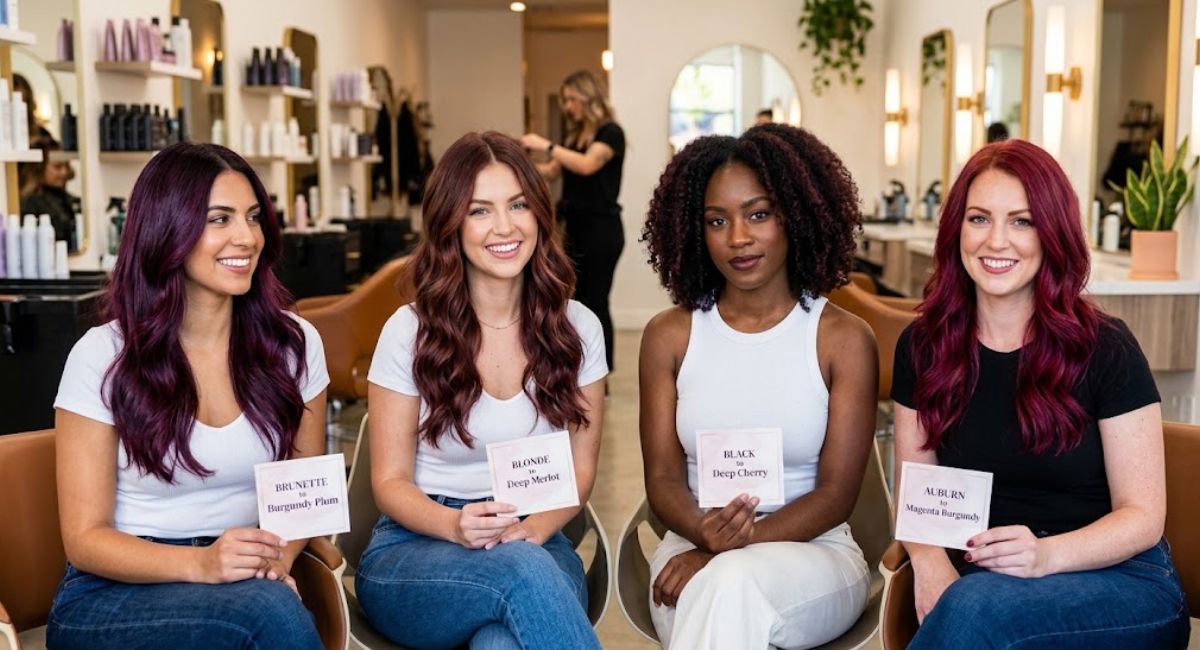
Choosing Burgundy Based on Your Current Hair Color
Your existing hair color often determines how much work is required to achieve the burgundy you want. Applying a shade over natural hair is not the same as applying it over previously dyed hair.
Naturally Black or Very Dark Brown Hair
If your hair is naturally black or very dark brown, deep burgundy, black cherry, and brunette-based cherry cola are logical options to discuss.
A subtle burgundy may show primarily as a reflection instead of an obvious red color. This can be desirable if you want to retain a dark appearance.
If you want bright red or vivid violet-burgundy, the process may require lightening. The result depends on your natural pigment, previous color treatments, hair condition, and the formula being used.
Do not assume that choosing a lighter-looking box dye will make previously dyed dark hair lighter. Artificial color and natural pigment behave differently, so a professional assessment is useful if your hair has a color history.
Medium or Light Brown Hair
Brown hair provides a flexible starting point for many burgundy variations.
Burgundy brown and cherry cola can add red dimension without requiring a dramatic shift in depth. Classic wine burgundy may produce a more obvious transformation, while plum burgundy emphasizes violet.
If you want a dimensional finish, consider burgundy highlights or balayage rather than a single all-over color. This allows the red tones to appear more prominently in selected sections.
Blonde or Previously Lightened Hair
Blonde hair can show red and violet pigments more vividly because the underlying color is lighter. That can make it easier to achieve a bright burgundy, but it also means the result may look much more saturated than expected.
Previously lightened or porous hair can absorb color unevenly, and the shade may fade differently across the lengths. A colorist may recommend a tailored approach to achieve an even result.
If you want to return to blonde eventually, discuss that plan before choosing a deep burgundy. Red and violet pigments can leave residual color that complicates later lightening.
Previously Dyed Hair
Existing artificial color deserves special attention. Your hair may have darker roots, faded lengths, old highlights, or several layers of permanent dye.
These differences can affect how burgundy develops across the head. Applying one formula everywhere may not produce a uniform result if the starting color is uneven.
Bring details of previous coloring treatments to your appointment, including any home dye, bleach, highlights, or color-removal services. This information helps your colorist choose a realistic process.
All-Over Burgundy or Burgundy Highlights?
Once you have chosen a color family, the next decision is how to apply it. The same burgundy shade can create a very different appearance depending on whether it covers the entire head or appears in selected sections.
All-over burgundy creates a more unified result. It works well if you want a recognizable color change, particularly with classic wine, plum, or cherry burgundy.
Burgundy highlights add red or violet accents to a darker base. They can create dimension without turning the entire head burgundy. Placement matters: fine highlights give a softer effect, while wider sections produce stronger contrast.
Burgundy balayage uses strategically placed color to create a blended result through the lengths. The amount of contrast can be adjusted to suit your starting shade and desired maintenance.
Face-framing burgundy places color around the front sections of the hair. It can make the red tone more noticeable without requiring the same degree of color coverage throughout the head.
Burgundy ends concentrate the color toward the lower lengths. This option offers a more localized change, although lightening or coloring the ends can still affect their condition.
If your main priority is low maintenance, a burgundy shade close to your natural base or a carefully blended placement may be easier to manage than a vivid all-over color with noticeable root contrast. Reducing root contrast does not eliminate fading, however.
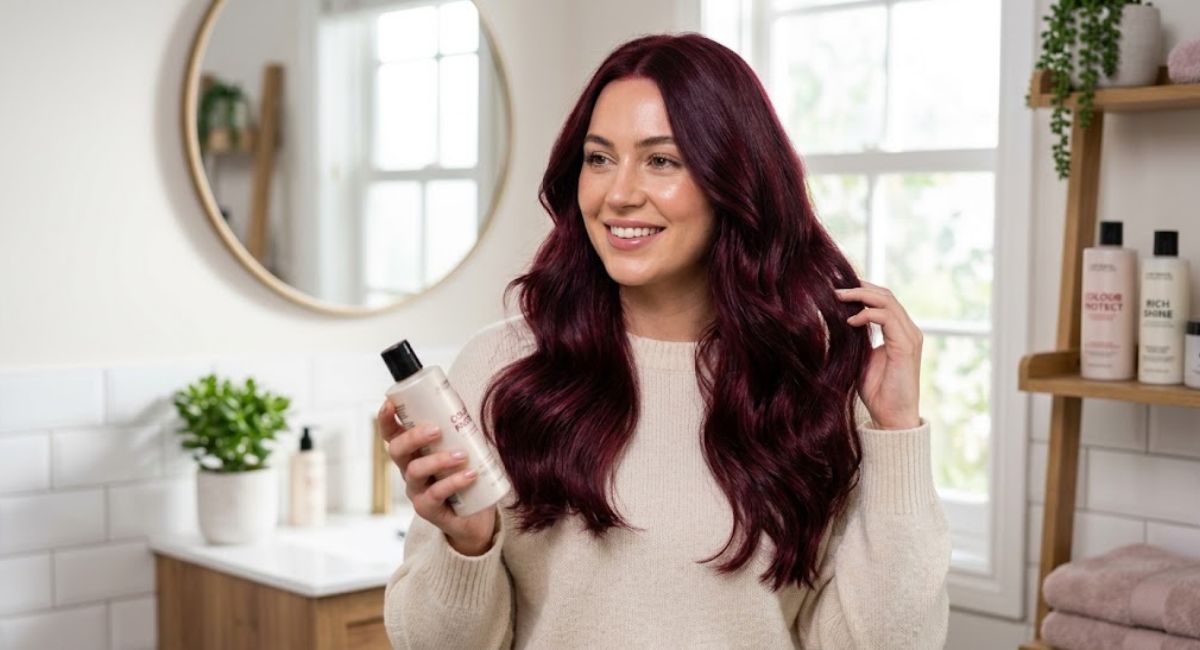
How to Keep Burgundy Hair Looking Rich
Burgundy can lose its vibrancy with repeated washing, heat styling, and exposure to environmental factors. Red-toned colors may be especially noticeable as they fade because the original richness gradually changes.
A practical care routine can help you preserve the finish for longer.
Wash With Color-Treated Hair in Mind
Choose a gentle shampoo and conditioner designed for color-treated hair. Wash when your scalp needs it, but avoid unnecessary washing if you are trying to preserve a freshly colored result.
Very hot water may make washing less comfortable for dry or damaged hair, so comfortably warm water is a sensible choice. No shampoo can stop fading completely.
Reduce Unnecessary Heat Exposure
Frequent high-heat styling can contribute to hair damage and affect the appearance of colored hair.
Use a suitable heat protectant when styling with hot tools, and choose moderate temperatures appropriate for your hair. Air-drying when practical can reduce the amount of heat your hair experiences.
Consider a Color-Refreshing Gloss
A gloss or color-refreshing service can help restore shine and refresh a burgundy tone between major appointments.
The appropriate product depends on the shade you have and the amount of pigment that has faded. A color-depositing product with too much violet or red can shift the result away from your intended shade, so choose one designed for your color direction.
Plan for Root Growth and Fading Separately
Root growth and fading are two different maintenance issues. Your roots may need attention because your natural color is showing, while the mid-lengths and ends may need a gloss or color refresh.
A blended technique can reduce the visual contrast as roots grow, but it does not automatically preserve the red tones in the lengths.
Ask your colorist what will need refreshing first and how often you should reassess the color. The schedule depends on the formula, your washing habits, and the look you want to maintain.
Mistakes to Avoid Before Going Burgundy
A little preparation can help prevent a disappointing result.
Choosing a shade from its name alone. Burgundy, black cherry, plum, and cherry cola are not interchangeable. Compare the actual red, brown, and violet balance in reference photos.
Ignoring your starting color. The same dye can produce different results on black, brown, blonde, and previously colored hair. Discuss the expected result before committing.
Assuming burgundy is maintenance-free. Dark burgundy may disguise root growth, but its red tones can still fade. Choose the shade with a realistic understanding of upkeep.
Using a dramatic reference photo without considering the process. A vivid burgundy photographed on lightened hair may not be achievable by simply applying color to naturally black hair.
Overlooking your future color plans. If you expect to return to blonde or another light shade soon, mention that before choosing a deep red-violet formula.
Trying to correct a major color mismatch immediately. Repeated coloring or lightening can put additional stress on the hair. If the result is too dark, too red, or too purple, consult a qualified colorist before attempting a correction.
Frequently Asked Questions About Burgundy Hair Shades
What is the most natural-looking burgundy hair shade?
Burgundy brown and cherry cola are good starting points if you want a natural-looking brunette finish with red undertones. The most natural result usually depends on how closely the color relates to your original hair depth.
Is burgundy hair red or purple?
Burgundy is a deep red color that can contain brown or violet undertones. Some versions look predominantly red, while plum burgundy and black cherry have a stronger purple influence.
Can you get burgundy hair without bleaching?
Yes, some darker burgundy shades can be achieved without bleach, particularly on suitable brown hair. However, vivid or lighter burgundy results may require lightening, depending on your starting color and the desired result.
Previously dyed hair may require a different approach from natural hair, so a colorist should assess it before recommending a process.
Does burgundy hair suit dark skin?
Burgundy can work beautifully across a wide range of skin tones, including deep complexions. Wine burgundy, black cherry, plum, and brighter red-violet shades each create different effects. Choose based on your preferred color intensity and undertone rather than assuming only one variation will suit you.
Does burgundy hair fade quickly?
Burgundy can lose vibrancy over time, particularly with frequent washing and heat styling. The rate depends on the coloring product, your starting hair condition, the chosen formula, and your care routine.
Gentle color-safe products and occasional color-refreshing treatments can help maintain the appearance, but no routine prevents fading entirely.
Is burgundy different from maroon and mahogany?
Yes, although the terms can overlap. Burgundy generally leans toward deep red with wine or violet undertones. Maroon is usually a red-brown shade, while mahogany often has a warmer, earthy red-brown character. Exact meanings vary between color brands and salons.
Which burgundy shade is best for low maintenance?
A deep burgundy brown close to your natural hair color is often a practical option because the regrowth contrast can be less noticeable. A blended burgundy balayage may also suit someone who wants fewer root touch-ups. Both options can still require color refreshing as the red tones fade.
Final Thoughts
The best burgundy hair shade is the one that delivers the color effect you actually want. Burgundy brown and cherry cola offer a brunette-led finish, classic wine burgundy provides a balanced red-violet appearance, and plum or black cherry creates a cooler, more dramatic result.
Before choosing, compare reference photos with your current hair color, decide how visible you want the red tones to be, and consider how you will maintain the result. If your hair is previously dyed, lightened, or damaged, get a professional assessment before attempting a major color change.
A clear plan for shade, application, and upkeep will do more for your final result than choosing a color simply because its name sounds appealing.

1 comment
[…] 15 Red Christmas Nail Designs for a Festive… Soft Natural Makeup Looks: Beautiful Ideas for an… Burgundy Hair Shades: How to Choose the Right… Midnight Mocha Fall Nails: 15 Dark Brown Designs… 15 Smart Business Casual Outfits With Sneakers […]
Comments are closed.