If you’re scrolling through hairstyle inspiration and keep landing on the same wispy, voluminous cut, chances are you’ve found the butterfly layers haircut medium length trend that’s taken over salons this year. This style isn’t just another passing fad. It’s a layering technique built on real structure, and once you understand how it works, you’ll know exactly why it looks so good on so many different hair types.
I’ve watched this cut go from a niche stylist trick to one of the most requested looks at salons, and for good reason. The butterfly layers haircut medium length version gives you movement without chopping off your length, which is exactly what most people want when they sit in that chair feeling nervous about scissors.
In this guide, we’re covering everything. What the cut actually is, who it flatters, how to ask for it correctly, how it compares to similar cuts, and how to style it at home so it doesn’t fall flat by lunchtime.
What Exactly Is a Butterfly Layers Haircut Medium Length?
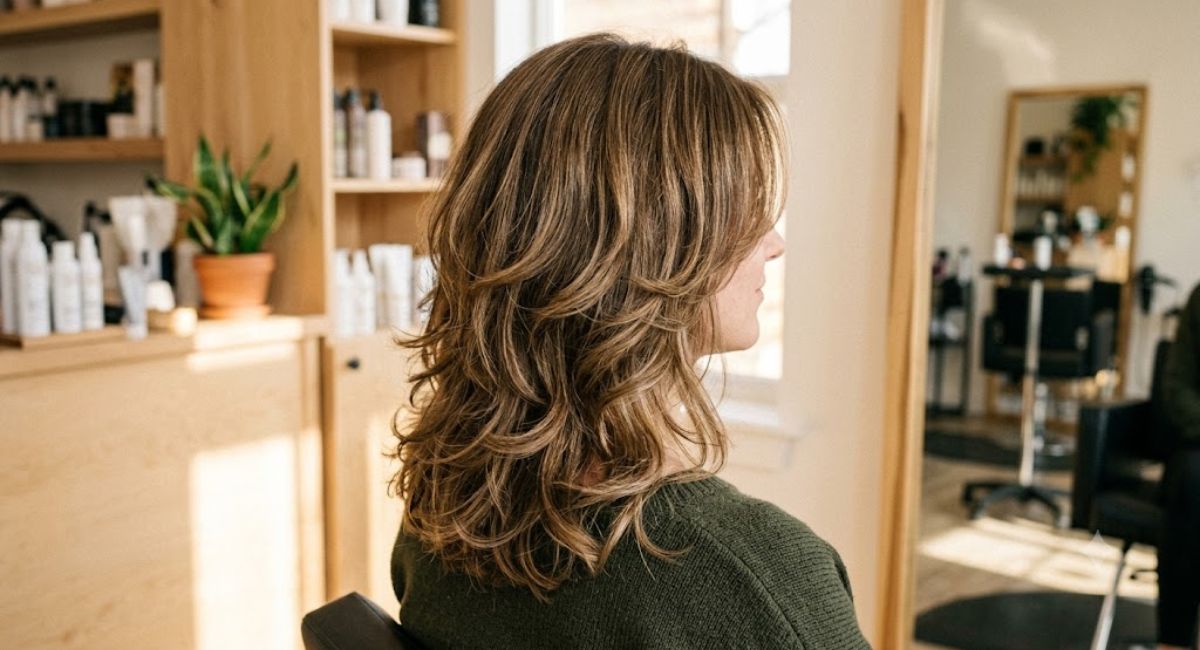
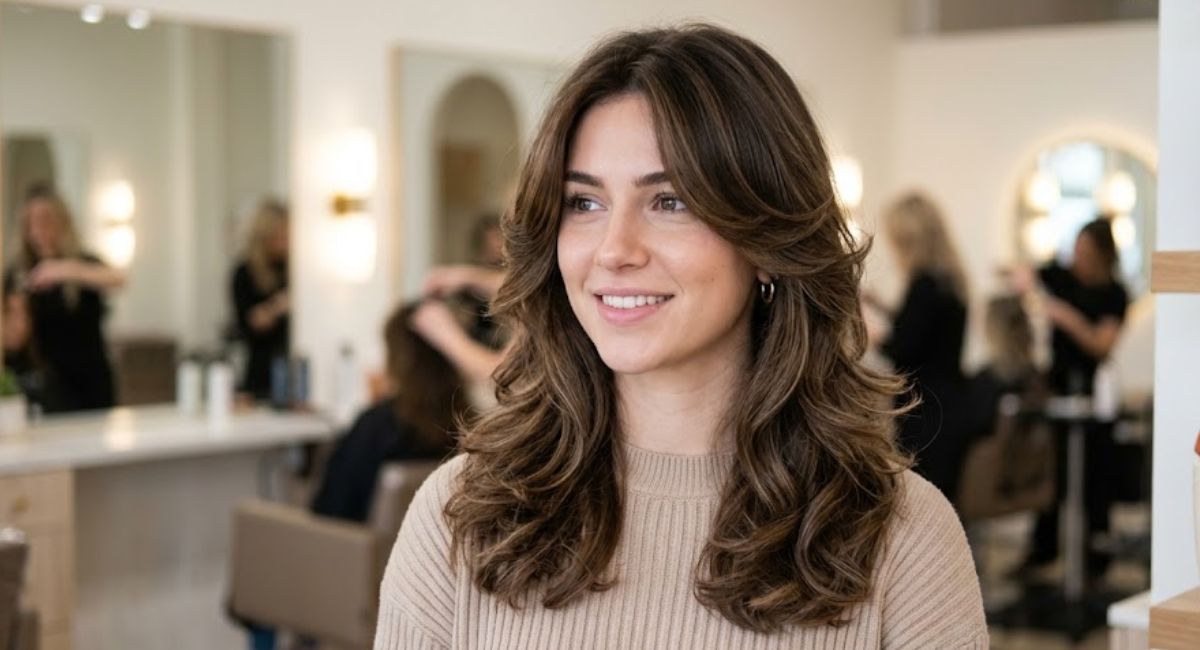
The butterfly haircut is a layering method that blends shorter, face-framing pieces with longer layers underneath. Think of it like two haircuts working together. The top layers sit shorter, usually around the chin or cheekbone, while the bottom layers stay long and flowing.
The name comes from the shape the layers create when you tilt your head forward. They fan out like wings, which is a bit poetic for something that started as a practical way to add volume to flat, one-length hair.
This cut was coined by stylist Sunnie Brook, and the core idea is contrast. Unlike other layered cuts where dimensions are blended for all-around texture, the butterfly cut relies on high contrast between a chin length layer and longer locks. That contrast is what gives it the lift and dimension people are chasing.
Why Medium Length Is the Sweet Spot
Not every length works equally well for this cut, and I’ll be honest with you here. Those with medium length hair typically fare best with a combination of short and longer layers, while those with long strands may want to start their layers a bit further down, around the chin, to maintain a flowy, fluid style.
Shoulder length hair has just enough surface area to show off the layering without losing all its weight. Go too short and the layers can look choppy instead of soft. Go too long without adjusting the layer placement and you lose that signature bounce.
Medium length also means less commitment. You’re not signing up for a drastic chop, and if you decide the style isn’t for you, growing it out is far less painful than recovering from a short cut gone wrong.
Who This Haircut Flatters Best
One of the biggest myths floating around is that the butterfly cut only works on thick, wavy hair. That’s simply not true.
Straight hair: Works beautifully, though it needs a bit more styling effort to hold the shape. A round brush and blow dryer are your best friends here.
Wavy hair: This is where the cut practically styles itself. The natural texture enhances the layering with almost no effort.
Curly hair: The layers can enhance natural curl patterns, though a stylist experienced with curls should handle the cutting since curls behave differently dry versus wet.
Fine or thin hair: The shorter face-framing layers add the illusion of volume, which is exactly what thin hair needs.
Thick hair: The layering removes bulk and weight, making the hair easier to manage day to day.
According to research from L’Oréal Paris, the layered butterfly cut has remained a favorite among hairstylists for years because it is versatile, flattering, and surprisingly low maintenance, giving both volume and movement without sacrificing length. That last part matters. A lot of layering techniques trade length for texture. This one doesn’t force that compromise.
Butterfly Cut and Face Shape: What to Consider
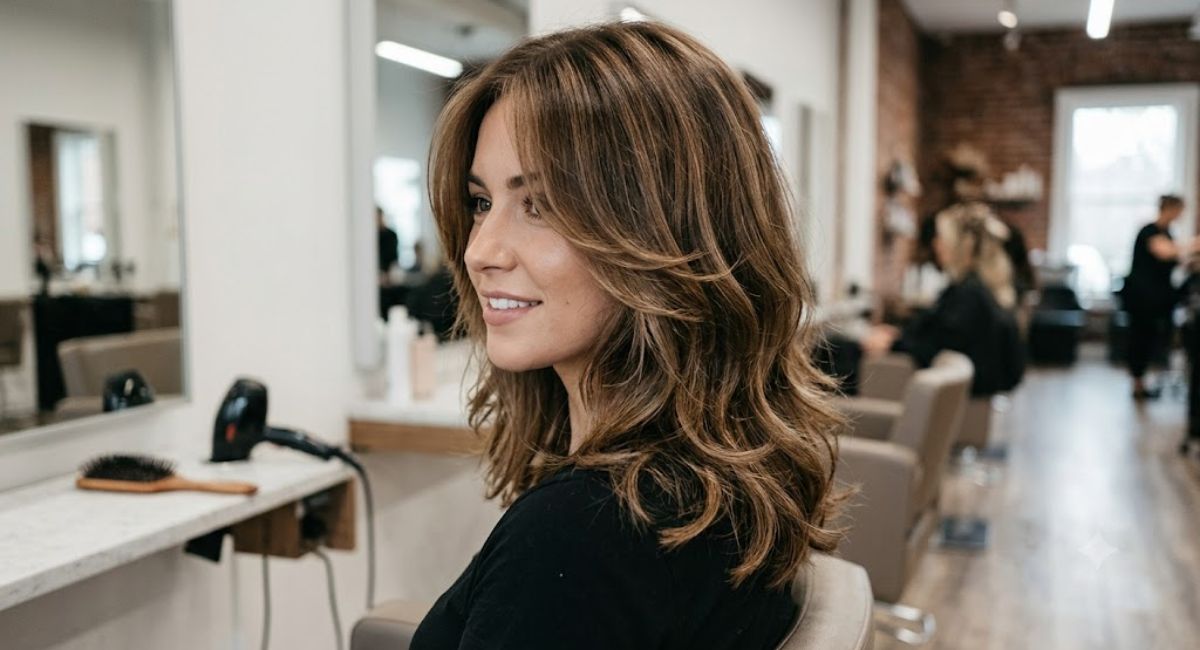
Your face shape plays a real role in how the layers should be positioned, and a good stylist will factor this in before making the first cut.
- Round faces: Layers starting around the cheekbone help elongate the face
- Square faces: Soft, feathered layers around the jaw soften angular features
- Oval faces: Almost any layer placement works well here
- Heart shaped faces: Longer layers with subtle face framing balance a wider forehead
One styling site noted that this cut helps oblong face shapes appear more balanced, since the butterfly haircut gives volume on the sides and layers around the face, reducing length and making the oblong face shape appear more proportional.
Butterfly Cut vs. Other Popular Layered Styles
People often confuse the butterfly cut with other popular layered styles, so it helps to know what sets it apart before you commit to one.
Butterfly cut versus shag: A shag distributes texture fairly evenly from root to tip, giving a shredded, undone look throughout. The butterfly cut, on the other hand, concentrates its shortest layers near the face and chin, leaving the rest of the length mostly intact. If you want an all-over textured look, go shag. If you want volume concentrated near your face with length preserved everywhere else, the butterfly cut wins.
Butterfly cut versus curtain bangs: Curtain bangs are a fringe style parted down the middle and swept to each side, framing the face from the forehead down. A butterfly cut can absolutely be paired with curtain bangs, and many of the most photographed versions of this style do exactly that. On their own though, curtain bangs only affect the front section, while the butterfly cut reshapes layering throughout the whole head.
Butterfly cut versus long layers: Traditional long layers are typically blended and gradual, with less dramatic contrast between sections. The butterfly cut is intentionally bolder, using noticeable shorter pieces to create that fluttery, wing-like shape when you look down or move your head.
Knowing these differences matters because it changes what you should say to your stylist. Asking for “long layers” and asking for a “butterfly cut” can produce two very different results, even though both involve layering.
How to Ask Your Stylist for This Cut
This is the part people mess up most often. Walking into a salon and just saying “I want a butterfly cut” can lead to disappointment if you and your stylist aren’t picturing the same thing.
Here’s what actually helps:
- Bring reference photos of medium length butterfly cuts, ideally on hair similar to your texture and density
- Specify where you want the shortest layers to land (chin, cheekbone, or collarbone)
- Mention your styling habits. If you don’t blow dry often, ask for softer, more forgiving layers
- Talk about your hair goals, whether that’s more volume, less bulk, or easier styling
- Ask about maintenance before you commit, since layered cuts often need trims every eight to ten weeks to keep their shape
A good stylist will also look at your natural part and growth pattern before finalizing where the shorter pieces should sit. This is a detail a lot of at-home tutorials skip entirely, and it’s often the reason two people can get “the same haircut” with completely different results.
Styling Tips to Keep the Layers Looking Full
Getting the cut is only half the equation. Styling is where the butterfly layers haircut medium length look either shines or falls flat.
For straight hair: Use a round brush while blow drying and direct the shorter layers away from your face. A small amount of volumizing mousse applied at the roots before drying makes a noticeable difference.
For wavy hair: A texturizing spray or light curl cream can enhance what your hair is already doing naturally. Avoid heavy products that weigh the layers down.
For all textures: A medium barrel curling iron on just the ends of the top layers adds definition without looking overdone. One source recommends this exact approach, noting that stylists often use a medium barrel curling iron to curl the longer layers, wrapping each section away from the face to enhance the flowing, layered shape of the cut.
Dry shampoo is genuinely underrated for this cut. Since the layers create so much natural volume, you can often stretch two or three days between washes, especially at the roots where most of the bounce comes from.
Best Color Choices to Show Off the Layers
Color choice can make or break how visible the layering actually looks day to day, and it’s worth thinking about before your appointment rather than after.
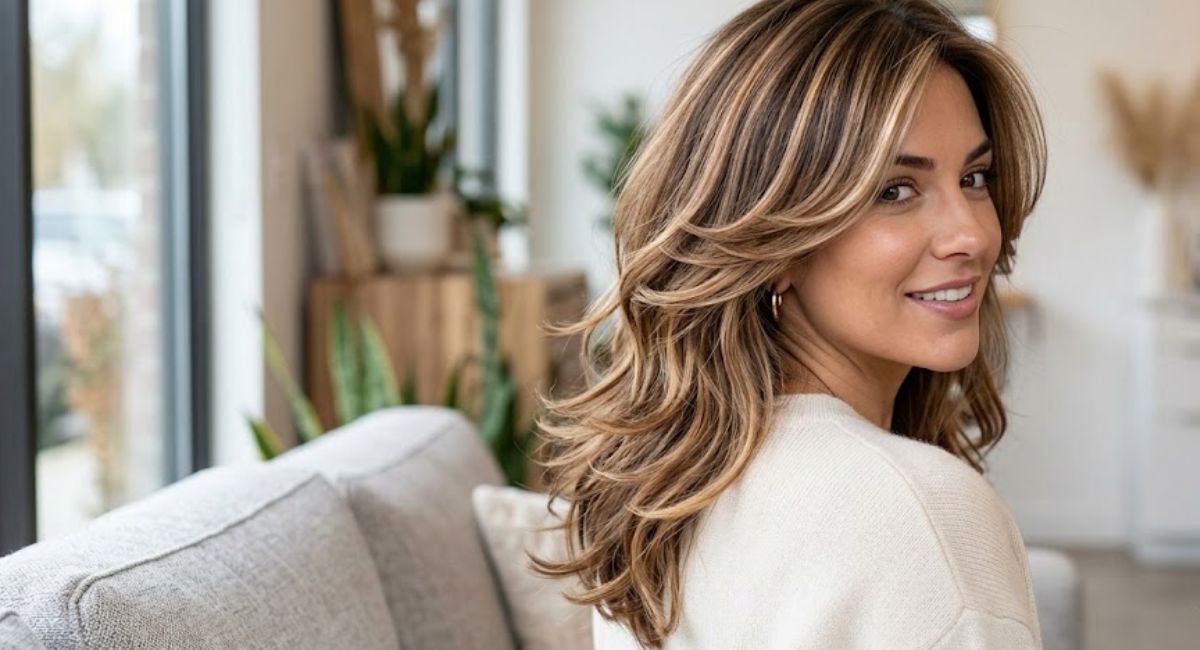
Solid, one-tone color tends to hide layers somewhat, since there’s no contrast to help the eye separate one section from another. Dimensional color, like subtle highlights or lowlights, does the opposite. It draws attention to where the shorter layers sit and adds depth to the longer pieces underneath.
Balayage and face-framing highlights pair especially well with this cut because they follow the natural movement of the layers rather than fighting against it. Warm tones like caramel, honey, and copper tend to show off texture beautifully, while cooler tones like ash brown can sometimes flatten the visual effect slightly, though they still look great overall.
If you’re not ready for a full color change, even a few strategically placed face-framing highlights around the shortest layers can make the whole cut look more intentional and dimensional.
Common Mistakes to Avoid
I’ve seen plenty of butterfly cuts go wrong, and it’s rarely the technique itself that’s the problem. It’s usually one of these:
- Skipping regular trims. The layers grow out unevenly and lose their shape faster than a blunt cut
- Using heavy oils or serums on the crown. This weighs down the very volume you’re trying to create
- Not communicating length priorities. If keeping length matters to you, say so clearly before the first cut
- Ignoring hair density. Very fine hair may need fewer, softer layers than what’s shown in inspiration photos, since too many layers can look sparse
- Ignoring your natural texture. What looks amazing on a stylist’s model with beach waves might need adjustment for pin straight hair
- Trying to DIY the initial cut. Trimming your own ends between salon visits is fine, but the actual layer placement really should be left to a professional the first time around
One styling guide pointed out a real downside worth knowing about ahead of time. Without some styling, the layers can flatten out through the day, especially on straighter hair. That’s not a reason to skip the cut, but it is a reason to plan for a few extra minutes with a brush or curling iron on the days you want it looking its fullest.
How Long Has This Style Actually Been Around
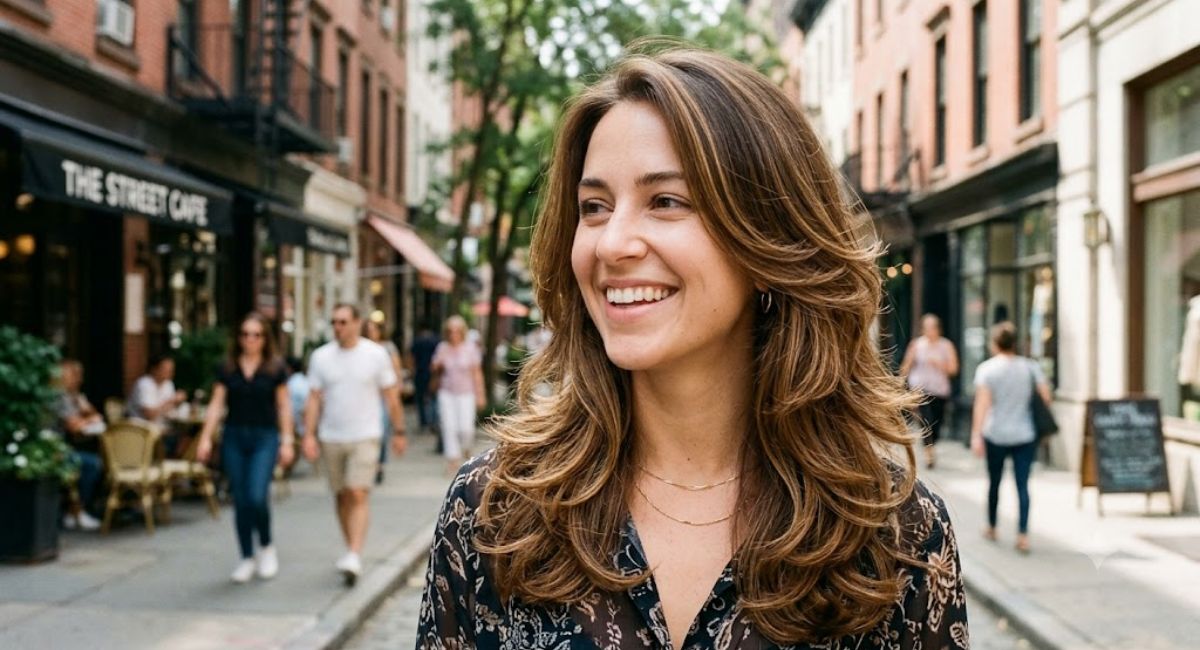
It might feel like a brand new trend, but the roots go back further than most people assume. The butterfly haircut was first introduced in the 1950s, then rose to popularity again in the 1990s and mid 2010s, before becoming highly popular in 2023 through TikTok and other social platforms. Knowing this helps explain why it feels both nostalgic and fresh at the same time. It’s essentially a modern update on layering techniques that have quietly worked for decades.
Maintenance and Longevity
A butterfly cut isn’t a wash-it-and-forget-it style, but it’s far from high maintenance either. Here’s a realistic breakdown:
Trims: Every 8 to 10 weeks to maintain the layer shape Daily styling: 5 to 10 minutes with a round brush or curling iron for best results Product needs: Volumizing mousse or a light texturizing spray, nothing heavy Air drying: Possible, especially on wavy or curly hair, though the layers will look softer and less defined
If you’re someone who genuinely doesn’t want to style your hair most mornings, ask your stylist for slightly softer, less dramatic layering. It won’t look quite as striking on a photo, but it’ll hold up better with minimal effort.
Final Thoughts
The butterfly layers haircut medium length trend has stuck around this long because it actually delivers on what it promises. Volume, movement, and a face framing effect that works across straight, wavy, and curly textures. It’s flattering on most face shapes, forgiving for most hair densities, and it doesn’t force you to sacrifice length for texture.
If you’re on the fence, bring reference photos to your next salon visit, be specific about where you want the layers to fall, and don’t be afraid to ask questions about maintenance before you commit. A cut this personalized only works well when you and your stylist are on the same page from the very first snip.
FAQs
1. What is a butterfly layers haircut? It’s a layering technique that blends shorter, face-framing pieces with longer layers underneath, creating volume and movement while keeping overall length.
2. Does a butterfly haircut work on medium length hair? Yes, medium length is actually considered one of the best lengths for this cut since it shows off the layering without sacrificing too much length.
3. Is the butterfly haircut good for thin hair? Yes, the shorter face-framing layers create the illusion of volume, making it a popular choice for fine or thin hair.
4. How often do I need trims with this haircut? Most stylists recommend a trim every 8 to 10 weeks to keep the layers looking sharp and intentional.
5. Can I get a butterfly cut with straight hair? Absolutely, though straight hair typically needs a bit more styling with a round brush and blow dryer to bring out the shape.
6. Will a butterfly cut work with curly hair? Yes, it can enhance natural curl patterns, but it’s best done by a stylist experienced with curly hair cutting techniques.
7. What’s the difference between a butterfly cut and a shag? A shag has evenly distributed texture throughout, while a butterfly cut concentrates its shortest layers near the face, leaving the rest of the length mostly intact.
8. What face shapes suit the butterfly haircut best? Round, square, oval, and heart shaped faces can all wear this cut well, with layer placement adjusted to flatter each shape.
9. What color works best with a butterfly cut? Dimensional color like balayage or face-framing highlights, especially in warm tones, tends to show off the layering better than a single flat color.
10. Is the butterfly haircut high maintenance? It’s moderate. Regular trims are needed to keep the shape, but daily styling can be quick with the right products.