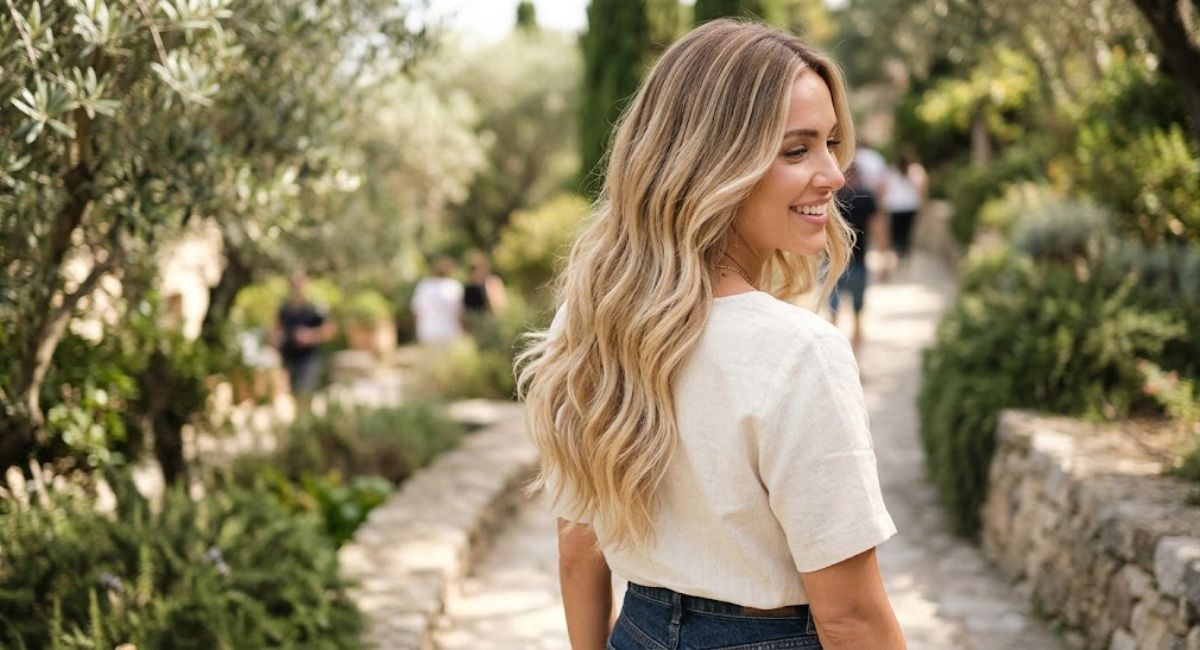
Balayage hair blonde is one of the most requested salon techniques in the world right now, and honestly, it deserves every bit of that attention. Unlike traditional highlights that can look striped or grow out awkwardly, balayage blonde creates soft, sun-drenched color that blends naturally into your base. Whether you have dark brown hair or are already a natural blonde looking to brighten things up, this technique can completely transform how your hair looks and feels.
This guide covers everything from how balayage actually works, to what to ask your colorist, to how to maintain that gorgeous color at home.
What Is Balayage Blonde and Why Is Everyone Talking About It?
Balayage comes from the French word meaning “to sweep.” The technique involves hand-painting lightener directly onto sections of hair, rather than wrapping strands in foil. The result is color that mimics what the sun naturally does to your hair, concentrating lighter tones on the ends, the face frame, and the top layers.
The reason balayage blonde has stayed so popular is simple. It grows out beautifully. There are no harsh lines of demarcation that scream “your roots are showing.” Instead, you get a gradual, seamless transition from your natural base to the lighter ends. Most people can go three to six months between appointments without looking like they have neglected their color.
Traditional highlights, on the other hand, can start looking obvious within six to eight weeks. The contrast between foiled roots and your natural growth becomes a maintenance nightmare. Balayage solves that problem completely.
Balayage Blonde vs. Highlights: What Is Actually Different?
A lot of people use these terms interchangeably, but they are not the same thing.
Balayage:
- Painted freehand onto the surface of the hair
- Creates soft, diffused color with no hard lines
- Grows out naturally with very low maintenance
- Result looks more dimensional and organic
Traditional Highlights:
- Applied using foils or caps to isolate sections
- Creates more uniform, precise color placement
- Grows out with visible regrowth lines
- Works well for a more dramatic, all-over lightened look
Some colorists combine both techniques, using balayage for the main body of the hair and foils to brighten the face frame. This is sometimes called foilayage, and it gives you the best of both worlds.
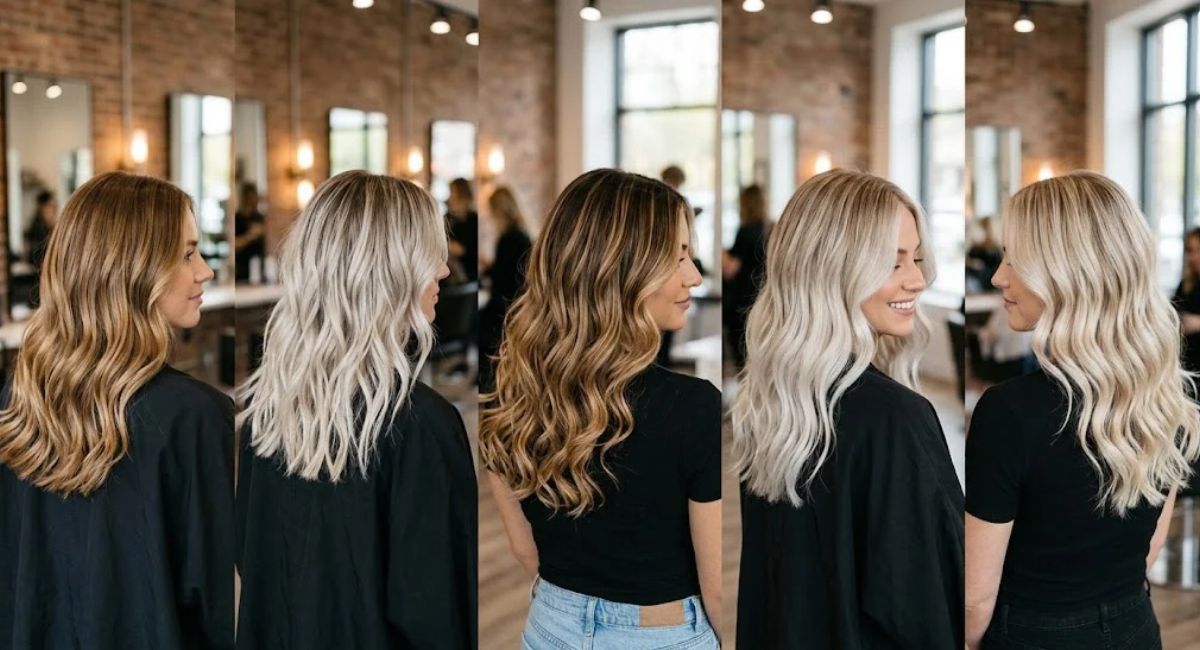
Types of Balayage Blonde to Know Before Your Appointment
Not all balayage blonde looks the same. The shade and placement depend on your base color, skin tone, and the final look you want to achieve.
Honey Blonde Balayage
This is a warm, golden tone that works beautifully on medium brown bases. It gives off serious summer vibes and looks especially stunning on women with warm or olive skin tones. Think of it as the “just got back from a beach vacation” color.
Ash Blonde Balayage
If you want a cooler, more sophisticated look, ash blonde balayage is the way to go. It neutralizes warm undertones in the hair and creates a more platinum-adjacent finish. This shade pairs well with fair or cool-toned skin.
Sandy Blonde Balayage
Sandy tones sit right between warm and cool, giving a natural, understated blonde that works on almost every skin tone. It is one of the most wearable shades because it is not too bright and not too muted.
Caramel Blonde Balayage
Perfect for dark brown or black hair. Caramel blonde balayage adds dimension and depth without requiring a drastic lightening process. The contrast between the dark base and caramel blonde tones is genuinely stunning.
Platinum Blonde Balayage
This is the boldest option and requires the most lifting, especially on darker hair. It involves taking strands to a very pale, icy blonde. Not every hair type can handle this in one session, so be prepared for a multi-appointment process if you are starting from a dark base.
Who Can Get Balayage Blonde Hair?
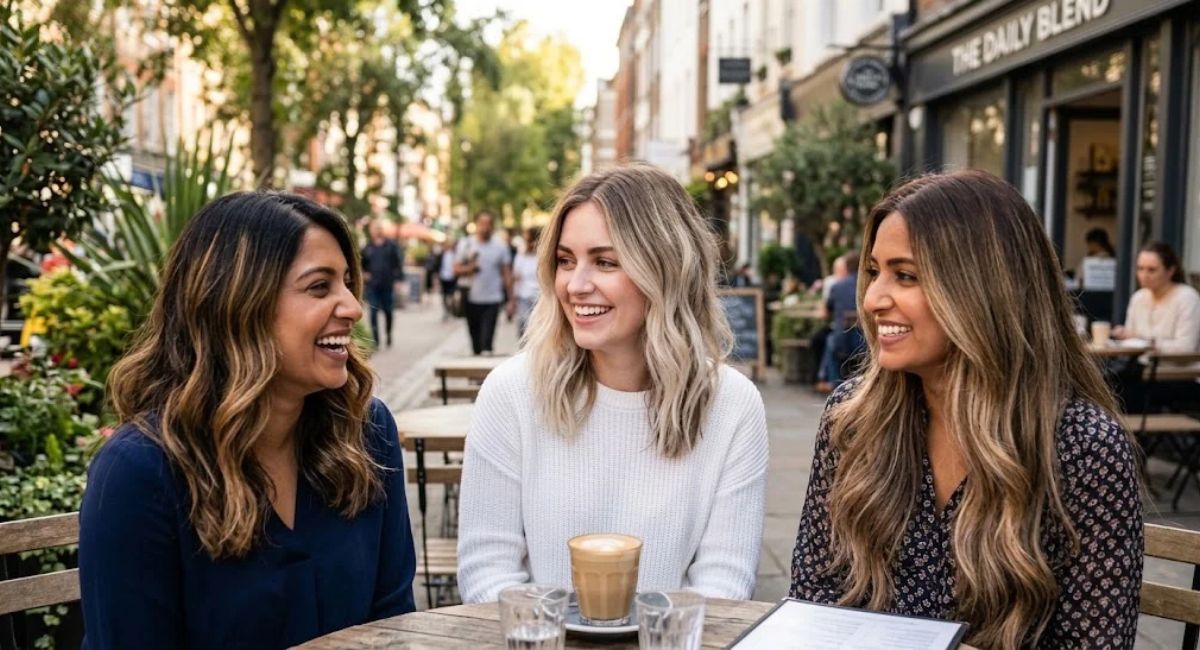
Short answer: almost anyone. Balayage blonde works on every hair texture and most natural base colors. However, the starting point affects the final result and how many sessions you might need.
Fine hair: Balayage tends to be very gentle on fine or fragile hair because there is less overlap of product and no foil heat to deal with. It can also add the appearance of more volume and dimension.
Thick or coarse hair: Works beautifully. The painted technique can really show off the texture of thicker hair. You may need slightly longer processing times.
Dark hair: Balayage blonde is absolutely possible on dark brown or black hair, but managing expectations matters here. Going from very dark to blonde in one session is not always realistic or healthy for the hair. Most colorists recommend a gradual approach over two or three appointments.
Already blonde hair: If you are a natural blonde or have been highlighting for years, balayage is an easy way to refresh your color with a more modern, lived-in look.
How to Prepare for Your Balayage Blonde Appointment
Walking into the salon prepared makes a huge difference in getting the result you actually want.
Bring reference photos. This is non-negotiable. Bring at least three to five photos of blonde balayage looks you love. Words like “light” or “natural” mean different things to different people. Photos eliminate that guesswork entirely.
Come with clean-ish hair. Your hair does not need to be freshly washed, but it should not have heavy product buildup either. Wash your hair one to two days before your appointment.
Be honest about your hair history. Tell your colorist about any previous color, relaxers, keratin treatments, or box dye. These things affect how your hair will lift and respond to lightener.
Have a realistic timeline. If you are starting from dark hair, ask your colorist to walk you through a multi-session plan. Trying to rush a dramatic transformation can cause serious damage.
What Happens During a Balayage Blonde Session
Here is a general breakdown of what to expect at your appointment.
- Consultation: Your colorist assesses your current hair, discusses your goal, and shows you a color plan.
- Sectioning: The hair is sectioned strategically based on where the color placement will have the most impact.
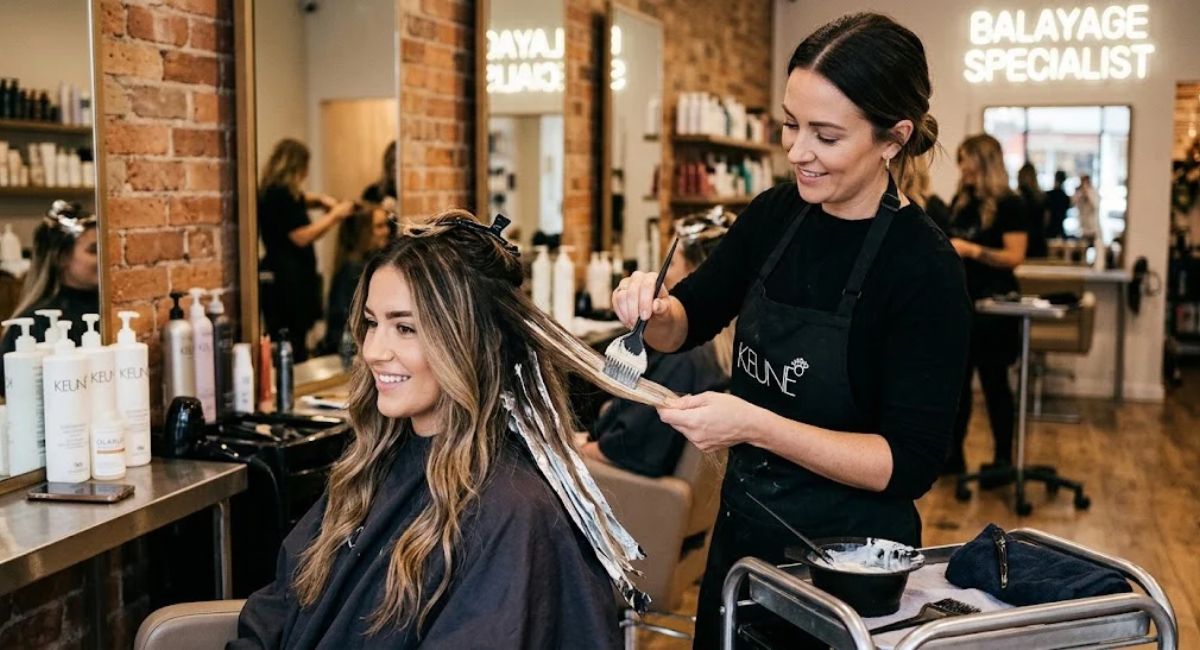
- Application: The lightener or bleach is painted freehand onto sections using a brush, sweeping upward from mid-shaft to ends and concentrating on the areas where the sun would naturally hit your hair.
- Processing time: Depending on your hair and the desired level of lift, this can take anywhere from 20 to 60 minutes.
- Toning: This is often overlooked but incredibly important. After the lightener is rinsed, a toner is applied to neutralize any unwanted brassiness and dial in the exact blonde shade you discussed.
- Cut and style: Most balayage appointments wrap up with a trim and blowout so you can see the full finished look.
The entire process can take anywhere from two to four hours for a standard balayage session. Budget more time if you are doing a dramatic color change.
How to Maintain Balayage Blonde at Home
Getting the color is half the battle. Keeping it looking fresh and healthy is the other half.
Use a Purple or Blue Shampoo
Blonde hair tends to develop brassy, yellow tones over time due to mineral deposits, sun exposure, and heat styling. A toning shampoo used once or twice a week keeps those warm tones at bay. Brands like Fanola No Yellow, Shimmer Lights, and Redken Blondage are popular choices that actually work.
Invest in a Quality Bond-Building Treatment
Lightening hair causes some level of structural damage. Treatments like Olaplex No. 3, Wellaplex, or K18 help rebuild the internal bonds of the hair, keeping it strong and elastic. Use one of these weekly or every other week.
Limit Heat Styling
Heat is one of the biggest enemies of color-treated hair. Excessive flat ironing or blow-drying can fade your blonde faster and dry out the hair. When you do use heat, always apply a heat protectant first. Something like Tresemme Thermal Creations or Kenra Platinum Silkening Mist works well.
Deep Condition Regularly
Blonde hair needs moisture. A deep conditioning mask once a week makes a noticeable difference in softness, shine, and overall color vibrancy. Look for masks specifically formulated for color-treated or bleached hair.
Protect from the Sun
UV rays break down hair color over time. If you spend a lot of time outdoors, use a UV-protectant hair product or simply wear a hat on beach days. This is especially important in summer months.
Common Balayage Blonde Mistakes to Avoid
Even with a great colorist, things can go sideways if you are not informed.
Skipping the toner. Some budget salons skip the toning step to save time or money. Do not let this happen. Without a toner, your balayage blonde can come out yellow or orange instead of that beautiful, cool-toned result you were hoping for.
Going too light too fast. Especially on dark hair. Pushing the hair to lift more than it can handle in one session leads to breakage, a patchy result, or both.
Using the wrong shampoo. Regular shampoos can strip color fast. Always use a sulfate-free, color-safe shampoo after any color service.
Washing hair too frequently. Every wash fades the color a little. Try to stretch washes to every two to three days using dry shampoo in between.
Not getting regular toning appointments. Even though balayage grows out beautifully, the blonde itself will turn brassy over time. A gloss or toner touch-up every eight to twelve weeks keeps the color fresh between full balayage sessions.
Balayage Blonde Hair Care Routine: Week by Week
Here is a simple, realistic routine to keep your color looking its best.
Daily: Use a silk pillowcase to reduce friction and fading. Apply a light leave-in conditioner or hair oil to keep ends moisturized.
Every 2 to 3 days: Wash with a purple or blue shampoo followed by a hydrating conditioner. Avoid washing daily.
Once a week: Use a bond-building treatment like Olaplex No. 3 before shampooing.
Every 1 to 2 weeks: Apply a deep conditioning hair mask and leave it on for 20 to 30 minutes.
Every 8 to 12 weeks: Book a toning gloss appointment to refresh the blonde and neutralize brassiness.
Every 4 to 6 months: Return to the salon for a full balayage touch-up or refresh.
Cost of Balayage Blonde: What to Expect
Pricing varies a lot depending on your location, the length of your hair, and the experience of your colorist. In general, you can expect to pay anywhere from $100 to $300 or more for a full balayage service at a reputable salon.
Yes, that can feel steep, but consider the long-term math. Because balayage blonde requires so few touch-ups compared to traditional highlights, you are actually saving money over the course of a year. A $200 balayage appointment that lasts four to six months beats a $100 highlight appointment every six weeks, every time.
Finding the Right Colorist for Balayage Blonde
Not every colorist has mastered the freehand painting technique required for balayage. Before booking, check their Instagram or portfolio for actual balayage work. Look for photos that show soft blending, dimensional color, and results that match what you are hoping for.
Do not be afraid to ask questions during the consultation. A great colorist will walk you through the entire process, set realistic expectations, and never pressure you into going further than your hair can handle in one session.
FAQs
1. How long does balayage blonde last?
Balayage blonde typically lasts four to six months before needing a refresh. The color grows out naturally, so there are no obvious lines even as it fades.
2. Can I get balayage blonde on dark hair?
Yes, but dark hair may require multiple sessions to achieve a true blonde result without damaging the hair. A gradual approach over two or three appointments is usually the healthiest route.
3. Does balayage damage your hair?
Any lightening process involves some level of damage. However, balayage is generally considered gentler than traditional all-over bleach because it is applied sparingly and without foil heat. Using bond-building treatments helps significantly.
4. How often should I tone my balayage blonde?
A toning gloss or purple shampoo treatment every eight to twelve weeks helps maintain the correct blonde tone and prevents brassiness between full balayage appointments.
5. What is the difference between balayage and ombre?
Balayage is a painting technique focused on natural placement and blending. Ombre is a color style that transitions from dark at the roots to light at the ends. Balayage is often used to create an ombre effect, but they are not the same thing.
6. Is balayage suitable for short hair?
Absolutely. Balayage works on bobs, lobs, and even pixie cuts. The technique is adapted based on the length, but the effect of sun-kissed dimension translates beautifully to shorter styles.
7. How much does balayage blonde cost on average?
Prices typically range from $100 to $300 depending on hair length, location, and the colorist’s experience level. Additional toning or treatments may add to the overall cost.
8. What shampoo should I use after balayage blonde?
A sulfate-free, color-safe shampoo is essential. Adding a purple or blue toning shampoo once or twice a week helps neutralize brassiness and keep the blonde looking fresh.