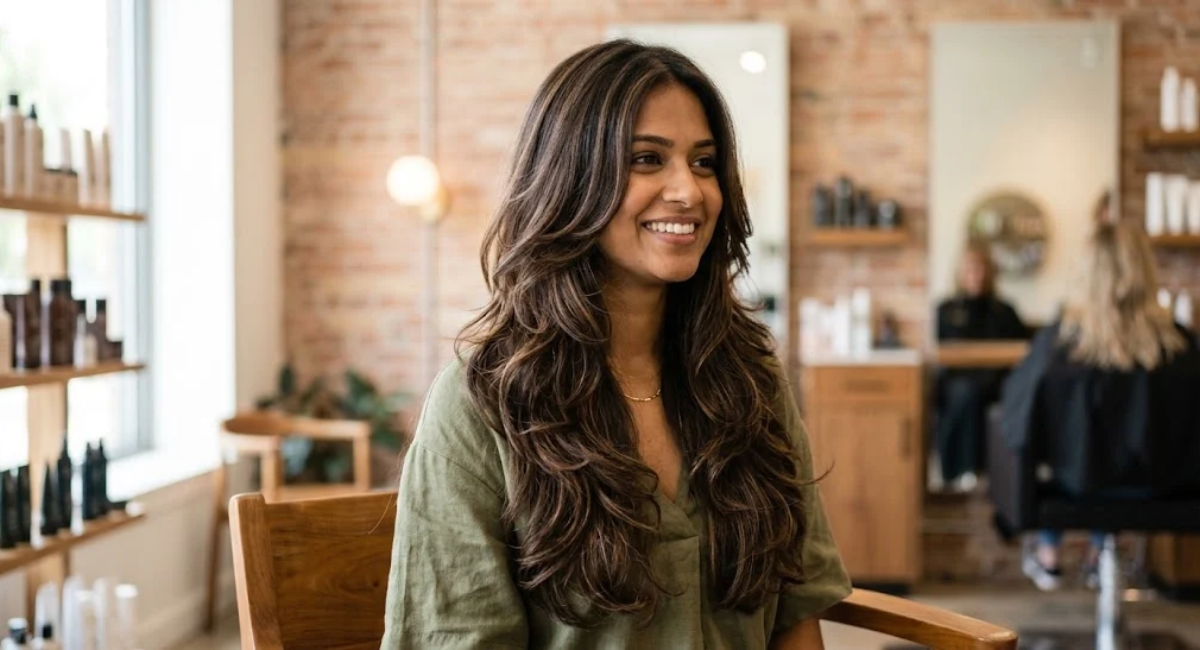
Long layered hairstyles for women have been a go-to choice for decades, and honestly, it makes complete sense. Layers add movement, reduce bulk, frame the face, and make long hair actually feel manageable. Whether your hair is straight, wavy, thick, or fine, the right layered cut can completely transform how your hair looks and behaves every single day.
This guide covers everything: the best types of long layered cuts, which styles work for which face shapes and hair textures, styling tips, and the mistakes most women make when getting layers cut. If you have been thinking about going layered or refreshing your current cut, read this first.
Why Long Layered Hairstyles Are Worth It
There is a reason stylists keep recommending layers to almost every client with long hair. The short answer: layers fix most of the common problems long hair creates.
Without layers, long hair tends to look flat, heavy, and shapeless. It pulls down at the roots and the ends hang like a curtain. Layers change the weight distribution, add dimension, and create natural movement even when your hair is just air drying.
Beyond looks, layers also make styling faster. When sections of hair are different lengths, curls and waves form more easily and hold longer. Even on a no effort day, layered hair just falls better.
Types of Long Layered Hairstyles for Women
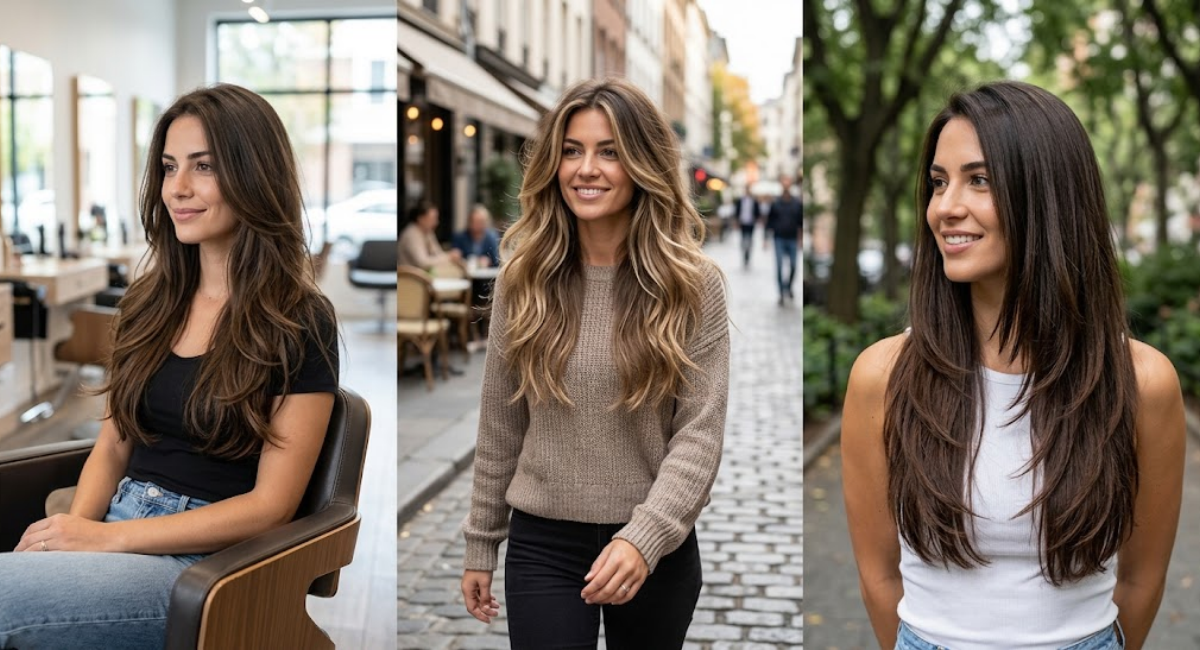
Not all layers are the same. The type you choose matters a lot, especially for your hair texture and lifestyle.
1. Classic Long Layers
This is the most timeless option. The stylist cuts gradual layers throughout the length, usually starting around the cheekbone or collarbone area and blending down. The result is soft, natural movement with a polished finish.
Best for: Most hair types. Especially flattering on straight and wavy hair.
2. Face Framing Layers
Instead of layering the entire head, the cut focuses on pieces around the face. These shorter front sections highlight your facial structure, soften sharp features, and create a flattering frame.
Many women add face framing layers to an existing long haircut without changing the rest of the length. It is a low commitment way to get the layered look.
Best for: All face shapes, especially round and square faces that benefit from softening around the jaw.
3. Curtain Bangs with Layers
Curtain bangs sit at the bridge of the nose or cheekbone and are parted in the middle to sweep to both sides. When paired with long layers, this look has a soft, vintage feel that works beautifully for both casual and dressed up occasions.
This combination became massively popular a few years ago and it is still going strong because it genuinely suits a wide range of women.
Best for: Oval, heart, and oblong face shapes.
4. Shag Haircut
The shag is a more dramatic take on long layered hairstyles. It features heavy layers, sometimes with choppy ends, and often includes shorter layers at the crown that add volume and texture. Think of it as layers with more personality.
The modern shag has been making a big comeback and works incredibly well on wavy and curly hair because the layers enhance the natural texture instead of fighting it.
Best for: Thick, wavy, or curly hair. Also great for women who want a more edgy, effortless look.
5. Feathered Layers
Feathered layers are cut in a way that the ends flip or feather outward slightly, giving the hair a light, airy look. This style works especially well when blow dried with a round brush.
Best for: Straight or slightly wavy hair with medium to fine texture.
6. Long Layers with Bangs
Adding blunt or wispy bangs to a long layered cut creates a completely different vibe. Blunt bangs paired with long layers look chic and intentional. Wispy bangs feel softer and are more forgiving to grow out.
Best for: High foreheads, heart shaped faces, or anyone looking for a bolder change.
Long Layered Hairstyles by Hair Type
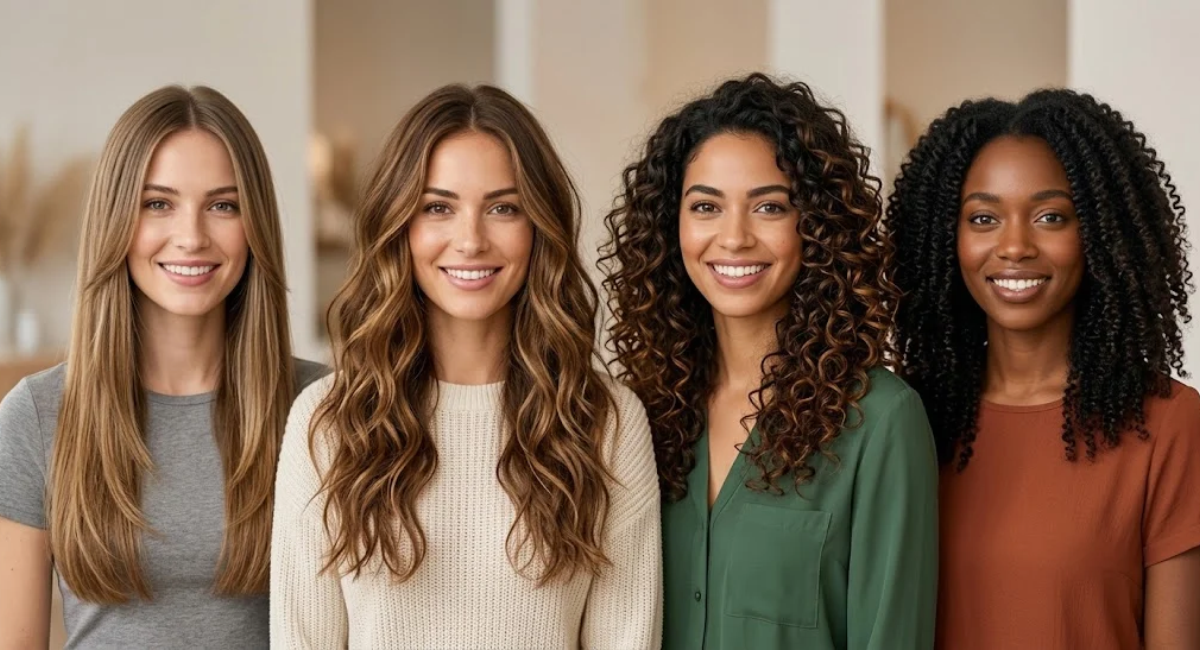
Getting layers without considering your hair texture is one of the most common mistakes women make. Here is what works for each type.
Fine Hair
Fine hair needs layers for volume, but the wrong layers can make it look even thinner. The key is avoiding too many short layers clustered at the top, which can reduce the density and make hair look sparse.
Opt for longer layers that start at or below the collarbone. Ask for soft, blended layers rather than choppy ones. This adds movement without stripping the hair of its fullness.
Styling tip: Use a volumizing mousse before blow drying and flip your head upside down to dry the roots. A light texturizing spray at the ends helps define the layers without weighing them down.
Thick Hair
Thick hair is the most versatile for long layered styles. You can handle more dramatic layers, including the shag cut, because you have enough density to support them.
Layers in thick hair primarily remove weight from the mid shaft and ends, which reduces that heavy, triangular shape that thick long hair often creates.
Styling tip: A smoothing serum or light oil at the ends prevents frizz and keeps layers looking defined rather than puffy.
Wavy Hair
Wavy hair and long layers are one of the best combinations in hair styling. Layers encourage the natural wave pattern to form properly instead of being weighed down.
Go for layers that start around the collarbone and blend well through the ends. Avoid blunt cuts on wavy hair since they tend to look boxy.
Styling tip: Scrunch in a curl cream or wave enhancer while hair is damp and let it air dry for an effortless beachy look. Diffusing with a blow dryer on low heat also works well.
Curly Hair
Long layered hairstyles for curly hair require a stylist who understands curl patterns. Dry cutting is often recommended because curls behave very differently when wet versus dry.
Layers on curly hair define individual curl clusters and remove the heaviness that pulls curls straight. The result is bouncier, more defined curls with better shape.
Styling tip: Apply a leave in conditioner and a curl defining cream while hair is soaking wet. Use the praying hands method to smooth product through and avoid disturbing the curl pattern.
Best Long Layered Hairstyles by Face Shape
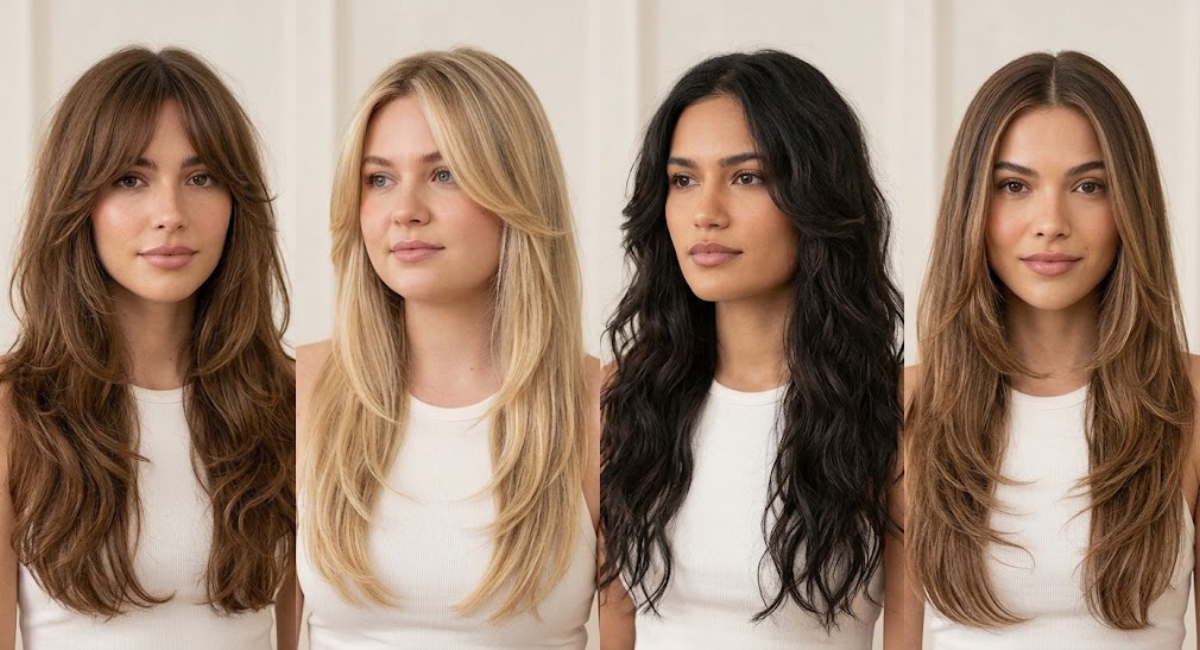
Face shape matters when choosing where your layers start and how they fall.
Oval face: Almost every long layered hairstyle works. You have the most flexibility. Classic layers, curtain bangs, or a shag all look great.
Round face: Face framing layers that start at or below the chin help elongate the face. Avoid layers that add width at the cheekbones.
Square face: Soft, flowing layers with curtain bangs or face framing pieces soften the jawline. Avoid blunt cuts that emphasize sharp angles.
Heart face: Layers with volume at the lower half balance a wider forehead. Curtain bangs also help soften the hairline.
Oblong face: Layers that add width rather than length work best. Avoid very long layers that pull the face down further.
How to Style Long Layered Hair at Home
Long layered hairstyles look best when styled with a little intention, but they do not require hours of effort.
The Everyday Blowout
Start with a heat protectant on damp hair. Section the hair and use a round brush to blow dry from roots to ends, rolling the brush under at the ends for a soft bend. The layers will naturally fall into shape as you work through each section.
Products to use: Kenra Platinum Silkening Mist, Olaplex No. 6 Bond Smoother, or a basic drugstore heat protectant like TRESemme Thermal Creations.
The Air Dry Method
Apply a lightweight leave in conditioner and a small amount of curl cream or mousse for texture. Scrunch gently, then leave it alone. Long layered hair with natural texture looks stunning when air dried because the layers define themselves.
This method works best on wavy and curly hair types.
Loose Waves with a Curling Wand
Use a 1 to 1.25 inch wand and wrap 2 inch sections away from the face. Leave the last inch of each section unwrapped for a more natural, modern wave. Once all sections are done, run your fingers through and shake the hair loose. The layers make the waves look full and dimensional.
Finish with a light flexible hold spray to keep the style without making it stiff.
Common Mistakes Women Make with Long Layered Cuts
Knowing what to avoid saves you from a cut you will regret growing out.
Going too short with the layers too soon. If you are new to layers, start with longer, softer layers rather than dramatic short ones at the crown. You can always go shorter next time.
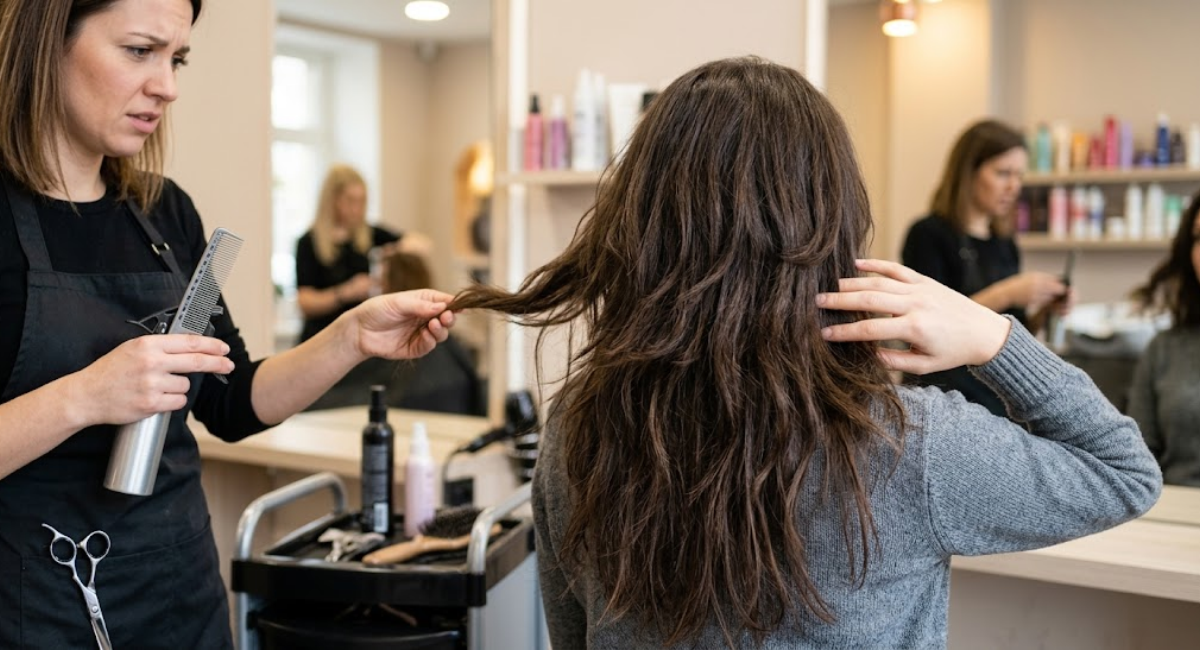
Not communicating with your stylist. Showing a reference photo is the single most effective thing you can do. Words like “subtle” or “lots of layers” mean different things to different stylists.
Skipping the trim. Long layered hairstyles look best with trims every 8 to 12 weeks. Without regular trims, the layers lose their shape and the ends become uneven and damaged looking.
Using too much heat without protection. Layers tend to highlight damage because the different lengths catch the light differently. Always use a heat protectant and do not flat iron or curl over the same section repeatedly.
Washing too often. Over washing strips the natural oils that help layers sit and move well. Try extending wash days with a dry shampoo like Batiste or Living Proof Perfect Hair Day.
Trending Long Layered Hairstyles Right Now
The layered haircut keeps evolving. Here are some styles that are getting a lot of attention currently.
Butterfly Cut: This involves very short layers at the crown that fan out like butterfly wings when hair is down. It creates dramatic volume at the top while length is maintained below.
Wolf Cut: A hybrid between a shag and a mullet. It features heavy crown layers, curtain bangs, and longer layers at the back. It looks effortlessly cool on almost every hair type.
70s Inspired Feathered Layers: Soft, flipped out layers with a center or slightly off center part that have a nostalgic, relaxed feel.
Lived in Layers: Seamlessly blended layers that do not look too structured or polished. The goal is natural, undone movement that looks effortless.
Maintenance Tips for Long Layered Hairstyles
Layers require a little more attention than a one length cut, but the upkeep is manageable.
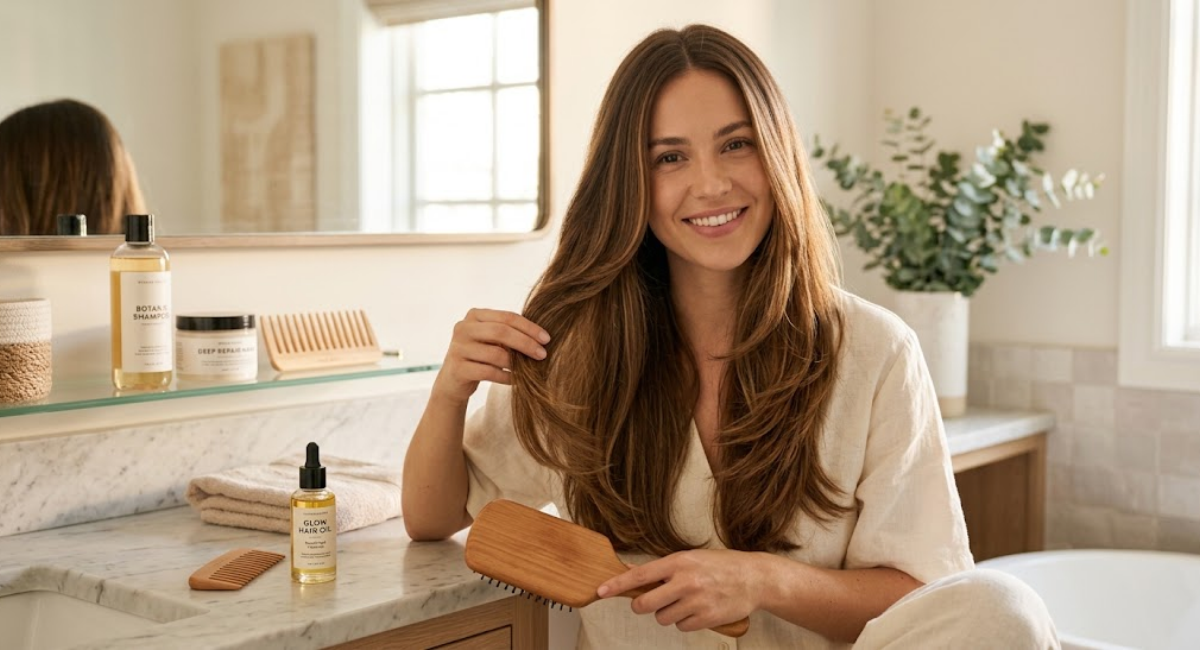
Use a wide tooth comb or a detangling brush on wet hair to prevent breaking the layers against each other. Start from the ends and work upward.
Deep condition at least once a week to keep the ends healthy. Layered hair tends to have older, more fragile ends that need extra moisture.
Protect your hair at night by sleeping on a silk pillowcase or wrapping hair loosely in a silk scarf. This reduces friction and keeps the layers from tangling overnight.
Trim regularly. This one is not optional if you want your layered style to keep looking intentional.
Final Thoughts
Long layered hairstyles for women are one of the most versatile and universally flattering choices available. Whether you go for soft, blended layers, dramatic shag inspired cuts, or face framing pieces with curtain bangs, the right layered haircut works with your natural texture rather than against it.
The key is knowing your hair type, communicating clearly with your stylist, and giving the style the basic maintenance it needs. Once you find the layered cut that fits your face and texture, it genuinely becomes the easiest hair you have ever managed.
Frequently Asked Questions
1. What are long layered hairstyles best for?
They are ideal for adding movement, reducing bulk, and making long hair easier to style. They work for almost every hair type and face shape.
2. Do layers make hair look thinner or thicker?
It depends on the cut. Longer, blended layers on fine hair add volume and movement. Too many short layers can reduce fullness on already thin hair.
3. How often should I trim long layered hair?
Every 8 to 12 weeks is the standard recommendation to keep the layers looking fresh and the ends healthy.
4. Can I get long layered hairstyles on curly hair?
Yes. Layers work very well on curly hair. Ask your stylist for dry cutting to ensure the layers suit your natural curl pattern.
5. What is the difference between a shag and a regular layered cut?
A shag features heavier, more dramatic layers and often includes shorter pieces at the crown. A classic layered cut uses softer, more blended layers throughout.
6. Are curtain bangs good for long layered hair?
Yes. Curtain bangs pair beautifully with long layers. They add a face framing element that elevates the entire cut.
7. What products work best for styling long layered hairstyles?
A heat protectant for blow drying, a texturizing spray or curl cream for air drying, and a light hold finishing spray for waves are the three most useful products.
8. What face shape suits long layered hairstyles the most?
Oval faces have the most flexibility, but long layered hairstyles can be adjusted for every face shape by changing where the layers start and how they frame the face.
9. Is the wolf cut the same as a layered haircut?
The wolf cut is a specific type of layered cut. It combines heavy crown layers with a shag inspired structure and longer length at the back.
10. How do I ask my stylist for long layers?
Bring a reference photo and specify the texture you want: soft and blended, choppy and textured, or dramatic with heavy layers at the crown. The clearer you are, the better the result.