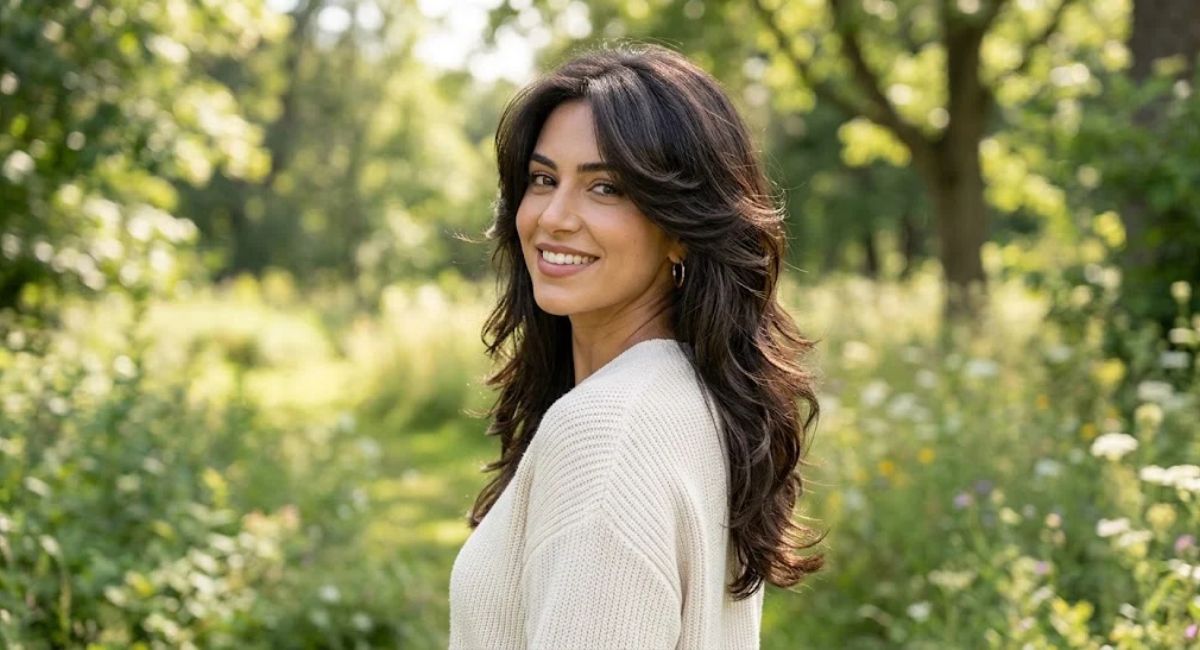
Butterfly hairstyles for women have taken over every corner of the internet, and honestly, it makes complete sense. This style brings together volume, softness, and a vintage charm that works on almost every hair type. Whether you spotted it on someone at a coffee shop or kept seeing it pop up on your feed, you are in the right place to finally understand what this trend is, how to get it, and how to make it work for your specific hair.
This guide goes deeper than most. You will find step-by-step breakdowns, real styling tips, common mistakes to avoid, and variations that actually suit different face shapes and hair textures. No fluff, just everything you need.
What Are Butterfly Hairstyles for Women?
Butterfly hairstyles are a collection of looks inspired by the soft, layered, and wing-like shape of butterfly wings. The most popular version is the butterfly cut, where layers are cut at specific lengths to create a voluminous, flipped-out shape that mimics wings when the hair falls naturally.
But the term also covers butterfly clips styling, half-up butterfly looks, and braided butterfly designs. Each one gives a different vibe, from retro 90s to modern editorial.
The butterfly cut specifically became massive after going viral on social media, with stylists and everyday women showing dramatic before-and-after transformations. What made people fall in love with it was how the layers moved. It is not a rigid, structured cut. It is alive and bouncy.
What Makes the Butterfly Hairstyle Cut Different from Others
A lot of people confuse butterfly hairstyles with a regular layered cut or even a wolf cut. They are related but not the same.
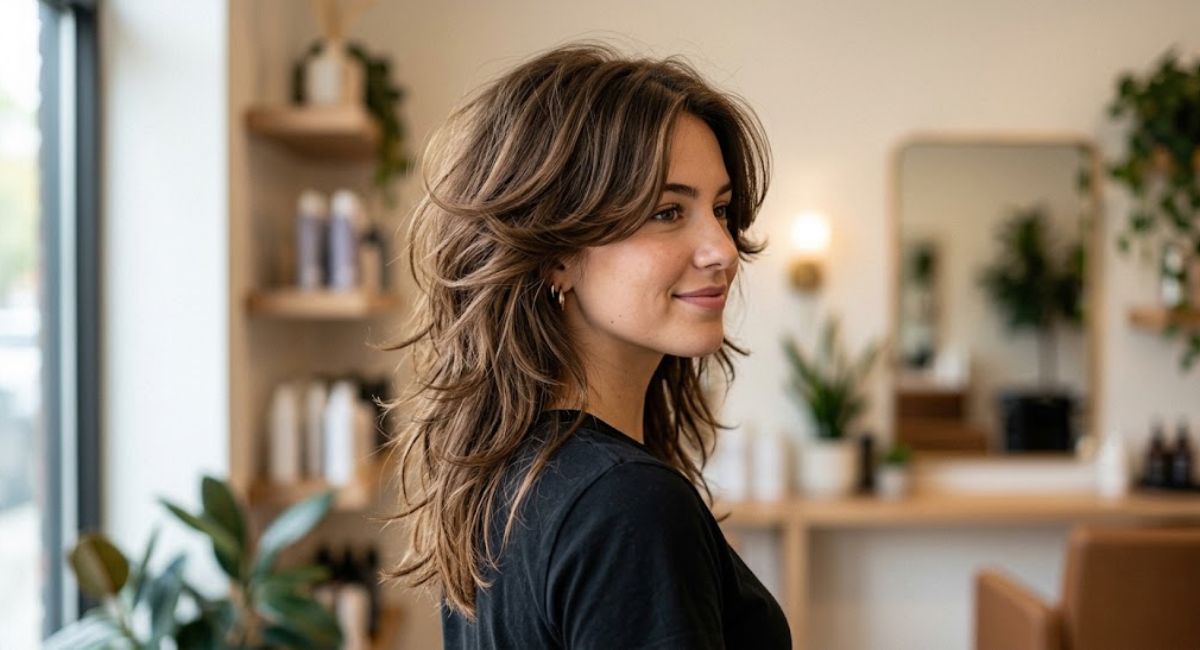
The butterfly cut focuses heavily on internal layering. The layers are concentrated around the crown and the mid-lengths, creating that signature butterfly wing shape when the hair is dried naturally or with minimal styling. The ends are often left longer and slightly curved inward or outward depending on your preference.
What separates it from the wolf cut is the intention. Wolf cuts lean grunge and textured. Butterfly hairstyles lean romantic and soft. Both use layers, but the placement and finish are completely different.
Key characteristics of butterfly hairstyles include:
- Heavy internal layers starting from the crown
- Face-framing pieces that are shorter and wispy
- A voluminous, almost floating top section
- Longer lengths at the bottom that balance the shape
- Movement that looks effortless even without heat
Why Women Are Obsessed With This Look
The popularity of butterfly hairstyles is not accidental. There are real reasons why this style resonates so strongly with women of all ages.
First, it is incredibly low maintenance once you have the right cut. Your hair does a lot of the work on its own. Second, it works beautifully with natural texture. Women with wavy or slightly curly hair often find that butterfly cuts enhance their natural pattern rather than fight it.
Third, it is genuinely flattering. The volume on top elongates the face and the longer ends balance everything out. It is one of those rare styles that looks polished without requiring a full salon blowout every morning.
And honestly, there is something nostalgic about it too. Many women in their 30s and 40s remember the era when big, voluminous hair felt glamorous. Butterfly hairstyles bring that energy back but with a modern twist.
Different Types of Butterfly Hairstyles
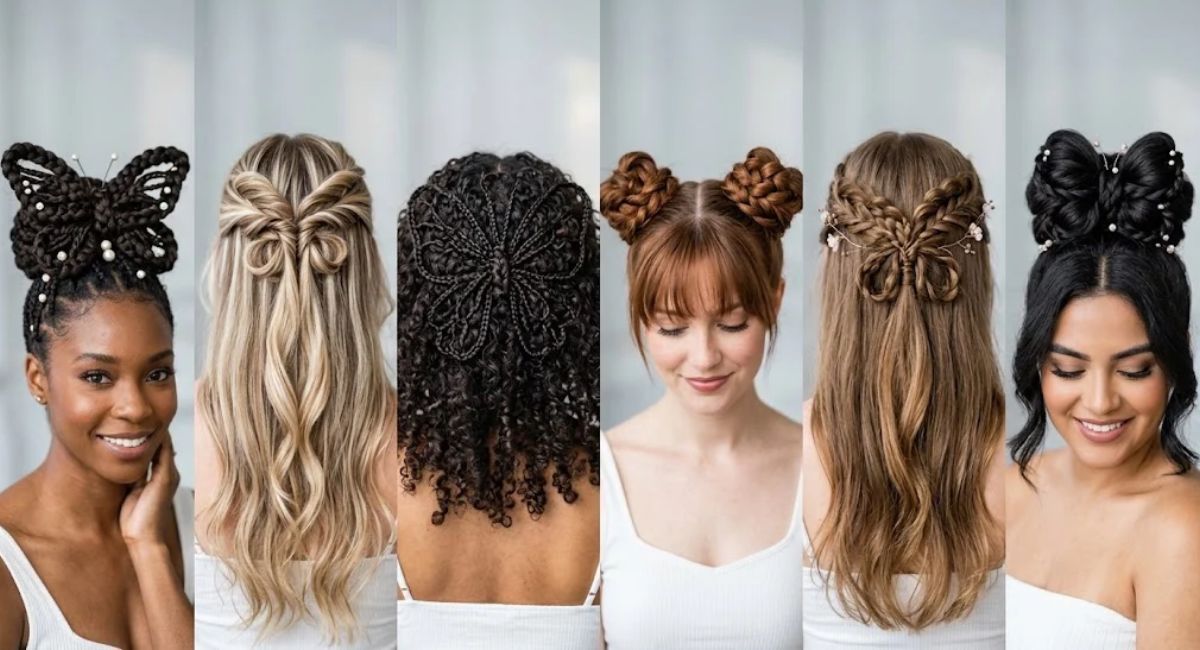
There is no single version of this look. Here is a breakdown of the most popular butterfly hairstyle variations women are trying right now.
The Classic Butterfly Cut
This is the foundational version. Your stylist takes out significant internal bulk and creates layers that cascade from the crown. When air dried, the top section fans out like wings. It works best on medium to long hair, roughly shoulder-length and below.
Butterfly Layers on Short Hair
Yes, butterfly hairstyles absolutely work on shorter lengths. On a bob or lob, the internal layers create movement and prevent the hair from looking flat. The result is a chic, bouncy shape that does not require much styling time.
Butterfly Clip Styles
Not a haircut at all, this version is about using large claw clips or butterfly clips to create lifted, effortless half-up looks. You twist sections of hair and clip them at the crown for a casual yet pretty style. This exploded in popularity and is still one of the most searched butterfly hairstyle techniques.
Braided Butterfly Hairstyles
These incorporate butterfly wing shapes through braiding techniques. Cornrows or box braids arranged in a symmetrical butterfly pattern across the scalp create a stunning, artistic look that is especially popular for protective styles.
Butterfly Blowout
This is more of a styling technique than a cut. Using a round brush and a blow dryer, you direct the hair outward and upward to create a dramatic, winged shape. It is the Hollywood glamour version of the butterfly look.
How to Get the Perfect Butterfly Cut: Step by Step
If you are planning to get butterfly hairstyles done at a salon, here is what the process typically looks like and what you should communicate to your stylist.
Step 1: Choose your length
Decide how long you want the overall length. Most butterfly cuts work best when the hair is at least collarbone length. Shorter works too but the dramatic effect is more visible on longer hair.
Step 2: Discuss the layer placement
Tell your stylist you want heavy internal layers starting at the crown. The shortest layers should sit around your cheekbone to jaw area. The face-framing pieces should be wispy and light.
Step 3: Ask about the finish
Do you want the ends slightly curved inward for a more polished look? Or do you prefer them flipped outward for that true butterfly wing effect? This matters a lot for the final shape.
Step 4: Let your natural texture guide the drying
One of the biggest mistakes is over-styling a butterfly cut. Let it air dry or use a diffuser if you have waves. The layers should settle on their own into that signature shape.
Step 5: Refresh with a round brush
On days when you want more definition, use a medium round brush and a blow dryer. Curl the brush outward at the ends while applying heat, then let the section cool before releasing. This gives you that classic butterfly blowout shape.
Butterfly Hairstyles for Different Hair Types
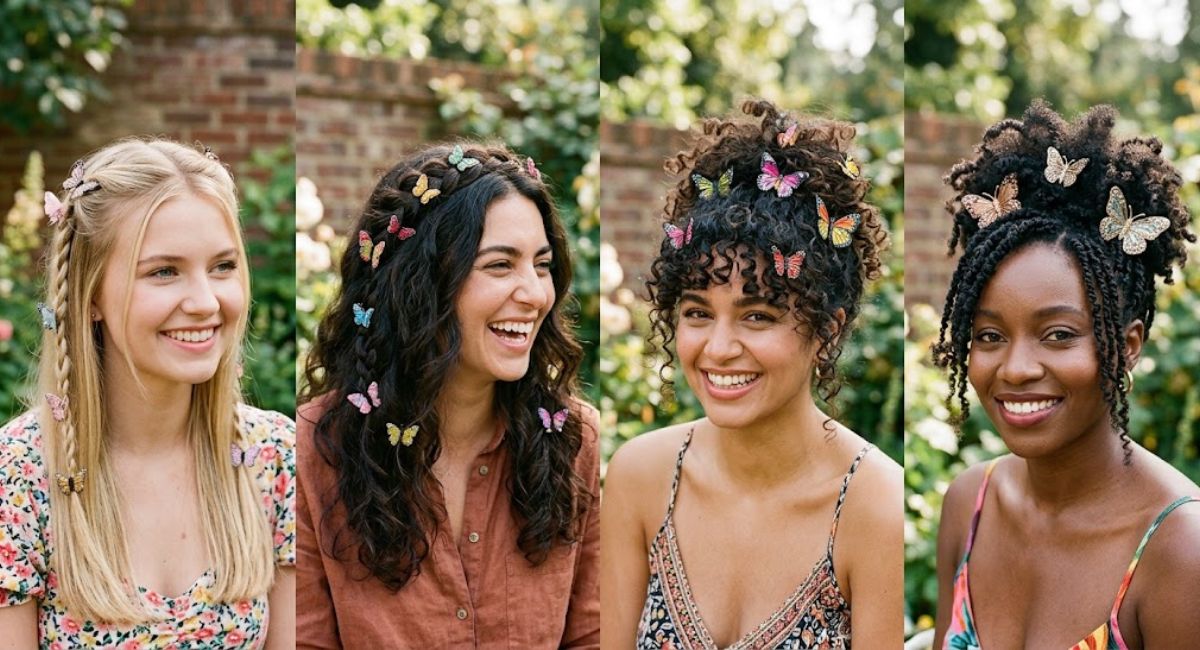
One of the best things about this trend is that it adapts. Here is how to approach it based on your specific hair type.
Fine Hair
Fine hair benefits enormously from butterfly hairstyles because the internal layering removes weight and adds instant volume. Ask your stylist to keep some bulk at the ends so the hair does not look too thin. Avoid going too short with the layers.
Thick Hair
Thick hair and butterfly cuts are a dream combination. The layering removes bulk without sacrificing length, and the natural weight of thick hair gives the butterfly shape incredible structure. You may need more product on humid days to keep the shape from expanding too much.
Wavy Hair
Wavy hair is basically made for butterfly hairstyles. The waves naturally enhance the movement of the layers, and the cut encourages the waves to form more defined patterns. Air drying with a curl cream gives gorgeous results.
Curly Hair
Curly hair requires a more experienced stylist because the layers need to be cut dry to account for shrinkage. When done correctly, butterfly hairstyles on curly hair look absolutely stunning, with each curl contributing to the overall wing-like shape.
Straight Hair
Straight hair can absolutely rock butterfly hairstyles. You will likely need a blow dryer and round brush to create the winged shape, but the result is a sleek, polished version of the look that feels very editorial.
How to Style Butterfly Hairstyles at Home
Getting the cut is one thing. Maintaining and styling it at home is where most women either love or get frustrated with this trend. Here are practical techniques that actually work.
Air Dry Method:
Apply a lightweight mousse or curl cream to damp hair. Flip your head upside down and scrunch gently. Let the hair dry without touching it too much. The layers will naturally fall into the butterfly shape.
Blow Dry Method:
Use a round brush starting at the crown. Lift sections upward and outward as you apply heat. Work section by section. Finish with cool air to set the shape.
Clip Styling:
For the butterfly clip look, take a section of hair from the top, twist it loosely, and secure with a large claw clip. Let the ends fall naturally over the clip. This works great for second-day hair.
Product Recommendations:
A heat protectant spray is non-negotiable if you are using heat tools. A lightweight volumizing mousse helps maintain the shape without weighing hair down. A good texturizing spray adds definition on day two or three.
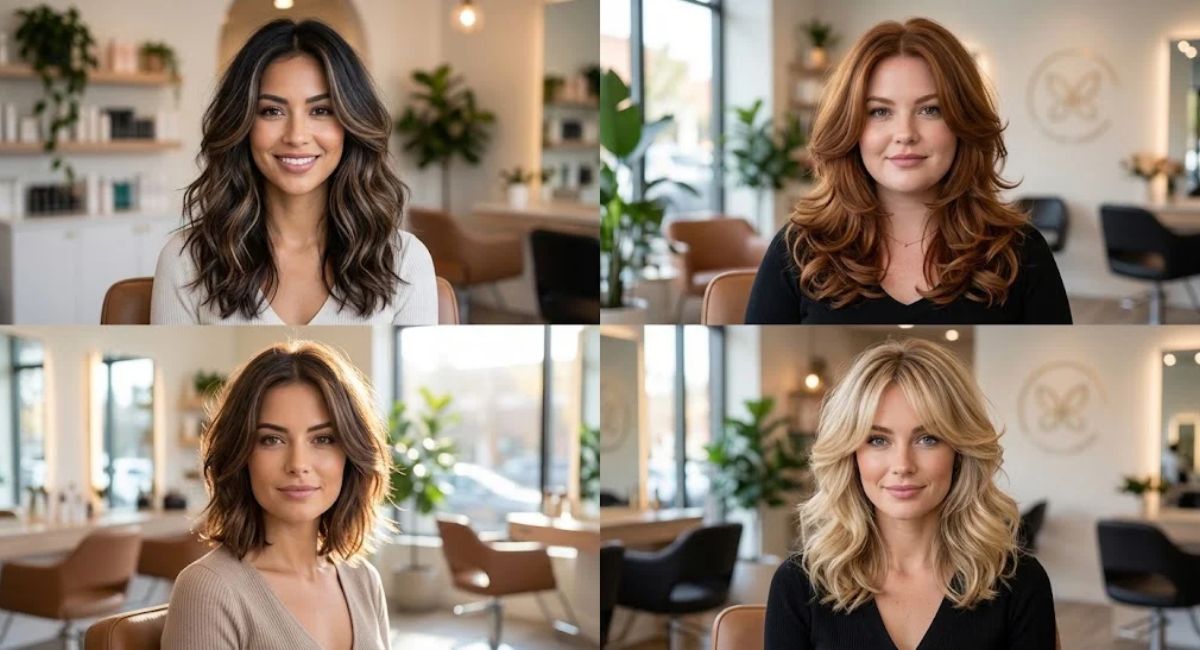
Best Butterfly Hairstyles for Women Based on Face Shape
A common concern women have before getting butterfly hairstyles is whether it will suit their face shape. The good news is that with slight adjustments, it works for most face shapes.
Oval Face: Every variation of butterfly hairstyles works. You have the most flexibility.
Round Face: Ask for longer face-framing layers that elongate the face. Avoid too much volume at the sides.
Square Face: Soft, wispy face-framing pieces around the forehead and jaw create a beautiful contrast with angular features.
Heart Face: Keep the volume lower and focus the butterfly wing shape from the mid-lengths down. Avoid excessive crown volume.
Long Face: Go for more volume at the sides and keep the layers wider. A butterfly cut with outward-flipped ends adds width and balances a longer face.
Common Mistakes to Avoid
Even the best butterfly hairstyles can go wrong with a few missteps. Here is what to watch out for.
Using too much heat too often damages the layers and causes frizz that ruins the butterfly shape. Always use a heat protectant and give your hair days off from hot tools.
Going too short with the layers on very fine hair can make the hair look sparse. Keep at least a few inches of length on the face-framing sections.
Skipping trims is a big one. Butterfly hairstyles need regular trims every six to eight weeks because the layers grow out unevenly and lose their shape faster than a single-length cut.
Not communicating clearly with your stylist leads to disappointment. Bring reference photos. Even better, show your stylist this guide or screenshots of the specific variation you want.
Butterfly Hairstyles and Color
Color takes butterfly hairstyles to a completely different level. Because the layers create such distinct sections of hair, color placement can be incredibly intentional and striking.
Highlights or balayage placed on the top layers create a sun-kissed effect that emphasizes the butterfly wing shape. Face-framing highlights draw attention to the front sections. Ombre on butterfly cuts looks gorgeous because the color transitions follow the natural movement of the layers.
If you are going to add color, do it after the cut is in place so your colorist can see exactly where the layers fall and place the color accordingly.
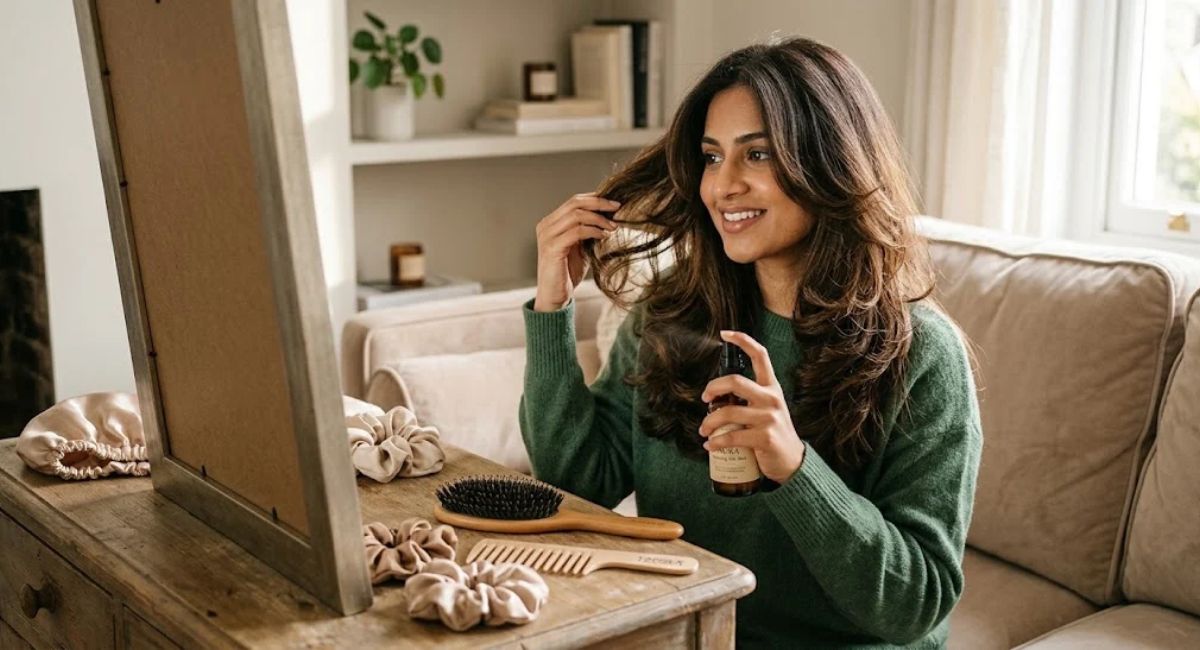
How Women Can Maintain Their Butterfly Hairstyles Long Term
To keep butterfly hairstyles looking their best, a consistent routine matters.
Wash your hair two to three times a week maximum. Over-washing strips natural oils that actually help the layers maintain their shape. Deep condition every two weeks to keep the layers hydrated and frizz-free.
Sleep on a silk pillowcase. It sounds small but it genuinely makes a difference in how your layers look in the morning. Cotton pillowcases create friction that roughens the cuticle and causes the butterfly shape to go flat or frizzy overnight.
FAQs
1. What is a butterfly hairstyle exactly?
A butterfly hairstyle refers to a group of looks inspired by butterfly wings, most commonly the butterfly cut, which uses heavy internal layers to create a soft, voluminous, wing-like shape.
2. Will butterfly hairstyles work on thin hair?
Yes. Internal layering actually benefits fine hair by adding volume. Just avoid cutting the layers too short so the hair does not look sparse.
3. How often do you need to trim a butterfly cut?
Every six to eight weeks is ideal. The layers grow out unevenly and lose their distinctive shape if left too long without a trim.
4. Can you get butterfly hairstyles on natural or curly hair?
Absolutely. It requires a stylist experienced with curly hair who cuts it dry, but the results are stunning on natural textures.
5. What is the difference between a butterfly cut and a wolf cut?
The butterfly cut leans soft and romantic with internal layering for volume. The wolf cut leans edgy and textured with more visible, choppy layers. Both use layers but feel very different in style.
6. Do I need special products for butterfly hairstyles?
A volumizing mousse, lightweight leave-in conditioner, and a good heat protectant are the core products. A texturizing spray helps refresh the shape on non-wash days.
7. How do I ask my stylist for a butterfly cut?
Bring reference photos. Tell them you want heavy internal layers starting at the crown, wispy face-framing pieces, and ask about the finish on the ends, whether inward-curled or outward-flipped.
8. Are butterfly hairstyles high maintenance?
Not particularly, once you have the cut. Styling is minimal since the layers do most of the work naturally. Regular trims are the main maintenance requirement.
9. What face shapes suit butterfly hairstyles best?
Oval faces have the most flexibility. Other face shapes can rock this look with slight adjustments to layer placement and volume distribution.
10. Can I achieve butterfly hairstyles without getting a haircut?
Yes. Using large butterfly clips or claw clips to create half-up styles gives you the butterfly aesthetic without committing to a cut.