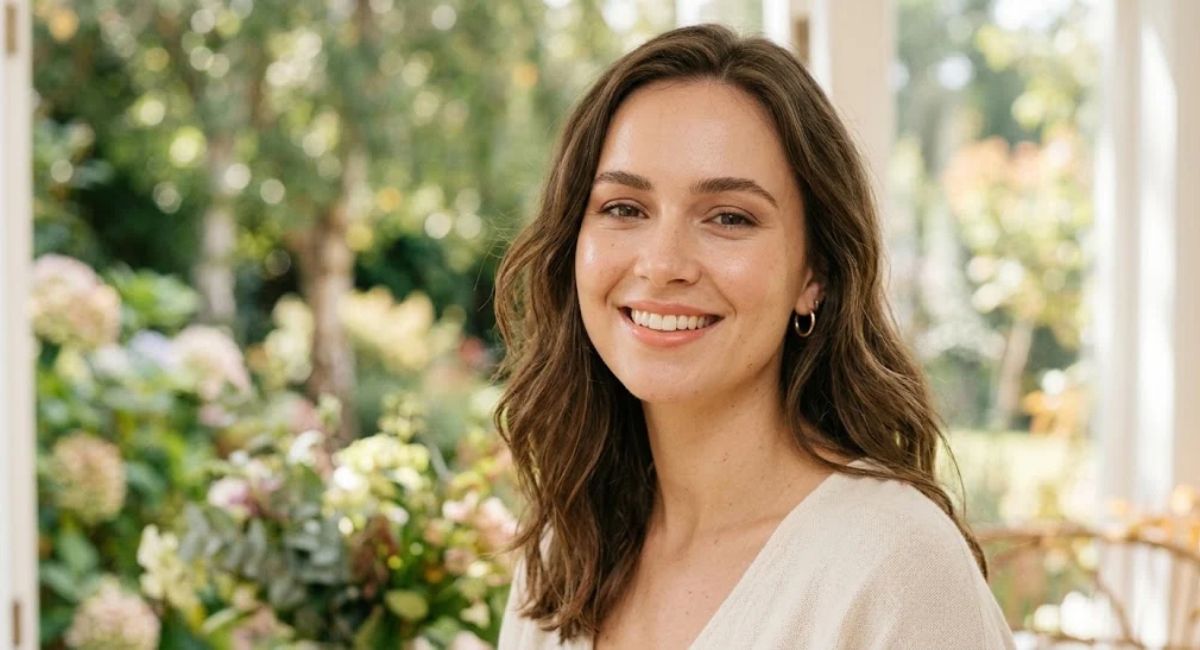
Soft natural makeup is not about using the fewest products possible. It is about choosing the right details so that your complexion, eyes, cheeks, and lips look balanced rather than heavily made up. A sheer base with rosy cheeks creates a different effect from softly smoked brown eyeliner or a muted berry lip, even when both looks use relatively little makeup.
The best soft natural makeup looks leave room for your own features to show through. Some have a fresh, dewy finish, while others use satin skin, subtle definition, or warm neutral colours for a more polished result. The trick is deciding which feature you want to emphasise and keeping the rest of the makeup in harmony.
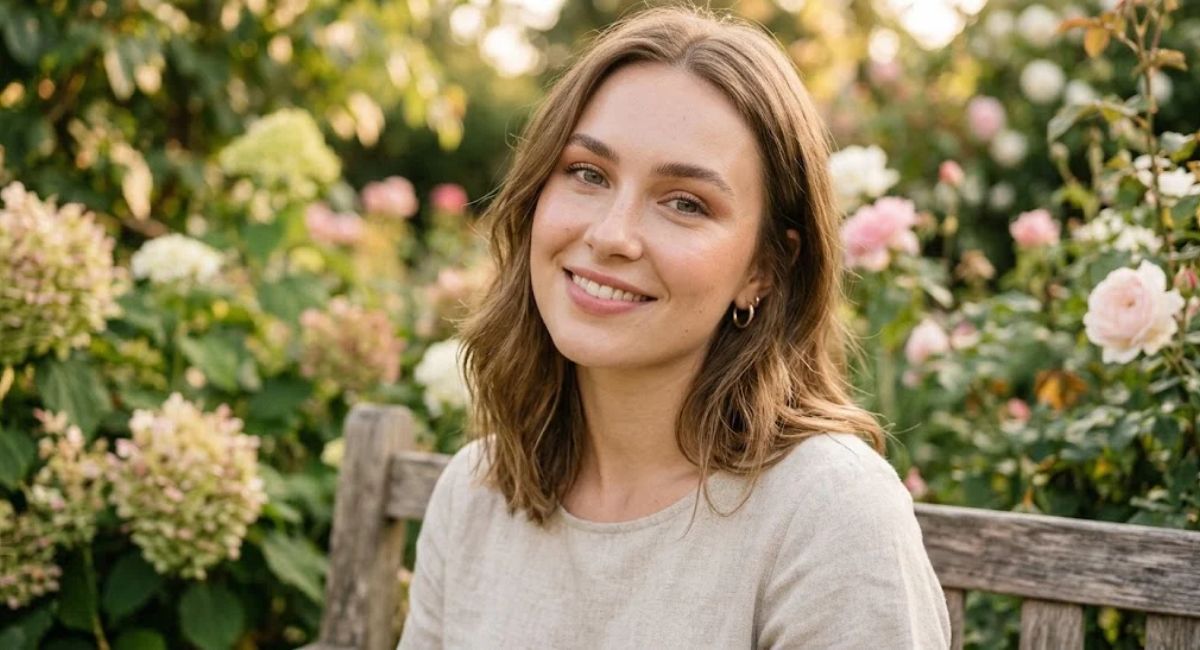
Soft Natural Makeup Looks to Try
1. Fresh Skin With a Barely-There Base
This is the look to choose when you want your complexion to remain the main focus. Rather than covering your entire face with foundation, use a skin tint or lightweight foundation where you want more evenness, then add concealer only to areas that need extra coverage.
A small amount of cream blush brings colour back to the cheeks, while groomed brows and a coat of mascara make the face look finished. Keep the lips close to their natural colour with a tinted balm.
The appeal lies in the amount of skin that remains visible. Freckles, natural variations in complexion, and the texture of your skin do not need to disappear for this look to work.
Best for: Everyday wear, casual outings, university, and anyone who prefers minimal coverage.
2. Dewy Makeup With a Soft Glow
A dewy finish gives natural makeup a fresh, light-catching appearance. Start with moisturiser suited to your skin type and allow it to settle before applying makeup. Choose a luminous base if you like glow, but avoid applying shiny products indiscriminately across the face.
Use a cream or liquid blush on the cheeks and a small amount of finely milled highlighter on the cheekbones. A clear or softly tinted gloss completes the look.
There is an important difference between dewy and greasy-looking makeup. If your forehead or nose becomes shiny during the day, leave those areas less luminous and keep the glow on the high points of your face.
Best for: Daytime events, spring and summer makeup, and anyone who enjoys a radiant finish.
3. Peach Blush With Warm Nude Lips
Peach tones give a soft natural look a little warmth without relying on dramatic eye makeup. Apply a peach or peach-pink blush and blend its edges until there are no obvious lines. A sheer peach lip tint or warm nude lipstick keeps the colour story consistent.
For the eyes, a light beige or warm brown eyeshadow is enough. Curl the lashes and apply mascara, concentrating on the upper lashes if you want a particularly understated result.
The key is choosing colours that complement one another rather than matching every product exactly. A slightly pinker lip can balance a warm peach cheek beautifully.
Best for: Brunch, daytime dates, family gatherings, and warm-weather occasions.
4. Rosy Cheeks With a Pink Lip Tint
If peach feels too warm for your taste, try a rose-toned version of natural makeup. A muted pink blush creates a fresh flush, while a sheer rose lipstick or tinted balm gives the lips definition without an opaque finish.
Keep the complexion light and use a neutral eyeshadow close to your skin tone. A thin coat of mascara and softly brushed brows provide enough structure without competing with the cheeks.
This look can be adjusted easily. Choose a pale rose for a delicate finish or a deeper dusty pink when you want a little more colour. The most flattering shade depends on your complexion and natural colouring, not a universal rule about which pink suits everyone.
Best for: Everyday wear, work, lunch dates, and occasions where you want a soft, feminine colour palette.
5. Soft Brown Eyeliner With Natural Lashes
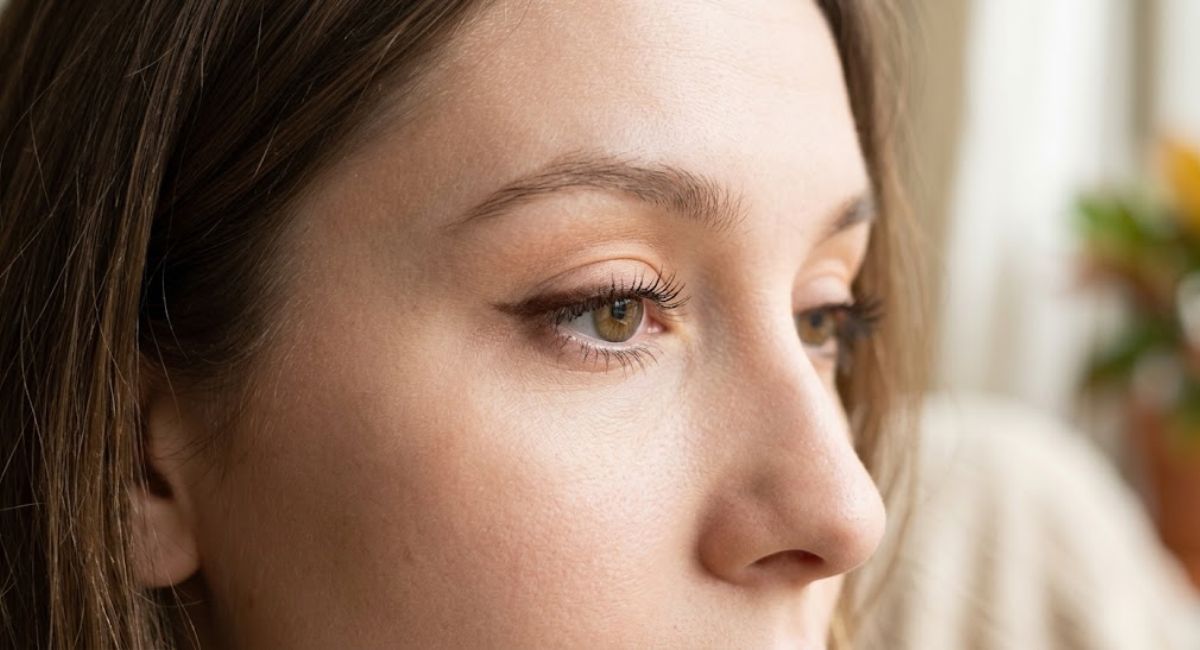
Black eyeliner can create a strong outline, but brown eyeliner often gives a gentler result. Draw a fine line close to the upper lashes, then soften the edge with a small brush or cotton bud before the product sets.
Pair it with a light taupe or beige eyeshadow. Curl your lashes and apply mascara without building up too many layers. Keep the cheeks softly coloured and the lips neutral so the eyes remain the focus.
For a little extra definition, extend the liner just beyond the outer corner in a short, slightly lifted shape. The result should look like a subtle enhancement rather than a bold graphic wing.
Best for: Office makeup, dinner dates, everyday wear, and people who want more eye definition without a smoky finish.
6. Soft Taupe Eyes With a Satin Complexion
Taupe sits between brown and grey, making it useful when you want eye definition that is neither too warm nor too dark. Sweep a matte or softly satin taupe shade over the eyelid and blend a little extra colour into the outer corner.
Keep the base in a natural or satin finish. Add a restrained amount of blush and choose a nude-pink or beige-rose lip colour.
Unlike a heavily shimmery eye look, this combination relies on gentle shading. It adds dimension without requiring several eyeshadow colours or a sharply defined crease.
If your eyelids are naturally darker than the rest of your face, you do not have to conceal that difference completely. A soft taupe shade can work with your natural colouring rather than attempting to erase it.
Best for: Work meetings, dinners, everyday polished makeup, and occasions when you prefer a more refined finish.
7. Golden Bronze Eyes With a Nude Lip
For a warmer option, use a sheer bronze or soft golden-brown eyeshadow. Press the colour onto the lid and blend the edges with a matte brown shade if needed. Keep shimmer fine and subtle so that the look remains soft rather than glittery.
A natural-finish base, a warm blush, and a nude lip bring the whole look together. If your eyeshadow already has plenty of warmth, avoid adding strong orange tones to every other part of the face.
Bronze can look different depending on your skin tone and the lighting. Test the shade in natural daylight before deciding whether it looks balanced. If the metallic effect feels too strong, blend a matte brown over the edges to soften it.
Best for: Evening dinners, autumn events, celebrations, and anyone who wants a little more dimension without full glam.
8. The Soft Matte Makeup Look
Natural makeup does not have to be shiny. A soft matte finish can look just as understated, particularly when you prefer less visible glow or your skin becomes oily during the day.
Choose a foundation with a natural or soft matte finish and apply a thin layer. Use concealer selectively, then lightly powder the areas where makeup tends to crease or become shiny. A muted rose or peach blush prevents the complexion from looking flat.
Avoid heavy powdering across the entire face unless you genuinely prefer that finish. The aim is to control excess shine while retaining a natural appearance.
Finish with softly defined brows, mascara, and a satin lipstick or tinted balm.
Best for: Long workdays, humid weather, combination skin, and anyone who prefers a polished finish without visible shimmer.
9. Natural Makeup With Freckles Showing
Freckles can remain visible beneath natural makeup, whether they are naturally present or become more noticeable in sunlight. To achieve this look, use a sheer base or skip foundation altogether if you do not need it.
Apply concealer only where you want additional coverage, avoiding unnecessary layers across the cheeks and nose. Cream blush can add colour without creating a thick layer over the skin.
Keep the rest of the face simple: brushed brows, curled lashes, and a soft lip colour. If you use a setting powder, apply it sparingly where needed rather than automatically covering the entire complexion.
There is no need to recreate freckles with a pencil unless that is the effect you want. The point of this look is to let your natural skin details remain visible.
Best for: Minimal makeup days, outdoor gatherings, and people who prefer a less perfected complexion.
10. Soft Berry Lips With Minimal Eye Makeup
Natural makeup does not have to mean beige lips. A muted berry, rosewood, or sheer plum shade can add colour while keeping the overall look understated.
Choose a lip tint or sheer lipstick and apply it in a light layer. If the colour is stronger than expected, press a little of it onto the lips with your fingertip to diffuse the edges. A matching or softly rosy blush can help the colour feel connected to the rest of the face.
Keep the eyes simple with mascara and a neutral eyeshadow, or use a small amount of brown liner for definition.
The difference between this look and a traditional bold-lip makeup style is the finish. A softly applied berry tint looks less formal than a sharply outlined, fully opaque lipstick.
Best for: Autumn and winter outings, dinner dates, casual evening events, and anyone who prefers colour over a nude lip.
11. Natural Makeup With Defined Brows
When your brows have a clear shape, you may not need much additional eye makeup. Brush the hairs into place and fill only the gaps that you want to soften with a fine pencil or powder close to your natural brow colour.
Avoid drawing a solid outline around the entire brow. Instead, use small strokes that follow the direction of hair growth, then soften the front so it does not appear blocky.
Pair the brows with a light base, subtle blush, and a neutral lip. You can add mascara if you want more definition, but strong eyeliner is not necessary.
This look works especially well when you want the face to appear groomed without creating a heavily made-up effect.
Best for: Quick morning routines, professional settings, and people whose brows naturally frame their faces.
12. Soft Natural Makeup for a Special Occasion
For a wedding guest outfit, birthday dinner, or family celebration, natural makeup can have slightly more definition while still looking soft.
Use a light-to-medium coverage base where you want it, blend a neutral eyeshadow across the lids, and add a deeper brown shade near the outer corners. A thin line of brown eyeliner and carefully applied mascara help the eyes stand out in photographs.
Choose blush that complements your lip colour, then finish with a satin lipstick or comfortable long-wearing lip tint. If you want to use highlighter, apply a small amount to the cheekbones rather than creating a strong metallic stripe.
If the occasion involves flash photography, check your makeup in different lighting before leaving. A look that appears subtle in a bathroom mirror may photograph differently under bright or direct light.
Best for: Weddings, birthday parties, dinners, and events where you want a little more polish than your everyday routine.
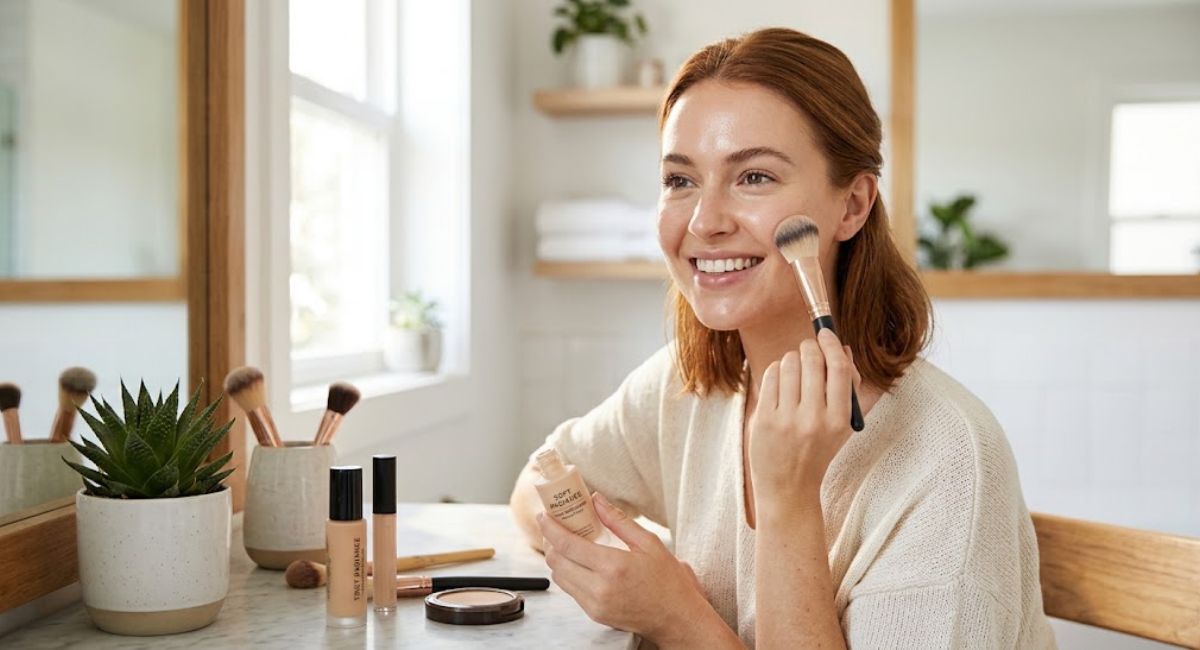
How to Create a Soft Natural Makeup Base
The base determines how the rest of your makeup sits on the skin. You do not need to hide every mark or make the complexion perfectly uniform; the aim is to create the finish you prefer with as little unnecessary product as possible.
- Prepare your skin. Apply moisturiser appropriate for your skin type and let it absorb. Use broad-spectrum sunscreen during the day as part of your usual sun-protection routine.
- Choose your coverage. A skin tint or tinted moisturiser can provide light coverage, while a foundation may suit you better if you want more evenness. Product names alone do not guarantee a particular finish, so check how the formula looks on your skin.
- Apply in thin layers. Start in the areas where you want coverage and blend outward. Add another small amount only where needed.
- Spot-conceal selectively. Use a small brush or fingertip to apply concealer to individual areas instead of automatically layering it over your entire face.
- Choose cream or powder products to suit your finish. Cream blush can blend into a dewy base, while powder blush may work better if you prefer a soft matte result. Neither formula is automatically best for everyone.
- Set only where necessary. Lightly powder areas that crease or become oily. Leave other areas untouched if you want to retain a natural finish.
For more base and blending inspiration, see DailyFeedia’s natural-looking makeup ideas.

Choosing Colours That Look Natural on Your Skin
Natural makeup is not limited to one complexion or colour palette. The amount of contrast between your skin, eyes, brows, and lips can influence how a shade appears, so use these suggestions as starting points rather than strict rules.
| Colour direction | Shades to explore | Overall effect |
| Soft and rosy | Dusty pink, rose, muted mauve | A gentle flush with cooler or balanced colour |
| Warm and peachy | Peach, coral, warm nude | Freshness and warmth |
| Neutral and understated | Taupe, beige, rose-brown | Subtle definition without strong colour contrast |
| Golden and bronzed | Bronze, caramel, warm brown | Warmth and softly defined eyes |
| Muted and deeper | Rosewood, berry, soft plum | More lip colour without a fully bold finish |
The best way to choose is to test makeup in daylight and look at how the colours work together. If a nude lipstick makes your complexion look washed out, try a rosier or deeper version. If peach blush looks too orange, a neutral rose may feel more balanced.
You can also explore prom natural makeup looks for ideas that use a little more definition for special occasions.
Small Mistakes That Can Make Natural Makeup Look Heavy
Using too much foundation. A thick layer can obscure the skin texture you wanted to retain. Begin with less product and build coverage only where you need it.
Choosing a concealer that is much lighter than your complexion. This can create a noticeable contrast under the eyes. Choose a shade that provides the level of brightening you prefer without looking disconnected from the rest of your face.
Applying blush without blending the edges. A soft look usually benefits from diffused colour. Start with a small amount and build gradually, especially with highly pigmented liquid blush.
Combining too many competing finishes. Strong glitter, intense contour, glossy cheeks, and a bold lip can pull attention in several directions. Pick one feature to emphasise and keep the others quieter.
Treating every skin type the same. A very dewy base may not be comfortable for someone who prefers less shine, while a heavily powdered finish can emphasise dry patches. Choose formulas and placement according to your skin and preferences.
Ignoring product hygiene. Remove makeup before bed, avoid sharing makeup and applicators, and clean brushes regularly. The American Academy of Dermatology also recommends choosing non-comedogenic products if you are prone to acne. Read its guidance on wearing makeup with acne.
Frequently Asked Questions
What is the difference between soft makeup and natural makeup?
Natural makeup generally aims to keep the complexion and features looking close to their usual appearance. Soft makeup describes the way colours and edges are blended. A look can be both soft and natural, or it can have soft, diffused eyeshadow with a more noticeable lip colour.
Which products are essential for a soft natural makeup look?
A moisturiser suited to your skin, daytime sunscreen, a base product if you want coverage, concealer if needed, blush, mascara, and a lip product are a useful starting point. Eyeliner, eyeshadow, bronzer, and highlighter are optional rather than mandatory.
Can I create natural makeup without foundation?
Yes. If you are comfortable with your natural complexion, you can skip foundation and use a little concealer only where desired. Blush, groomed brows, mascara, and lip balm can create a finished look without a full-face base.
How can I make natural makeup last longer?
Prepare your skin with products that suit its needs, apply makeup in thin layers, and use setting powder or setting spray according to your preferred finish. Blot excess oil instead of repeatedly adding powder. Wear time will depend on the formulas, climate, and your skin.
Which blush colour looks most natural?
Peach, soft coral, rose, and muted pink are all useful starting points. The most natural-looking option is usually the one that blends harmoniously with your complexion and the other colours you are wearing.
Can soft natural makeup work for mature skin?
Yes. You can adapt the look by choosing comfortable base formulas, applying less product around areas where makeup tends to crease, and blending blush and eyeshadow gently. There is no single finish or technique that every mature person must follow.
Final Thoughts
The most successful soft natural makeup looks are not necessarily the ones with the fewest products. They are the ones where every detail has a purpose. A sheer base can let freckles show through, brown eyeliner can define the eyes without a sharp black outline, and a berry lip can add personality without turning the look into full glam.
Start with the finish you enjoy most, choose one feature to emphasise, and adjust the colours to suit your own complexion. Natural makeup should feel like a flexible way to express your style, not another set of rules to follow.