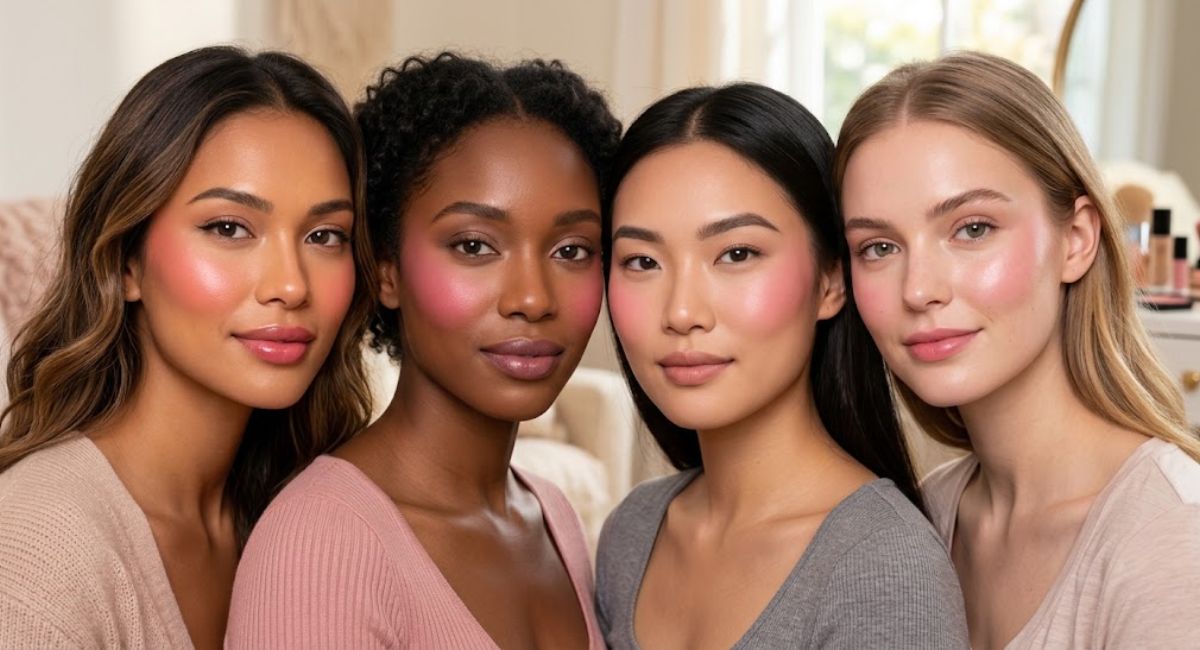
Pink blush can change the entire mood of a makeup look without requiring a different foundation, a complicated eyeshadow palette, or a full set of new products. A sheer wash of rosy colour feels fresh and understated, while vivid pink concentrated on the cheeks creates a playful statement. A deeper rose with softly defined eyes can look polished enough for an evening out.
The secret is not simply finding a pink blush you like. It is understanding how the shade, finish, placement, and surrounding makeup work together.
Some pink blush makeup looks are designed to blend almost invisibly into the skin. Others deliberately make the cheeks the main feature. The right choice depends on the finish you enjoy, the occasion, and how much colour you want to see.
If you are looking for inspiration beyond the usual rosy-cheeked look, these ideas explore different ways to wear pink, from barely-there colour to dramatic berry-pink glamour.

1. Pink Blush Makeup Looks for a Barely-There Rose Flush
The mood: Fresh, understated, and easy to wear.
For days when you want your skin to look like skin, choose a muted rose or soft neutral pink. Rather than creating a clearly defined patch of colour, the blush should blend into your complexion so that the result looks subtle from a distance.
Apply a small amount of cream or liquid blush to the upper part of your cheeks. Tap the product into place, then soften the edges with a clean sponge or brush. Keep the colour light around the perimeter.
A lightweight base, brushed brows, and a little mascara are enough to complete the look. On the lips, use a tinted balm or sheer rose lipstick.
This approach works particularly well for everyday errands, casual lunches, and workdays when you prefer understated makeup. If you are building a complete minimal routine, explore soft natural makeup looks for complementary ideas.
2.Pink Blush Makeup Looks With Cool Ballet Pink
The mood: Delicate, refined, and slightly editorial.
Ballet pink has a cool, petal-like quality that can make a makeup look feel light and elegant. Instead of pairing it with a strongly bronzed complexion, let the pink remain the main colour on the cheeks.
Choose a blush with a satin or softly luminous finish. Apply it along the upper cheek area, blending outward without creating a sharp stripe. Keep the base relatively even, but avoid piling on powder if you want the skin to retain some natural dimension.
For the eyes, use a pale taupe or soft beige shade. Finish with separated lashes and a cool pink or rose-nude lip.
The important detail is balance. A very pale pink can appear subtle on some complexions and almost disappear on others. If that happens, try a slightly deeper cool rose rather than repeatedly layering a shade that is too light.
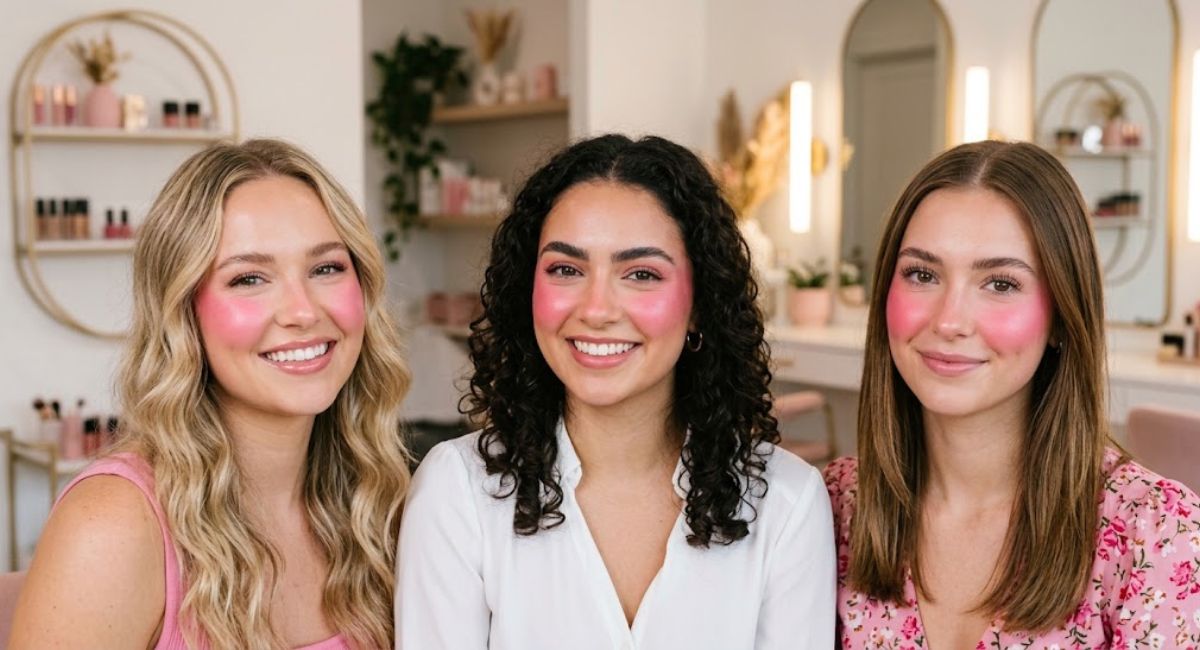
3. Pink Blush Makeup Looks With Bright Babydoll Cheeks
The mood: Playful, youthful, and unapologetically pink.
This look is for anyone who wants blush to be noticed. Think candy pink, vivid rose, or fuchsia applied with enough intensity to become a defining feature of the face.
Place most of the colour around the upper apples of the cheeks, then blend the outer edges. Keeping the strongest pigment relatively central creates a different effect from sweeping blush all the way toward the temples.
Start with a light application, especially if you are using a highly pigmented liquid formula. Build the colour in thin layers until it reaches the intensity you want.
A soft pink lip tint can reinforce the colour story, while a glossy nude lip creates more contrast. Keep the eyes simple with curled lashes and a neutral wash of eyeshadow.
For a playful daytime version, use a creamy finish. For a more graphic, fashion-inspired result, choose a matte pink and keep the edges carefully diffused.
4. Pink Blush Makeup Looks With a Dewy Watercolour Finish
The mood: Fresh, translucent, and light-catching.
Watercolour blush is less about the exact shade and more about the way the colour appears on the skin. The pigment looks diluted and softly spread, rather than opaque or sharply outlined.
A sheer liquid or cream blush is a useful choice. Apply a small amount to the cheek, then blend until the colour looks almost transparent at the edges. If you want a more luminous finish, pair it with a natural or dewy base.
Avoid adding highlighter automatically. If your blush already has a luminous finish, extra shimmer may create more shine than you intended.
For the rest of the face, try softly defined brows, a little mascara, and a clear or pale pink gloss. The effect is particularly appealing for spring and summer makeup, daytime events, and occasions when you want a fresh complexion without heavy coverage.
5. Dusty Pink With Soft Matte Makeup
The mood: Polished, balanced, and quietly sophisticated.
Not every pink blush look needs glossy skin. Dusty pink paired with a soft matte or natural-matte base gives the cheeks colour without making the complexion look overly shiny.
Choose a muted pink with a hint of rose or mauve. Sweep it lightly across the cheeks with a fluffy brush, concentrating the colour where you want it and blending away any visible edges.
Use a small amount of setting powder only where needed, such as areas that become shiny or where foundation tends to crease. A completely powdered face is not necessary to achieve a matte-leaning finish.
For the eyes, brown liner and soft taupe shadow add definition without competing with the blush. A rosewood or neutral-pink lipstick completes the look.
This combination suits professional settings, dinner plans, and anyone who prefers a more controlled finish than dewy makeup provides.
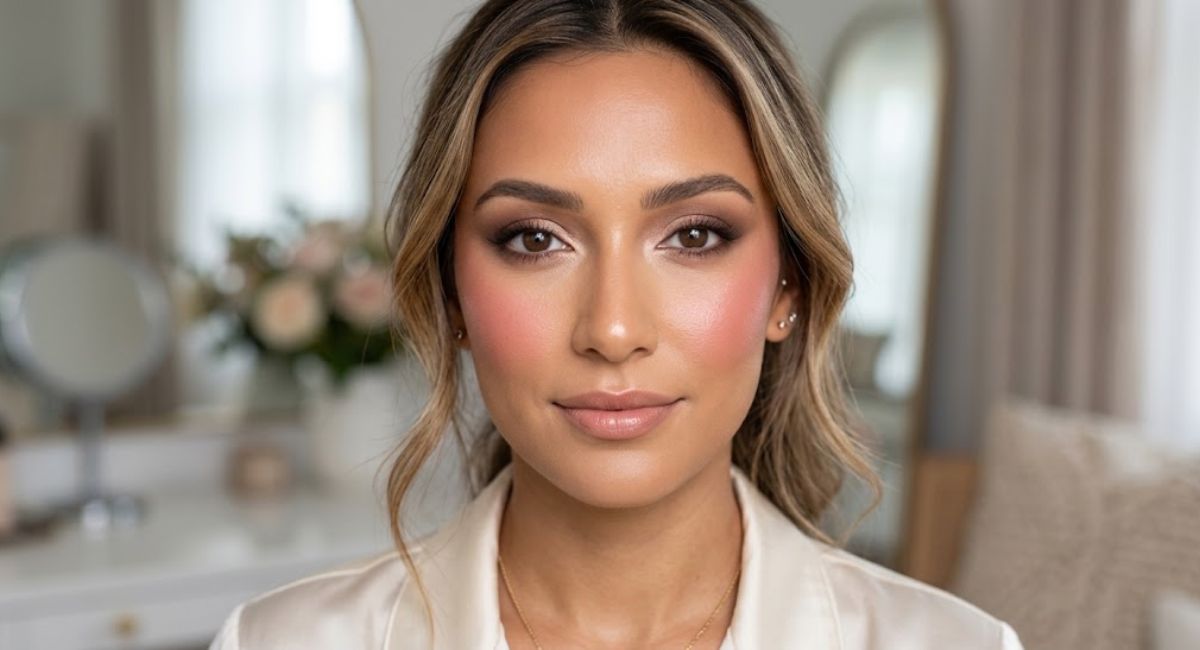
6. Pink Blush Makeup Looks With a Soft Brown Smoky Eye
The mood: Romantic with a little definition.
Pink cheeks and brown smoky eyes make a useful combination when you want more depth around the eyes without losing the freshness of blush.
Start with a neutral rose blush rather than an extremely bright pink. Apply it to the cheeks and blend the edges before moving on to the eyes.
Sweep a medium brown eyeshadow across the lid and soften the outer corner with a deeper brown. Keep the lower lash line lightly defined instead of drawing a thick, dark outline around the entire eye.
A nude-pink lipstick ties the colours together. If you prefer more contrast, a deeper rose lip can make the makeup feel suitable for evening wear.
The trick is to let the brown create dimension while the pink brings colour back to the complexion. Neither needs to be heavily applied.
7. Rosy Pink With a Glossy Lip
The mood: Fresh, coordinated, and a little more glamorous.
A glossy lip changes how pink blush feels. Together, the two create a deliberately luminous look that can be simple enough for a lunch date or polished enough for a celebration.
Choose a rose-pink blush and apply it with a light hand. If the cheeks are very glossy, the face can start looking overly shiny, so consider keeping the blush satin or softly radiant rather than pairing several intensely reflective products.
Use a sheer pink gloss, tinted balm, or comfortable lip oil. A neutral eyeshadow and mascara keep the look from becoming too busy.
For a more coordinated finish, choose a lip colour from the same general colour family as the blush. Exact matching is unnecessary; a slightly warmer or deeper lip can add dimension.
If your skin becomes oily throughout the day, keep the gloss concentrated on the lips and use a more controlled finish on the centre of the face.
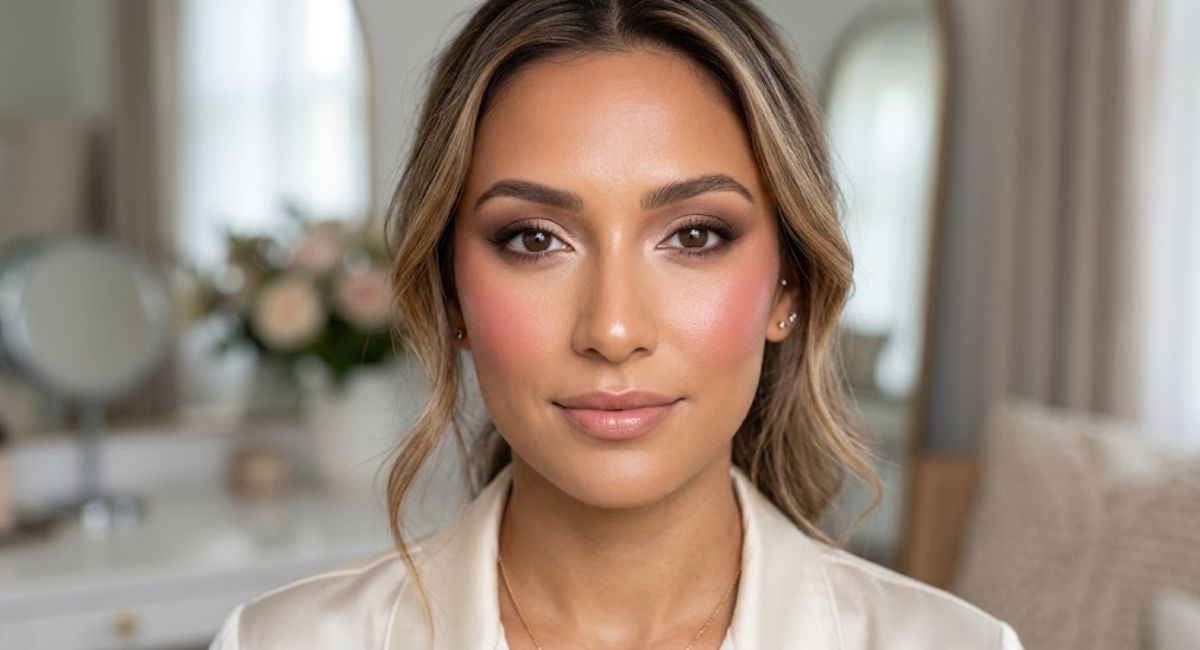
8. Pink Blush Makeup Looks With Rich Berry-Pink Shades
The mood: Rich, confident, and more dramatic.
Berry pink is a useful alternative when baby pink feels too pale or bright candy shades are not your style. It has more depth, allowing the cheeks to stand out without relying on neon colour.
Apply a berry-rose blush to the upper cheeks and blend it outward. A powder formula can make it easier to control the intensity, although a buildable cream works just as well if you prefer a softer finish.
Pair the blush with softly sculpted brown eyes, defined lashes, and a rosewood or berry lip. You can also keep the lips neutral and let the cheeks provide the strongest colour.
For an event or evening dinner, check the result in the lighting where you expect to spend time. A shade that looks restrained in a bright bathroom may appear more intense under warm indoor lighting or flash photography.
9. Pink Ombré Blush
The mood: Dimensional, blended, and more artistic.
Ombré blush uses two related shades to create a gradual transition rather than one flat area of colour. For example, a muted rose can form the outer part of the blush while a brighter pink adds emphasis closer to the centre of the cheeks.
Begin with the softer shade and blend it into place. Add a small amount of the brighter colour where you want the strongest flush, then soften the point where the two colours meet.
The shades should complement each other. Pairing a cool baby pink with a very orange coral may work as a deliberate colour-blocking choice, but it will not create the same seamless transition as two related pinks.
For a beginner-friendly version, use one blush and a slightly deeper rose powder. You do not need two new products to experiment with the technique.
Keep the eyes and lips relatively simple while you learn the placement. The blended colour is already doing the visual work.

10. Pink Blush Makeup Looks With a Sun-Kissed Finish
The mood: Warm, relaxed, and softly flushed.
Pink blush can look beautiful with a little warmth elsewhere on the face. The result is not a strong contour or a heavy bronzed look; it is a combination of rosy colour and gentle warmth.
Choose a warm pink, peach-pink, or rose shade. Apply it across the cheeks, blending slightly outward. If you use bronzer, place it separately around the areas where you want warmth and blend the products so that neither leaves a visible boundary.
Avoid dragging a deep bronzer directly over a pale pink blush before it has blended. The combination can become muddy, especially when the undertones of the two products clash.
A peachy nude lip and soft brown mascara or eyeliner work well here. This version is particularly useful when you like pink but want a warmer overall result.
11. Monochromatic Pink Makeup
The mood: Coordinated, expressive, and intentionally colour-led.
Monochromatic makeup repeats a similar colour family across the cheeks, eyes, and lips. Pink is especially adaptable because it ranges from barely visible rose to vivid fuchsia and deeper berry tones.
Start by choosing the overall intensity. A soft rose blush can be paired with a sheer pink lip and a faint wash of pink-beige eyeshadow. For a bolder version, use stronger pink cheeks and a richer rose lip, while keeping the eye colour controlled.
You do not have to apply the same product to every feature. In fact, varying the finishes often makes the result more interesting: satin blush, softly matte eyeshadow, and a glossy lip can work together without looking overly matched.
If pink eyeshadow makes your eyes look tired, try a more neutral shade on the lids and keep the monochromatic effect on the cheeks and lips. Makeup should be adjusted to the effect you want, not forced into a strict colour rule.
12.Pink Blush Makeup Looks for a Lifted Cheekbone Effect
The mood: Clean, defined, and modern.
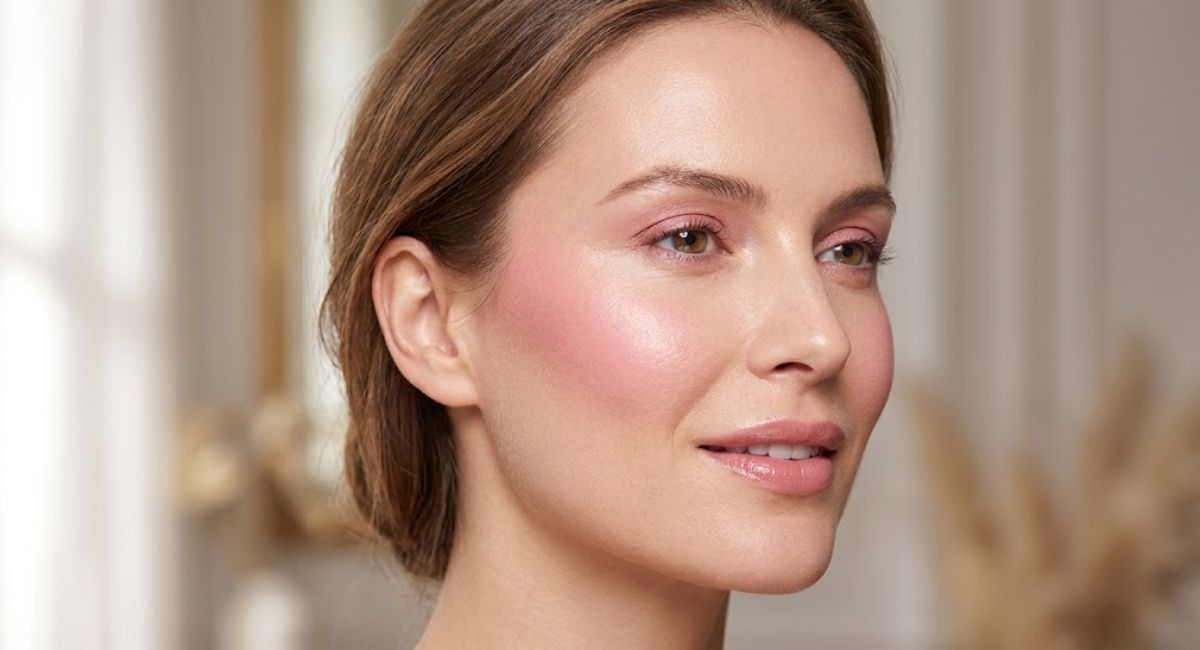
Placement can change the impression created by a blush shade. Rather than concentrating all the colour on the apples of the cheeks, this technique places it higher and blends it toward the temples.
Use a soft rose or medium pink and start near the upper cheekbone. Blend upward and outward, keeping the edges light. Avoid carrying a thick band of pigment too close to the under-eye area.
A small amount of concealer beneath the eyes and softly defined brows can complement the placement. Keep contour subtle, or skip it if you prefer the cheeks to provide the definition.
The effect varies with facial structure, so treat the placement as a starting point rather than a rule. If the colour looks too close to the eyes or makes the face feel crowded, move it slightly lower or farther outward.
How to Choose the Right Pink Blush
There is no single pink that works identically on every complexion. The same shade can look delicate on one person and much brighter on another, depending on skin depth, undertone, lighting, and the opacity of the formula.
Use these suggestions as a starting point:
- Fair complexions: Try pale rose, ballet pink, soft cool pink, or a sheer neutral rose. If a shade disappears, move toward a slightly deeper pink rather than applying several heavy layers.
- Light-medium and medium complexions: Explore rose, warm pink, peach-pink, and brighter candy shades. The finish and depth of the product can matter as much as its colour name.
- Olive or golden complexions: Consider warm rose, muted pink, or peach-pink. If a cool pink looks grey or stark to your eye, try a more balanced rose.
- Tan and deep complexions: Look at saturated rose, fuchsia, berry pink, and deeper pinks with enough pigment to remain visible. A pale pink can still be used as an intentional contrast, but a deeper or more pigmented version may provide a clearer flush.
Undertone categories are useful guides, not restrictions. If you love a particular pink, test it on your cheeks and see how it works with the rest of your makeup.
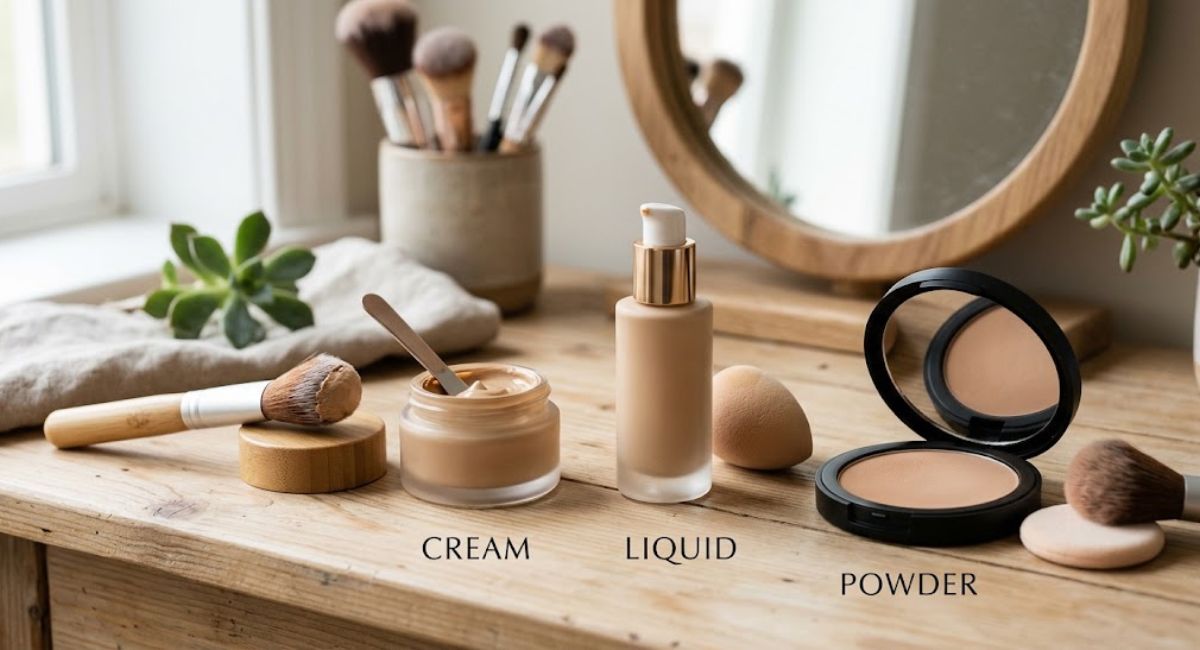
Cream, Liquid, or Powder: Which Formula Makes Sense?
The formula affects how the blush applies and how much control you have over the final finish.
Cream blush is useful when you want a soft, blended appearance. Apply it with fingertips, a sponge, or a brush, depending on the product. Use tapping motions rather than rubbing vigorously over the base.
Liquid blush often has a concentrated pigment, so begin with a very small amount. Place it on the back of your hand or a palette first if dispensing directly onto the cheek makes it difficult to control. Build the colour gradually.
Powder blush can be helpful for creating a softly diffused or matte-leaning finish. It is a great option for pink blush makeup looks when you want smooth, buildable colour without too much shine. Pick up a small amount with a fluffy brush, tap away the excess, and blend in light strokes. Powder blush can also add a little more colour over a set foundation while helping you achieve a polished, natural-looking finish.
No formula is automatically best for every skin type. Consider how your foundation behaves, the finish you prefer, and how much blending time you have.
Small Application Adjustments That Make a Difference
A good blush look often depends on a few quiet details rather than extra products.
Start with less pigment. You can always add colour, but removing an overly intense patch without disturbing the base takes more work.
Blend the perimeter. The centre of your blush can remain visible while the edges fade gradually into the surrounding makeup.
Check the finish in daylight. Indoor lighting can make pink appear warmer, cooler, or more intense than it looks outside.
Avoid rubbing over your foundation. Press or tap cream and liquid products into place, especially when the base is lightweight.
Give each feature a job. If your blush is vivid, use a softer eye or lip. If the blush is muted, you have more freedom to add definition elsewhere.
Common Pink Blush Mistakes to Avoid
One frequent problem is choosing a shade solely because it looks attractive in its packaging. A colour swatch on a hand may not show how the blush will look across the cheeks, so test it on the area where you intend to wear it.
Another is applying too much product before blending. This is particularly noticeable with liquid blushes. Start with a tiny amount and build up instead of trying to blend a large deposit after it has begun to set.
It is also easy to confuse shine with freshness. A dewy blush can look beautiful, but layering luminous foundation, glossy blush, highlighter, and oily-looking products over the entire face may create more reflection than intended. Choose where you want the glow.
Finally, do not feel obliged to match your blush to your lipstick exactly. Related shades can look coordinated without being identical. Sometimes a neutral lip is precisely what lets a bold pink cheek stand out.
Frequently Asked Questions
Which pink blush look is best for everyday makeup?
A sheer rose flush or muted pink with a natural finish is a practical starting point. Apply a small amount to the cheeks, blend the edges, and pair it with mascara and a tinted lip balm. You can increase the colour when you want a more noticeable effect.
Can you wear pink blush with red lipstick?
Yes. The balance depends on the depth and undertone of both colours. A soft rose blush can complement a classic red lip, while a brighter pink may create a more deliberate, fashion-forward combination. Keep the blush controlled if you want the lipstick to remain the main feature.
How do you stop pink blush from looking too bright?
Use less product, blend the edges with a clean brush or sponge, and check the result in natural light. If the shade is still too intense, soften it with a small amount of your base product where appropriate rather than adding more powder over the entire cheek.
Does pink blush work with matte foundation?
Yes. Pink blush can look polished with a matte or natural-matte base. A powder blush may be convenient over a set foundation, while a compatible cream formula can also work when applied gently. The key is preventing the blush from lifting or disturbing the base.
Should blush go on the apples of the cheeks or the cheekbones?
Either placement can work. The apples create a more central, rounded flush, while higher placement blended outward gives a more lifted impression. Your preferred effect, facial structure, and the specific look you are creating should guide the decision.
Find Your Signature Pink
Pink blush does not have to mean one particular style. A soft rose can become an everyday staple, ballet pink can bring a delicate finish to satin skin, and berry or fuchsia can turn the cheeks into the focus of an evening look.
Start with the effect you want, then choose the shade and placement to support it. If you are unsure, try a sheer application first and build the colour slowly. The most successful look is the one that feels balanced with your complexion and the rest of your makeup, rather than the one that follows every trend.