Choosing the best hair dye colour for women is not really about scrolling through a trend list and pointing at whatever looks pretty on someone else. Your skin tone, eye colour, natural hair texture, and even your lifestyle all decide whether a shade will flatter you or fight against you. I have watched friends walk out of salons in tears because they picked a colour off a magazine cover instead of one that suited their own features, so this guide is built to stop that from happening to you.
If you are searching for the best hair dye colour for women right now, you are probably standing at one of two starting points. Either you want a completely new look, or you are trying to fix a dye job that did not turn out the way you imagined. Either way, the answer starts with understanding your undertone, not with copying a celebrity.
Why Skin Tone Matters More Than Trend Charts
Every year, magazines publish a fresh batch of shade names. This year it is khaki bronde, cowgirl copper, and butter blonde. Next year the names will change, but the underlying rule never does. Warm undertones glow next to golden, caramel, and copper tones. Cool undertones look sharper and cleaner in ash, platinum, or deep burgundy.
Here is a quick way to check your undertone at home:
- Look at the veins on the inside of your wrist in natural light
- Greenish veins usually mean a warm undertone
- Bluish or purplish veins usually mean a cool undertone
- If you genuinely cannot tell, you likely have a neutral undertone and can experiment more freely
I made the mistake once of dyeing my hair a cool ash blonde while having warm, olive skin. The result made me look tired and a little washed out, even though the colour itself was gorgeous on paper. That single experience taught me that the best hair dye colour for women is never a universal answer. It is a personal one.
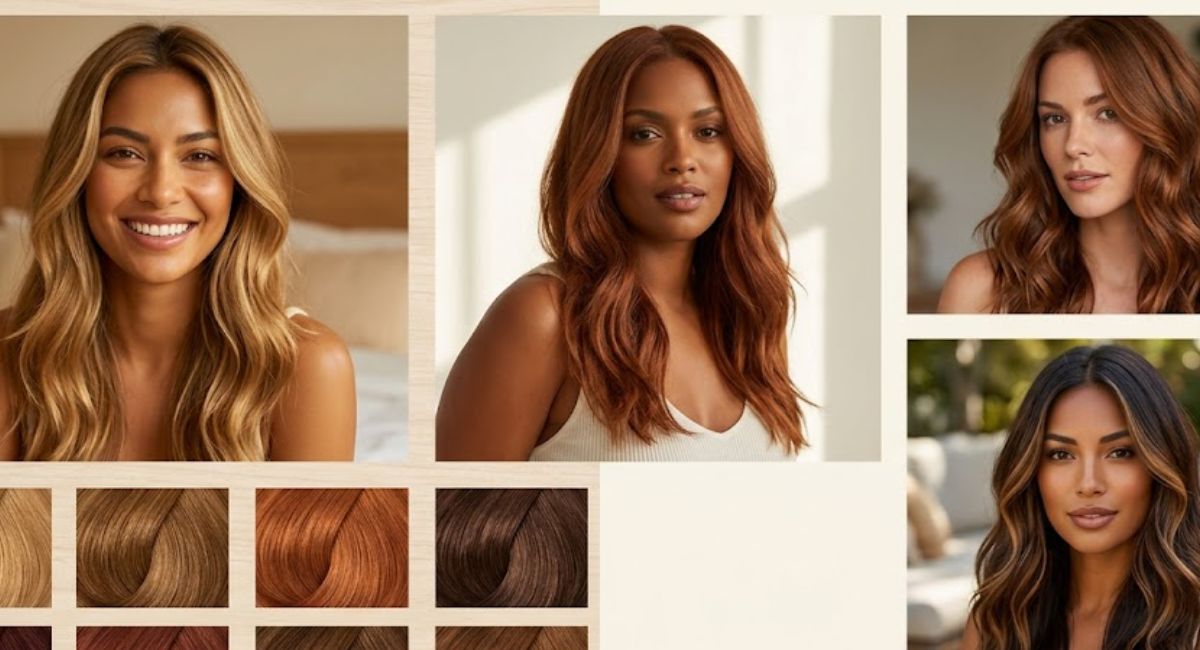
Best Hair Dye Colours for Warm Skin Tones
If your skin leans warm, golden, or olive, these shades tend to bring out a natural glow instead of dulling your complexion.
Honey Blonde A soft, golden blonde that mimics natural sun lightening. It works beautifully on medium to light skin with warm undertones and requires less upkeep than platinum blonde.
Copper Red Rich, warm, and full of life. Copper flatters warm skin because it echoes the same golden and orange notes already present in your complexion.
Chestnut Brown A brown with a reddish warmth running through it. This shade adds depth without looking flat or heavy, and it grows out gracefully.
Caramel Balayage Layers of caramel and toffee tones painted through the hair create dimension while staying low maintenance, since the roots blend naturally as they grow.
Best Hair Dye Colours for Cool Skin Tones
If your skin has pink, red, or blue undertones, these shades usually work in your favour.
Ash Brown This muted brown cuts through warmth and gives a cooler, more polished finish, especially for women who want to avoid brassy tones.
Platinum Blonde Bold and striking, platinum works best on cool, fair skin. It is high maintenance, but the payoff is a bright, almost editorial look.
Burgundy or Wine Red A deep red with purple undertones that flatters cool skin without looking harsh, and it photographs beautifully in soft lighting.
Cool Charcoal Brunette A uniform, no highlight brunette drenched in ash tones. It reads as sophisticated rather than severe, and suits women who want low fuss colour with high impact.
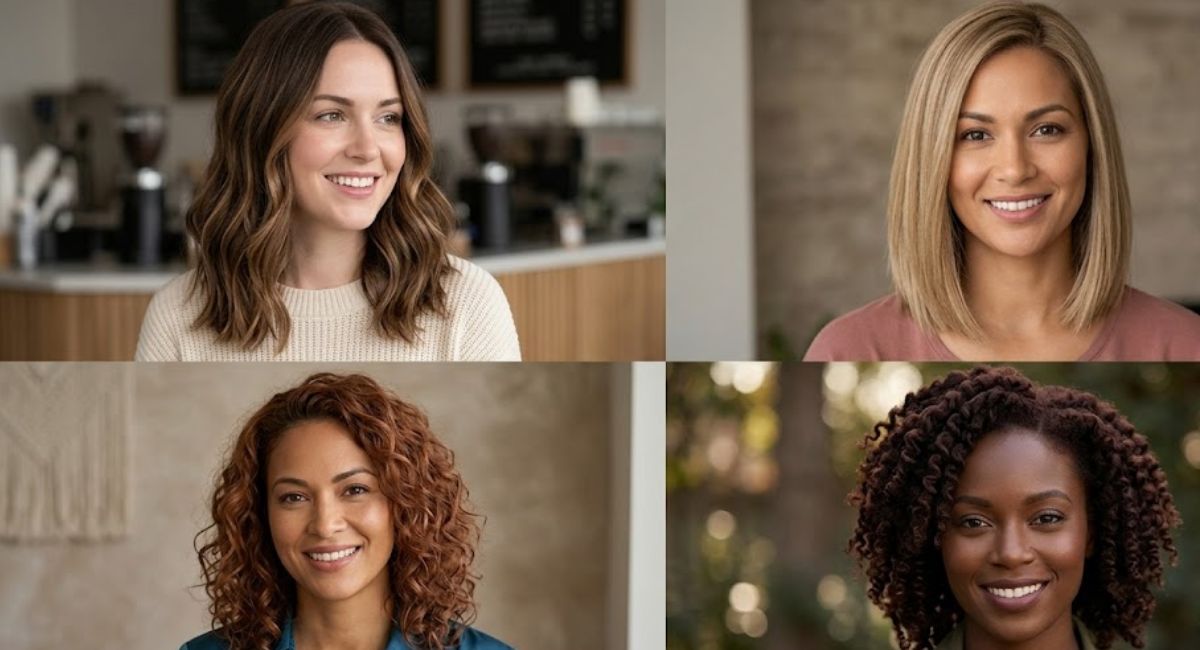
Best Hair Dye Colours for Neutral Undertones
Neutral undertones are the easiest to work with because both warm and cool families tend to look good. Women with neutral skin can lean into:
- Chocolate brown for everyday wearability
- Rose gold for a softer, playful twist
- Espresso black for a sleek, glossy finish
- Dark blonde for a natural, effortless vibe
If your undertone is neutral, use this freedom wisely. Just because a shade will not clash does not mean every shade will suit your personal style, your maintenance routine, or your hair’s current condition.
Matching Hair Colour to Eye Colour
Eye colour plays a smaller but still noticeable role. Brown eyes tend to pop next to caramel, copper, and warm brunette shades. Blue eyes look striking against ash blonde, cool brunette, or even a soft rose gold. Green eyes often shine next to copper red and golden brown, since the warmth in these shades makes green eyes appear more vivid by contrast.
None of this is a strict rule. Plenty of women break the pattern and look incredible doing it. Think of this as a starting point, not a rulebook you are locked into.
At Home Dye vs Salon Colour: What Nobody Tells You
Box dye has come a long way, and for simple, single tone colour changes, it can genuinely work well. The problem shows up when women try complicated techniques like balayage or colour melting at home without any prior experience. I tried this once with a copper shade and ended up with patchy, uneven colour that took three separate salon visits to fix.
If you are dyeing at home, stick to these guidelines:
- Choose a shade within two levels of your natural colour for the safest result
- Always do a strand test before committing to the full head
- Never skip the patch test, since allergic reactions to hair dye are more common than people assume
- Use a semi permanent dye if you are unsure, since it fades gracefully instead of leaving harsh regrowth lines
For anything involving lightening dark hair to blonde, or adding dimensional highlights, a professional colourist is almost always worth the money. Bleaching is unforgiving, and undoing a bad at home bleach job usually costs more than the salon visit would have in the first place.
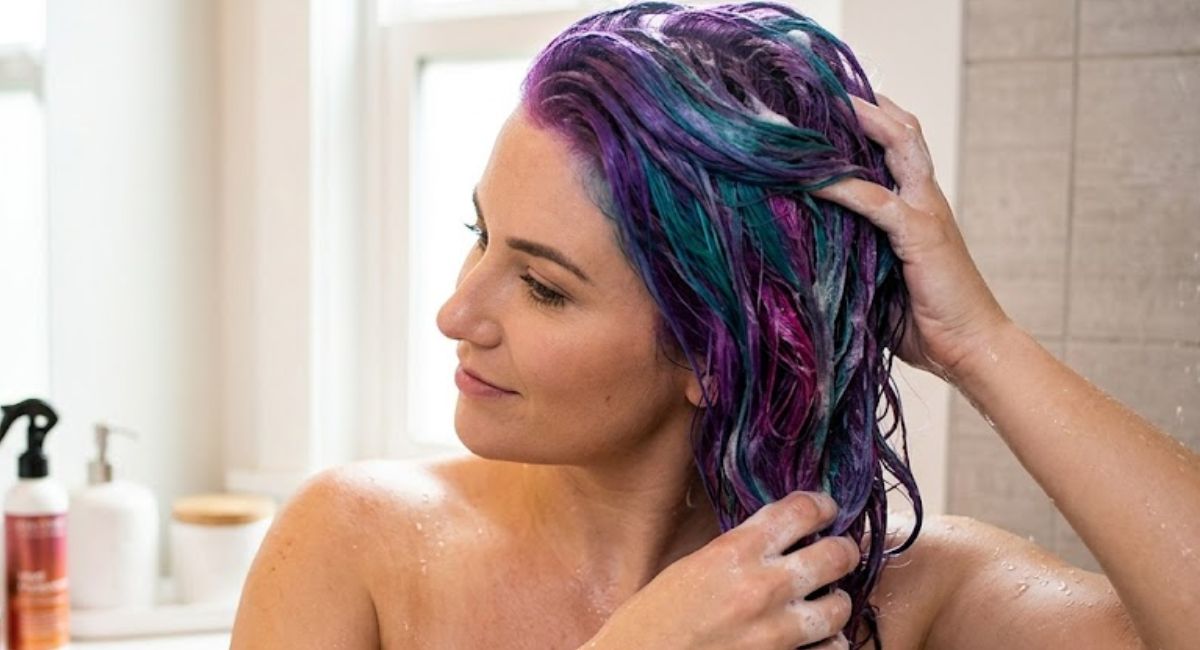
How to Make Any Hair Dye Colour Last Longer
Picking the best hair dye colour for women is only half the job. Keeping it vibrant is the other half, and this is where a lot of women lose interest fast when their brand new colour fades within a few washes.
Use sulfate free shampoo Sulfates strip colour molecules out of the hair shaft faster than gentler formulas.
Wash in cool or lukewarm water Hot water opens the hair cuticle and lets colour escape with every wash.
Add a weekly hair mask A nourishing mask keeps colour treated hair hydrated, since dye naturally dries out the strands.
Limit heat styling Heat fades colour and damages the hair shaft, so a heat protectant spray is non negotiable if you use straighteners or curling wands regularly.
Book regular gloss treatments A clear or tinted gloss refreshes shine and tone between full colour appointments, keeping brassiness away.
Choosing Hair Colour for Your Lifestyle
This part rarely gets mentioned, but it matters just as much as skin tone. Ask yourself honestly how much time and money you want to spend on maintenance.
If you have a busy schedule, low maintenance shades like balayage, babylights, or a colour close to your natural shade will save you constant salon trips. If you love change and enjoy the process, bold or high contrast colours like platinum or vivid red can be part of your self expression, as long as you are ready for the upkeep they demand.
Your career and personal environment can factor in too. Some workplaces are relaxed about bold colour, others expect a more traditional look. There is no wrong choice here, only the choice that fits your actual life rather than a look you saw once online and fell in love with.
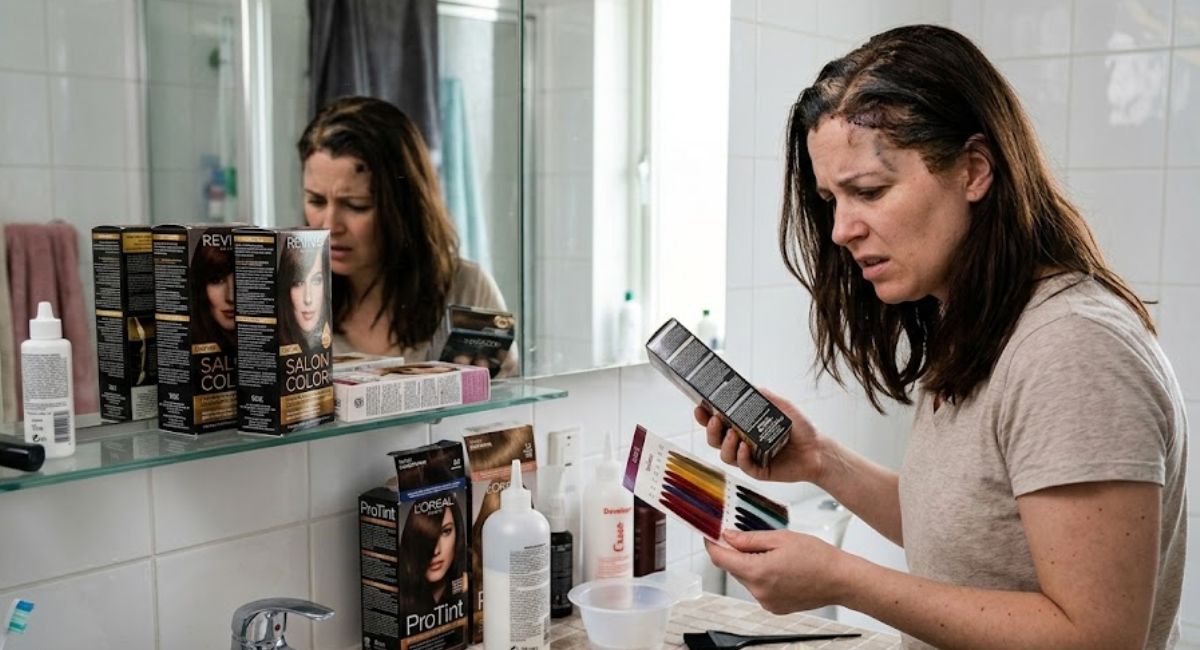
Common Mistakes Women Make When Choosing Hair Dye
- Picking a colour purely because a celebrity or influencer wore it well
- Ignoring how their hair’s current condition will affect the final result
- Going too far from their natural shade in one single session
- Skipping the patch test and risking a scalp reaction
- Choosing a high maintenance colour without accounting for the time and cost of upkeep
- Not consulting a colourist before attempting a drastic change at home
Avoiding these mistakes alone will save you from most of the regret that comes with a rushed hair colour decision.
Final Thoughts
The best hair dye colour for women is the one that works with your undertone, complements your eyes, fits your lifestyle, and still leaves your hair healthy afterward. Trends will keep shifting every season, but the fundamentals of what actually flatters a face rarely change.
Take your time, do a strand test, and if you are attempting anything beyond a simple single tone dye, lean on a professional colourist rather than guessing. Your hair will thank you, and so will your mirror.
FAQs:
- What is the best hair dye colour for women with warm skin tones? Honey blonde, copper red, chestnut brown, and caramel balayage tend to work best because they echo the golden warmth already present in the skin.
- How do I know if my skin has a warm or cool undertone? Check the veins on your wrist in natural light. Greenish veins suggest warm undertones, while bluish veins suggest cool undertones.
- Is box dye safe to use at home? Yes, for simple single tone colour changes box dye can work well, but complex techniques like balayage or lightening are safer left to a professional.
- How long does hair dye usually last before fading? Semi permanent dye typically lasts four to six weeks, while permanent dye can last until regrowth appears, usually six to eight weeks.
- What hair colour suits neutral undertones best? Neutral undertones can wear almost any shade well, including chocolate brown, rose gold, espresso black, and dark blonde.
- Can hair dye damage my hair? Yes, especially bleach and lightening treatments. Using sulfate free shampoo, hair masks, and limiting heat styling helps protect colour treated hair.
- Should I always do a patch test before dyeing my hair? Yes, allergic reactions to hair dye are more common than most people expect, and a patch test can prevent a serious skin reaction.
- What is the lowest maintenance hair colour option? Colours close to your natural shade, or techniques like balayage and babylights, require the least frequent touch ups.
- Does eye colour affect which hair dye suits me? It can. Brown eyes often pop with warm shades, blue eyes with cool tones, and green eyes with copper or golden browns.
- How often should I get a gloss treatment to maintain colour? Every four to six weeks is a good rule of thumb to keep shine fresh and prevent brassiness between full colour appointments.