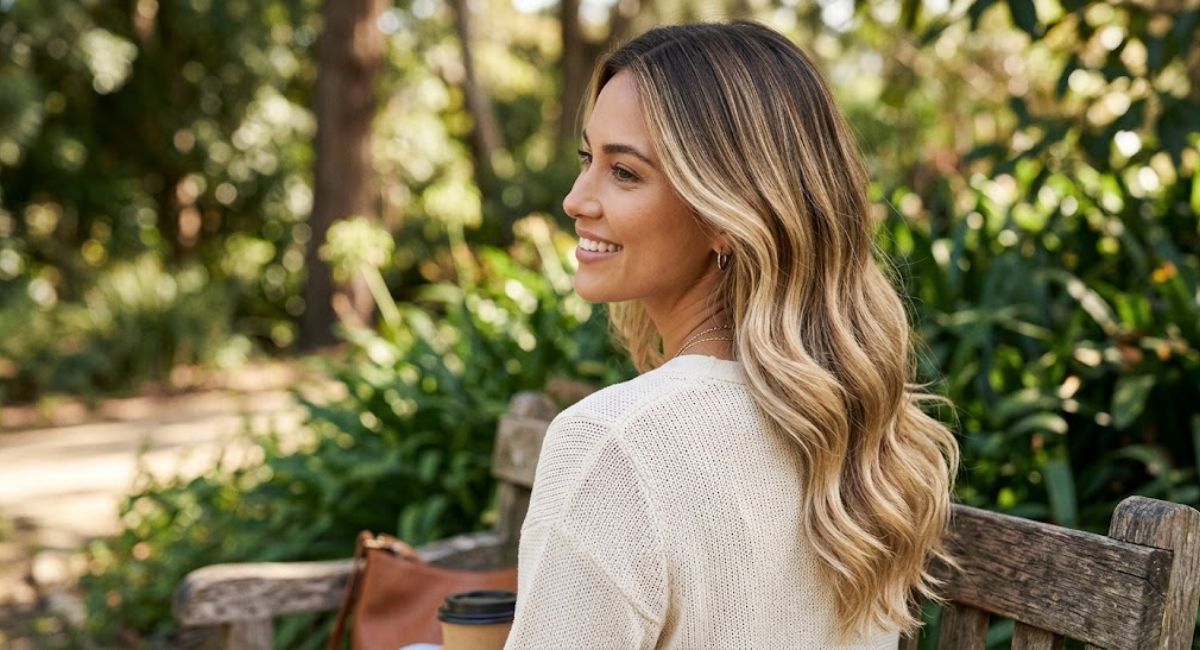
Blond balayage hair has taken over salons worldwide, and for good reason. It gives you that effortless, sun-kissed look that seems like you spent the whole summer outdoors. Whether you’re a first-timer or someone who’s had a few balayage sessions go sideways, this guide covers everything you need to know before sitting in that salon chair.
What Is Blond Balayage Hair?
Blond balayage is a hair coloring technique where a colorist hand-paints lightener directly onto sections of your hair. The word “balayage” comes from French, meaning “to sweep.” Instead of wrapping every strand in foil, the color is swept on freehand, creating a natural gradient from darker roots to lighter ends.
This is exactly what separates it from traditional highlights. Foil highlights give you a more uniform, striped look. Blond balayage gives you dimension, movement, and a lived-in feel that grows out beautifully instead of leaving a harsh line at the roots.
It works on almost every hair type, whether straight, wavy, or curly. And it suits a wide range of natural hair colors too, from light brown to dark brunette.
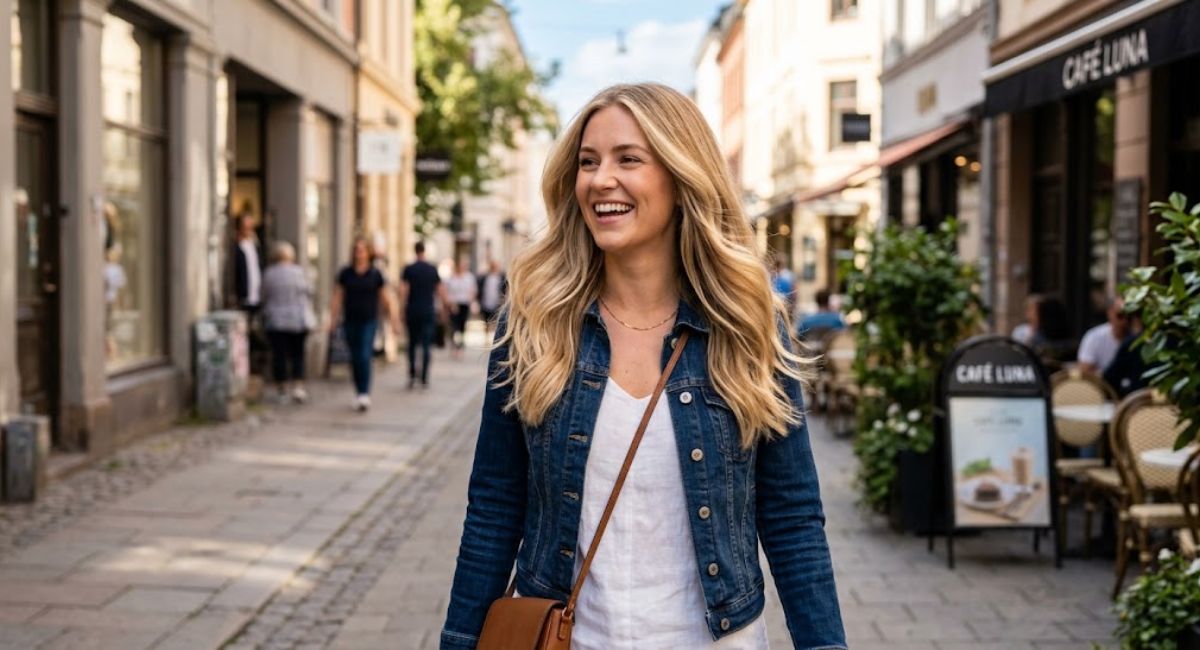
Why Blond Balayage Is So Popular Right Now
This is not just a trend that exploded on Instagram and faded away. Blond balayage has stayed relevant because it actually works for real life. Here is why so many people keep coming back to it:
- Low maintenance roots. Because the color starts a few inches from the scalp, you do not need a touch-up every 6 weeks. Most people go 3 to 4 months between appointments.
- Customizable results. You can go subtle with soft caramel tones or dramatic with platinum blond tips. The technique adjusts to what you want.
- Grows out naturally. There is no obvious regrowth line. As your hair grows, the balayage just looks more natural.
- Works with your natural texture. Wavy and curly hair especially shows off the dimension that blond balayage creates.
Types of Blond Balayage to Know Before You Book
Not all blond balayage looks the same. Knowing the different styles helps you communicate exactly what you want to your stylist.
1. Classic Blond Balayage
This is the most natural version. Soft, warm blond tones are painted through mid-lengths and ends while roots stay close to your natural shade. Great for brunettes who want a subtle transformation.
2. Platinum Blond Balayage
A bolder choice. The ends are lifted to a very light, almost white blond. This works best on people who already have lighter natural hair or are ready to commit to a longer lightening process.
3. Ash Blond Balayage
This version leans cool and smoky. Instead of warm golden tones, you get muted, beige-blond shades. It suits cooler skin undertones perfectly and looks incredibly modern.
4. Honey Blond Balayage
Warm golden tones that blend beautifully with medium to dark brown hair. This is one of the most requested blond balayage styles because it flatters a wide range of complexions.
5. Babylights with Balayage
Some colorists combine babylights (very fine, delicate highlights) with balayage to create ultra-realistic dimension. The result looks like natural hair that just happens to be perfectly lit.
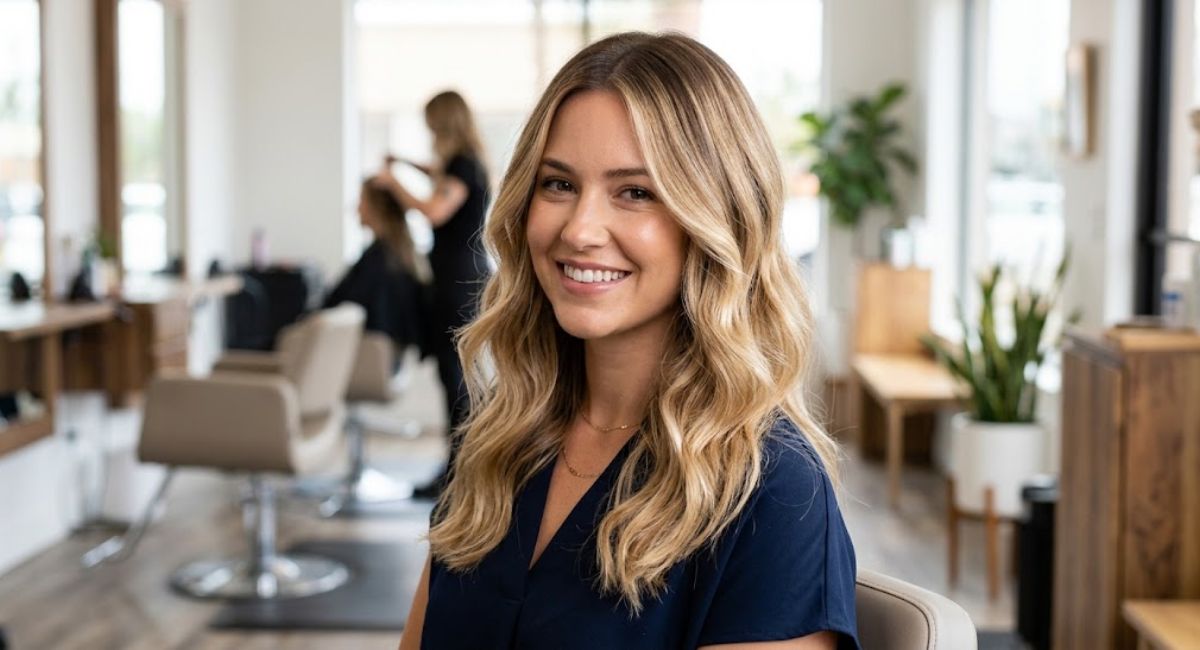
Who Is Blond Balayage Best For?
Honestly, almost anyone. But here is a more honest breakdown:
Best candidates for blond balayage:
- People with naturally brown or light brown hair who want brightness without going fully blond.
- Those who prefer low-maintenance color.
- Anyone with textured, wavy, or curly hair that needs visual definition.
- People transitioning from full bleach or box dye who want something more natural.
Things to consider before going blond balayage:
- If your hair is very dark or black, you will need multiple sessions to reach a true blond without damage.
- Already chemically processed hair (perms, relaxers, previous bleach) needs extra care and assessment before any lightening.
- Budget matters. A quality blond balayage at a skilled salon costs more than a basic color job, and it is worth every penny to do it right.
How the Blond Balayage Process Works (Step by Step)
Going into your appointment knowing the process helps you understand what is happening and what to expect.
Step 1: Consultation
This is the most important part. A good colorist will look at your natural hair color, texture, history of chemical treatments, and your goal photos. Be honest about anything you have done to your hair at home. This protects your hair from unexpected damage.
Step 2: Sectioning the Hair
Your colorist will section your hair to control where the color goes. They work in small subsections to ensure every sweep of lightener lands exactly where it should.
Step 3: Hand-Painting the Lightener
Using a brush, your colorist paints the lightening product onto the surface of each section in a sweeping motion. They usually start lighter at the ends and gradually apply less product toward the roots, which creates the soft fade effect.
Step 4: Processing Time
The lightener sits and processes. This can take anywhere from 20 to 45 minutes depending on your natural hair color and target shade. Your colorist will check the hair regularly to avoid over-processing.
Step 5: Toning
After lightening, a toner is applied to neutralize any unwanted brassiness and refine the final shade. This step is what gives blond balayage that clean, polished finish instead of a yellow or orange result.
Step 6: Gloss or Treatment
Many colorists finish with a glossing treatment to seal the cuticle and add shine. Your hair leaves the salon looking healthy and vibrant.
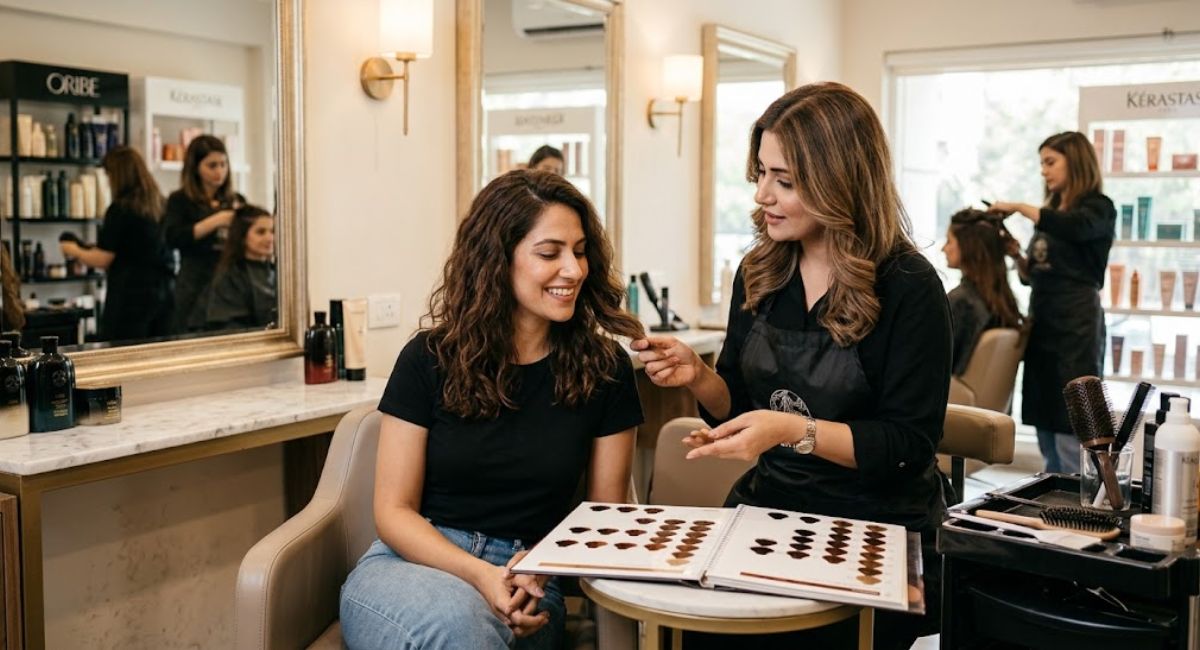
How to Choose the Right Salon and Colorist
This is where most people make mistakes. Blond balayage is a skill that takes years to master. Here is how to find someone worth trusting with your hair:
Look at their portfolio. Every colorist worth booking has an Instagram or online gallery. Look for blond balayage work specifically. Study how clean the blending is, whether the tones look natural or brassy, and whether results vary based on different starting hair colors.
Ask about their training. Balayage technique training matters. Many colorists take specialized courses from brands like Wella, Redken, or Schwarzkopf to refine their technique.
Read reviews that mention aftercare. Great colorists educate their clients. Reviews that mention advice on products, toning schedules, and hair health are a good sign.
Book a consultation first. A 15-minute consultation before committing tells you a lot. If they rush you out or dismiss your questions, find someone else.
Common Mistakes People Make with Blond Balayage
Learning from other people’s bad experiences saves you a lot of time, money, and damaged hair.
Choosing a colorist based on price alone. Blond balayage is intricate work. Extremely low prices usually mean inexperience or corners being cut on product quality.
Not showing enough reference photos. What “blond” means to you and what it means to your colorist might be completely different. Bring 3 to 5 photos that show the tone, placement, and level of contrast you want.
Skipping the toner. Some people try to save money by skipping toning. Without a toner, blond balayage can look brassy and unfinished. It is not optional if you want a polished result.
Washing hair too soon. Waiting at least 48 hours after your appointment to wash your hair helps the toner set properly and extends the life of your color.
Using the wrong shampoo. Regular shampoos strip color fast. After blond balayage, purple or blue toning shampoos help maintain the tone between appointments.
How to Maintain Blond Balayage at Home
Getting the color done is just the beginning. How you care for your hair at home determines how long your blond balayage stays looking fresh.
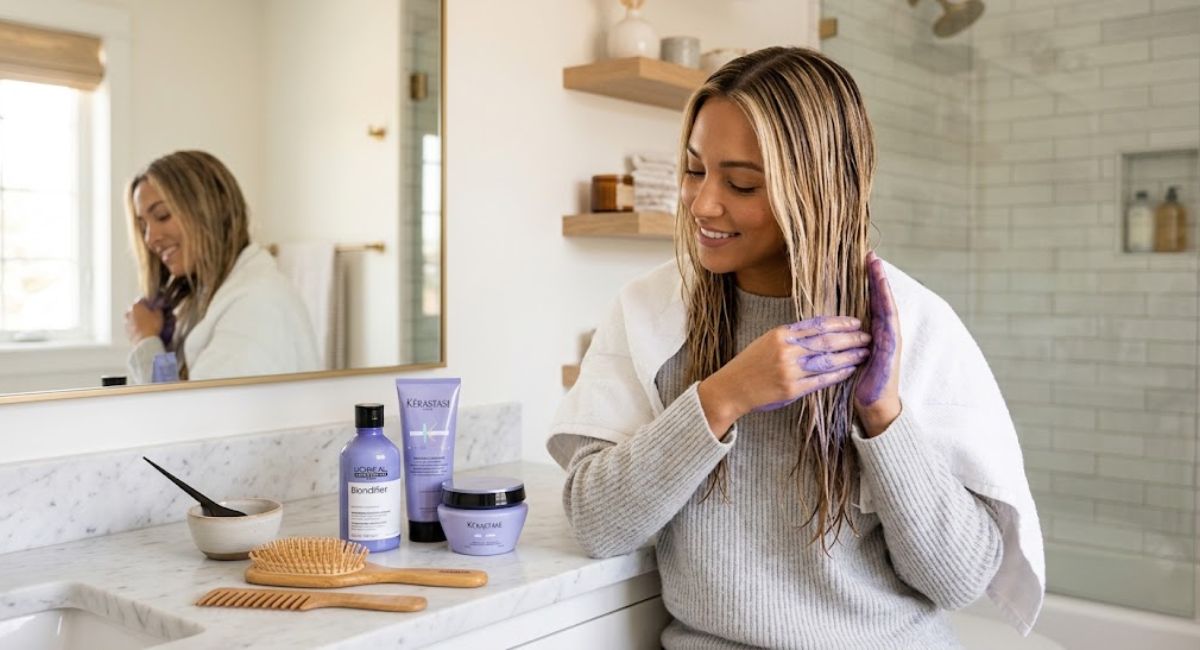
Use a Purple Shampoo Weekly
Purple shampoo neutralizes brassiness that develops over time. Use it once or twice a week, leave it on for 3 to 5 minutes, and follow with a moisturizing conditioner. Brands like Shimmer Lights, Matrix Total Results Brass Off, and Redken Color Extend Blondage are popular choices.
Deep Condition Regularly
Lightening hair removes moisture. A weekly deep conditioning mask restores softness and reduces breakage. Look for masks with ingredients like keratin, argan oil, or shea butter.
Minimize Heat Styling
Heat damages lightened hair faster than virgin hair. When you do use hot tools, always apply a heat protectant spray first. Try to air dry when you can.
Protect from Sun and Chlorine
UV rays fade color and dry out hair. A leave-in conditioner or hair sunscreen is a small habit that makes a big difference. Before swimming in a pool, wet your hair with clean water first to reduce chlorine absorption.
Schedule Toning Appointments
Between full balayage sessions, a toning gloss appointment keeps your blond looking fresh. These are shorter, less expensive, and make a noticeable difference in vibrancy.
What Does Blond Balayage Cost?
Pricing varies significantly based on location, salon reputation, hair length, and starting color. Here is a general range:
- Basic blond balayage (short to medium hair): $100 to $200
- Full blond balayage (long or thick hair): $200 to $400
- Balayage with toner and treatment: Add $50 to $100
- Touch-up or toning gloss only: $60 to $120
High-end salons in major cities charge more. But skilled balayage on hair you will wear every day is genuinely worth the investment. Cheap balayage that turns orange or damages your hair costs more to fix than doing it right the first time.
How Often Do You Need to Redo Blond Balayage?
One of the biggest advantages of blond balayage is the low-maintenance grow-out. Most people find that:
- A toning gloss or refresh is needed every 6 to 10 weeks to keep the blond bright.
- A full balayage session is needed every 3 to 6 months depending on how fast your hair grows and how much contrast you want.
If you keep up with toning and use the right products at home, your blond balayage can look great for months with minimal salon visits.
Blond Balayage vs. Highlights: Which Is Right for You?
Both techniques lighten hair, but the results are different enough that choosing matters.
| Blond Balayage | Traditional Highlights | |
| Application | Hand-painted freehand | Foil sections |
| Look | Natural, lived-in gradient | Uniform, more precise |
| Grow-out | Seamless and natural | Visible root line |
| Maintenance | Every 3 to 6 months | Every 6 to 8 weeks |
| Best for | Natural sun-kissed effect | Dramatic, even lightening |
If you want a low-maintenance, natural-looking transformation, blond balayage wins. If you want very even, all-over brightness or very precise placement, highlights might suit you better.
Real Tips from People Who Get Blond Balayage Regularly
A few things that experienced balayage clients wish they knew earlier:
“Go lighter than you think you want the first time. It is easier to add more later than to tone it down.”
“Find a colorist and stick with them. Every person’s hair behaves differently and a colorist who knows your hair history gets better results each time.”
“The toner makes or breaks the look. Do not let a salon skip it to save time.”
“Purple shampoo changed everything for me. I used to think my blond always went brassy quickly. It was just my shampoo routine.”
Frequently Asked Questions
1. How long does blond balayage last?
The color itself can last 3 to 6 months before needing a refresh. However, toning appointments every 6 to 10 weeks help maintain vibrancy between full sessions.
2. Can blond balayage work on dark hair?
Yes, but darker hair requires more lifting time and sometimes multiple sessions to reach a true blond without damage. Honey or caramel tones are often more achievable in one session for very dark hair.
3. Does blond balayage damage your hair?
Any lightening process involves some level of chemical processing. However, balayage is gentler than full bleach because it does not touch the roots and covers less of the hair overall. Using bond-building treatments like Olaplex during the process significantly reduces damage.
4. How do I avoid brassiness with blond balayage?
Use a purple or blue toning shampoo weekly, schedule regular toning gloss appointments, and protect your hair from sun exposure. These three steps dramatically reduce unwanted warm tones.
5. What is the difference between balayage and ombre?
Ombre has a more defined color transition, usually dark at the roots fading sharply to light at the ends. Balayage is more blended and scattered throughout the hair for a more natural, dimensional look.
6. Can I do blond balayage at home?
It is not recommended. Freehand lightener placement requires training and experience to avoid patchy, uneven results or hair damage. At-home balayage kits exist but rarely produce salon-quality results.
7. How do I find the right blond tone for my skin?
Warm skin undertones suit honey, golden, or caramel blond. Cool undertones pair better with ash, beige, or platinum blond. Your colorist can assess your undertone during a consultation.
8. Is blond balayage suitable for short hair?
Yes. Even on shorter hair, balayage adds dimension and movement. The technique adapts to any length, though the grow-out period may feel shorter since you trim more frequently.
9. What products should I use after blond balayage?
A color-safe sulfate-free shampoo, a purple toning shampoo for weekly use, a moisturizing conditioner, a deep conditioning mask, and a heat protectant are the core products for maintaining blond balayage.
10. How much does blond balayage cost on average?
Prices range from $100 to $400 or more depending on hair length, thickness, starting color, and salon location. Toning and treatment services add to the total but are worth including for the best result.