Curly red hair naturally is one of those looks that turns heads everywhere you go, and if you’re chasing this exact combination, you’re in good company. I spent almost two years experimenting with everything from henna to diet changes before I found a routine that actually worked without wrecking my curl pattern.
This guide walks through everything I wish someone had told me at the start. No fluff, no miracle promises, just what actually moves the needle when you want natural red curls that look healthy and last.
Can You Actually Get Red Curly Hair Naturally?
Let’s address the elephant in the room first. If you weren’t born with red hair, you cannot chemically change your natural pigment production. Genetics decide your base hair color through the MC1R gene, and no amount of biotin or rosemary oil rewrites your DNA.
What you can do is:
- Use natural dyes like henna to add red tones without harsh chemicals
- Enhance existing red or auburn undertones already in your hair
- Boost the vibrancy of red curls you already have through diet and hair care
- Encourage your curl pattern to show up fuller and more defined so the red pops more
So when people search for curly red hair naturally, they usually mean one of two things. Either they already have red hair and want it to look more vivid and healthy, or they want to dye their hair red using natural methods instead of ammonia based dyes. This article covers both angles.
Understanding Your Natural Red Undertones First
Before reaching for any dye, check what you’re working with. Hold a strand of your hair up to natural daylight, not indoor lighting, since bulbs distort color badly.
Many people with brown or dark blonde hair actually carry hidden red or copper undertones that only show up in sunlight. I didn’t realize this about my own hair until a colorist pointed it out during a trim. My “brown” hair had warm auburn glints the whole time.
If you already have some red pigment, you’re in a much easier spot. You just need to feed those tones rather than create new ones from scratch.
Natural Ways to Enhance Red Hair Color
1. Henna, The Gold Standard for Natural Red
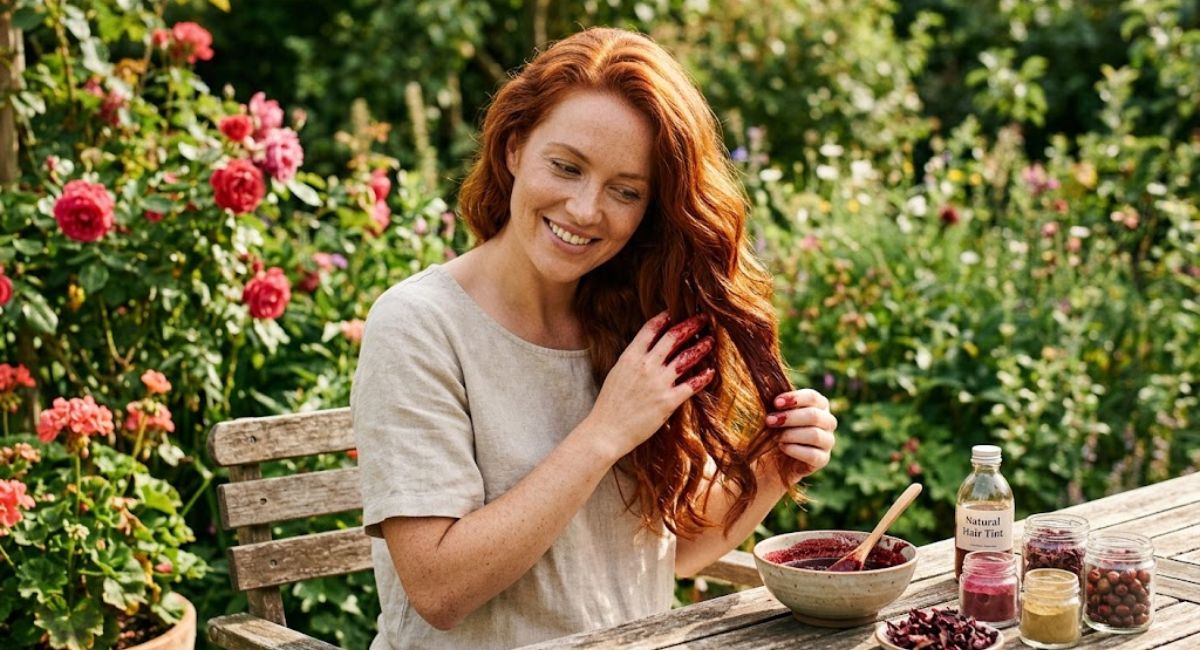
Henna remains the most reliable plant based way to achieve red curly hair naturally. It’s a dye made from the Lawsonia inermis plant, and it coats the hair shaft rather than penetrating it with chemicals.
A few things I learned the hard way with henna:
- Always do a strand test first, because henna results vary wildly based on your starting hair color
- Pure henna (body art quality, not the boxed kind with added metallic salts) gives the safest and most predictable results
- Mixing henna with a bit of lemon juice helps release the dye molecules faster
- Leave it on for at least four hours for a deep, lasting color, though some people go overnight wrapped in plastic
Henna tends to intensify curls too, since it adds a slight weight and coating effect that can make loose curls look more defined.
2. Beet and Carrot Juice Rinses
This one sounds like an old wives’ tale, but there’s real pigment science behind it. Beet juice contains betalains, which are natural red and purple pigments, and carrot juice carries carotenoids that lean orange red.
Mixing equal parts beet and carrot juice and applying it as a rinse after shampooing can add subtle warmth over several applications. It won’t transform blonde hair into fire engine red, but on hair that already has some red or light brown base, it adds a noticeable tint over two or three weeks of consistent use.
3. Hibiscus Powder
Hibiscus flowers, especially dried and ground into powder, are used across South Asia for hair care and mild coloring. Mixed into a paste with yogurt or aloe vera gel, hibiscus can deposit a soft reddish tint while also conditioning curly hair, which tends to run drier than straight hair.
4. Chamomile and Calendula for Warmth
If you want to go subtler, chamomile tea rinses combined with calendula extract can bring out golden red warmth in hair that already has some auburn in it. This is a gentler option for people who just want to brighten what’s already there rather than commit to a full henna application.
Caring for Curly Red Hair Naturally Once You Have It
Getting the color is half the job. Keeping curly red hair vibrant and healthy is where most people actually struggle, myself included during my first year.
Red Fades Faster Than Any Other Color
This is the part nobody warns you about enough. Red pigment molecules are physically larger than other color molecules, so they wash out of the hair cuticle faster, especially with sulfate shampoos.
Switch to a sulfate free shampoo immediately if you’re serious about keeping red curls looking fresh. I use one two to three times a week max and rely on conditioner or a co-wash in between, which curly hair usually needs anyway.
Cold Water Rinses Actually Help
Washing your hair with lukewarm to cool water instead of hot water keeps the hair cuticle closed, which slows color loss. Hot water opens the cuticle and lets pigment slip out faster, which is especially rough on natural dyes like henna that already sit closer to the surface.
UV Protection Matters More Than You’d Think
Sunlight breaks down red pigment quickly, turning vibrant copper tones brassy or dull within weeks. A leave in spray with UV filters, or simply wearing a hat during long outdoor days, protects both your color and your curl pattern from sun damage.
Deep Conditioning Is Non-Negotiable for Curls
Curly hair is naturally drier because the oil from your scalp has a harder time traveling down the twists and turns of a curl compared to straight hair. Add henna or other natural dyes into the mix, and dryness becomes a real issue if you skip deep conditioning.
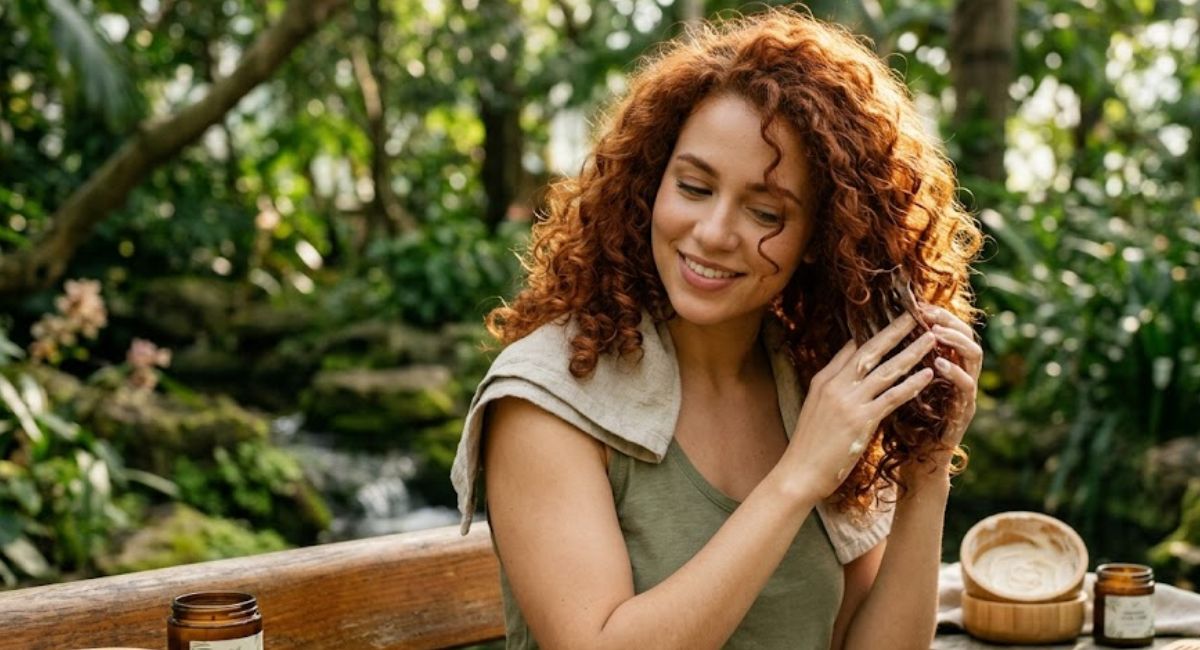
I do a deep conditioning mask once a week using ingredients like coconut oil, aloe vera, or a store bought curl specific mask. This keeps my curls springy instead of straw like, and it noticeably helps the red tones look shinier rather than flat.
Diet and Lifestyle Factors That Support Vibrant Red Hair
This part gets overlooked constantly, but what you eat genuinely affects how your hair color and texture present.
- Biotin and vitamin E support overall hair health and shine, which makes any color look richer
- Omega 3 fatty acids from foods like walnuts, flaxseed, or fish help reduce dryness in curly hair
- Copper rich foods like cashews, dark chocolate, and lentils are sometimes linked to enhancing warm tones in hair, since copper plays a role in melanin production
- Staying hydrated keeps the hair shaft from becoming brittle, which is a common issue for curly textures
None of this replaces topical hair care, but combined with the right products, it rounds out the picture.
Styling Tips to Make Your Curls Pop
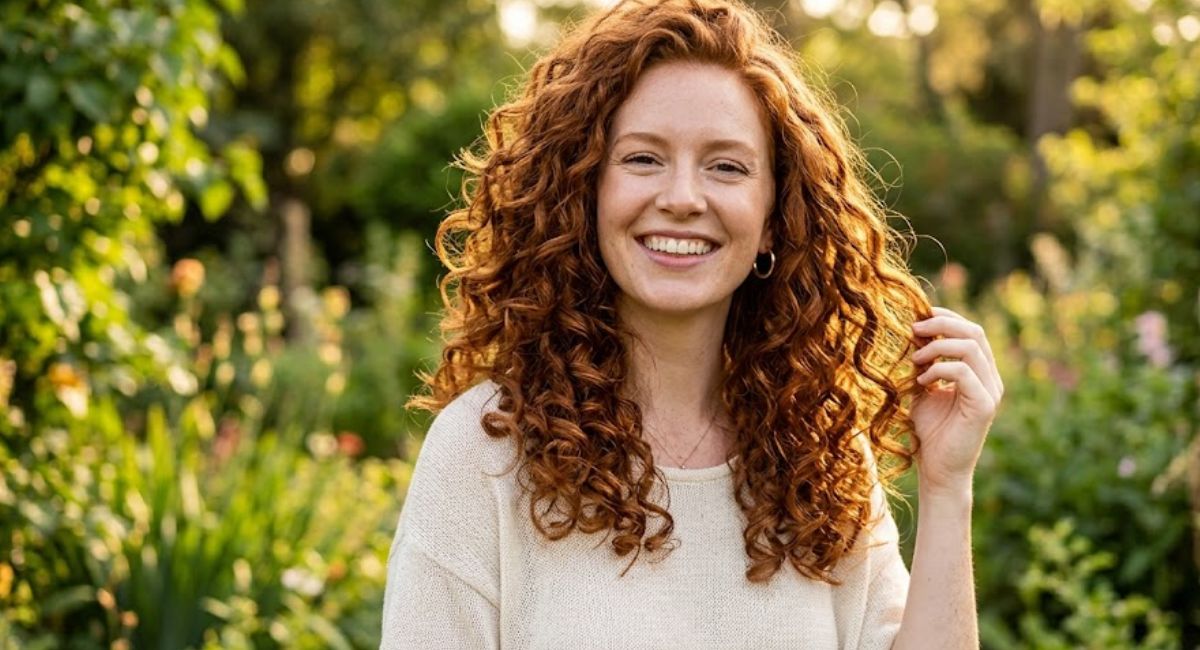
Since curly red hair naturally draws attention, you want your curl definition working in your favor, not against it.
- Apply products to soaking wet hair, not damp hair, since curls absorb product better when fully saturated
- Use the praying hands method to distribute curl cream evenly before scrunching upward
- Avoid brushing dry curls, which breaks the curl pattern and causes frizz. Detangle only with a wide tooth comb on wet, conditioned hair
- Diffuse on low heat if you blow dry, since high heat on curly hair strips moisture fast and dulls color
- Sleep on a silk or satin pillowcase to reduce frizz and pigment transfer overnight
Common Mistakes People Make Chasing Natural Red Curls
I made most of these myself, so consider this the shortcut version of my trial and error.
- Skipping the strand test and ending up with a color far more orange than intended
- Using regular shampoo right after a henna application, which strips color within days
- Over washing curly hair, thinking it needs daily cleansing like straight hair does
- Ignoring protein buildup from repeated henna use, which can eventually make curls feel stiff and less bouncy
- Expecting instant, dramatic results from mild natural rinses like beet juice when hair has very little existing red pigment
Is Natural Red Better Than Chemical Dye?
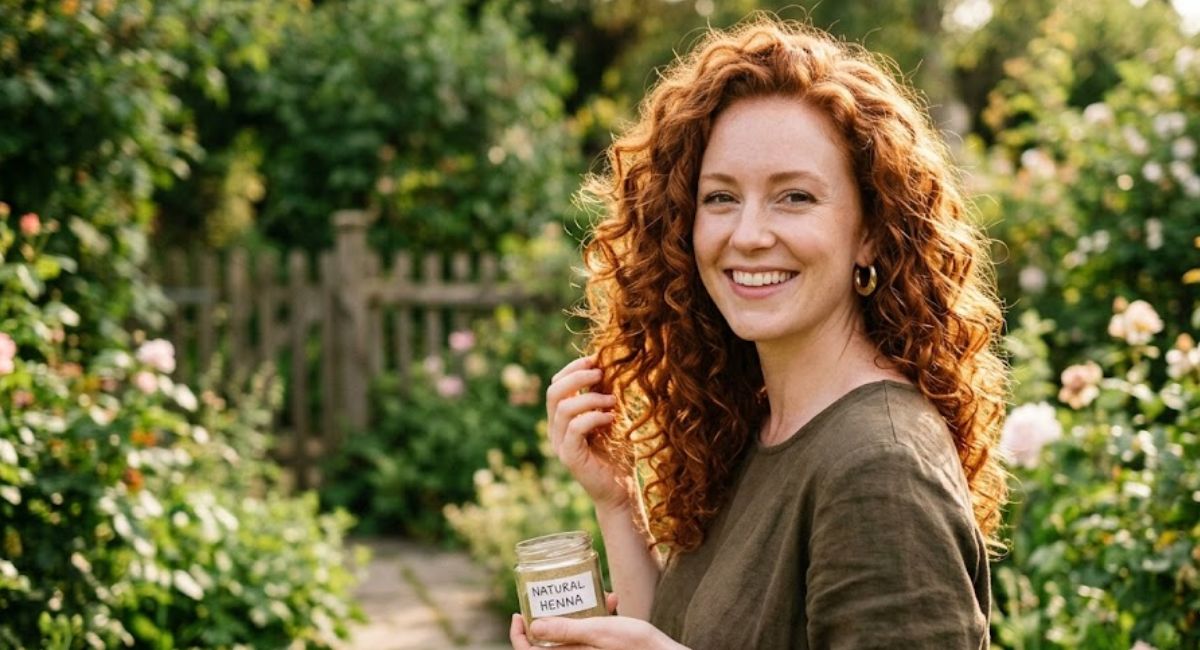
Honestly, it depends on your goals. Chemical dyes offer more consistent, vivid, and long lasting color, especially if you want a bold copper or auburn shade fast. Natural methods like henna take longer, require more upkeep, and results vary based on your starting hair color.
That said, natural options are gentler on curl pattern integrity over time, avoid harsh ammonia and peroxide, and many people find the trade off worth it for healthier feeling hair in the long run.
Final Thoughts
Curly red hair naturally is achievable whether you’re working with hair that already carries red undertones or you’re using plant based dyes to build color from the ground up. The real secret isn’t one single product, it’s consistency with color safe care, proper hydration, and protecting your curls from the things that fade red fastest, meaning sun, hot water, and sulfates.
Give it a few weeks of consistent care before judging results. Curly hair and natural color both take patience, but the payoff is a look that feels distinctly yours.
FAQs
1. Can I turn my hair naturally red without chemical dye? Yes, using henna, beet juice rinses, or hibiscus powder can add red tones naturally, though results depend on your starting hair color.
2. Does curly hair fade color faster than straight hair? Curly hair can lose color faster due to its drier, more porous structure, especially if not deep conditioned regularly.
3. How long does henna color last on curly hair? Henna can last several weeks to a few months since it coats the hair shaft rather than washing out like regular dye.
4. What shampoo is best for red curly hair? A sulfate free, color safe shampoo designed for curly hair helps preserve both color vibrancy and curl definition.
5. Can diet really affect hair color? Diet won’t change your natural pigment, but nutrients like biotin, omega 3s, and copper rich foods can support shine and overall hair vibrancy.
6. Is it safe to use henna on chemically treated curly hair? It’s generally safe, but always do a strand test first since results can be unpredictable on previously colored or treated hair.
7. How often should I deep condition curly red hair? Once a week is a solid starting point, though very dry or coily curls may benefit from twice weekly deep conditioning.
8. Will sun exposure fade my red curls? Yes, UV exposure breaks down red pigment quickly, so using UV protectant sprays or hats is recommended for outdoor days.