Curtain bangs copper hair is one of those combinations that looks effortless in photos but takes a bit of planning to actually pull off well. If you have been scrolling through salon inspiration boards wondering whether this pairing will suit you, you are not alone. It is one of the most requested color and cut combos right now, and for good reason. The soft, face framing swoop of curtain bangs paired with the warmth of copper tones creates a look that feels both polished and low effort at the same time.
I have watched this trend move from a niche request to something almost every stylist gets asked about weekly. What makes it stick around, unlike a lot of hair trends that fade after a season, is that it genuinely works on most face shapes and most skin tones, as long as you pick the right shade of copper and the right length of bang.
This guide walks through everything you actually need to know before booking your appointment, including which copper shades pair best with curtain bangs, how much the look typically costs, how to maintain the color at home, common mistakes people make, and how to grow the style out without it looking awkward.
What Are Curtain Bangs Copper Hair, Exactly
Curtain bangs are a style of fringe that is parted down the middle and swept to either side, framing the face like, well, curtains. Unlike blunt bangs that sit heavy across the forehead, curtain bangs are longer, softer, and blend into the rest of the hair rather than standing apart from it.
They became popular again a few years back thanks to celebrities wearing them on the red carpet, but the style itself has roots going back decades. The reason they have stayed relevant is simple. They soften the face, they are easier to grow out than full bangs, and they work with almost every hair texture, from pin straight to naturally wavy.

Why Copper Hair Works So Well With This Cut
Copper hair color sits in that warm middle ground between red and orange, often with hints of gold running through it. When you add curtain bangs into the mix, something interesting happens. The pieces framing your face catch light differently than the rest of your hair, which makes the copper tone look more dimensional instead of flat.
This is something a lot of people do not think about until they see it in person. Flat, single tone copper hair can sometimes look a bit blocky. But once you add movement through curtain bangs, the color reads as richer and more natural, almost like it grew that way.
Copper also tends to flatter warm and neutral skin tones especially well, though cooler skin tones can absolutely wear it too with the right undertone adjustment, which we will get into below.
Different Shades of Copper Worth Considering
Copper is not a single color. It is a whole family of shades, and knowing the names before your appointment helps you communicate more clearly with your stylist.
Light copper leans closer to strawberry blonde, with a soft warmth that suits fair skin and finer hair textures. It fades the most gracefully out of all the copper shades, which makes it a good pick for beginners.
Classic copper red sits right in the middle, vibrant but not overly bright. This is usually what people picture when they hear the word copper, and it works on a wide range of skin tones.
Deep copper or copper auburn leans darker, with more brown mixed into the base. It tends to look rich against medium and deep skin tones and requires slightly less upkeep than lighter versions since the contrast with regrowth is less noticeable.
Rose copper blends pink and copper together for a softer, almost dusty finish. It photographs beautifully but fades faster than other shades because the pink pigment drops out first.
Golden copper leans into amber and honey tones rather than pure red. This is often the easiest shade to maintain because it grows out into a natural looking dirty blonde rather than an obvious two tone effect.
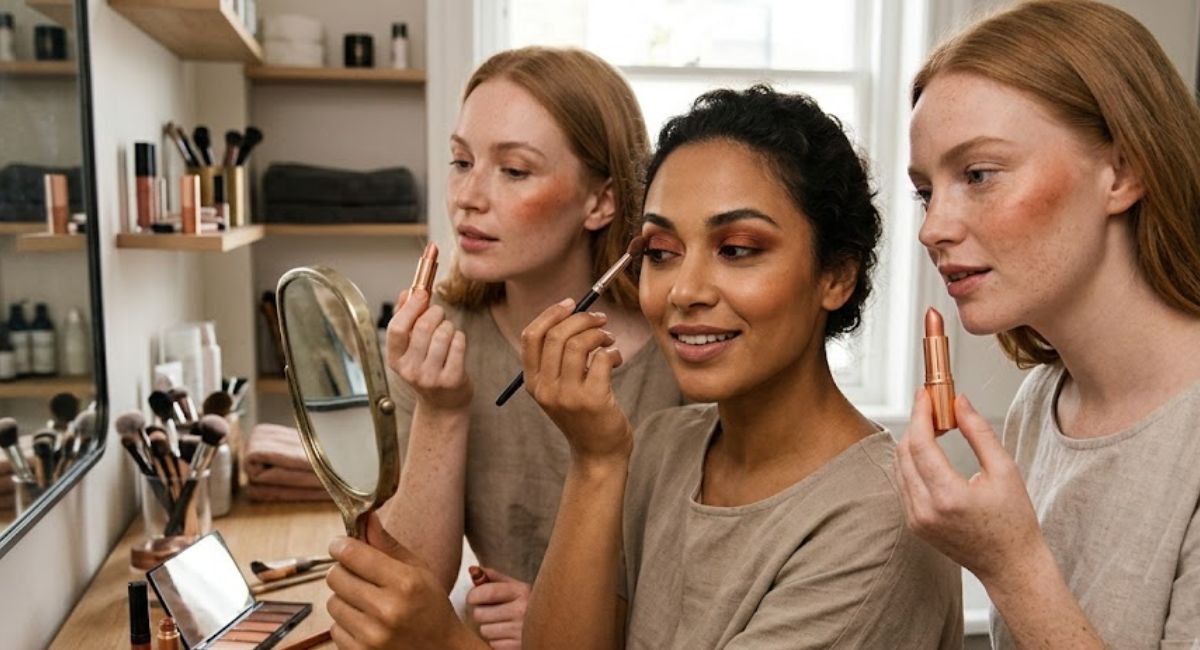
Choosing the Right Shade of Copper for Your Skin Tone
Not all copper is created equal, and this is where a lot of people go wrong when they bring in a photo and expect the exact same result.
For fair skin with pink or cool undertones, a softer, muted copper with less orange and more strawberry blonde influence usually looks best. Ask your colorist about a rose copper or a copper blonde base.
For fair skin with warm or golden undertones, you can go slightly bolder here. A golden copper or classic copper red will look sun kissed rather than harsh.
For medium skin tones, this is honestly the easiest skin tone to work with for copper. Almost every shade of copper, from light copper to deep auburn copper, tends to look flattering here.
For deep skin tones, rich, deep copper with red and mahogany undertones looks incredible against deeper skin. Avoid anything too pale or washed out, as it can look ashy rather than warm.
A good colorist will usually do a strand test or at least hold swatches up against your face before committing to a full color. If your salon does not offer this, it is worth asking for.
How to Talk to Your Stylist About This Look
I always tell people to bring more than one reference photo. A single photo can be misleading because lighting, camera filters, and hair texture all change how a color photographs. Bring two or three images that show the copper tone in different lighting, and be clear about your natural hair color and whether you have been colored before.
Also mention your hair’s current condition. Copper, especially warmer copper shades, tends to fade faster than cooler tones like ash brown or plain blonde. If your hair has been through a lot of bleach or heat styling already, your stylist may recommend a gentler version of the shade first.
It also helps to mention your daily routine. If you wash your hair every day, swim often, or spend a lot of time outdoors, say so. Your stylist can adjust the formula or recommend a slightly deeper base to account for faster fading.
How Much Does This Look Typically Cost
Pricing varies a lot depending on where you live and your current hair color, but it helps to have a rough idea before booking. A curtain bang trim on its own is usually inexpensive, often bundled into a regular haircut price. Copper color, on the other hand, can range from a modest cost for a simple gloss or toner to a much higher price if you are lifting dark hair significantly to achieve a bright copper shade.
If your hair is already light or previously colored, a copper refresh tends to be quicker and cheaper than starting from a dark natural base. Going from black or deep brown to a vibrant copper often requires multiple sessions of lightening, which adds both time and cost. It is worth asking your salon for a consultation and quote before committing, especially if this is your first time going copper.
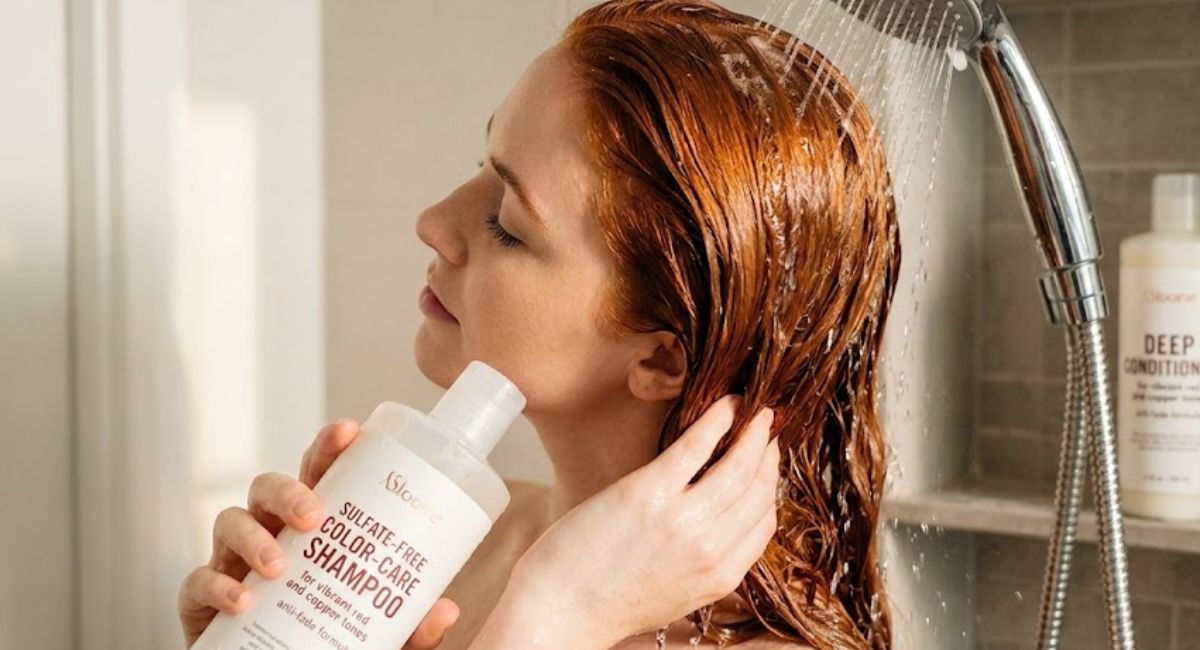
Maintaining Copper Hair So It Does Not Fade Too Fast
This is the part most people underestimate. Copper is a beautiful color, but it is also one of the quickest to fade because the pigment molecules used to create warm tones are larger and sit closer to the hair’s surface.
A few things that genuinely help. Wash with cool or lukewarm water instead of hot water, since heat opens the hair cuticle and lets color rinse out faster. Use a color safe, sulfate free shampoo, since sulfates strip color more aggressively than gentler cleansers. Add a color depositing conditioner or copper toning mask every week or two to refresh the tone between salon visits. Limit how often you wash your hair, since every wash pulls out a small amount of pigment. Use a UV protectant spray if you spend a lot of time outdoors, since sun exposure fades warm tones quickly.
I have seen people spend a lot of money on a gorgeous copper color only to watch it fade to a dull strawberry blonde within three weeks, simply because they skipped color safe products. It is a small investment that makes a real difference.
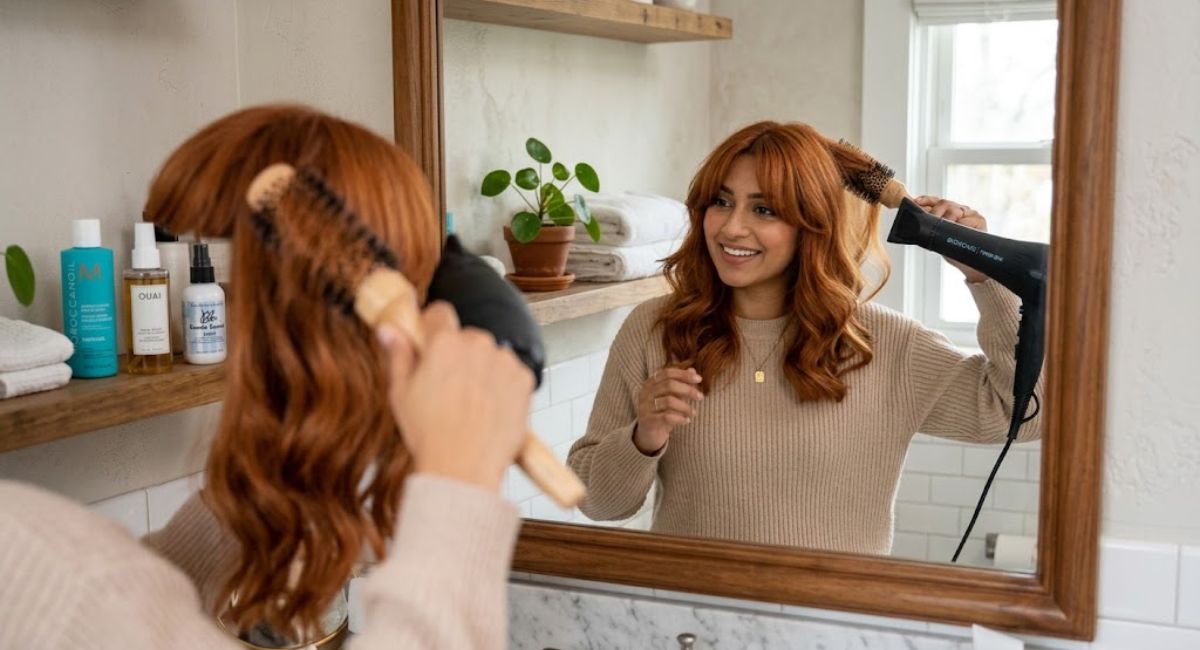
A Simple At Home Routine Worth Following
Building a small routine makes a noticeable difference in how long your copper stays vibrant. Start by switching your everyday shampoo and conditioner to a sulfate free, color safe formula, ideally one made specifically for red or copper tones. Once or twice a week, swap in a color depositing mask instead of your regular conditioner. Once a month, consider a gloss touch up at the salon or a semi permanent color refresh at home if you are comfortable applying it yourself. Finally, try to air dry your hair when possible, since excessive heat styling speeds up fading just as much as sun exposure and hot water do.
Products Worth Looking Into
While specific product recommendations depend on your hair type and the exact shade you have chosen, there are a few categories worth researching. Color depositing conditioners made for red or copper tones help maintain vibrancy between washes. Purple or blue toning shampoos are not the right choice here, since those are designed for blonde hair and can actually dull warm copper tones. Instead, look for shampoos labeled specifically for red, copper, or auburn hair. A good leave in heat protectant is also worth having on hand if you regularly use hot tools on your curtain bangs.
Keeping Curtain Bangs Looking Fresh Between Cuts
Curtain bangs need a trim roughly every four to six weeks to keep their shape, though this varies depending on how fast your hair grows. Between cuts, a round brush and a blow dryer on a low heat setting will keep them swooping correctly instead of falling flat against your forehead.
If you have naturally curly or coily hair, curtain bangs can still work beautifully, but you may need a diffuser attachment and a lightweight curl cream rather than trying to force them straight every day.
A simple trick a lot of stylists suggest is drying your bangs first with the round brush before doing the rest of your hair. This gives them shape and volume while your hair is still slightly damp and more workable.
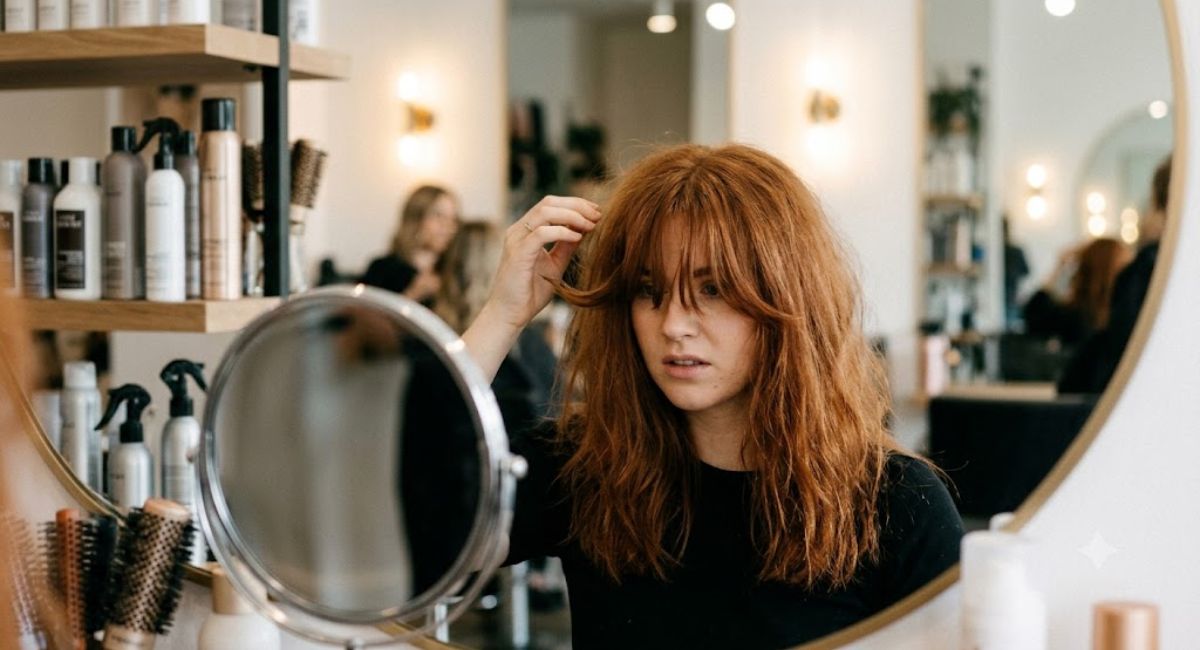
Common Mistakes People Make With This Combo
Going too warm without a plan for maintenance is one of the most common issues. Copper is a commitment. If you are not ready to touch up your color every four to six weeks or use toning products at home, consider a slightly muted version instead of a bold, saturated copper.
Cutting bangs too short is another frequent mistake. Curtain bangs are meant to be long enough to sweep to the sides. If they are cut too short, they end up looking more like a standard fringe and lose the soft framing effect that makes the style work.
Skipping the undertone conversation causes a lot of disappointment. This is the single biggest reason people end up unhappy with a copper color. Skin undertone matters more than personal preference for shade name. A rose gold copper on someone with cool undertones can look completely different than the same shade on someone with warm undertones.
Not considering hair porosity is often overlooked. Hair that is already damaged or highly porous absorbs and releases color differently. If your hair has been through a lot of chemical processing, your colorist may need to pre-treat it before applying copper tones for an even result.
Skipping the strand test is another mistake worth avoiding. Even if you trust your colorist completely, a quick strand test takes very little time and can save you from a shade that reacts unexpectedly with your hair’s history, especially if you have colored it yourself in the past.
Growing Out Curtain Bangs Gracefully
At some point, you might want to grow your bangs out, whether that is to try a new style or just take a break from regular trims. The awkward in between stage is the hardest part, but there are ways to make it easier.
Clips, headbands, and simple half up styles can hide the awkward length while your bangs grow past your cheekbones. A lot of people also ask their stylist to blend the bangs into layers gradually rather than growing them out completely on their own, which softens the transition significantly.
If you decide to go this route, be patient during the middle stretch. Most people find the six to ten week mark the trickiest, since the bangs are too long to sweep neatly but not quite long enough to tuck behind the ears comfortably.
Who This Look Suits Best
While curtain bangs and copper hair work on a wide range of people, they tend to look especially striking on round faces, since the swooping shape adds subtle length and definition. Square faces also benefit, since the softness balances stronger jawlines. Heart shaped faces do well too, since the bangs draw attention away from a narrower chin. Oval faces suit almost any bang style, so this combination works there as well.
If you have a long face shape, curtain bangs with a bit more volume at the crown can help balance proportions rather than adding to the length.

Seasonal Considerations for Copper Hair
Copper tends to shift slightly depending on the season, and it is worth knowing this ahead of time so you are not caught off guard. In summer, sun exposure can lighten and brighten copper tones naturally, sometimes giving a sun kissed effect, but it can also cause faster fading if you are not using UV protection. In winter, indoor heating and hot showers can dry out colored hair, so a slightly heavier conditioning routine helps keep both the color and the hair’s texture in good shape.
Some people even choose to go a shade deeper in colder months and lighter in warmer months, treating copper almost like a seasonal wardrobe choice rather than a fixed, unchanging color.
Final Thoughts Before You Book Your Appointment
Curtain bangs copper hair is a combination that rewards a little preparation. Choosing the right copper shade for your undertone, committing to a realistic maintenance routine, and communicating clearly with your stylist will make the difference between a look you love and one you regret within a month.
If you are on the fence, ask your stylist about a temporary gloss or toner in a copper shade first. It is a low commitment way to see how the color reads on your skin before going for a permanent change, and it gives you time to decide whether curtain bangs are the right cut to pair with it.
FAQs
1. Does copper hair suit every skin tone? Copper can be adjusted to suit almost any skin tone by changing the undertone of the shade, from muted rose copper for cool skin to deep mahogany copper for richer skin tones.
2. How often do curtain bangs need to be trimmed? Roughly every four to six weeks to maintain their shape, though this depends on individual hair growth speed.
3. Why does copper hair fade so fast? Warm pigments used in copper dye sit closer to the hair’s surface and are larger in molecule size, which makes them rinse out faster than cooler tones.
4. Can I get curtain bangs with curly hair? Yes, curtain bangs work with curly and coily hair, though a diffuser and curl cream are usually needed instead of straightening tools.
5. What is the best way to maintain copper hair color at home? Cool water washes, sulfate free color safe shampoo, and a weekly toning conditioner help maintain copper tones between salon visits.
6. Will curtain bangs suit my face shape? Curtain bangs generally suit round, square, heart, and oval face shapes well, and can be adjusted with extra volume for longer face shapes.
7. Is copper hair high maintenance? Yes, compared to cooler tones like ash brown, copper requires more frequent touch ups and color safe products to maintain its vibrancy.
8. How much does copper hair with curtain bangs usually cost? It varies widely, but a gloss or toner refresh is far cheaper than lifting dark hair to a bright copper shade, which often requires multiple sessions.
9. Should I use purple shampoo on copper hair? No, purple and blue toning shampoos are made for blonde hair and can dull copper tones. Look for shampoos formulated for red or copper hair instead.
10. Can I try copper hair without committing permanently? Yes, a semi permanent gloss or toner is a good way to test the shade before committing to a full permanent color.