Long blonde hair with layers and bangs might be the single most requested look at salons right now, and honestly, it’s not hard to see why. It’s the kind of hairstyle that photographs well, moves well, and somehow manages to look effortless even when there’s real technique behind every cut.
If you’ve been scrolling through hair inspiration and keep landing on the same combination, layers for movement, bangs for softness, blonde for brightness, you’re not imagining a trend. You’re looking at one of the most flattering and versatile hair combinations out there.
This guide walks through everything you actually need to know before booking that appointment. Not just the pretty pictures, but the practical stuff. Face shapes, hair textures, maintenance, styling tools, common regrets, and how to talk to your stylist so you leave the salon happy instead of googling “how to fix a haircut” the next morning.
Why This Combination Works So Well
There’s a reason long blonde hair with layers and bangs keeps showing up on celebrities, influencers, and regular people alike. Each element does a specific job.
Layers remove bulk and add shape. Without them, long hair can sit flat and heavy, especially past the shoulders. Layers break that up and give the hair a sense of motion.
Bangs frame the face. They draw attention upward, soften harsh angles, and can genuinely change how your features read, sometimes more than a haircut on its own ever could.
Blonde color reflects light in a way darker shades simply don’t. Combined with layers, it creates dimension. Combined with bangs, it makes the face area look brighter and more awake.
Put those three together and you get a style that feels intentional rather than accidental.
Finding the Right Layers for Your Hair Type
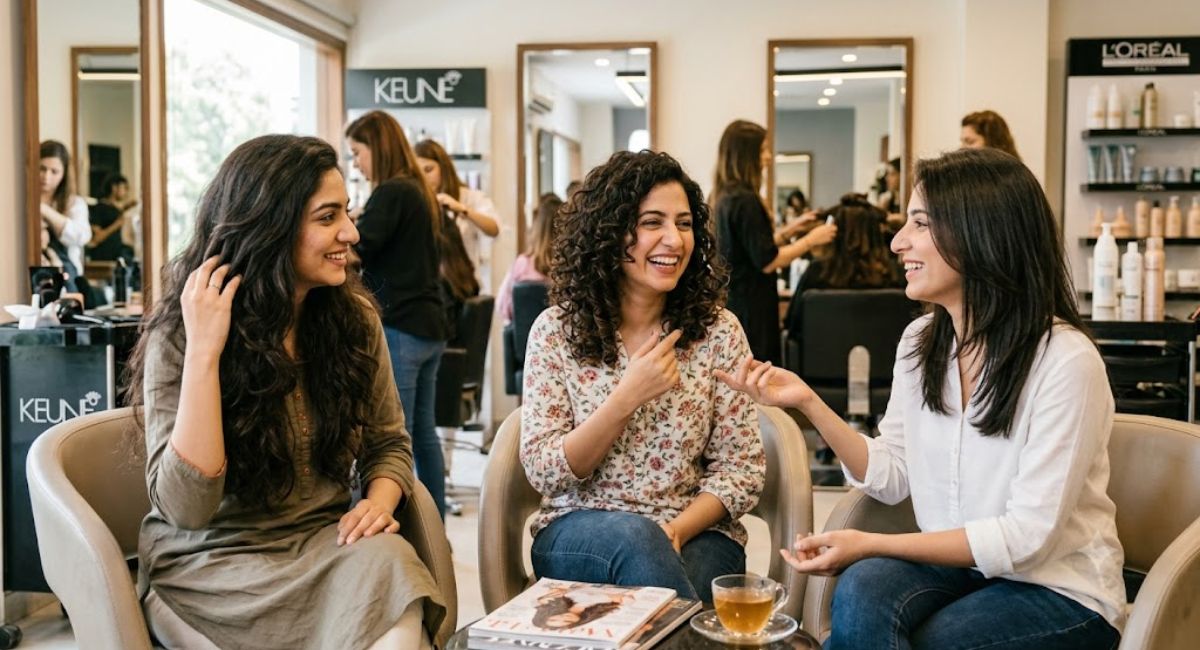
Not all layers are created equal, and this is where a lot of people run into trouble. I’ve seen friends walk in wanting “loose, beachy layers” and walk out with something closer to a shag because they didn’t specify length or density.
Fine hair does best with fewer, longer layers. Too many short layers on fine strands can make hair look thin and stringy instead of voluminous.
Thick hair can handle more aggressive layering, including shorter face framing pieces near the front. This actually helps reduce bulk and weight.
Wavy or curly hair benefits from layers that respect the natural curl pattern. Ask for layers cut dry if your stylist offers it, since curls behave differently wet versus dry.
Straight hair tends to show layers more obviously, so if you want subtlety, ask for longer, more blended layers rather than choppy ones.
A good stylist will ask about your hair type before touching the scissors. If they don’t, mention it yourself.
Choosing Bangs That Actually Suit You
Bangs are the part of this combination people worry about most, and reasonably so. A bad haircut grows out. Bad bangs feel like they last forever, even though they don’t.
Here’s a rough breakdown of bang styles that pair beautifully with long blonde hair with layers and bangs as a full look:
- Curtain bangs: Parted in the middle, blending into the layers on each side. Low maintenance and flattering on almost every face shape.
- Wispy bangs: Thin, feathery pieces that skim the forehead. Great for softening a longer face.
- Full or blunt bangs: Bold and structured, best suited to oval or round faces that can handle the visual weight.
- Side swept bangs: Longer bangs pushed to one side, easy to grow out and easy to style.
Curtain bangs have become the default recommendation for a reason. They require the least daily styling and grow out gracefully instead of turning into an awkward in between stage.
Matching the Style to Your Face Shape
This part matters more than people expect. The same haircut can look completely different depending on face shape.
Oval faces can wear almost any version of this look. Full bangs, wispy bangs, heavy layers, light layers, it all tends to work.
Round faces benefit from longer, side swept bangs and layers that start below the chin to add length rather than width.
Square faces look softer with wispy or curtain bangs, since anything too blunt can emphasize a strong jawline.
Heart shaped faces do well with fuller bangs that balance a narrower chin, paired with layers that add volume near the jaw.
Long or rectangular faces benefit from full bangs cut straight across, which visually shorten the face.
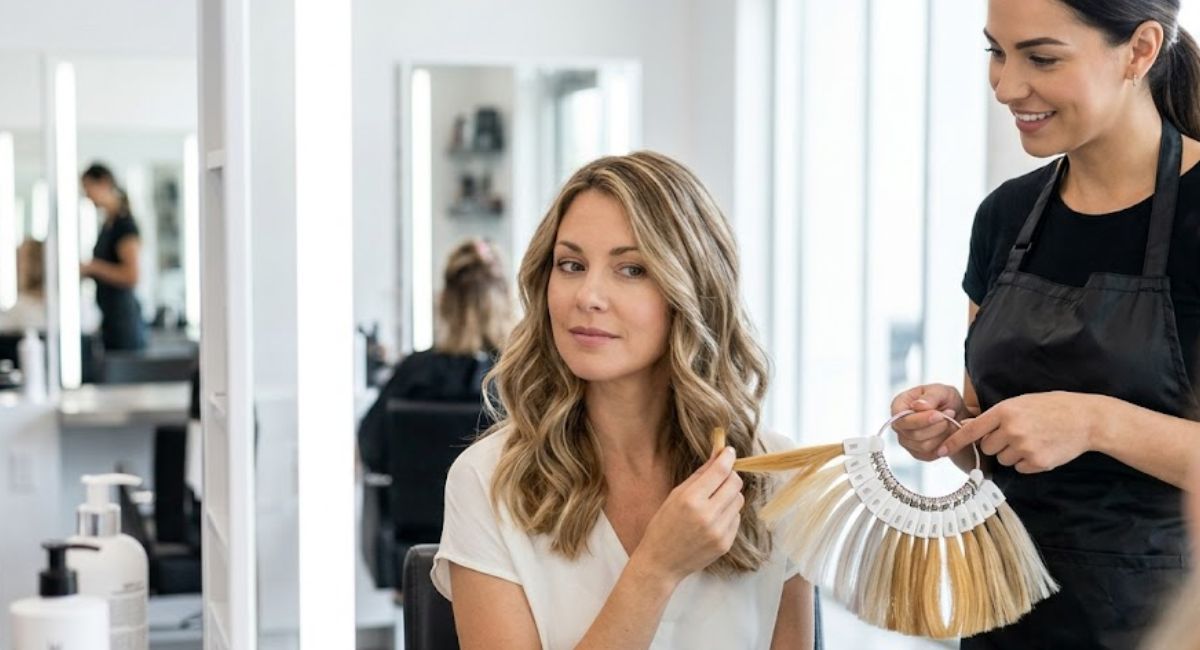
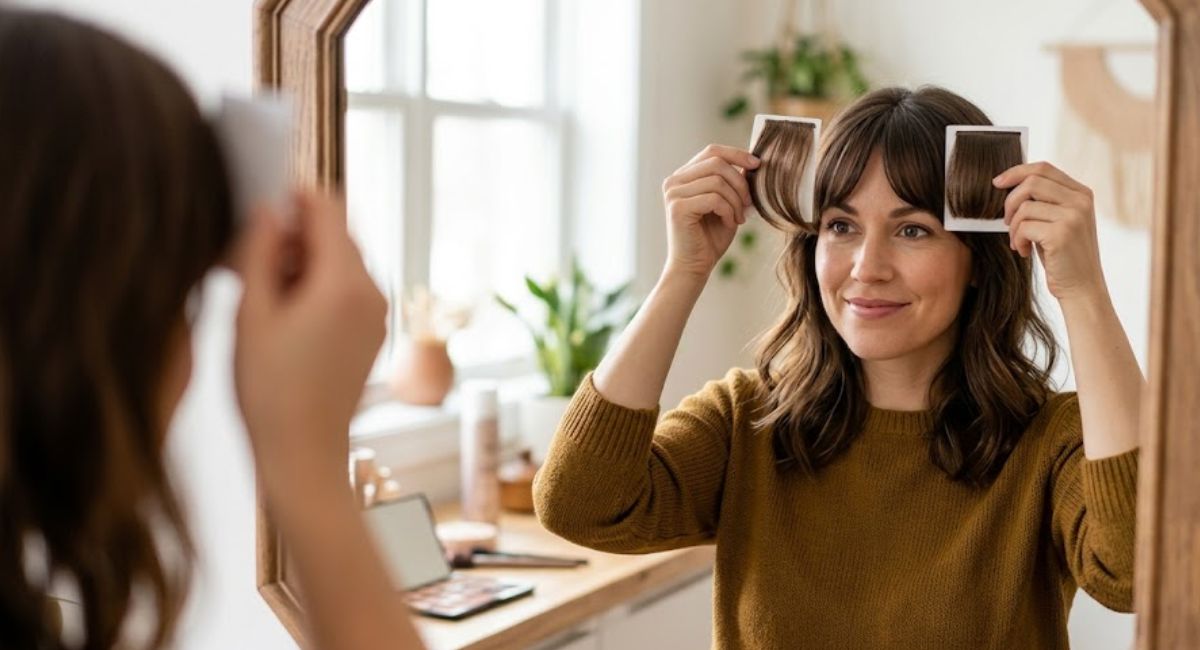
If you’re unsure, bring photos to your consultation and ask your stylist directly which bang style complements your bone structure. This is literally their job, and most are happy to talk through it.
Choosing the Right Blonde Shade
Long blonde hair with layers and bangs looks different depending on the specific shade of blonde you choose, and this decision should factor in your skin undertone.
Cool undertones (pink or blue undertones in the skin) tend to suit ash blonde, platinum, or icy tones.
Warm undertones (golden or peachy undertones) look best with honey blonde, caramel, or golden blonde.
Neutral undertones have the most flexibility and can experiment with almost any blonde family.
A money piece, meaning a bold highlighted section framing the face, has become especially popular with this haircut because it draws even more attention to the bangs and face framing layers. Balayage is another strong option since it grows out softly and doesn’t leave harsh regrowth lines the way traditional foil highlights sometimes can.
Styling Long Blonde Layered Hair With Bangs at Home
Getting the salon look to survive your morning routine takes a bit of technique, but nothing overly complicated.
For volume and movement: Use a round brush while blow drying, focusing on the roots and bangs. A volumizing mousse applied to damp hair before drying makes a noticeable difference, especially on fine hair.
For soft waves: A curling wand between 1 and 1.25 inches creates loose waves that show off the layers without looking overly done. Curl away from the face for a more natural finish.
For sleek styling: A flat iron with a heat protectant spray keeps bangs smooth and prevents flyaways, particularly important with blonde hair since color treated strands are more prone to dryness and frizz.
For lived in texture: A dry texturizing spray applied to mid lengths and ends gives that effortless, second day hair look that so many people are actually trying to achieve on day one.
Whatever routine you land on, always use a heat protectant. Blonde hair, especially bleached or lightened blonde, is more porous and more vulnerable to heat damage than darker shades.
Maintaining Color and Health
Long blonde hair with layers and bangs only looks good if the hair underneath is actually healthy. Blonde, particularly lighter or platinum shades, requires more upkeep than most other colors.
A few habits worth building into your routine:
- Use a purple or blue toning shampoo once or twice a week to prevent brassiness
- Deep condition weekly, since lightened hair loses moisture faster
- Get regular trims every 6 to 8 weeks to keep layers sharp and bangs from growing into your eyes
- Use a leave in treatment or hair oil on the ends to combat dryness
- Consider a bond building treatment like a keratin or protein mask if your hair has been lightened multiple times
Bangs specifically need more frequent trims than the rest of the hair, sometimes every 3 to 4 weeks depending on how fast your hair grows and how precise you want them to stay.
Common Mistakes to Avoid
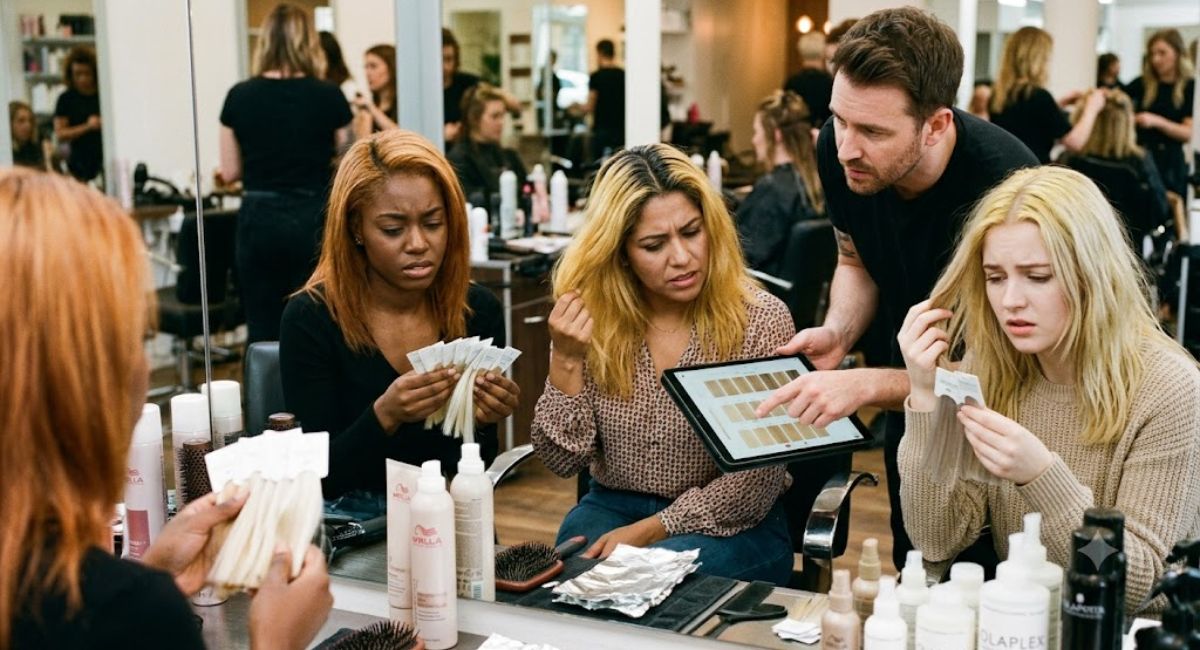
After talking to stylists and reading through countless client stories, a few recurring mistakes show up again and again with this particular haircut.
Going too short with the layers. Ask to see length markers or reference photos so you and your stylist are picturing the same thing.
Choosing bangs without considering forehead size or hairline shape. A cowlick at the hairline can make certain bang styles harder to maintain than others.
Skipping the toning routine. Blonde hair pulls brassy or yellow faster than people expect, especially in hard water or with frequent sun exposure.
Overdoing heat styling without protection. This is one of the fastest ways to turn healthy layers into damaged, straw like ends.
Not communicating clearly during the consultation. Bring reference photos, be specific about length, and don’t be afraid to ask questions before the scissors come out.
Is This Style Right for You?
Long blonde hair with layers and bangs suits a wide range of ages, face shapes, and lifestyles, which is part of why it remains so popular. It works for straight hair, wavy hair, and curly hair with slight adjustments to the cutting technique. It works for low maintenance routines and for people who love experimenting with styling tools.
The real question isn’t whether the style suits you, since some version of it likely will. The real question is which specific layer length, bang style, and blonde shade fits your hair type, face shape, and daily routine. That’s a conversation worth having with your stylist before you sit down in the chair, not after.
Done right, this haircut grows out gracefully, styles quickly, and gives you that rare combination of low effort and high impact that most people are chasing in the first place.
FAQs
1. What face shapes suit long blonde hair with layers and bangs best? Oval faces suit nearly every version of this style, while round, square, heart, and long face shapes benefit from specific bang and layer adjustments outlined above.
2. How often should I trim bangs on long layered hair? Bangs typically need trimming every 3 to 4 weeks, while the rest of the layers can go 6 to 8 weeks between cuts.
3. Does this hairstyle work on curly or wavy hair? Yes, though layers should ideally be cut dry to account for how the curl pattern falls naturally.
4. What blonde shade works best with fair skin? Cool undertones generally suit ash or platinum blonde, while warm undertones lean better toward honey or golden blonde.
5. Will layers make my thin hair look thinner? Too many short layers can, but longer, well blended layers actually add the appearance of volume and movement on fine hair.
6. Are curtain bangs low maintenance? Yes, curtain bangs are one of the easiest bang styles to maintain and grow out compared to full or blunt bangs.
7. How do I prevent blonde hair from turning brassy? A purple or blue toning shampoo used once or twice weekly helps neutralize warm, brassy tones between salon visits.
8. What styling tools do I need for this look? A round brush, a curling wand between 1 and 1.25 inches, a flat iron, and a good heat protectant cover most styling needs.
9. Can I get this haircut if I have a cowlick near my hairline? Yes, but mention it during your consultation since it may affect which bang style will lay flattest.
10. Is balayage or foil highlights better for this haircut? Balayage tends to grow out more softly and pairs well with layered cuts, while foil highlights offer more precise, uniform color.