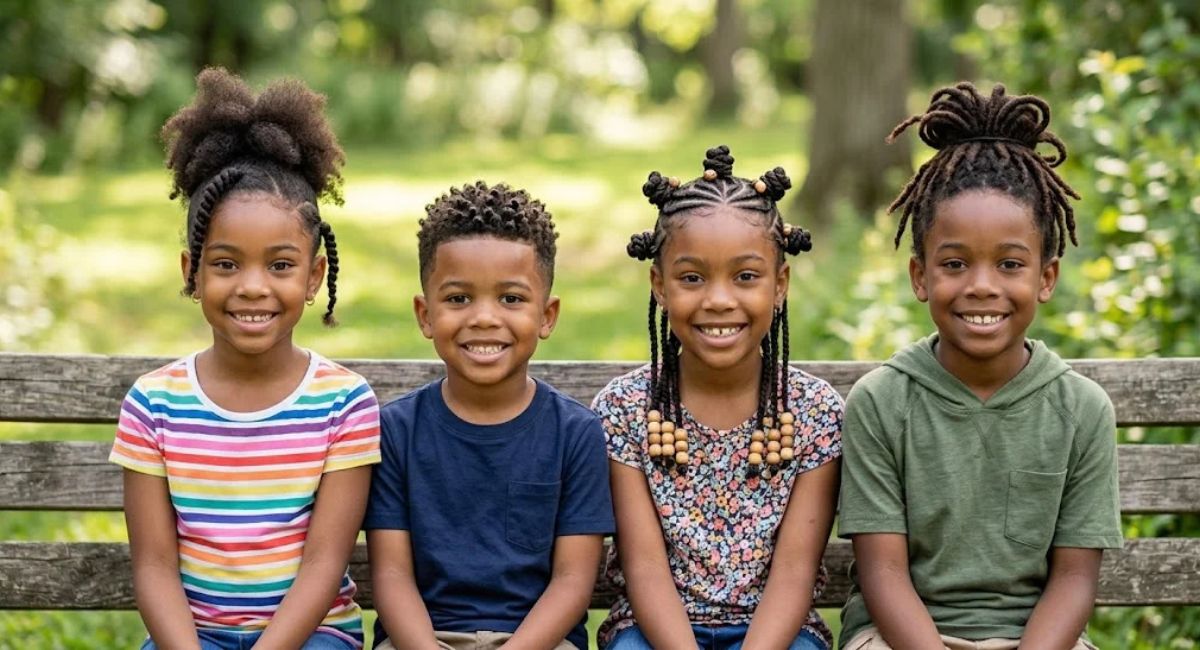
Natural hairstyles for kids are one of the most searched topics among parents, and honestly, the options are more creative and manageable than most people expect. Whether your child has tight 4c coils, soft 3b curls, or anything in between, there is a style that fits their hair texture, their personality, and your schedule. This guide covers the best natural hairstyles for kids, how to choose the right ones, how to care for those precious curls, and everything competitors skip over, like what to do with a tender-headed child or how to make styles last through a full school week.
Why Natural Hairstyles Matter More Than You Think
Styling a child’s natural hair is not just about looks. It is about building confidence, reducing breakage, and teaching kids from an early age that their natural texture is something to celebrate, not hide.
Many parents default to heavy products or over-manipulation without realizing it causes more harm than good. Kids who grow up loving their natural hair tend to take better care of it as teenagers and adults. That starts with parents choosing styles that protect the hair, keep it moisturized, and make wash day feel less like a battle.
Understanding Your Child’s Hair Type First
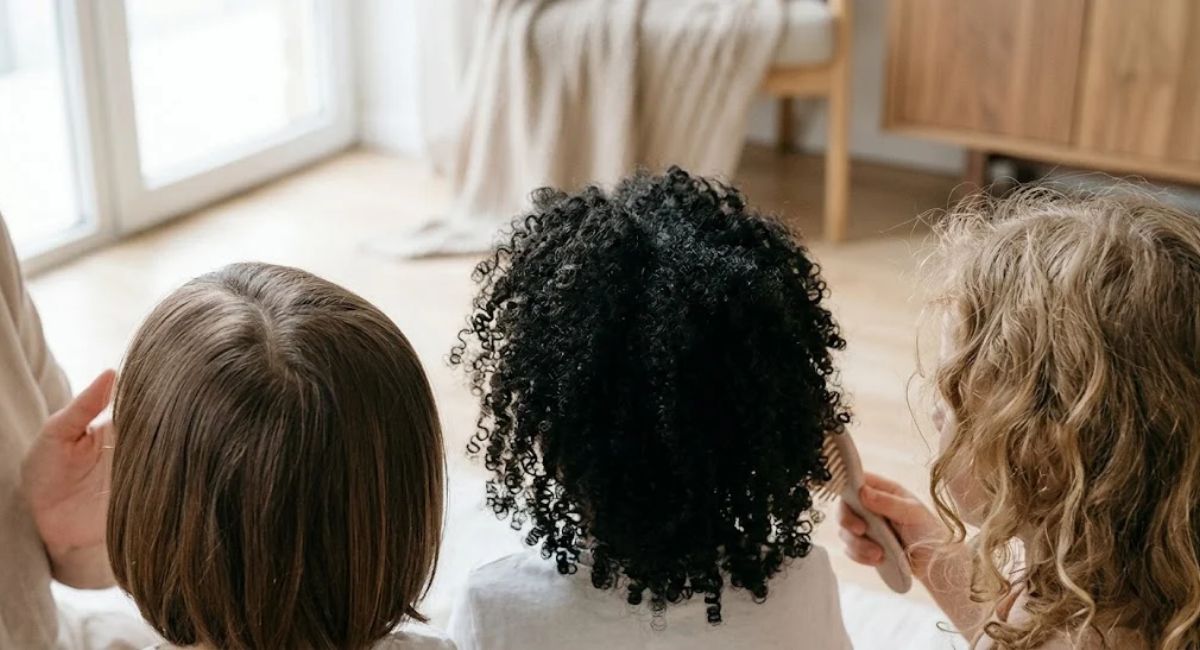
Before picking a natural hairstyle for your kid, take a moment to understand their curl pattern and hair density. A style that works beautifully on loose 3c curls may not hold well on tight 4b or 4c coils. Here is a simple breakdown:
Type 3 (Loose to Tight Curls): Curl-defining creams and light gels work well. Wash-and-go styles, twist-outs, and puffs look gorgeous without much effort.
Type 4 (Coily and Kinky): These textures benefit most from protective styles. Moisture retention is key. Leave-in conditioners and sealing oils make a real difference.
Knowing your child’s hair type removes the guesswork and saves you from styling frustrations.
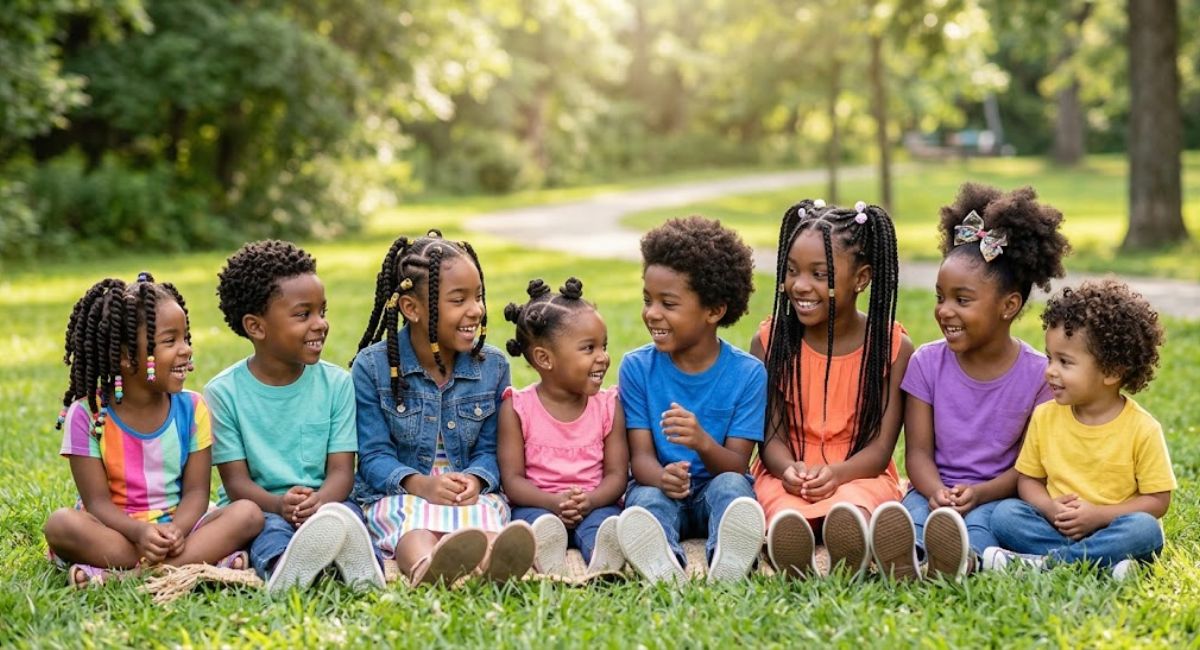
Best Natural Hairstyles for Kids
1. Cornrows
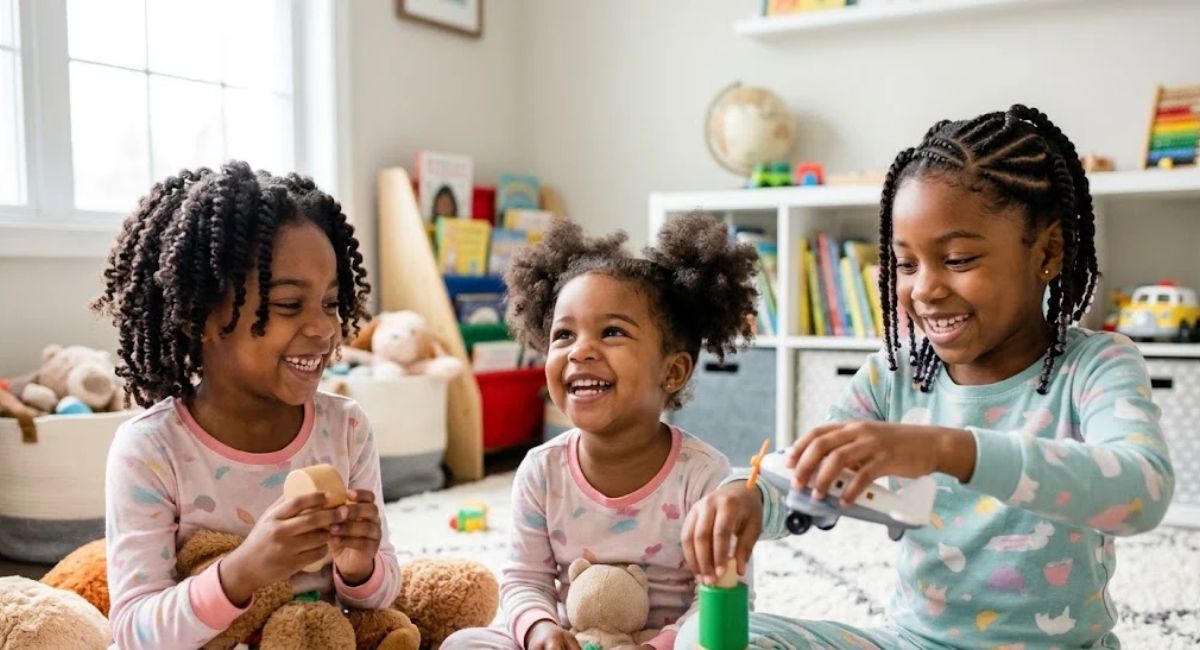
Cornrows are the original protective style for kids with natural hair, and they remain one of the most practical choices for a reason. They stay neat for up to two weeks, work for all curl types, and can be simple straight-back or styled into fun patterns.
The most important thing with cornrows is tension. Styles that are too tight pull on the edges and can lead to traction alopecia over time. Keep them medium-sized and not too close to the hairline. Add colorful beads or rubber bands at the ends, and suddenly a simple school-day look becomes something a child is excited about.
2. Two-Strand Twists
Two-strand twists are a parent’s best friend. They are quick to install, gentle on the hair, and incredibly versatile. Wear them down as a full twist style, pull them up into a ponytail, or pin them into a bun for a more polished look.
For younger kids or those who cannot sit still for long, go bigger with the sections. Large twists take about 20 to 30 minutes and can last several days with a satin bonnet at night. When you unravel them after a few days, you get a gorgeous twist-out with defined, fluffy curls.
3. Box Braids
Box braids are one of those natural hairstyles for kids that tick every box: they are protective, long-lasting, low-maintenance, and undeniably cute. For children, keep them medium to large in size so they do not add too much weight or tension on the scalp.
Shoulder length or shorter works best for younger kids. Add colorful beads, ribbons, or butterfly clips, and your child will feel like a little princess. Box braids can last two to four weeks with proper care, making them a favourite for busy school terms or summer trips.
4. Afro Puffs
If you are short on time, afro puffs are the answer. Gather the hair into one high puff or split it into two pigtail puffs on either side. Use a soft elastic band or a scrunchie to avoid breakage at the roots.
This style celebrates volume and natural texture at its best. Add a headband, a bow, or a floral clip, and it goes from playground-ready to party-ready in seconds. Afro puffs work especially well for 4c natural hair that has good length and density.
5. Bantu Knots
Bantu knots are a two-in-one style that many parents do not use enough. Section the hair, twist each section, and coil it into a small knot secured at the base. The result is a playful, sculptural look that kids absolutely love.
Leave them in for a day or two, then unravel for soft, defined curls. This technique is a heat-free way to add curl definition without products or tools. For extra flair, add small beads at each part line before coiling.
6. Flat Twists
Flat twists are the gentler cousin of cornrows. Instead of braiding three strands, you twist two strands flat against the scalp. The result is a neat, sleek style with less tension, which makes flat twists ideal for kids with sensitive scalps or thinner edges.
You can flat twist the entire head back, create a half-up flat twist style, or use them to swoop hair into a bun. They also work as a quick refresh style during the middle of the week when a full re-do is not possible.
7. Halo Braid
The halo braid is exactly what it sounds like. A single braid wrapped around the crown of the head like a crown. It is stunning, protective, and perfect for school photos, birthday parties, or just a Tuesday when your child wants to feel like royalty.
Start with clean, moisturized hair. Braid one long section and pin it around the head using bobby pins. You can add flowers, pearls, or beaded pins for a more dressed-up look.
8. Wash-and-Go Styles
A wash-and-go is the most low-manipulation natural hairstyle you can do. Wash the hair, apply a leave-in conditioner, add a curl-defining cream or light gel, and let the natural curl pattern do the work.
This style works best on type 3 curls where the curl pattern is more defined on its own. For 4c hair, a wash-and-go can still look amazing with the right products, but it may require more moisture layering. Use a wide-tooth comb while the hair is still wet and coated in conditioner for best results.
9. Mohawk with Cornrows
For kids who love standing out, the cornrow mohawk is a bold and creative natural hairstyle. Cornrow the sides tightly back or up toward the center, leaving the middle section free in a puff or twist-out. The contrast between the sleek cornrowed sides and the voluminous center makes it a head-turner.
It is surprisingly easy to do at home with practice. The key is clean, straight parts on the sides.
10. Braided Crown
A braided crown works for kids with medium to long natural hair. It frames the face beautifully and keeps hair off the neck, which is a practical bonus on hot days. Use two braids starting from behind each ear, crossing them over the top of the head, and pinning them in place.
This is a wonderful style for special occasions. Dress it up with flowers, gold pins, or pearl clips for an elevated look.
Natural Hair Care Tips for Kids: What Most Articles Miss
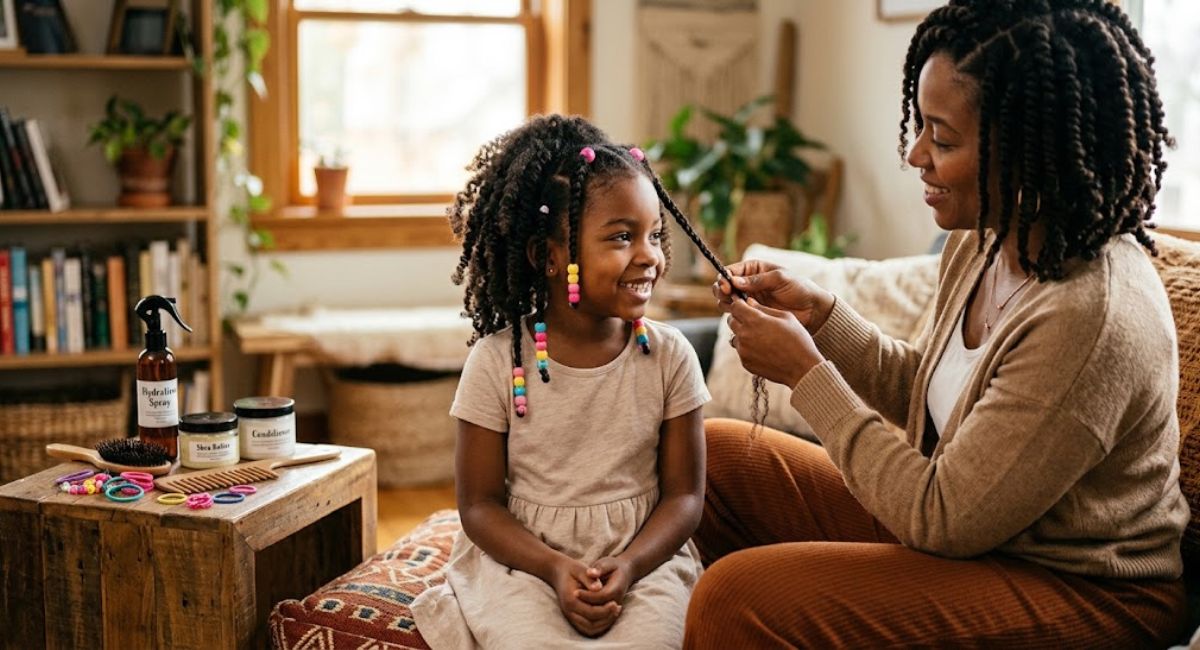
Styling is only half the job. How you care for your child’s natural hair between styles makes the biggest difference in growth and health.
Moisture is everything. Natural hair, especially coily textures, loses moisture quickly. Use a leave-in conditioner on wash day and spritz lightly with water between washes. Seal with a light oil like jojoba or sweet almond oil. Avoid petroleum-based products that sit on the scalp without actually nourishing it.
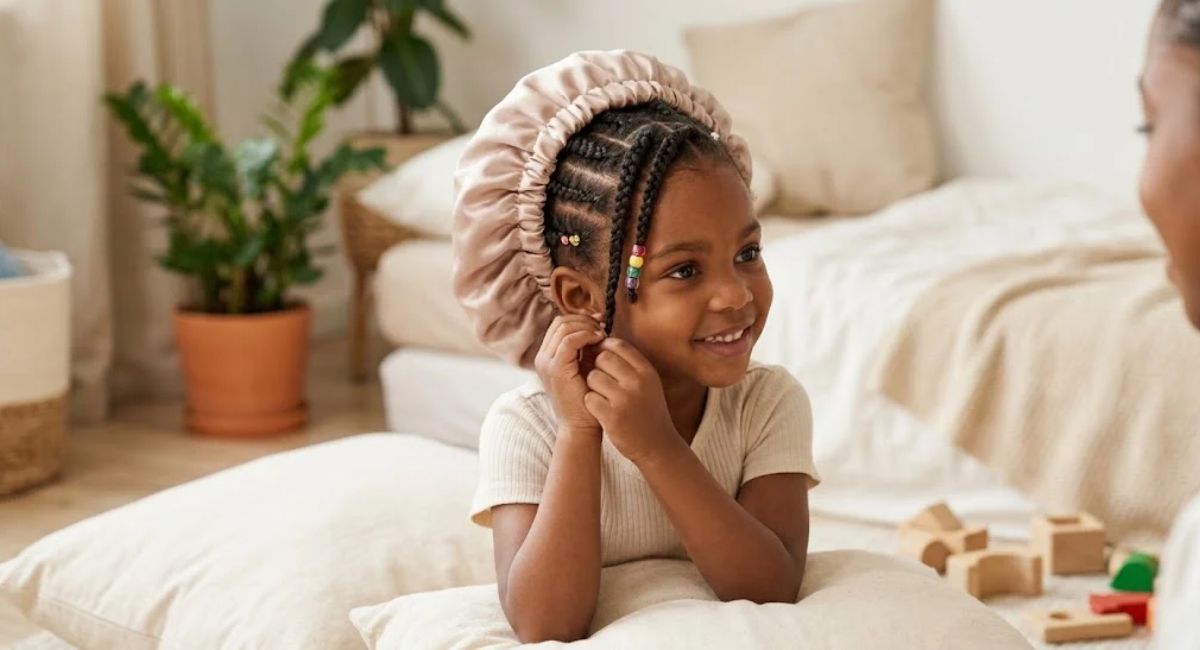
Protect at night. This is the single most overlooked step in kids’ hair care. A satin bonnet or satin pillowcase prevents friction that causes breakage overnight. It also helps protective styles last longer.
Detangle gently and always on wet hair. Never comb dry natural hair. Apply conditioner or a detangling spray, use your fingers first to break apart tangles, then follow with a wide-tooth comb from the ends upward. This prevents unnecessary pain and breakage, especially for tender-headed kids.
Keep tension low. Tight styles feel secure, but they damage edges over time. Traction alopecia in children is more common than people realize. If you can see the skin pulling or the child is wincing, the style is too tight.
Simplify on regular days. Reserve the intricate styles for special occasions. On regular school days, a clean two-strand twist, puff, or bun is more than enough. Simpler styles also mean less manipulation, which equals healthier hair overall.
Products Worth Keeping in Your Kids’ Hair Toolkit
You do not need 15 products to maintain your child’s natural hair. A simple routine works best:
Leave-in conditioner: AS I AM Coconut CoWash or Cantu Care for Kids Leave-In Conditioner are both gentle and effective.
Detangling spray: The Mielle Organics Pomegranate and Honey Detangling Spray is lightweight and works on all curl types.
Curl-defining cream: SheaMoisture Kids Curl Pudding adds definition without stiffness or flaking.
Light oil for sealing: Castor oil is great for scalp nourishment and growth. Jojoba oil works well for sealing moisture on the strands.
Wide-tooth comb and detangling brush: The Denman D3 brush is popular in the natural hair community for detangling curls without pulling them apart.
How to Make Natural Hairstyles for Kids Last Longer
Getting a style to survive a full week of school, sports, and play requires a few simple habits:
Refresh with a water spray bottle. A light mist every morning re-activates the moisture and brings puffs and twist-outs back to life.
Use a silk or satin bonnet every night. This cannot be overstated. Cotton pillowcases strip moisture and create frizz.
Avoid over-touching. Kids naturally run their hands through their hair. Encourage them to be gentle, especially with styles like two-strand twists or box braids.
Do not leave protective styles in too long. Box braids or cornrows left in for more than four weeks can cause matting and even breakage. Two to three weeks is the sweet spot for most kids.
Natural Hairstyles for Different Occasions
School days: Cornrows, box braids, flat twist buns, and two-puff styles. Low maintenance, neat, and easy to refresh mid-week.
Parties and special occasions: Halo braids, braided crowns, Bantu knots, and beaded box braids. These styles are more decorative and photograph beautifully.
Sports and active days: High puffs, cornrows, and secured buns. Styles that stay in place without needing adjustment every 30 minutes.
Beach or pool days: Protective styles with a swim cap, or a high pineapple puff with a water-resistant style oil applied before swimming. Rinse and moisturize hair immediately after chlorine or saltwater exposure.
Common Mistakes to Avoid with Kids’ Natural Hair
Using too many heavy products. Kids’ hair is fine and gets weighed down easily by thick butters and heavy gels. Start with less and add more only if needed.
Skipping wash day. Natural hair needs a clean scalp to stay healthy. Wash every one to two weeks depending on activity level. Co-washing between wash days keeps moisture up.
Styling dry hair. Always work on damp or wet hair. Dry natural hair stretches, snaps, and loses definition when combed or styled.
Ignoring the edges. Edges are fragile. Use a soft bristle brush and a light edge control or gel to lay them down without applying heavy pressure.
Frequently Asked Questions
1. What are the easiest natural hairstyles for kids?
Two-strand twists, afro puffs, and simple cornrows are the easiest options. They take minimal time, last several days, and require no heat or complex technique.
2. How often should I wash my child’s natural hair?
Every one to two weeks is ideal for most children with natural hair. Co-washing (using conditioner only) between wash days helps maintain moisture without stripping the scalp.
3. What protective styles are best for kids with tender scalps?
Flat twists, large two-strand twists, and loose buns are the gentlest options. Avoid tight cornrows or small braids that pull on the roots.
4. How do I keep my child’s natural hair moisturized?
Use a leave-in conditioner on wash day, seal with a light oil, and spray with water between washes. A satin bonnet at night prevents moisture loss.
5. Are box braids safe for kids?
Yes, when done correctly. Keep them medium to large in size, not too tight, and remove after two to four weeks to prevent matting or buildup.
6. What products should I use on my child’s natural hair?
Stick to gentle, sulfate-free shampoos, lightweight leave-in conditioners, and natural oils like jojoba or castor oil. Avoid heavy petroleum-based greases.
7. How do I detangle natural hair without hurting my child?
Always detangle on wet, conditioner-coated hair. Start from the ends and work upward with a wide-tooth comb. Use your fingers first to break apart any knots gently.
8. Can natural hairstyles for kids last a full week?
Yes. Protective styles like cornrows, box braids, and two-strand twists can last one to two weeks with a satin bonnet at night and light moisture refresh in the morning.
9. What accessories work best with natural hairstyles for kids?
Plastic beads, fabric scrunchies, silk ribbons, butterfly clips, and headbands all work beautifully. Avoid tight metal elastics that snag and break natural hair.
10. How do I protect my child’s hair in the pool?
Apply a water-resistant oil before swimming, use a swim cap, and rinse hair thoroughly with clean water immediately after. Follow up with conditioner to restore moisture.