Straight hair wolf cut styles women have quietly taken over salon requests this year, and honestly, it makes sense. If you have ever sat in a stylist’s chair holding up three Pinterest photos while whispering “something like this but not too crazy,” this cut solves that problem better than almost anything else out there.
I have watched this trend go from a niche K-pop inspired look to something my own hairdresser now recommends to nearly every client with straight strands. It is not a fluke. The wolf cut gives flat, straight hair the kind of movement and shape that used to require a curling iron and twenty minutes you do not have.
So let us actually get into what makes this cut work, who it flatters, and how to avoid the mistakes that turn a good wolf cut into a bad mullet.
What Exactly Is a Straight Hair Wolf Cut Styles Women, and Why Do You Need It?
The wolf cut is a hybrid style. Think of it as a shag and a mullet that decided to have a baby, then that baby grew up watching too much TikTok. It features short, choppy layers around the crown, longer pieces toward the back and sides, and often some kind of fringe or curtain bangs framing the face.
Straight hair, left on its own, tends to fall flat. There is no natural bend to create texture, so length alone can look one dimensional. The wolf cut fixes this by cutting internal layers that lift at the roots and add visible separation through the ends, even without a single curl in sight.
That is really the whole appeal. You get texture and dimension that looks effortless, without needing wavy or curly hair to pull it off.

Search Intent: What Women Actually Want From This Cut
Most people searching for straight hair wolf cut styles are not just browsing for fun. They usually fall into one of these categories:
- They are bored with flat, one length hair and want movement without perms or extensions
- They saw the cut on a celebrity or influencer and want to know if it works with straight texture
- They are nervous about commitment and want to know how it grows out
- They want styling tips because their straight hair does not naturally hold the “messy” wolf cut texture
I am going to answer all four of these directly, because most articles I have seen online only really cover the first one and leave everyone else guessing.
Does the Wolf Cut Actually Work on Straight Hair?
Yes, and in some ways straight hair has an advantage most people do not talk about. Because your hair falls smoothly, the layers in a wolf cut read as clean, intentional shapes rather than a messy blur. This is where the sleek, polished version of the wolf cut comes from, the one with razor sharp layers and a smooth finish that looks almost architectural.
The tradeoff is that straight hair will not naturally clump into that lived in, tousled texture that curly or wavy hair gets for free. You will need a texturizing spray, a flat iron, or a round brush blowout to bring out the layers. It is a small extra step, but it is worth knowing before you sit in the chair.
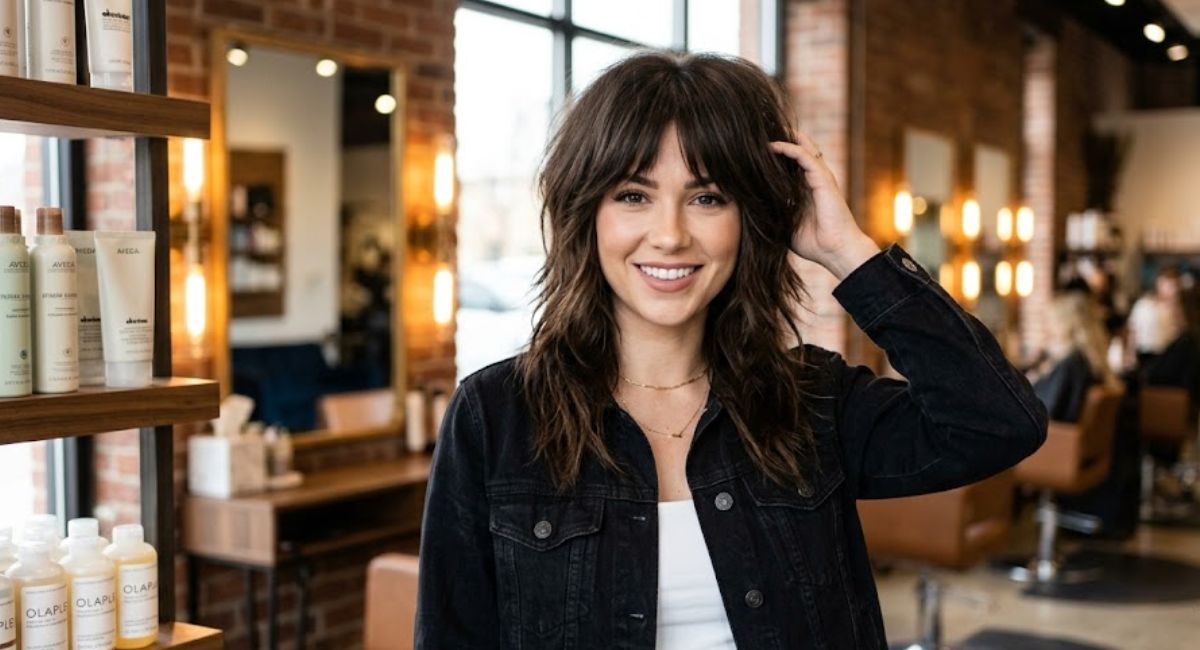
Best Straight Hair Wolf Cut Styles to Try
1. The Sleek Razor Layered Wolf Cut
This version leans into what straight hair does best. Razor cut layers create sharp, clean lines instead of soft feathering, giving you a polished, almost futuristic look. Pair it with a flat iron and a light smoothing serum for a finish that looks intentional rather than undone.
2. Long Layered Wolf Cut with Curtain Bangs
If you are not ready to lose length, this is the safest entry point. The internal layers add lift and movement while curtain bangs soften your face shape. This combination works especially well for oval and heart shaped faces, and it is one of the most requested versions in salons right now.
3. Shoulder Length Choppy Wolf Cut
This mid length option is the most versatile on this list. It is long enough for a low ponytail or half up style, but short enough that the layers show up clearly even on stick straight hair. I would call this the “safe but still edgy” choice for anyone new to the trend.
4. Short Wolf Cut Above the Shoulders
For women who want maximum impact and minimum daily maintenance, going short is the move. Less length means less weight pulling the layers down, which lets straight hair show off texture more easily. This is also the lowest upkeep version since there is simply less hair to style.
5. Wolf Cut Bob
Taking the classic bob and fragmenting it with heavy layers creates a completely different silhouette. It keeps the structured, sharp edge of a bob but adds enough movement to avoid looking stiff. This works particularly well for fine straight hair that needs help looking fuller.
6. Wolf Cut with Bottleneck Bangs
Bottleneck bangs are narrower at the top and flare out near the cheekbones, and they have become a favorite pairing with the wolf cut this year. They soften the transition between your face and the shaggy layers, and honestly they photograph beautifully on straight hair because there is no frizz to fight.
7. Colored Wolf Cut for Extra Dimension
If you want the layers to stand out even more, adding dimension through color like soft balayage, money piece highlights, or even a bold pastel shade helps separate each layer visually. On straight hair, color does a lot of heavy lifting because it fakes texture that the cut alone might not fully deliver.
Face Shapes and the Wolf Cut
I will be honest, the wolf cut is fairly forgiving, but a few adjustments help depending on your face shape.
- Round faces benefit from longer layers that elongate rather than add width at the cheeks
- Square faces look great with soft curtain bangs that break up sharp jawlines
- Heart shaped faces can handle almost any version, including the shorter styles
- Long faces should avoid too much height at the crown and instead focus on side swept fringe
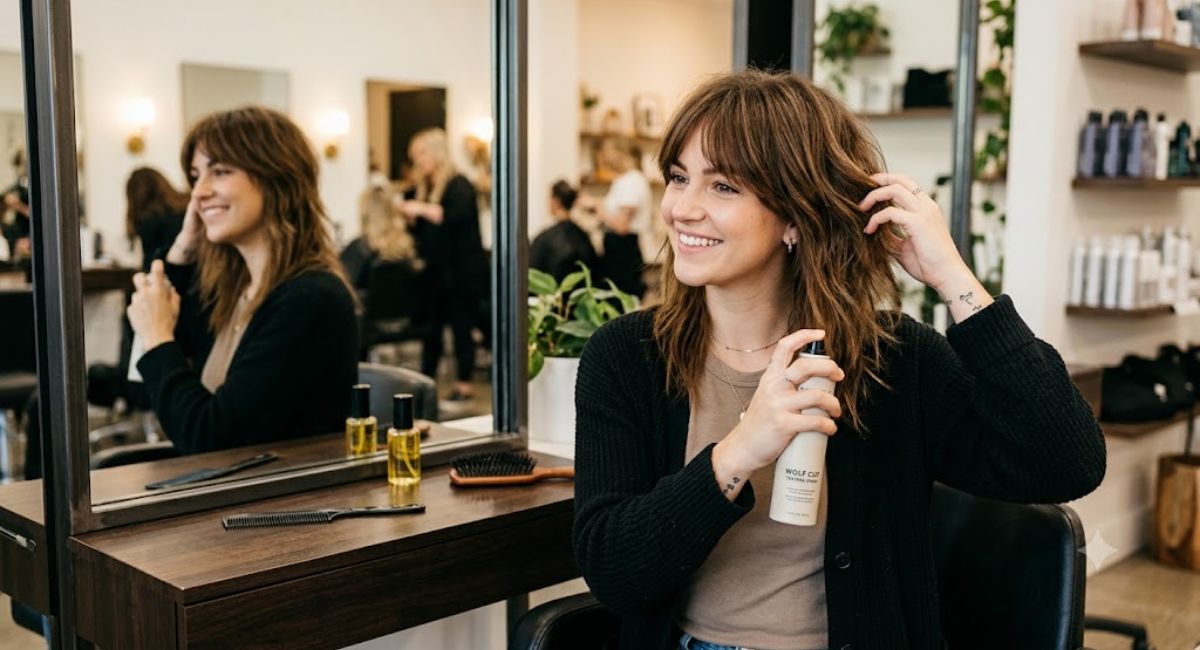
Styling Tips for Straight Hair Wolf Cuts
This is the part most articles skip, and it is honestly the most important part if you actually want the cut to look right day to day.
- Use a texturizing spray on damp hair before blow drying to give the ends something to grip onto
- A round brush at the roots creates the lift that straight hair loses on its own
- A flat iron with a slight bend at the ends mimics that piecey, separated look without full curls
- Dry shampoo is your best friend the day after washing, since a little grease actually helps the layers hold shape
- Avoid heavy, weighing down products near the crown, since that is exactly where you want volume
I learned the round brush trick the hard way after my first wolf cut looked more like a plain layered lob for two weeks because I kept air drying it. Once I started blow drying with a round brush at the roots, the whole shape finally clicked.
Common Mistakes to Avoid
- Cutting too many layers at once without a stylist experienced in shag or mullet based cuts, which can leave gaps
- Skipping regular trims, since straight hair grows out layers faster looking than curly hair
- Using too much product, which flattens the exact volume the cut is designed to create
- Going too short too fast if you are nervous, when a longer version can ease you in
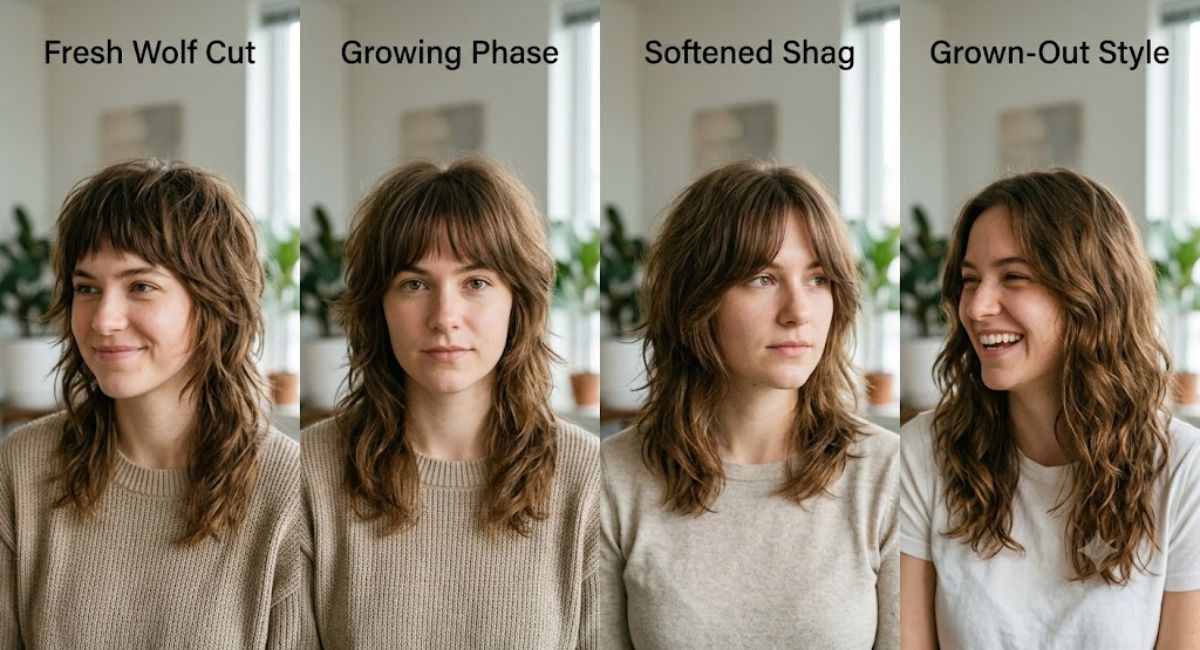
How the Wolf Cut Grows Out
One underrated benefit of this style is how gracefully it grows out compared to something like a pixie or a blunt bob. Because the layers are already staggered, longer hair naturally blends into the shape rather than looking like an awkward in between stage. Most women can go three to four months between trims without the cut losing its structure.
Maintenance and Salon Visits
For straight hair specifically, ask your stylist about point cutting or razor techniques rather than blunt layering. This keeps the ends looking soft rather than heavy, which matters a lot when there is no natural wave to disguise thickness. Most stylists recommend a trim every eight to ten weeks to keep the shape sharp.

Final Thoughts
Straight hair wolf cut styles are proof that you do not need natural texture to pull off one of the most talked about haircuts in years. Between razor sharp layered versions, curtain bang pairings, and shorter bold takes, there is a version of this cut for pretty much every comfort level. The key is choosing the right length for your lifestyle and putting in a little styling effort to let those layers actually show.
If you are on the fence, start with a longer version. You get all the movement without the commitment, and you can always go shorter later once you see how the layers work with your specific hair.
FAQs
Does the wolf cut work well on straight hair? Yes. Straight hair actually shows off the sharp, clean lines of layered cutting very clearly, though you may need a texturizing spray or flat iron to bring out the shaggy movement.
How often do I need to trim a straight hair wolf cut? Most stylists recommend every eight to ten weeks to keep the layers looking sharp, since straight hair shows growth in the layers faster than curly hair.
Will a wolf cut make my straight hair look thicker? Yes, the internal layering removes weight and adds lift at the crown, which creates the appearance of more volume and fullness.
What is the difference between a wolf cut and a shag? A shag focuses on soft, feathered layers throughout, while a wolf cut combines shag layers with a mullet influenced silhouette, giving it more height at the crown and edge overall.
Can I still wear my hair up with a wolf cut? Yes, especially with mid length or long versions. Shorter face framing layers may fall out of a ponytail, but that piecey look is usually part of the style.
Do I need curly or wavy hair for the wolf cut to look good? No. Straight hair works well, particularly for the sleek, razor cut version of the trend, which actually looks best without natural texture.
What styling products work best for a wolf cut on straight hair? A lightweight texturizing spray, a small amount of smoothing serum, and dry shampoo for grip tend to work better than heavy creams or oils.
Is the wolf cut a good option for fine hair? Yes, fine straight hair often benefits the most, since the layering creates volume at the roots that fine hair usually lacks on its own.