Y2K fashion early 2000s men outfit summer looks are everywhere right now, from TikTok try on hauls to actual runway collections borrowing straight from 2003. If you grew up wearing this stuff the first time around, it’s a little funny watching baggy jeans and tinted sunglasses become “vintage” again. If you didn’t, welcome to one of the most fun, low pressure style eras to recreate.
I’ve put together outfits from this era more times than I’d like to admit, mostly because thrift stores near me are still packed with leftover 2003 stock that nobody wanted until about two years ago. So this isn’t just theory. It’s what actually works, what looks costume-y, and how to wear it without sweating through your shirt in July.
What Actually Defines Y2K Menswear (And What People Get Wrong)
A lot of guides lump every 2000s trend into one pile. That’s not accurate. The early 2000s, roughly 2000 to 2004, had a distinct look that’s different from the skinny jean, indie sleaze phase that took over by 2006 or 2007.
Early 2000s menswear was about volume and color. Think:
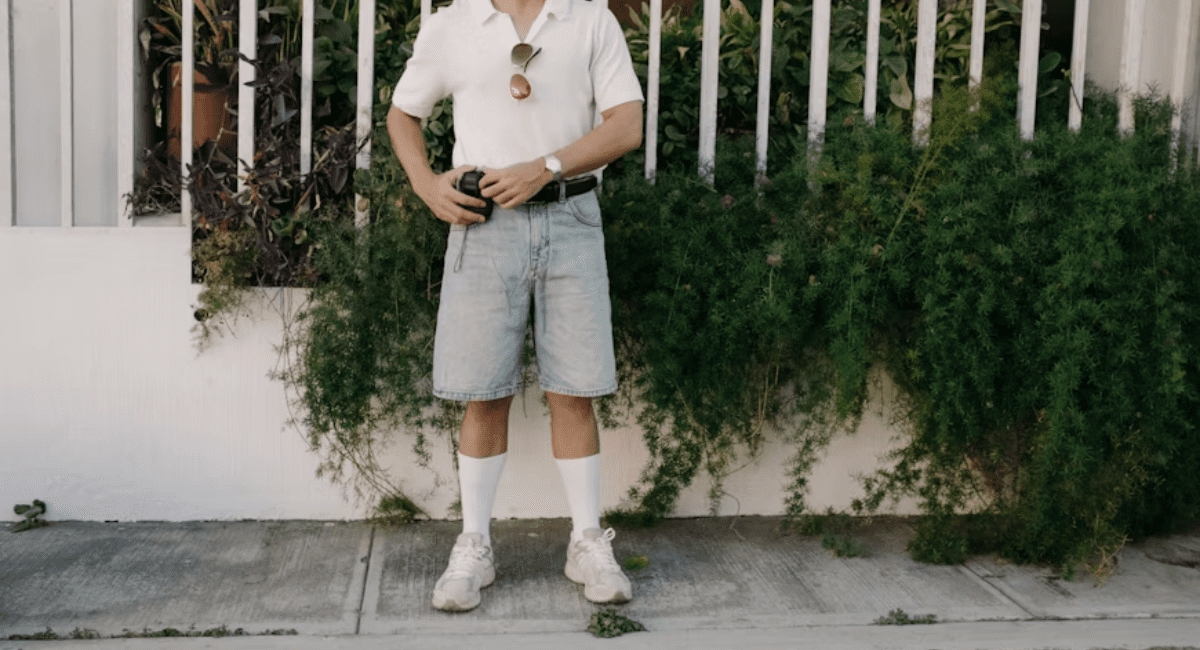
- Baggy, low rise jeans or cargo pants
- Oversized graphic tees, often layered
- Tracksuits and zip up jackets worn open
- Bright, sometimes clashing colors
- Tinted sunglasses and chunky accessories
If your outfit looks tailored or fitted anywhere, you’ve drifted into a different decade. Fit looseness is basically the entry requirement here.
Building the Outfit: Top to Bottom
Start With the Shirt
The graphic tee is the backbone of almost every Y2K outfit. Big logos, band names, tribal prints, or anything with a slightly faded, screen printed look. Vintage band tees work great if you can find originals, but reprints from brands like Stussy or even general retailers do the job fine.
For summer specifically, you want lighter cotton blends. Original 2000s tees were often thicker cotton because nobody cared about breathability back then, so if you’re recreating the look for actual summer wear, look for similar prints on lighter fabric. Your back will thank you.
A trick that instantly reads as authentic: layer a short sleeve button shirt, unbuttoned, over your graphic tee. I do this constantly in summer because it adds shape without adding heat, since you can leave it fully open.
Bottoms: This Is Where People Mess Up Most
Cargo pants and baggy jeans are the obvious picks, and for good reason. They were everywhere from 2000 through 2004, often in khaki, denim, or camo.
For summer, swap heavy denim for:
- Lightweight cargo shorts, knee length or just above
- Baggy cotton twill pants if you want full length
- Cargo pants in a lighter wash denim, not the stiff dark stuff
One mistake I made early on was buying actual vintage cargo pants without checking the fabric weight. They looked perfect and felt like wearing a sleeping bag in August. If you’re shopping secondhand, always check the tag or feel the fabric before buying.
Footwear and the Sock Question
Chunky sneakers are non negotiable. Classic options include retro basketball shoes, skate sneakers, or anything with a thick sole. Brands that nail this without costing a fortune include reissued lines from Adidas, Vans, and Nike’s early 2000s retros.
Here’s a detail most guides skip: socks mattered. Crew socks pulled up slightly, sometimes visible above low top sneakers, were part of the look. It sounds small, but it changes how “finished” an outfit looks in photos.
Layering and Outerwear Without Overheating
Tracksuit jackets and windbreakers, worn open over a tee, are an iconic part of this era. The trick for summer is treating these as a styling layer, not something you actually zip up.
Drape a bright colored track jacket over your shoulders or wear it fully open with sleeves pushed up. You get the visual layering effect of the era without trapping heat against your skin. This is genuinely how a lot of guys wore it back then too, since nobody wanted to actually zip a windbreaker in July either.
Accessories That Make or Break the Look
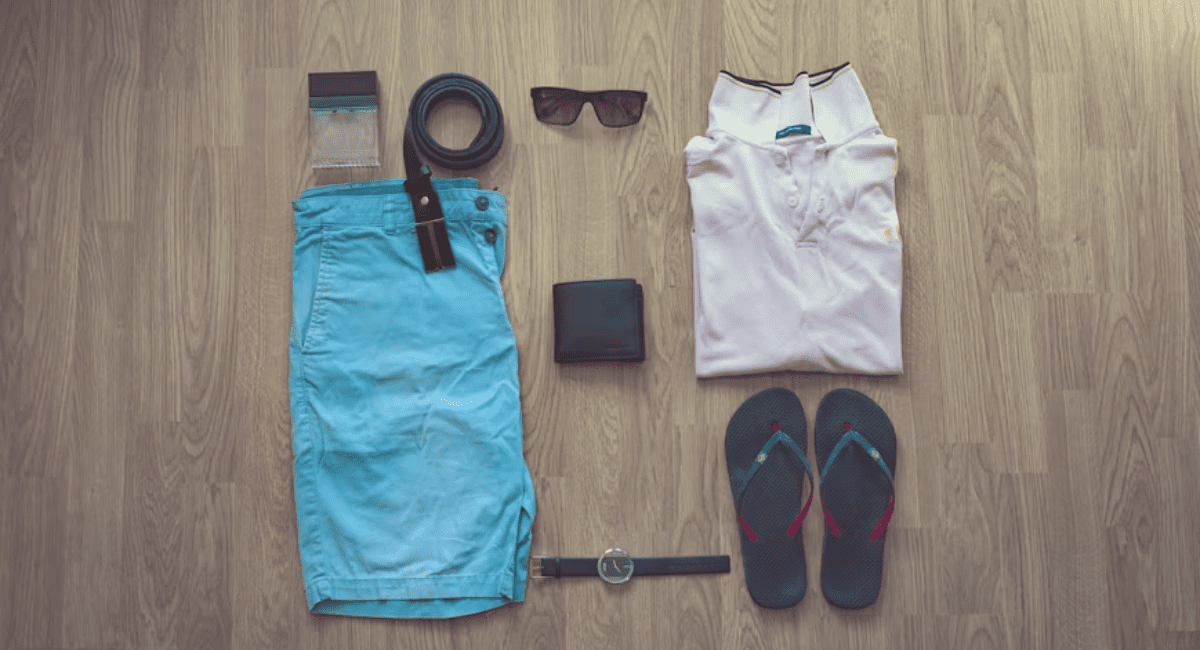
This is the part competitor articles cover but rarely explain why it matters. Accessories are doing 30 percent of the visual work in any Y2K outfit.
- Tinted sunglasses: yellow, blue, or amber lenses in a slim or wraparound frame
- Chain necklaces: silver, chunky link, worn over the tee
- Bucket hats or trucker caps: both period accurate, pick based on your hair situation
- Wristbands or beaded bracelets: subtle but adds texture
You don’t need all four at once unless you’re going for a full costume effect. Pick two and you’ll already read as accurate to anyone who lived through the era.
Color and Pattern Choices for Summer
Early 2000s palettes leaned bright. Think primary colors, neon accents, and camo prints mixed with solid bold tees. For summer wear that doesn’t feel overwhelming in daylight, I’d suggest:
- One bold colored piece per outfit, not three
- Camo cargo shorts paired with a solid colored tee
- Bright tracksuit jacket draped over neutral bottoms
This keeps things looking intentional rather than like you raided a costume bin.
Where to Actually Shop for This Look
You have three realistic paths:
- Thrift and secondhand stores. Actual early 2000s stock still floats around, especially in larger cities. Check tags for early 2000s manufacturing dates if you’re hunting for genuine vintage.
- Resale apps like Depop or ThredUp, where sellers specifically tag Y2K pieces.
- Modern retailers leaning into the revival. Several mainstream brands have reissued baggy cuts and graphic tees specifically because of this trend’s return.
Budget wise, thrifting wins every time. I’ve built full outfits for under twenty dollars total just by being patient and checking racks weekly.

A Quick Outfit Formula You Can Reuse
If you want a no fail combination for summer:
Oversized graphic tee + baggy cargo shorts + chunky sneakers + tinted sunglasses + one chain necklace.
That’s it. Swap colors and prints depending on mood, but this formula hits every key element without overcomplicating things.
Final Thoughts
Getting Y2K fashion early 2000s men outfit summer style right isn’t about perfection, it’s about volume, color, and a slightly carefree attitude toward fit. The era wasn’t trying to look polished. It was loud, comfortable, and a little chaotic, and that’s exactly why it’s fun to wear again now.
Start with one or two pieces, build from there, and don’t be afraid to mix modern fabrics with period accurate cuts so you actually stay comfortable through summer heat.
FAQs
1. What defines Y2K fashion for men? Loose, oversized silhouettes, graphic tees, cargo pants, bright colors, and chunky accessories from roughly 2000 to 2004.
2. How do I wear Y2K fashion in summer without overheating? Choose lightweight cotton fabrics, opt for cargo shorts instead of pants, and treat jackets as a draped layer rather than something you zip up.
3. What shoes go with Y2K outfits? Chunky retro sneakers, especially basketball or skate styles with thick soles, paired with visible crew socks.
4. Where can I buy authentic Y2K clothing? Thrift stores, resale apps like Depop, and retailers currently reissuing baggy cuts and graphic tees.
5. Are baggy jeans still considered Y2K or is that a different trend? Baggy, low rise jeans are core Y2K. Skinny jeans came later, closer to 2006 to 2007, and belong to a different style era.
6. What accessories are essential for a Y2K men’s outfit? Tinted sunglasses, chain necklaces, bucket hats, and wristbands are the most recognizable add ons.
7. Can I mix modern clothing with Y2K pieces? Yes. Pairing one or two authentic pieces, like a graphic tee or cargo shorts, with modern basics keeps the look wearable.
8. What colors were popular in early 2000s menswear? Bright primary colors, neon accents, and camo prints, often mixed with neutral tees or jackets.