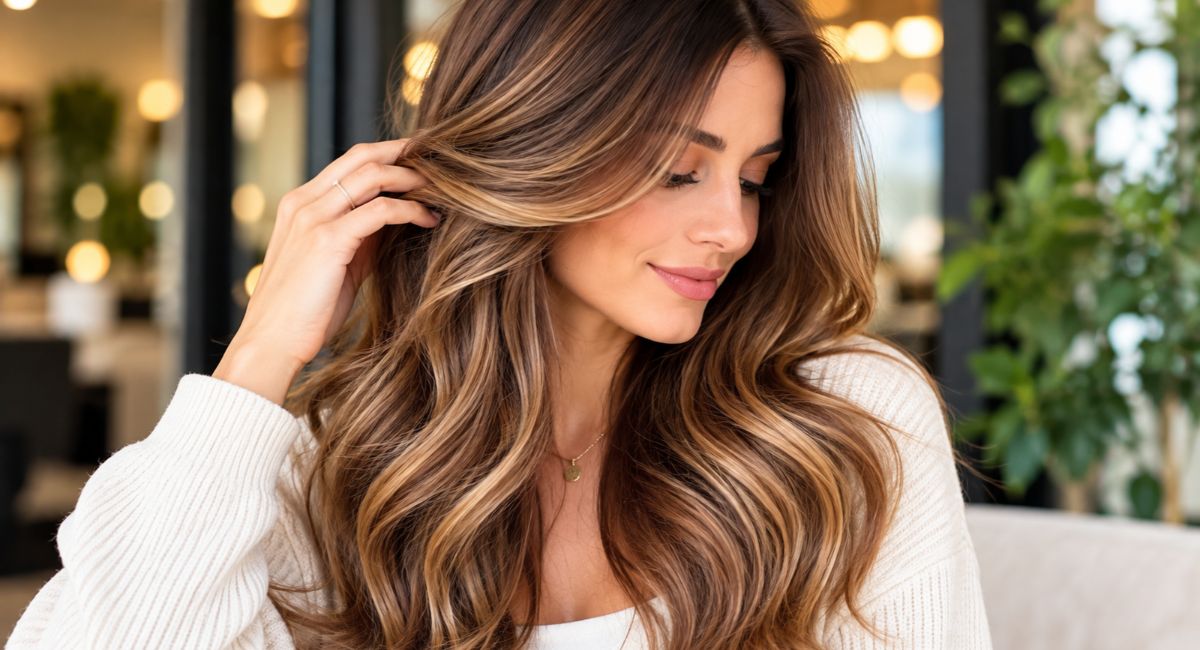
Subtle hair color Ideas for women is a beautiful way to refresh your look without making a dramatic change. Whether you have dark brown hair, natural black hair, blonde hair, or a few gray strands, the right shade can add warmth, softness, and dimension while keeping your overall appearance natural.
The best part is that subtle hair color does not have to mean boring. Soft caramel highlights, chocolate brown gloss, honey-toned balayage, and delicate face-framing pieces can all make your hair look different without creating a high-contrast color change.
If you prefer a polished everyday hairstyle, want a gentler introduction to hair coloring, or simply need a change that works with your lifestyle, there are plenty of options to consider. You can also explore our guide to hair color inspiration for women for more shades and color combinations before deciding on your next salon look.
In this guide, you will discover 15 subtle hair color ideas for women, how to choose a shade that complements your natural hair, which coloring techniques to ask your stylist about, and how to maintain your color between salon visits.
What Is Subtle Hair Color?
Subtle hair color uses gentle tonal differences, blended highlights, or a small change in overall shade to enhance your natural hair color. Instead of creating a dramatic contrast, the goal is to achieve a soft, dimensional result that looks harmonious with your original hair.
For example, someone with dark brown hair might choose fine chocolate or caramel highlights rather than going blonde. Someone with medium brown hair might prefer a warm chestnut gloss or a few honey-colored pieces around the face.
Subtle coloring can involve permanent dye, demi-permanent color, glosses, or lightening techniques. The best option depends on your starting color and the result you want.
It is worth remembering that subtle does not automatically mean damage-free or maintenance-free. Some techniques require lightening the hair, which can affect its condition, even when the final result looks natural.
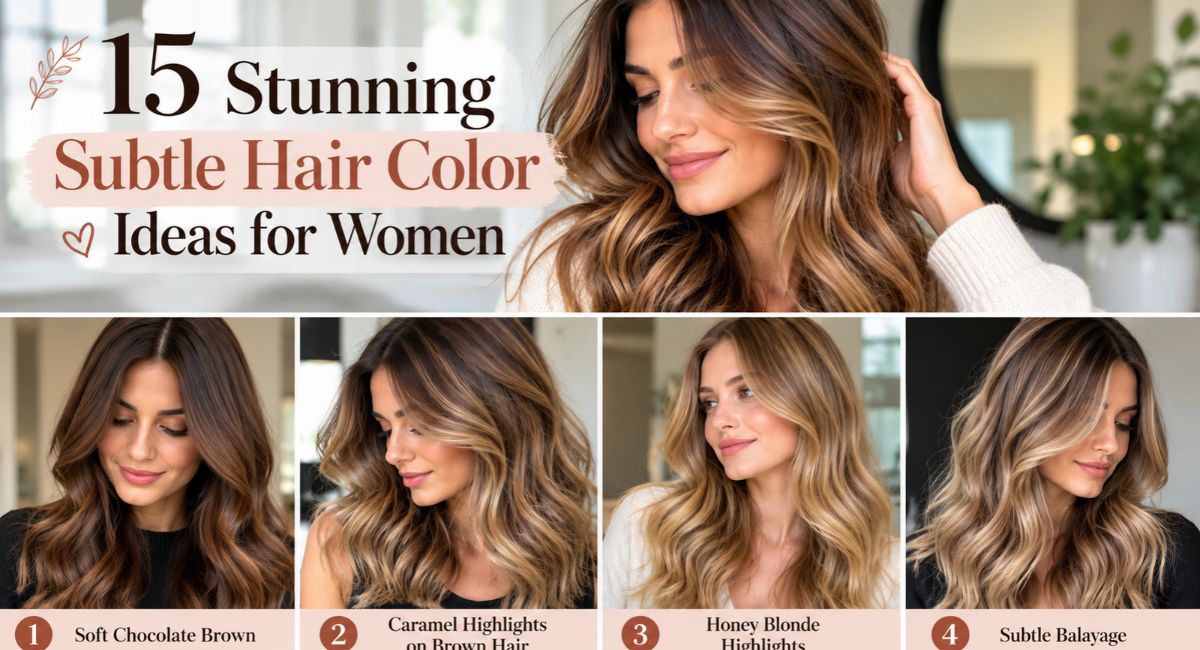
15 Best Subtle Hair Color Ideas for Women
1. Soft Chocolate Brown
Chocolate brown is a lovely choice if you want richer-looking hair without moving far from a natural brunette shade. Its balanced brown tones can add visual depth and create a polished finish.
This color works particularly well on medium to dark brown hair. You can keep the shade relatively uniform or ask for slightly lighter brown ribbons through the mid-lengths and ends.
Best for: Women who prefer classic, understated hair color.
Styling tip: Loose waves can help reveal subtle differences in tone. On straight hair, a smooth finish makes the color look sleek and refined.
2. Caramel Highlights on Brown Hair
Caramel highlights introduce warmth into brown hair without requiring a complete color transformation. The highlights can be concentrated around the mid-lengths, ends, or selected sections near the face.
For a subtle finish, ask your stylist to choose a caramel shade that is only a few levels lighter than your base, where achievable, and blend the transitions carefully.
Darker brunettes may need some lightening to achieve a visible caramel result. Your colorist can assess how much is appropriate for your hair.
Best for: Brunettes who want warmth, movement, and a sunlit effect.
Styling tip: Soft curls and waves help show off the variation between the darker base and lighter strands.
For more examples of highlight placement and warm brown shades, explore our guide to soft caramel highlights for brown hair.
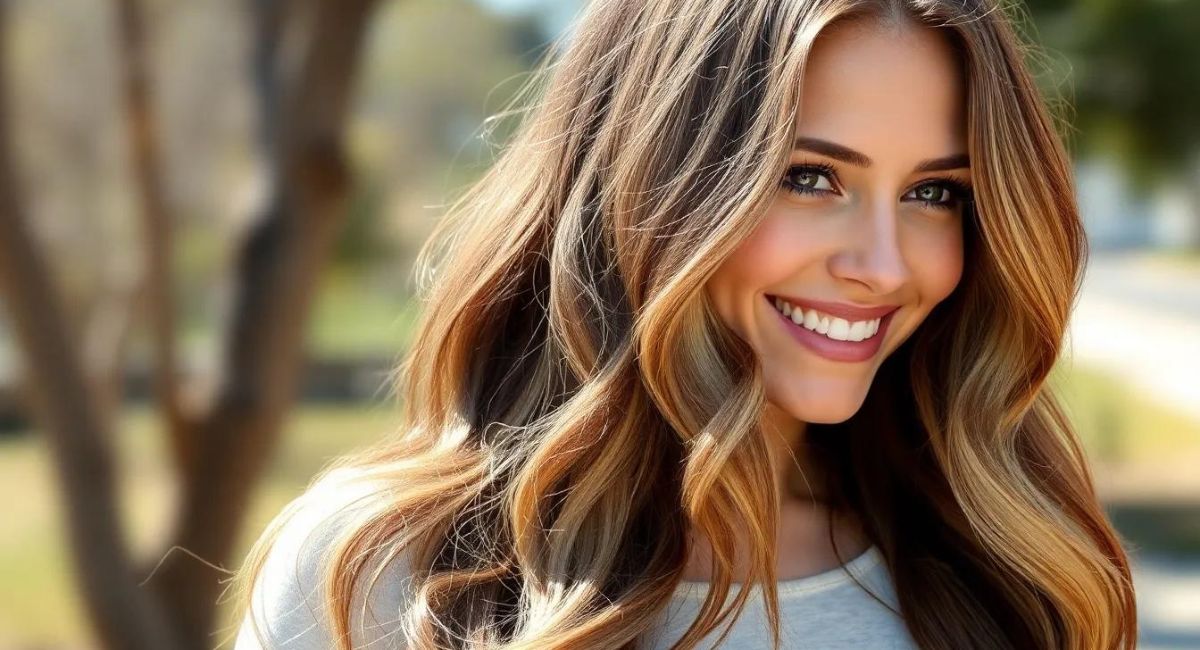
3. Honey Blonde Highlights
Honey blonde offers a warm, golden finish that can brighten light brown, dark blonde, and some medium brunette bases.
For an understated result, ask for fine highlights rather than thick, contrasting sections. Keeping some of your natural color visible helps the finished look feel balanced.
If your hair is naturally very dark, achieving honey blonde may require more than one lightening session. Ask your stylist about a gradual approach if maintaining hair condition is a priority.
Best for: Women who like warm, luminous color without going fully blonde.
Styling tip: A loose blowout or natural waves can emphasize the golden tones.
4. Subtle Balayage
Balayage is a coloring technique in which a colorist paints selected sections of hair to create a graduated effect. The placement can be customized, so the result may be delicate or dramatic.
For subtle balayage, ask for soft brightness through the mid-lengths and ends, with a blended transition near the roots. You do not need a strong blonde contrast to benefit from the technique.
Balayage can work on many hair colors, from dark brown to blonde. The exact result depends on your starting shade and whether the desired color requires lightening.
Best for: Women who want dimension and a softer-looking regrowth line.
Styling tip: Bring photographs showing the level of contrast you like, not just the shade. Two balayage looks can use similar colors but produce very different results.
If you prefer a brighter finish, our guide to blond balayage hair offers additional ideas for blended blonde tones and different highlight placements.
5. Mushroom Brown
Mushroom brown is a muted brunette shade with cool, neutral, or softly ashy undertones. It is an option for women who prefer a less golden appearance.
This shade can be created through an all-over color, a tonal gloss, or carefully blended highlights, depending on your existing hair color.
Because cool tones can appear different under indoor lighting and natural daylight, ask to see reference photos in more than one lighting condition.
Best for: Women who prefer neutral or cool brunette shades.
Styling tip: Keep the finish soft and shiny so the muted color does not appear flat.
6. Dark Chocolate Gloss
A dark chocolate gloss adds a richer brown appearance and can enhance the look of shine without creating obvious highlights.
Depending on the product and your starting color, a gloss may refresh the tone, add temporary or longer-lasting color, or help refine the finish. It will not necessarily lighten naturally dark hair.
This is a useful option if you like your existing shade but want it to look more polished.
Best for: Women with dark brown hair who want a subtle refresh.
Styling tip: A smooth blow-dry can make the depth and shine especially noticeable.
7. Golden Brown Highlights
Golden brown highlights sit between a natural brunette base and brighter blonde tones. They offer warmth without necessarily making the overall hair color look blonde.
For a restrained result, keep the highlights fine and scattered rather than placing them in large, contrasting sections.
The technique can also be adjusted to suit different hair lengths. Short layers may benefit from a few strategically placed pieces, while longer hair offers more room for a gradual blend.
Best for: Women who want a warm, dimensional brunette look.
Styling tip: Ask your stylist to keep the highlights concentrated where they will be visible with your usual parting and hairstyle.
8. Soft Copper Brown
Soft copper brown adds a gentle reddish warmth to a brown base. It is less intense than a vivid copper or bright red and can create a subtle change for women who want something different from traditional brunette shades.
Depending on your natural color, your stylist may use a copper-brown gloss or a customized color formula. The result can range from barely noticeable warmth to a more visible auburn effect.
Best for: Women who like warm, earthy shades and want a change without going bright red.
Styling tip: Look at copper reference photos in daylight because warm indoor lighting can exaggerate red and orange tones.
9. Beige Blonde Highlights
Beige blonde combines soft neutral tones with a restrained blonde finish. It can be a useful alternative to very golden or icy blonde highlights.
The shade may work particularly well on naturally dark blonde or light brown hair. Darker starting colors may need lightening to achieve the same effect.
Ask your stylist to avoid excessive contrast if your goal is a natural-looking result.
Best for: Women who want a soft blonde effect without a strongly golden finish.
Styling tip: A blended root area can help the lighter sections transition more naturally into your original color.
10. Face-Framing Highlights
Face-framing highlights add lighter strands around the front of the hair. They can be as delicate as a few fine pieces or more noticeable if you prefer extra brightness.
For a subtle result, ask for fine, blended sections that complement the rest of your hair rather than a sharply defined, high-contrast money piece.
This technique can be combined with balayage, babylights, or traditional highlights.
Best for: Women who want a small visible change without coloring every section of their hair.
Styling tip: Tell your stylist how you usually wear your hair. Highlights placed for a center part may look different when you wear a side part or tie your hair back.
11. Chestnut Brown
Chestnut brown blends brown depth with a gentle reddish or golden warmth. It can make a brunette color feel richer without requiring blonde highlights.
The exact tone can be customized toward warmer or more neutral brown, depending on your preference and starting shade.
Chestnut is also a practical option for women who want an all-over color change rather than separate lighter strands.
Best for: Women looking for a warm, natural-looking brunette shade.
Styling tip: Ask for a chestnut tone that remains distinguishable from your natural base but does not create a sharp line at the roots.
12. Babylights
Babylights are very fine highlights designed to create delicate variation throughout the hair. Because the sections are small, the finished effect can be softer than traditional, chunkier highlights.
They can be used to brighten blonde hair, introduce warmth into brunette hair, or add dimension without a dramatic overall change.
Babylights still involve a chemical service when lightener is used, and the time required depends on the amount of hair and the desired result.
Best for: Women who want fine, distributed highlights.
Styling tip: Ask for a low-contrast result and explain whether you want the highlights to be noticeable from a distance or mainly visible in sunlight.
13. Espresso Brown
Espresso brown is a deep, rich brunette shade with a dark finish. It is an excellent option for women who want a darker look while retaining some warmth or brown dimension.
If your natural hair is already dark brown, a tonal refresh may be enough. If your hair is lighter, achieving an espresso shade may involve a more substantial color change.
For more brunette inspiration, see our guide to hair color ideas for brunettes, which explores additional shades and combinations for different preferences.
Best for: Women who prefer deep, understated brunette color.
Styling tip: A conditioning routine suited to your hair type can help maintain a smooth appearance and make the color look its best.
14. Subtle Gray Blending
If you are beginning to notice gray strands, you do not necessarily have to cover every one of them.
Gray blending uses selected highlights, lowlights, or tonal adjustments to soften the contrast between gray and pigmented hair. The technique can be customized to your existing color and the amount and distribution of gray.
It is different from full gray coverage: some natural gray remains visible, which may be exactly the look you want.
Best for: Women who want to soften the appearance of gray without committing to uniform coverage.
Styling tip: Ask your colorist how the technique will look as your natural roots grow. A good plan should account for both the current result and future regrowth.
15. Subtle Rose Brown
Rose brown adds a muted rosy or pinkish undertone to a brown base. It is a creative option for women who want a small departure from traditional warm or cool brunette shades.
The effect can be extremely soft or more noticeable depending on the formula, starting color, and lighting.
Because some rosy shades fade differently from brown, discuss maintenance expectations before choosing this color.
Best for: Women who want a modern brunette shade with a gentle hint of color.
Styling tip: Choose a reference photo with a similar natural base color to yours. This makes it easier to discuss a realistic result with your stylist.
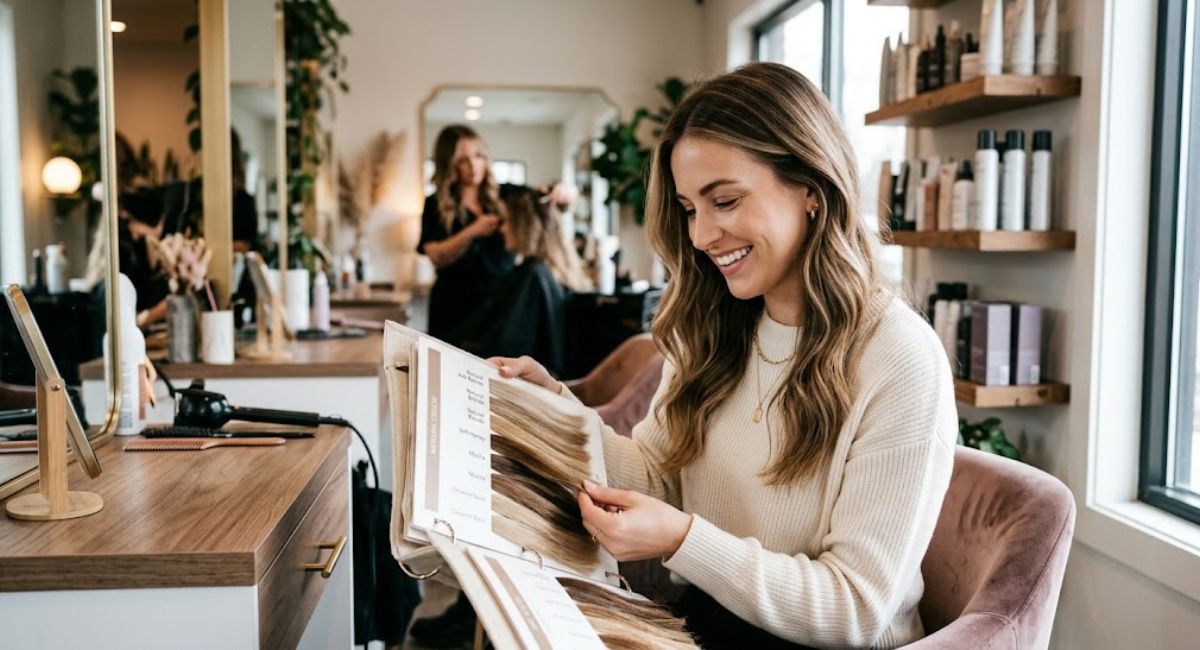
How to Choose the Right Subtle Hair Color
Choosing the right shade involves more than selecting a color you like in a photograph. Your natural hair color, existing dye, desired maintenance, and hair condition all influence the final result.
Consider Your Natural Hair Color
Your starting shade affects both the amount of change possible and the techniques required.
| Natural hair color | Subtle options to consider |
| Black or very dark brown | Espresso brown, dark chocolate gloss, subtle caramel accents |
| Medium brown | Chestnut brown, mushroom brown, caramel highlights |
| Light brown | Golden brown, beige blonde, honey highlights |
| Dark blonde | Beige blonde, honey blonde, fine babylights |
| Blonde with gray strands | Soft blonde highlights, tonal blending, gray blending |
These are starting points rather than strict rules. Previous dye, texture, and the condition of your hair can change what is achievable.
Think About Warm, Cool, and Neutral Tones
Warm shades include honey, caramel, golden brown, and copper. Cool shades include ash brown and some mushroom tones. Neutral shades sit between the two.
Skin undertone can help guide your choice, but it should not dictate it. You can wear a shade because you like it, even if it does not follow a traditional color-matching rule.
Ask your colorist to compare a few options against your natural base and consider how the color looks in daylight.
Choose a Maintenance Level That Fits Your Routine
If you prefer fewer salon appointments, ask about techniques that leave your natural roots largely untouched. Blended balayage, carefully placed highlights, and some gloss services may fit that preference.
However, maintenance varies with the technique, the contrast between your natural color and the chosen shade, and how quickly your hair grows. Warm reds and some vivid tones may need more frequent refreshing than a close-to-natural brunette.
Be clear about how often you are willing to visit the salon before deciding on a formula.
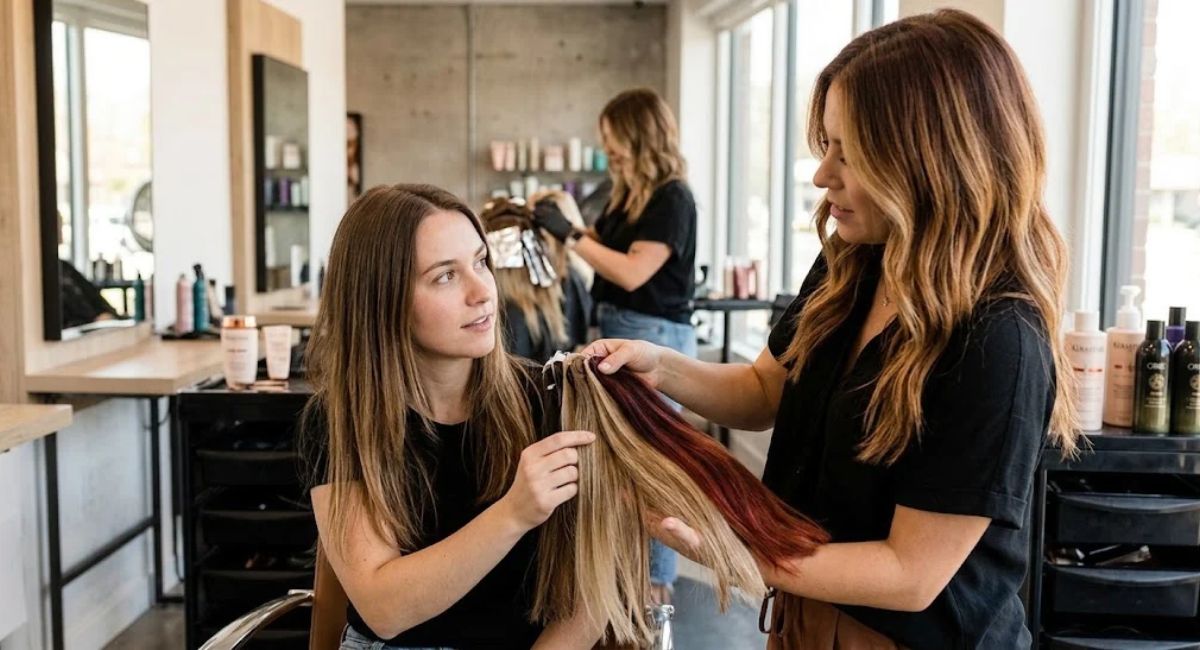
Which Hair Coloring Technique Should You Choose?
The technique matters just as much as the shade.
| Technique | What it does | A good option for |
| Balayage | Creates painted, graduated lightness | A soft, blended look through the lengths |
| Babylights | Adds very fine highlights | Delicate dimension across the hair |
| Traditional highlights | Lightens selected sections using a planned pattern | More even or clearly distributed brightness |
| Gloss or toner | Refreshes or adjusts tone, depending on the formula | Refining an existing color or adding tonal richness |
| All-over color | Changes the overall shade | A uniform brunette, copper-brown, or darker finish |
| Gray blending | Softens contrast between gray and pigmented hair | A gradual transition that leaves some gray visible |
A toner or gloss generally cannot lighten naturally dark hair on its own. Ask your stylist what the service can realistically achieve and whether lightening is necessary.
How to Maintain Subtle Hair Color
Even a natural-looking color benefits from a sensible maintenance routine. The aim is to preserve the tone, keep hair manageable, and avoid unnecessary chemical processing.
Use Hair Products Suitable for Color-Treated Hair
Choose a shampoo and conditioner suited to your hair texture and scalp. If your hair has been lightened, a moisturizing conditioner or an appropriate leave-in product may help with dryness and manageability.
You do not necessarily need an expensive collection of products. Consistency and suitability matter more than the number of bottles on your shelf.
Reduce Excessive Heat Styling
Frequent high-heat styling can contribute to damage, particularly in hair that has been lightened. Use a heat protectant according to its instructions and choose a moderate temperature suitable for your hair.
Whenever practical, allow your hair to air-dry partially before using a blow-dryer.
Protect Your Hair From Environmental Exposure
Sunlight, frequent swimming, and repeated washing can affect the appearance of some hair colors. A hat can help limit direct sun exposure, while rinsing hair after swimming can remove pool water and other residue.
If you spend a lot of time outdoors or swim regularly, ask your stylist how to protect your particular shade.
Schedule Refreshes Based on Your Hair
There is no single salon schedule that suits every color service. A subtle gloss may need refreshing on a different timeline from highlights or permanent root color.
Ask your stylist when the color is likely to need attention and whether an at-home routine can help you maintain it between appointments. Avoid unnecessary repeat lightening on previously lightened sections.
Check Before Trying Home Color Treatments
If you plan to use an at-home dye or gloss, follow the product instructions and perform the required allergy alert test. A strand test can also help you see how the product interacts with your existing color.
Do not assume that a home dye will produce the same shade shown on its packaging. Starting color and previous chemical treatments can change the result.
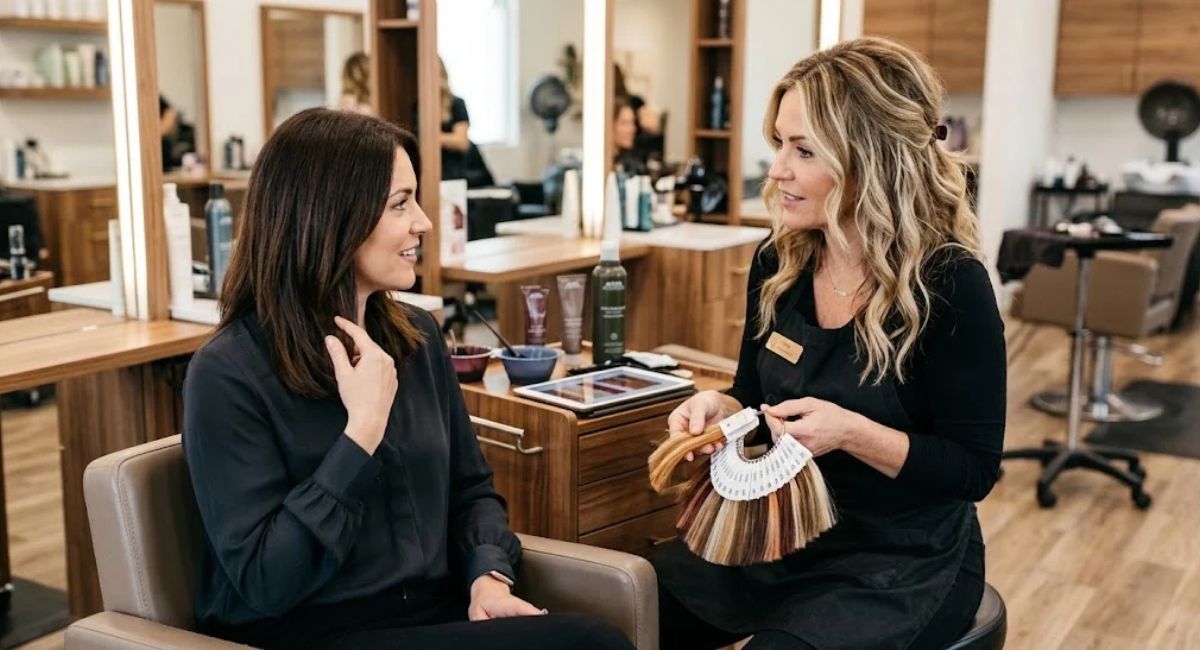
What to Ask Your Hairstylist Before Coloring Your Hair
A short conversation before the service can help you avoid an unwanted dramatic change.
Consider asking:
- Can we keep the result close to my natural hair color?
- Which shade will work with my current color and previous treatments?
- Will this service require bleach or another lightening product?
- How will the color look as my roots grow out?
- How often will I need a salon refresh?
- What maintenance products do you recommend for my hair type?
- Can we start with a smaller change and adjust the color later?
Bring two or three reference photos and explain what you like about each one. One photo might show the shade, while another shows the placement of highlights or the amount of contrast.
Most importantly, describe what you do not want. If you dislike obvious stripes or bright blonde pieces around the face, say so before the service begins.
Frequently Asked Questions
What is the most natural-looking hair color for women?
A shade close to your natural hair color, with softly blended tonal variation, is often a good starting point. Chocolate brown, chestnut, beige blonde, and subtle caramel highlights are examples, but the best choice depends on your original color and desired result.
Which subtle hair color is best for dark hair?
Espresso brown, dark chocolate gloss, and carefully placed caramel highlights are worth considering. A gloss may enrich the existing tone, while highlights may require lightening. Ask a colorist to assess your hair before deciding.
What is the lowest-maintenance subtle hair color?
A color close to your natural base with minimal root contrast is often easier to maintain than a dramatically lighter shade. Some gloss services and blended balayage looks may also suit people who prefer fewer appointments. Actual maintenance depends on the product and technique.
Can subtle hair color work on short hair?
Yes. Fine highlights, a soft all-over shade, or a few face-framing pieces can work on bobs, pixie cuts, and other short styles. Placement matters because shorter hair has less length for gradual color transitions.
Is subtle hair coloring damaging?
It depends on the service. A gloss that does not require lightening may have different effects from highlights created with bleach. Lightening can weaken the hair, especially when it is repeated or overlaps previously processed sections. A professional assessment helps determine an appropriate approach.
Can I get subtle hair color without bleaching?
Sometimes. A gloss, a suitable deposit-only color, or a darker all-over shade may create a visible change without bleach. However, creating lighter highlights on darker hair generally requires a lightening process. The result depends on your starting color and the products used.
How do I make subtle highlights look natural?
Choose a shade that works with your base color, request fine or softly blended placement, and avoid excessive contrast if you want an understated finish. Your stylist should also consider your usual parting, haircut, and how you wear your hair.
Does subtle hair color suit women over 40 or 50?
Yes. Subtle coloring is not restricted to any age group. Women can choose soft highlights, rich brunette shades, or gray blending based on personal preference, hair condition, and the amount of maintenance they want.
Conclusion
Subtle hair color Ideas for women offers a flexible way to refresh your appearance without committing to a dramatic transformation. From chocolate brown and chestnut to honey highlights, soft balayage, and gray blending, there are options for many natural hair colors and personal styles.
The best choice is not necessarily the trendiest shade. It is the one that works with your starting color, suits the result you have in mind, and fits the time you want to spend maintaining it.
Before booking your appointment, choose a few realistic reference photos, discuss your hair history with your stylist, and ask how the color will grow out. A thoughtful plan can help you achieve a result that feels natural, looks polished, and works for everyday life.

2 comments
[…] Sweater Outfit Women: 15 Stylish Ways to… Fall Wedding Hairstyle Ideas That Actually Work for… 15 Subtle Hair Color Ideas for Women That… Stylish Jacket Outfits Ideas That Actually Work in… Sweater Knit Nails: The Cozy Manicure Trend […]
[…] statement. If you prefer a softer change rather than a strong red reflection, explore these subtle hair color ideas for women for more understated […]
Comments are closed.