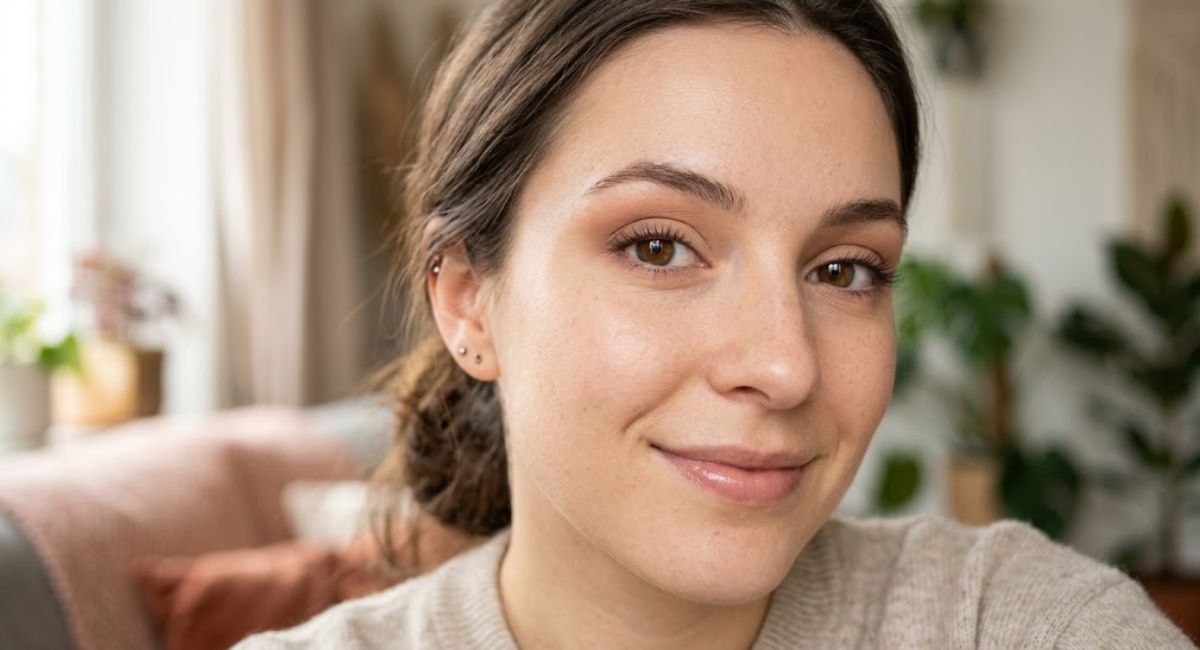
Natural eyeshadow looks have quietly become one of the most searched makeup topics online, and honestly, it makes complete sense. Not everyone wants a dramatic smoky eye for a Tuesday morning. Most people just want to look polished, awake, and put together without spending an hour in front of the mirror.
This guide covers everything from the right products to the exact techniques that make natural eye makeup actually look natural, not muddy or washed out. Whether you are a complete beginner or someone who keeps messing up their blending, this will walk you through it clearly.
Why Natural Eyeshadow Looks Are Hard to Get Right
Here is the thing nobody talks about: natural does not mean easy. A lot of people assume that because the colors are subtle, the technique does not matter as much. That is exactly where things go wrong.
Natural eye makeup requires clean blending, the right color placement, and understanding your eye shape. One wrong move and “natural” turns into “patchy and tired looking.”
The good news is that once you understand a few core principles, it gets much easier and faster.
Choosing the Right Eyeshadow Palette for Natural Looks
The foundation of any good natural eyeshadow look is the palette. You do not need 50 shades. You need the right ones.
What to look for:
- Matte shades in tan, taupe, warm brown, and soft pink
- One or two shimmers in champagne or light gold
- A transition shade that matches your skin tone closely
- Good pigmentation (cheap palettes often look chalky and faded)
Palettes that work really well for natural looks:
- Urban Decay Naked2 Basics (all matte, incredibly blendable)
- Too Faced Natural Eyes palette (beginner friendly, good variety)
- Charlotte Tilbury Luxury Palette in “The Sophisticate” (stunning for neutral looks)
- Morphe 35O (affordable, highly pigmented neutral shades)
- Rare Beauty’s eyeshadow palettes (soft focus finish, very wearable)
If you are on a budget, the e.l.f. Cosmetics eyeshadow palettes in neutral shades are genuinely impressive for the price.
Understanding Eye Shadow Placement Before You Start
Before touching any brush to your eye, understand the three key zones:
The lid: The center of your eyelid, usually where you put the main color or shimmer.
The crease: The fold above your eyelid. This is where the transition shade goes and where most of the blending happens.
The inner corner: A tiny but important spot. Highlighting this area with a light or shimmery shade makes eyes look more open and awake.
Getting these three zones right is what separates a polished natural look from a messy one.
The Basic Natural Eyeshadow Look: Step by Step
This is the everyday natural look that works for almost any eye shape and skin tone.
Step 1: Prime Your Eyelids
Eyeshadow primer is not optional if you want your look to last. Without it, natural shades especially tend to fade or crease within a couple of hours.
Apply a tiny amount of primer to your entire lid and blend it in with your finger. NYX HD Eye Shadow Base and Urban Decay Eyeshadow Primer Potion are both excellent. Let it set for about 30 seconds before moving on.
Step 2: Apply Your Transition Shade
Pick a matte shade that is just slightly deeper than your skin tone. Taupe, soft brown, or a warm beige works for most people.
Using a fluffy blending brush (the most important brush you will own), apply this shade in the crease using small windshield wiper motions. Do not press hard. Use light, circular motions and build it up slowly.
This shade acts as a base and makes every other color blend more seamlessly.
Step 3: Add Depth to the Outer Corner
Take a slightly deeper matte shade, something like a medium brown or soft mauve, and focus it on the outer third of your crease and the outer corner of your lid.
Use a smaller, more precise blending brush here. Blend upward and outward into the transition shade you already placed. There should be no hard line between the two colors.
Step 4: Apply the Lid Color
For a natural eyeshadow look, a matte neutral or a soft satin finish on the lid looks beautiful. Champagne, warm beige, or a light rose gold all work perfectly.
Pat the color onto your lid using a flat shader brush or your fingertip. Patting builds color more efficiently than sweeping for lid shades.
Step 5: Highlight the Inner Corner and Brow Bone
Take your lightest shade, often a matte white or a soft champagne shimmer, and apply it to the inner corner of your eye and just under the tail of your brow.
This is the step most beginners skip. It is also the step that makes the biggest difference. It opens up the eyes instantly.
Step 6: Blend Everything One More Time
Go back with your fluffy blending brush and no product, just the brush, and gently blend all the edges. Natural eyeshadow looks should have no visible where-one-color-ends-and-another-begins lines.
If something looks too dark or harsh, tap a tiny bit of the transition shade over it and blend again.
Step 7: Set With a Light Dusting of Setting Powder (Optional)
If you have oily lids, a light dusting of translucent powder over the finished look can help it stay put longer.
Natural Eyeshadow Looks for Different Eye Shapes
One size does not fit all when it comes to eye makeup. Here is how to adjust the basic technique for different eye shapes.
Hooded Eyes
If your lid disappears when your eyes are open, you have hooded eyes. The key is to apply your crease shade higher than you think you should, so it is still visible when your eyes are open.
Avoid heavy shimmer on the lid as it can make hooded eyes look smaller. Matte shades with a subtle sheen work better.
Monolid Eyes
For monolid eyes, skip the traditional crease technique since the crease is not defined naturally. Instead, focus on creating depth by applying a deeper shade across the entire upper lash line and blending it upward. A light shade on the center of the lid keeps things bright.
Deep Set Eyes
Deep set eyes already have natural shadow. Keep colors lighter overall and focus shimmer on the lid to bring the eyes forward. Avoid dark shades in the crease as they can make eyes look more sunken.
Wide Set Eyes
Concentrate deeper shades on the inner corners to visually bring the eyes closer together. Keep the outer corners lighter.
Warm Toned vs. Cool Toned Natural Eyeshadow Looks
Your undertone matters more than most makeup tutorials admit.
For warm undertones (golden, peachy skin): Reach for shades with red, orange, and golden undertones. Terra cotta, warm brown, peach, and bronze all look stunning and feel cohesive with your natural coloring.
For cool undertones (pink, bluish skin): Taupe, mauve, dusty rose, and soft gray browns tend to complement your skin without clashing. Avoid overly orange based browns as they can look muddy against cool skin.
For neutral undertones: Lucky you, almost every natural shade works. Experiment freely.
Natural Eyeshadow Looks for Beginners: Common Mistakes to Avoid
Using too much product at once. Natural looks require building slowly. Start with less than you think you need.
Skipping primer. Especially with soft, neutral shades, skipping primer leads to a washed out, faded look within an hour.
Not blending enough. The number one issue. If you think you have blended enough, blend a little more.
Using the wrong brushes. Sponge applicators that come with palettes are almost never worth using. A good fluffy blending brush and a flat shader brush are all you need to start.
Choosing shades too similar to each other. Natural does not mean everything has to be the same shade. You still need some contrast to define the eye shape.
Quick Natural Eyeshadow Look for Busy Mornings
If you have under five minutes, this works:
- Apply primer with your finger
- Sweep a matte warm brown through the crease with a fluffy brush
- Pat a champagne or golden shade on the lid with your fingertip
- Dab a tiny highlighter on the inner corner
- Done
Add mascara and you have a polished, put together eye look in minutes. No complicated blending required.
Best Brushes for Natural Eyeshadow Looks
You do not need an overwhelming collection. These three will handle 90 percent of natural eye looks:
Fluffy blending brush: For crease work and blending. Real Techniques Defining Crease Brush is excellent and affordable.
Flat shader brush: For applying color to the lid. Morphe M330 is a fan favorite.
Small detail brush: For inner corner highlight and precise liner work. EcoTools makes a great one at a low price point.
Cleaning your brushes regularly matters too. Dirty brushes muddy up natural looks fast since the colors are already subtle.
Finishing Touches That Elevate a Natural Eye Look
A natural eyeshadow look does not exist in isolation. A few finishing touches complete it:
Mascara: Even one coat of mascara makes a significant difference. It defines lashes and makes the eyes look more awake without adding heaviness.
Tight lining: Running a nude or white pencil along your waterline makes eyes look bigger and more open. This pairs perfectly with natural shadow.
A thin brown liner: If you want definition without the severity of black liner, a warm brown pencil or a soft brown eyeshadow used as liner along the upper lash line looks beautiful and intentional.
Groomed brows: Well shaped, filled brows frame the entire look. A sparse or unkempt brow can undercut even the most perfectly blended natural eyeshadow look.
Natural Eyeshadow Looks for Different Occasions
Work or office: Stick to matte tones in taupe and warm brown. Keep the lid shade light. Clean, minimal, and professional.
Daytime casual: A little warmth goes a long way. A peach or rose brown on the lid with a champagne shimmer is relaxed but pretty.
Date night with a natural look: Add a touch more depth to the outer corner and a slightly more intense shimmer on the lid. Keep everything else the same. It reads elevated without being dramatic.
Summer natural look: Bronzy shades, warm peach, and a golden shimmer feel right for sunny weather and tanned skin.
FAQs
1. What eyeshadow colors are considered natural?
Neutral tones like taupe, warm brown, soft beige, champagne, rose gold, and muted mauve are all considered natural shades. They complement most skin tones without creating a dramatic effect.
2. How do I make natural eyeshadow look blended?
Use a fluffy brush with light circular or windshield wiper motions in the crease. Build color slowly and always blend the edges before adding more product.
3. Do I need primer for natural eyeshadow?
Yes, especially for softer shades that fade easily. Eyeshadow primer helps colors stay vibrant and prevents creasing throughout the day.
4. What is the best natural eyeshadow look for beginners?
A simple three shade look works best: a transition shade in the crease, a neutral on the lid, and a highlight in the inner corner. This takes under ten minutes and looks polished.
5. How do I choose the right natural eyeshadow for my skin tone?
Warm undertones look great with peachy browns and golden shades. Cool undertones suit taupe, mauve, and cool browns. Neutral undertones can work with almost anything.
6. Can I do a natural eyeshadow look without brushes?
You can use your fingers for the lid shade and a cotton swab for blending, but brushes give significantly more control and a smoother finish.
7. How long does a natural eyeshadow look last?
With primer, most natural looks last six to eight hours. Without primer, soft shades tend to fade or crease in two to three hours.
8. What is the difference between a natural and a no makeup makeup look?
A no makeup makeup look is a broader term covering the entire face. A natural eyeshadow look refers specifically to subtle, blended eye shadow techniques that enhance without looking obvious.
9. How do I fix a natural eyeshadow look that looks muddy?
Sweep a light matte shade over the lid to tone things down. Then re blend with a clean brush. Muddy looks usually happen when too many shades are mixed without proper layering.
10. Are there good drugstore options for natural eyeshadow looks?
Absolutely. L’Oreal, NYX, Maybelline, and e.l.f. all carry affordable palettes with great neutral shades that work perfectly for natural eye looks.