Finding the best haircut for every face shape starts with one simple truth: not every trending style works on every face. You have probably walked out of a salon before, looked in the mirror, and felt like something was slightly off, even though the stylist did a technically perfect job. Nine times out of ten, that mismatch has nothing to do with skill. It comes down to face shape.
I have spent years talking to stylists, testing cuts on myself, and watching friends go through the same trial and error. The pattern is always the same. Once you know your face shape and match it to the right haircut, everything clicks. Your features look more balanced, your hair looks intentional instead of accidental, and styling becomes ten times easier.
This guide walks you through every major face shape, the cuts that genuinely flatter each one, and the mistakes people make when they ignore this step entirely.
Why Face Shape Actually Matters When Choosing a Haircut
Your face shape is essentially the frame your hairstyle sits inside. A haircut can soften sharp angles, add height where a face looks flat, or create the illusion of length where a face looks wide.
Stylists use this concept constantly, even if clients rarely hear the term out loud. When a cut “just works,” it is usually because the length, volume, and parting were chosen with the face’s proportions in mind.
Ignoring face shape does not ruin a haircut completely, but it often means fighting against your natural proportions instead of working with them.

How to Figure Out Your Face Shape at Home
Before picking a style, you need to know what you are working with. This part takes two minutes and does not require a professional.
Here is a simple method:
- Pull your hair back completely so your hairline, forehead, and jaw are visible
- Stand in front of a mirror in good lighting, ideally daylight
- Trace the outline of your face on the mirror with a dry erase marker, or take a straight on photo and trace it digitally
- Compare the outline to the shapes below
Pay attention to three measurements in particular. The width of your forehead, the width of your cheekbones, and the width of your jawline. Whichever area is widest, and how sharp or soft your jawline looks, will tell you almost everything you need to know.
Most people fall into one of six categories: oval, round, square, heart, diamond, or oblong. Some faces are a blend of two, and that is completely normal.
Oval Face Shape: The Most Versatile Shape
If your forehead is slightly wider than your jaw, your cheekbones are the widest point, and your face is longer than it is wide, you likely have an oval face.
This is the shape most stylists consider the easiest to work with because the proportions are already balanced. There is no strong angle to soften and no width issue to correct.
Best haircuts for oval faces include:
- Long layers that fall past the shoulders
- A textured lob, which is a long bob that sits around the collarbone
- Blunt bobs with curtain bangs
- Buzz cuts and short crops for men, since there is no jawline width to hide
The one rule to keep in mind with an oval face is not to overdo length. Extremely long, flat hair with no layers can make the face look even longer than it already is.
Round Face Shape: Add Height and Angles
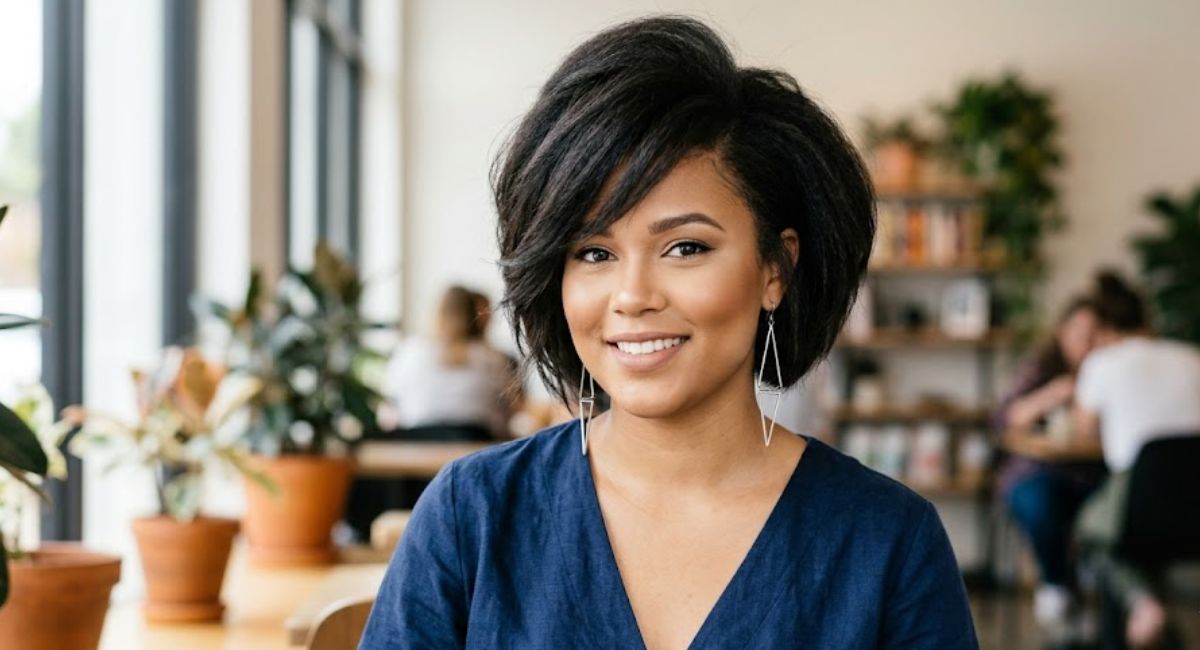
A round face has soft curves, a wider forehead and cheek area, and a jawline that does not carry much of an angle. Width and length are roughly equal, which is what gives it that circular look.
The goal here is to create the illusion of length and add some structure. Softness needs a bit of contrast.
Best haircuts for round faces include:
- Long, face framing layers that start below the chin
- A side part instead of a center part, since it breaks the symmetry of the circle
- Volume at the crown to elongate the top of the head
- Angular bobs that hit below the jaw rather than at it
Avoid full, blunt bangs cut straight across, and stay away from chin length bobs with heavy volume on the sides. Both of those choices widen a round face even further.
Square Face Shape: Soften the Angles
A square face has a strong, angular jawline, a forehead roughly the same width as the jaw, and minimal curve anywhere along the sides. It is a striking shape, but sharp cuts can sometimes make it look boxier than intended.
The idea with a square face is to soften, not hide. You still want to keep that strong bone structure visible, just with a bit more movement around it.
Best haircuts for square faces include:
- Wispy, side swept bangs that break up the forehead line
- Soft layers around the jaw and chin
- Textured crops for men, which add movement without emphasizing the jaw
- Waves or curls, since natural texture softens hard lines beautifully
Avoid blunt, one length bobs that stop right at the jaw. That length tends to draw a straight horizontal line right along the widest, sharpest part of the face, which exaggerates the squareness instead of balancing it.
Heart Face Shape: Balance a Wider Forehead
A heart shaped face is wider at the forehead and cheekbones, then narrows down to a smaller, sometimes pointed chin. Think of it as the inverse of a triangle.
Since the top of the face carries most of the width, the goal is to bring visual weight down toward the jaw and chin, or soften the forehead itself.
Best haircuts for heart faces include:
- Side swept bangs, which reduce forehead width without a hard line
- Chin length bobs, which add fullness right where the face narrows
- Layered cuts that build volume near the jaw
- Shorter styles with texture around the temples for men, avoiding heavy volume at the crown
Skip very short pixie cuts with lots of height on top, since that adds even more weight to an already wide forehead. Center parts can also be tricky here, as they draw attention straight to the width at the top.

Diamond Face Shape: Highlight the Cheekbones
Diamond faces are narrower at the forehead and jaw, with the cheekbones as the clear widest point. It is one of the less common shapes, and honestly one of the most photogenic once styled correctly.
The strategy is to add width at the forehead and chin while keeping the cheekbone area from looking too sharp.
Best haircuts for diamond faces include:
- Chin grazing bobs with soft layers
- Long, wispy curtain bangs that add width at the forehead
- Side parts with volume near the temples
- Textured, layered cuts that fall just past the cheekbones
Avoid slicked back styles with no volume near the forehead, and stay away from heavy, blunt fringes that sit straight across. Both choices tend to make the cheekbones look even more prominent than they already are.
Oblong or Long Face Shape: Add Width, Reduce Length
An oblong face is longer than any other shape, with a forehead, cheek, and jaw width that stay fairly consistent, but the overall length stretches things out. It is often confused with oval, but the key difference is proportion. Oblong faces are noticeably longer than they are wide.
Here, the priority is adding horizontal width and breaking up vertical length.
Best haircuts for oblong faces include:
- Blunt bobs that hit at or just below the chin
- Full, straight across bangs to shorten the appearance of the forehead
- Waves and curls, which naturally add width
- Shorter, textured cuts for men that avoid excessive height on top
Avoid very long, straight, one length hair with no layers, since it emphasizes exactly the kind of length you are trying to soften.
Common Mistakes People Make With Face Shape and Haircuts
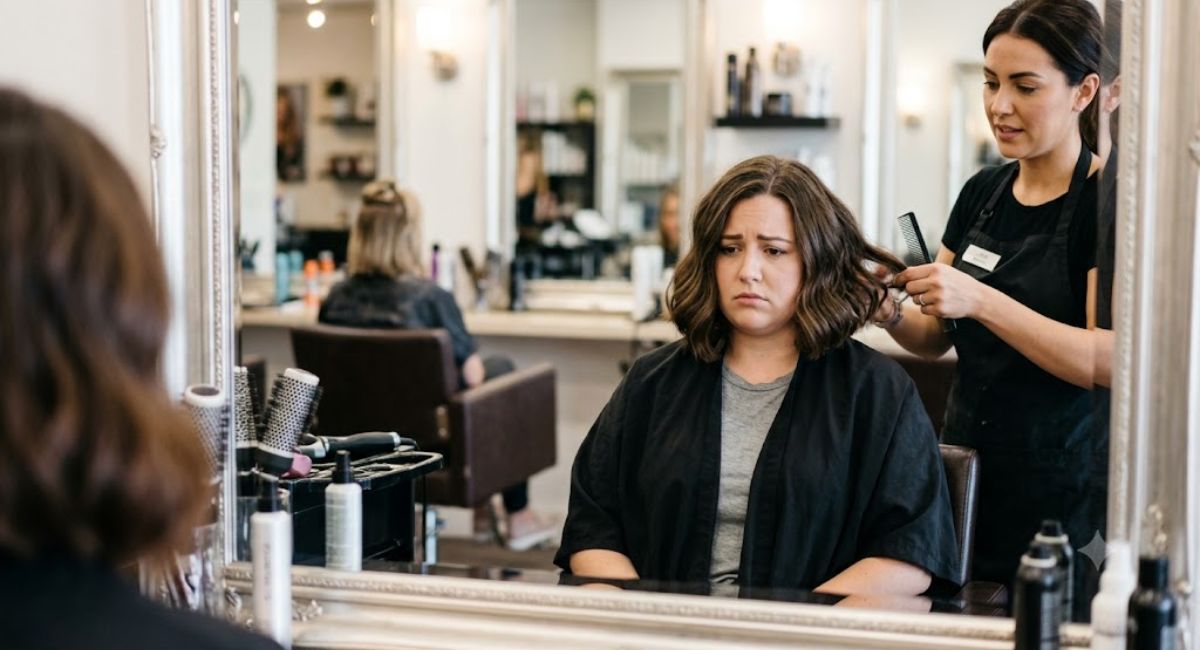
After going through dozens of consultations and plenty of personal trial and error, a few mistakes come up again and again.
The first is copying a celebrity haircut without checking whether the face shape actually matches. A cut that looks incredible on someone with a diamond face might do absolutely nothing for a round face.
The second is ignoring hair texture. Face shape guidelines assume a general starting point, but curly, wavy, and coarse hair all behave differently than straight, fine hair. A style built for straight hair might need real adjustment for curls, and a good stylist will factor that in.
The third mistake is treating these guidelines as strict rules instead of starting points. Personal style, hair health, lifestyle, and confidence matter just as much as geometry. A haircut that technically flatters your face shape but that you hate styling every morning is not actually the right choice for you.
Tips for Talking to Your Stylist About Face Shape
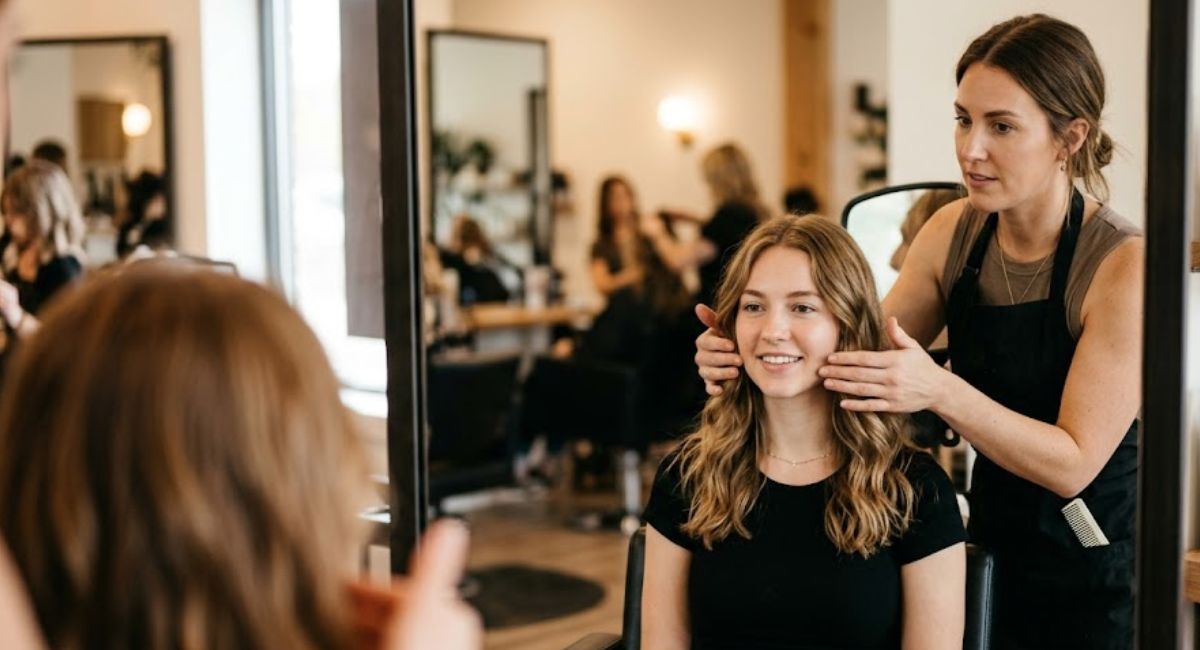
Walking into a salon with a clear idea of your face shape genuinely changes the conversation. Instead of vaguely describing a cut you saw online, you can explain what you are trying to balance or soften.
A few things that help:
- Bring one or two reference photos, but mention your face shape too, so the stylist can adjust the reference to suit you
- Ask directly which lengths and layers work with your bone structure
- Mention your hair texture and how much time you realistically spend styling it each morning
- Be honest about maintenance, since some face shape flattering cuts need more upkeep than others
Good stylists appreciate this kind of input. It shows you have thought about the cut beyond just liking a photo, and it usually leads to a much more personalized result.
Final Thoughts on Choosing the Right Cut
There is no single best haircut for every face shape, because every face shape has its own set of flattering options. What actually matters is understanding your proportions well enough to make an informed choice, whether that means adding height to a round face, softening a square jaw, or embracing the natural versatility of an oval shape.
Hair grows back. If a cut does not work the way you hoped, it is never permanent. But starting with your face shape in mind saves you time, money, and a fair amount of frustration in the chair.
FAQs
1. How do I know my face shape without a professional? Pull your hair back, look in a mirror in good lighting, and compare the width of your forehead, cheekbones, and jaw. The widest area usually reveals your shape.
2. What is the most versatile face shape for haircuts? Oval face shapes are generally considered the most versatile since the proportions are already balanced, allowing for almost any length or style.
3. Can I change my haircut if my face shape changes over time? Yes. Weight changes, aging, and even hair growth patterns can shift how your face appears, so it is worth reassessing your shape every few years.
4. Does hair texture affect which haircuts work for my face shape? Absolutely. Curly and wavy hair adds natural volume and width, so a cut recommended for straight hair may need slight adjustments for textured hair.
5. What is the best haircut for a round face shape? Long, face framing layers with a side part and added volume at the crown tend to elongate a round face and create balance.
6. Are bangs good for every face shape? Not exactly. Side swept and wispy bangs suit most shapes, but blunt, straight across bangs can widen round or oblong faces if not styled carefully.
7. How often should I get my hair cut to maintain a face shape flattering style? Most styles that rely on layers or shape, like bobs or textured cuts, need a trim every six to eight weeks to keep their form.
8. Can men and women use the same face shape guidelines? Yes, the underlying geometry principles apply to both. The specific cuts differ, but the goal of balancing proportions stays the same.